Carbon
Lipids
Carbohydrates
Nucleic Acids
Proteins
100
The formation of a polymer occurs in which a water molecule is lost.
What is condensation?
100
This is the primary function of lipids
What provides long term energy?
100
These are the monomers of polysaccharides.
BONUS! Draw a chemical structure of it (24 points)
What is glucose?
100
Identify the chemical below

What is a nucleotide?
100
These compounds are the monomers of proteins
What are amino acids?
200
This states the building up of polymers and the break down of polymers in metabolism. (in order)
What is anabolic?
What is catabolic?
200
This lipid structure is common for a group of fats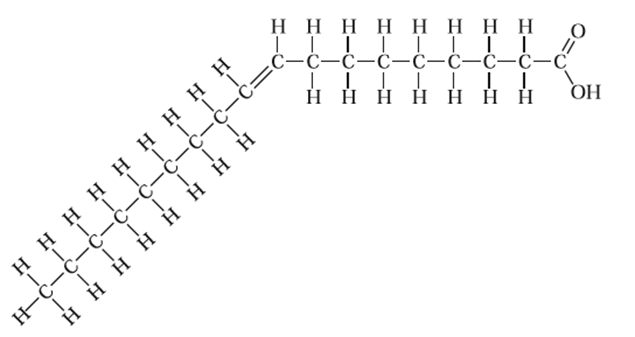
What is an unsaturated fatty acid?
200
This polysaccharide provides structure to plant cells and makes up the cell wall.
What is celluose?
200
This type of bond holds nitrogenous bases together
What is hydrogen
200
This is the type of bond formed between two amino acids. It is a unique bond found only in proteins
Peptide bond
300
A carbohydrate is hydrolyzed into these units
What is glucose?
300
When a hydrogen element is transferred to another side of a carbon chain this shows a common chemical formation.
What is a trans fatty acid?
300
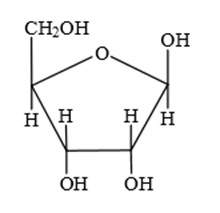 This represents the chemical structure of this common sugar.
What is ribsose?
300
This type of bond holds the sugar/phosphate backbone together of nucleotides
What is a covalent bond?
300
This functional group identifies proteins/peptides
BONUS (50 points) Draw the chemical structure which represents this group
What is an amino group
400
All organic compounds/macromolecules contain these common elements
What are carbon, hydrogen, oxygen, phosphorus, and sulfur
CHNOPS!
400
This type of lipid provides support in a phospholipid membrane.
What is cholesterol
400
These group of compounds are monomers linked by condensation.
BONUS! List 2 (10 points)
What are monosaccharides?
400
These are the polymers of nucleotides
What are Nucleic acids?
400
This list represents the name of each stage of protein synthesis
BONUS! Draw, label, describe each stage (50 points)
What is the primary, secondary, tertiary, and quaternary structure?
500
This outlines the three reasons why carbon is an essential atom to living things.
I will check answers on paper
500
This lipid below is a common cholesterol structure. It is known to be cholesterol because of this chemical ratio.
What is the low oxygen to carbon ratio?
500
These are two chemical forms starch exists in.
What are amylose and amylopecin?
500
The 3 differences listed exist between RNA and DNA
1. The type of sugar
2. The number of stands present
3. The nitrogen base comparison
500
Proteins have many different functions. This protein carries oxygen in the blood.
What is hemoglobin?