Herbivore
Carnivore
Pint-sized
Giant
Special Features
100
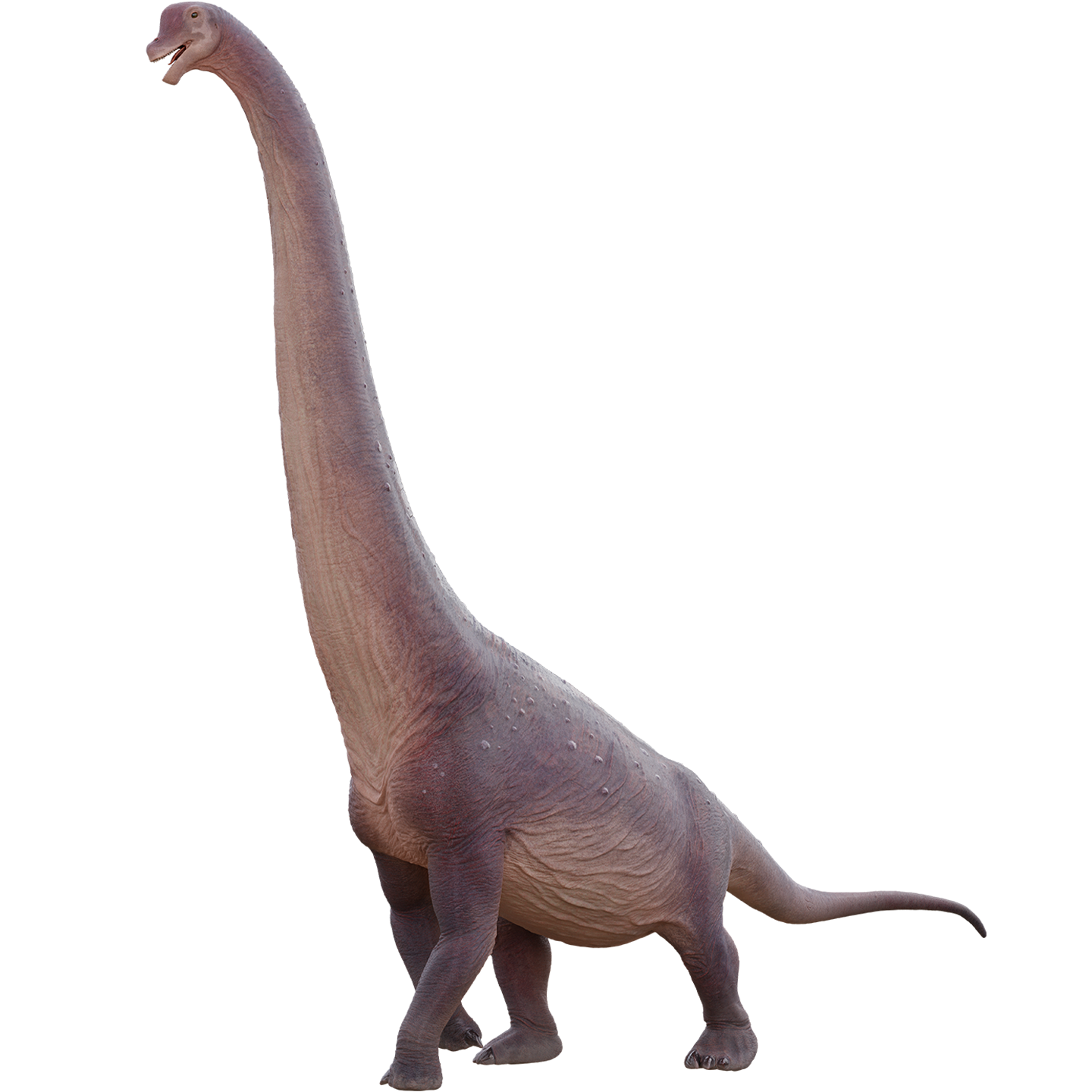
Name means 'arm lizard'
Type of dinosaur: sauropod
Length: 72 ft
Weight: approximately 60,000 to 100,000 pounds
When it lived: Late Jurassic, 152–145 million years ago
Found in: USA
a very tall plant-eating dinosaur that lived in prehistoric North America
Who is: Brachiosaurus!
100
Name meaning:'tyrant lizard'
Diet: carnivorous
Type of dinosaur: large theropod
How it moved: on 2 bigger legs and had two "small arms"
When it lived: Late Cretaceous, 68–66 million years ago
Found in: Canada,USA
Has a bone-crushing bite, over 50 banana- sized, serrated teeth and huge jaws. Its teeth delivered the strongest bite of any known land animal. It’s bite is three to five times more powerful than a lion’s, allowing it to crunch through bone.
It can be considered the King of Dinosaurs.
Who is: T-Rex!

100
Length: 2–3 ft; Weight: 2 lbs
When it lived: 125–120 MYA Cretaceous Period
Found in: Asia (China)
It had long, blue-black, shimmering feathers on both its arms and legs, giving it four wings. It could probably glide from trees, or possibly take off from trees, or the ground, for short bursts of flight. Gliding or flying would have helped it to hunt for small lizards, fish, or mammals, or to escape predators. This birdlike dinosaur shared the skies with early birds and flying reptiles called pterosaurs
Who is: Microraptor!

100
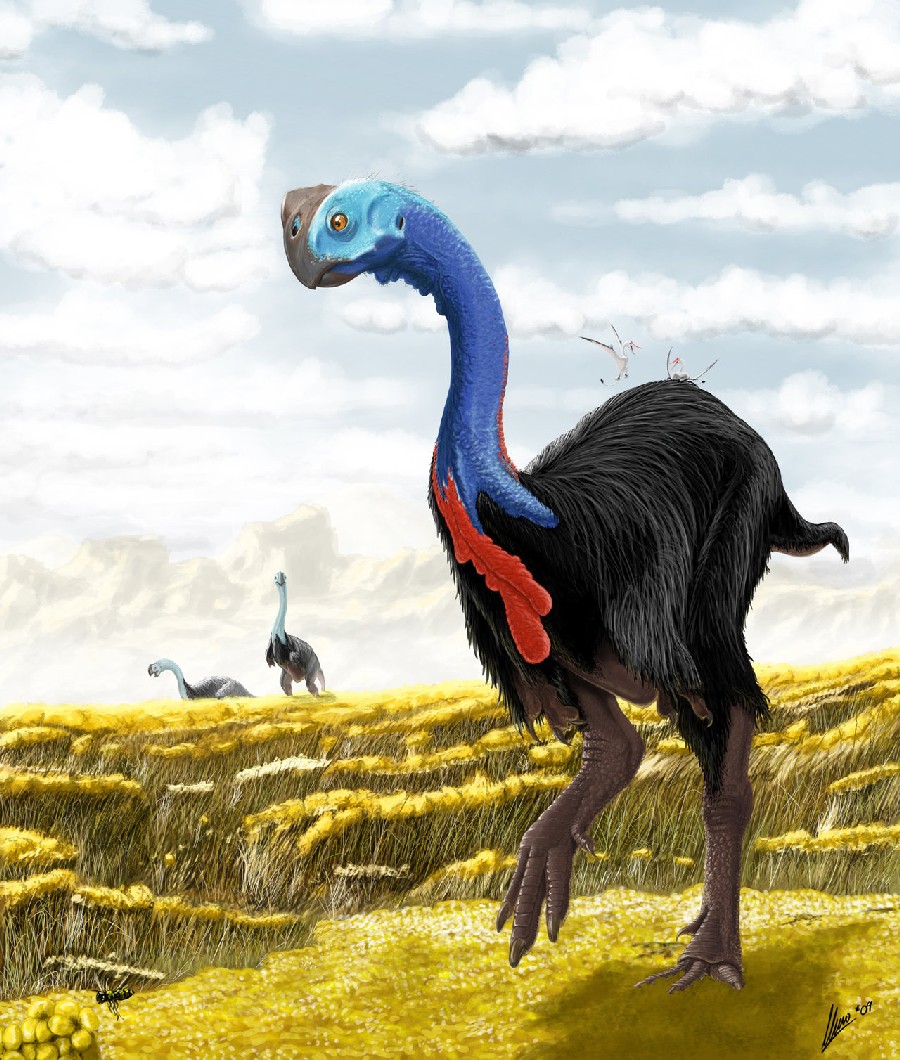
Diet: omnivorous
Teeth: beak, no teeth
Food: plants, possibly meat
When it lived: Late Cretaceous, 96 million years ago
Found in: Mongolia
8 meters long
Giant is in the name. Looking a bit like an over-sized ostrich, this dinosaur was the largest known beaked dinosaur and the largest feathered dinosaur yet discovered.
This is the largest known member of the oviraptorosaur dinosaur group. Oviraptorosaur dinosaurs had distinctive parrot-like skulls with beaks.
Who is: Gigantoraptor!
100
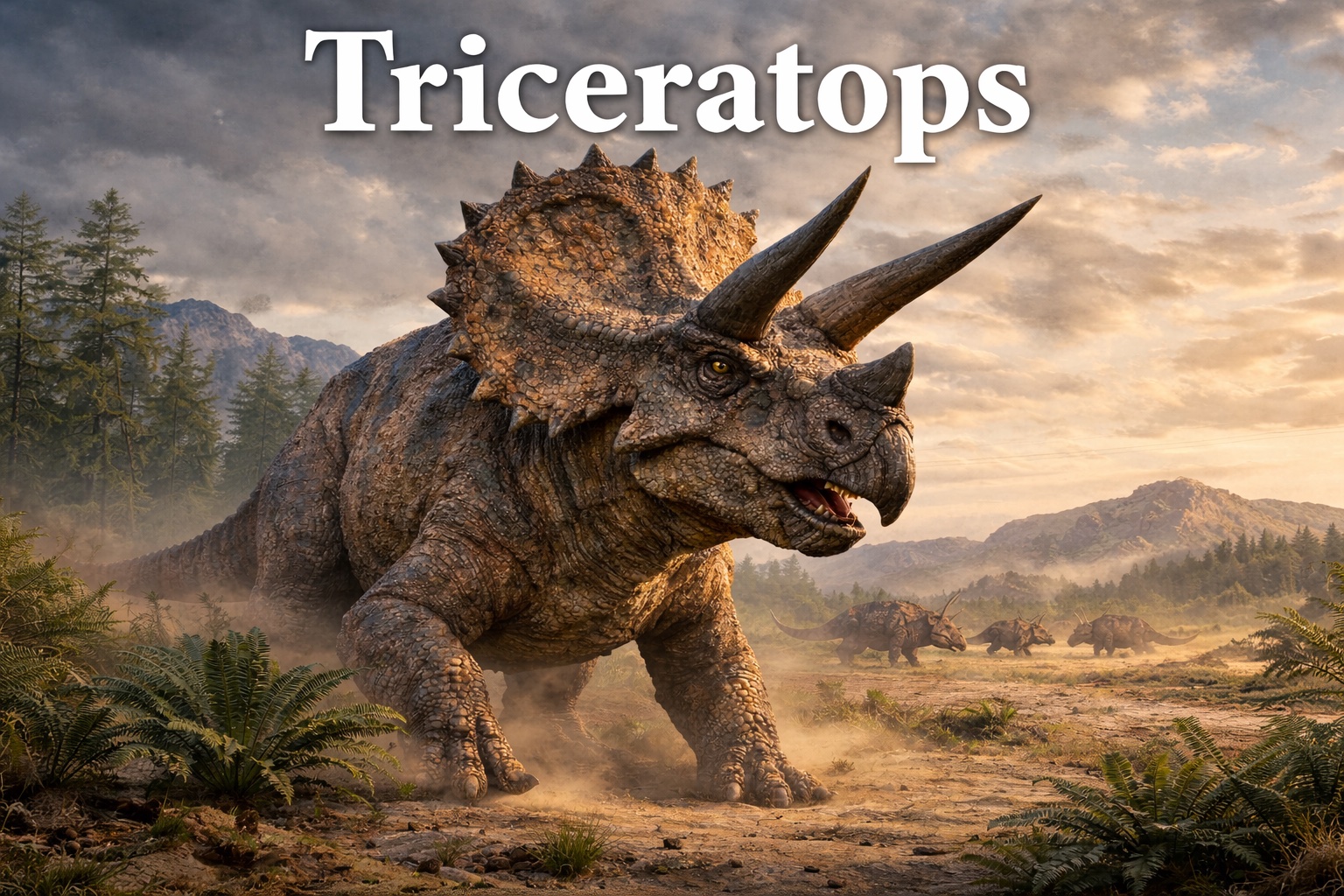
One of the largest and best known of the horned dinosaurs, this dino had THREE horns: two long, pointy, bony horns, and a smaller nose horn. All three horns were covered by keratin—the material that our hair and fingernails are made of.
Who is: Triceratops!
200
The GRA branch dinosaur
Type of dinosaur: armoured dinosaur
It had a powerful spiked tail and bony plates along its back embedded in the skin. Length: 9.0m and compared with the rest of its body, It had a small head and its brain was around the size of a plum!
It is believed to have eaten plants such as mosses, ferns, horsetails, cycads and conifers or fruits. It ate gastroliths. Small stones that ground its favorite vegetables up in its stomach.
Who is: Stegosaurus!
200
Diet: carnivorous
When it lived: Late Cretaceous, 74–70 million years ago
Found in: Mongolia
Length: 1.8m
Weight: 7kg
It was small, covered in feathers. It had tremendous talons (sharp, hooked claws on its feet), which made it a menacing hunter. This nimble, birdlike dinosaur (raptor) used terrifying hooked talons on its toes to capture its prey. It had a mouthful of very sharp, pointy teeth, with jagged edges. It also had three smaller curved claws on each arm, which helped it to stop its victims from escaping.
Who is: Velociraptor!

200
Diet: Carnivorous (ate small mammals)
Teeth: sharp
Height: 2 feet
Weight: 6 pounds
One of the smallest of all dinosaurs- no bigger than a modern-day chicken. But it was one fiesty piece of work! It ran very quickly on its tip-toes, holding its long tail off the ground for balance. It used its three-clawed hands to grasp its unlucky prey and its sharp teeth to bite into larger victims. It was very fast. Its top speed was probably up to 40 mph.
Who is: Compsognathus!

200
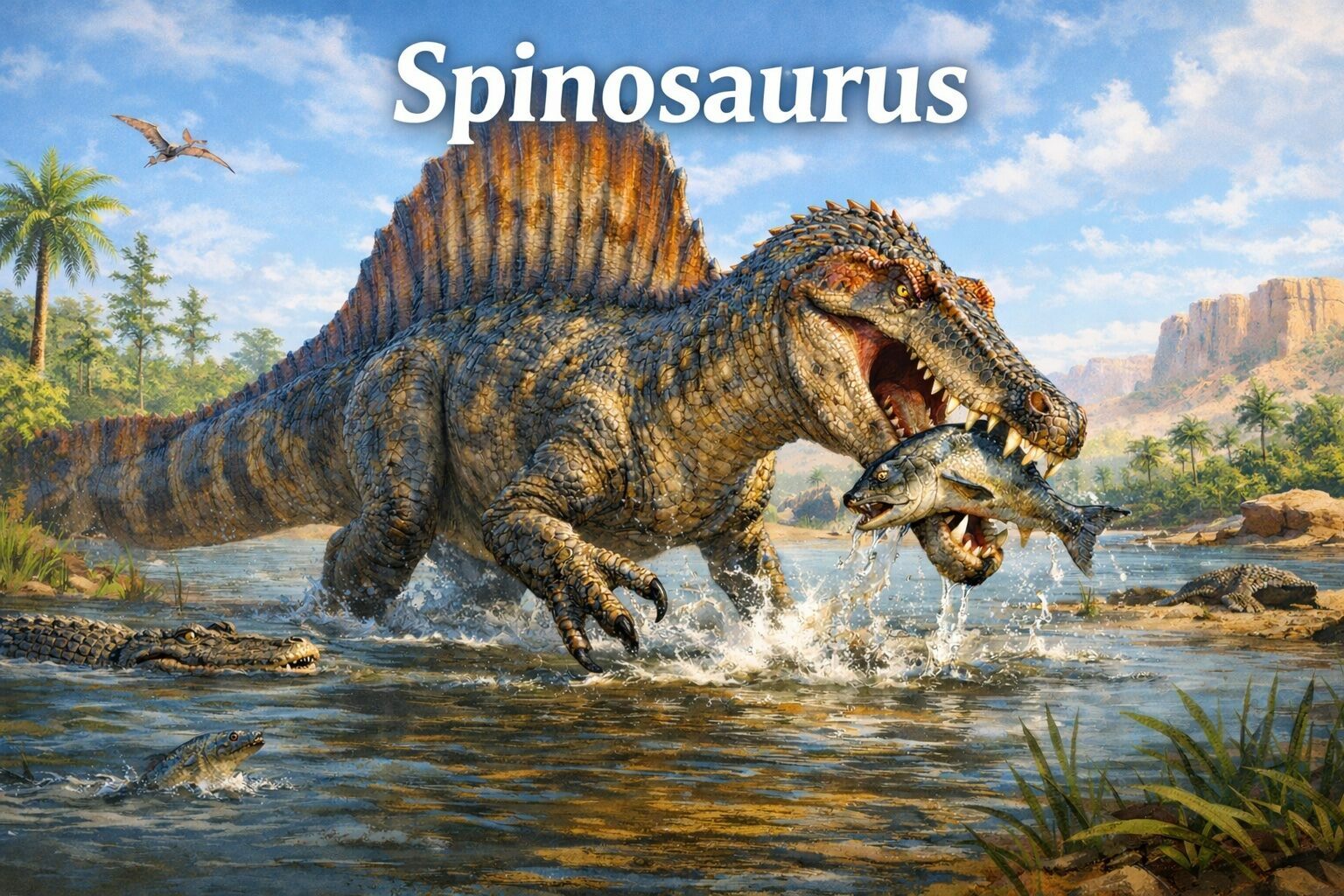
The name means "spine lizard"
Diet: carnivorous (ate fish and maybe other dinosaurs) Teeth: smooth and cone-shaped. It had a narrow snout and a distinctive notch near the front of its jaws. This would have been very effective at trapping fish.
Scientists think it may have lived a semi-aquatic lifestyle. It had quite short legs and may have spent a lot of its time living in and around water. It also had a wide, paddle-like tail.
The huge1.5-metre-high skin-covered sail on its back was supported by extra-long spine bones, which were at least 5 ft 4 in long.
When it lived:Late Cretaceous, 99–94 million years ago
Found in:Egypt,Morocco
Who is: Spinosaurus!
200
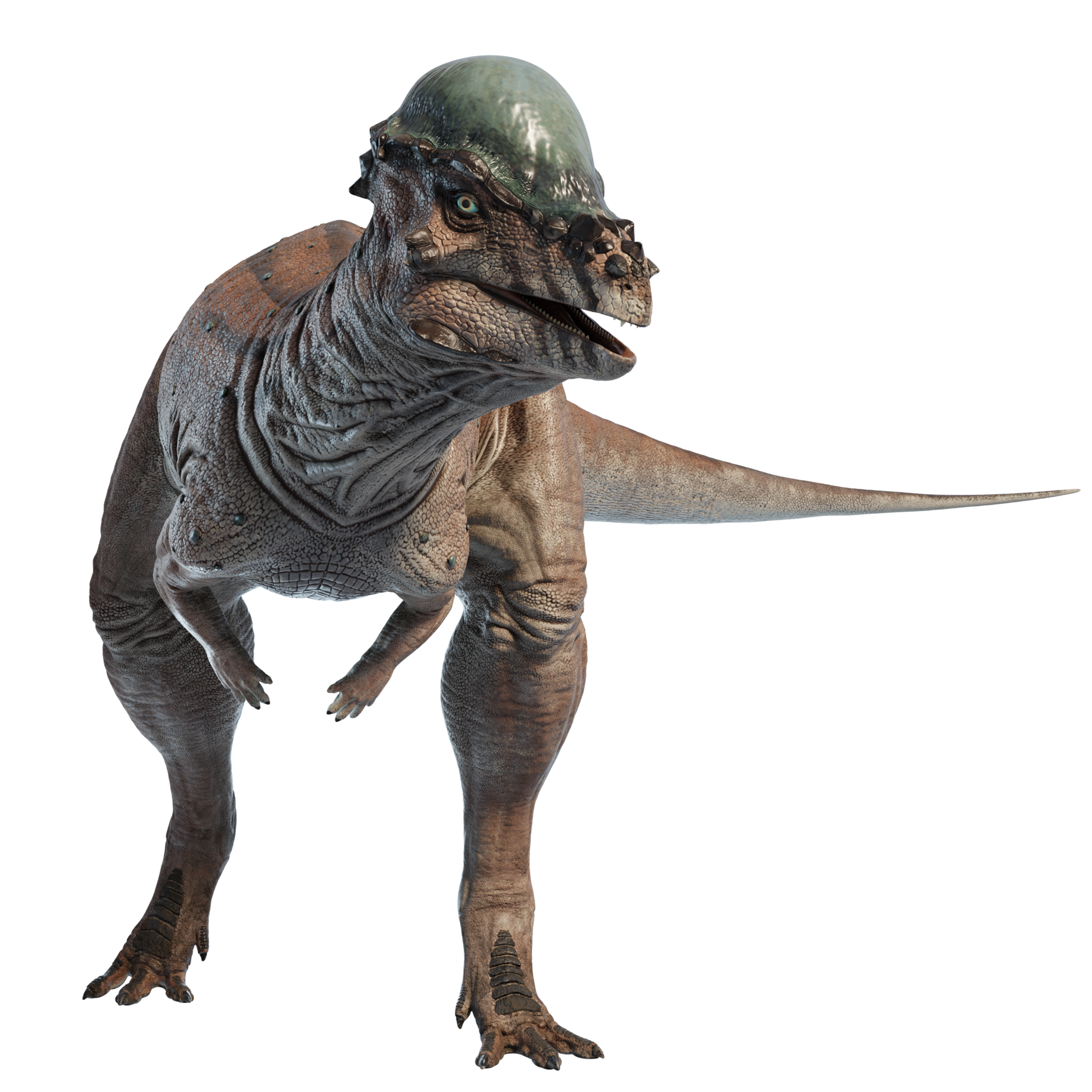
With its thick, rounded skull, this dinosaur stands out as one of the most unusual dinosaurs ever discovered. Living during the Late Cretaceous, this herbivore is best known for its helmet-like dome head.
Scientists believe Pachycephalosaurus may have used its skull for head-butting contests, similar to modern rams, though this behavior is still debated. Its skull could be up to 10 inches thick, one of the most extreme adaptations among dinosaurs.
Its dome-headed silhouette ensures it remains unforgettable in both science and popular media.
Who is: Pachycephalosaurus!
300
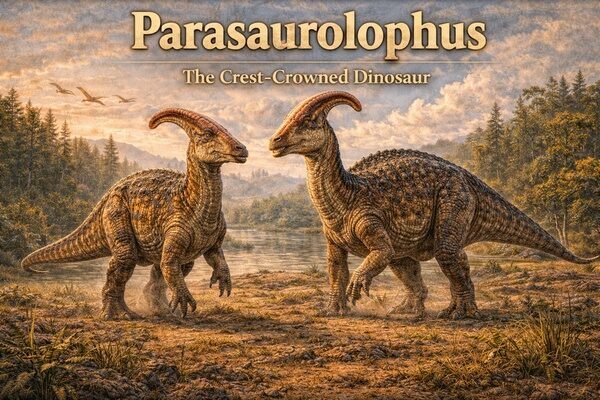
Few dinosaurs are as elegant and instantly recognizable as this dinosaur! Its long, curved head crest is one of the most distinctive features in dinosaur history.
Scientists believe the crest may have been used for communication, producing resonating sounds, or for visual display. This dinosaur was a herbivore that traveled in herds, grazing on plants across ancient North America.
Who is: Parasaurolophus!
300
Before T. rex, there was this dinosaur, the dominant predator of the Late Jurassic. Living around 150 million years ago, this dinosaur hunted large herbivores like Stegosaurus and Diplodocus.
This dinosaur was about 30 feet long, with sharp teeth and powerful jaws designed for slicing flesh. Unlike the bone-crushing bite of T. rex, this dinosaur may have used a hatchet-like attack style, tearing into prey with repeated strikes.
It may not have the fame of T. rex, but this dinosaur remains one of the most important predators in dinosaur history.
Who is: Allosaurus!

300
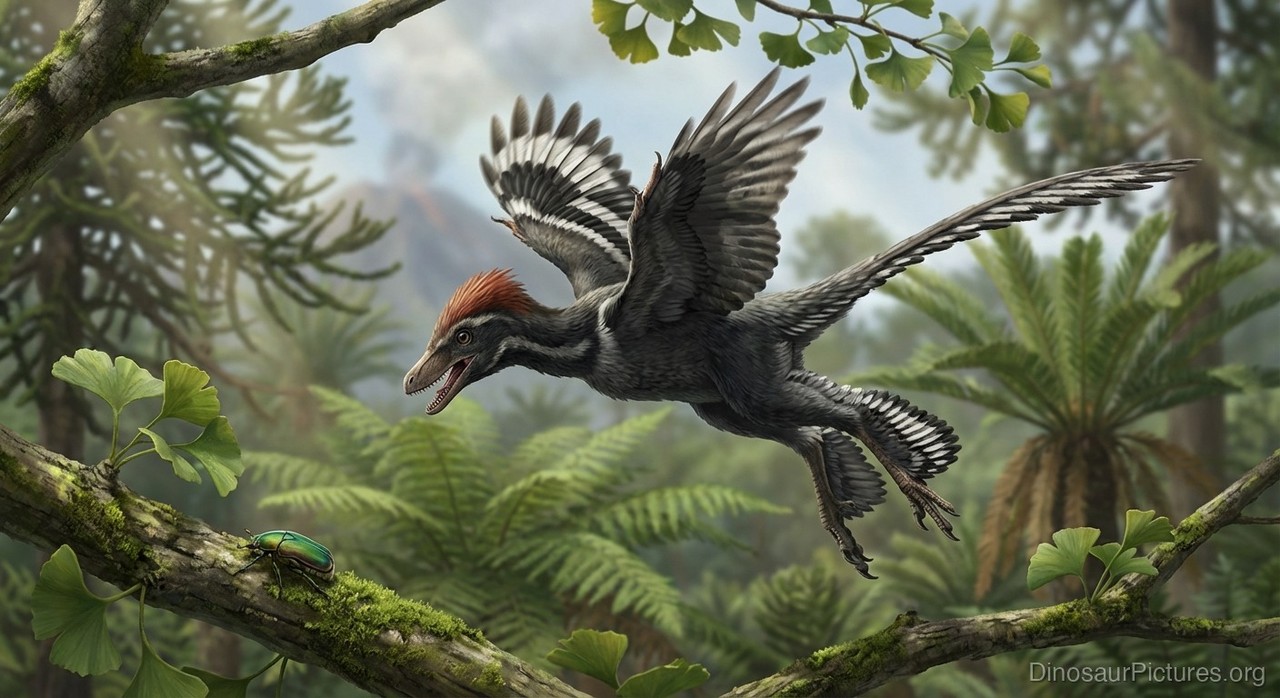
Length: 1 ft; Weight: 3.8 oz
When it lived: 160–155 MYA Jurassic Period
Found in: Asia (China)
It's the oldest soaring dinosaur that paleontologists have found so far. This chicken-sized dinosaur had a funky crest of orange feathers on its head. It also had downy, gray body feathers and long, black and white feathers on its arms, legs, and tail. It even had feathers on its feet! Its bright head crest probably helped it show off to mates, while its black and white feathers may have been used to dazzle predators, a bit like zebra stripes. It probably used its feathers for gliding. The curved claws on its feet that likely helped it climb trees.
Who is: Anchiornis!
300
The name means 'Argentina lizard'
Diet: herbivorous
Type of dinosaur: sauropod
When it lived:Late Cretaceous, 90 million years ago
Found in:Argentina
Length:35.0m
Weight:70000kg
one of the largest land animals ever found - it probably used its long neck to sweep the ground or to reach high up in search of vegetation.
Who is: Argentinosaurus!

300
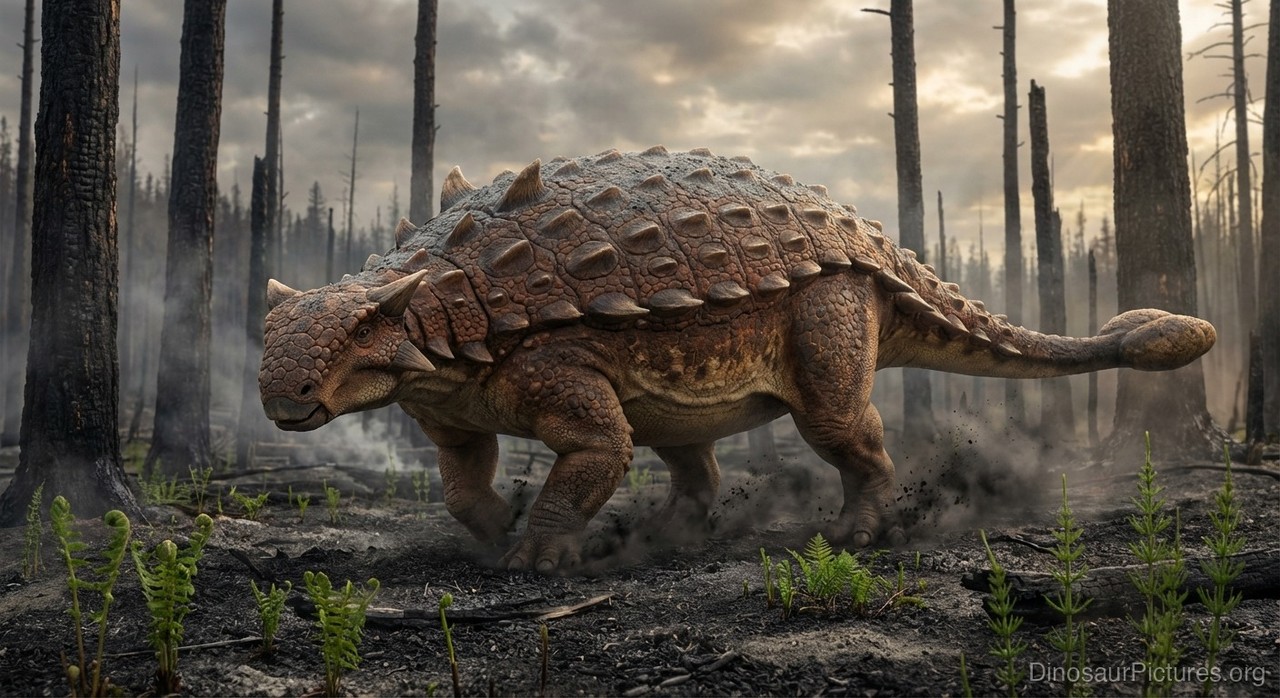
Diet: herbivorous - it had small teeth with a beak
Length: 26 feet
Weight: 17,637 lbs
When it lived:Late Cretaceous, 68–66 million years ago
Found in: Canada,USA
This armoured dinosaur had bony plates covering its body and a heavy club at the end of its tail. It probably used the club to defend itself against big predators. It could swing it powerfully from side to side - delivering devastating swipes to any would-be predators. Its brain was surrounded by a very strong skull, and horns and plates protected its vulnerable eyes.
Who is: Ankylosaurus!
400
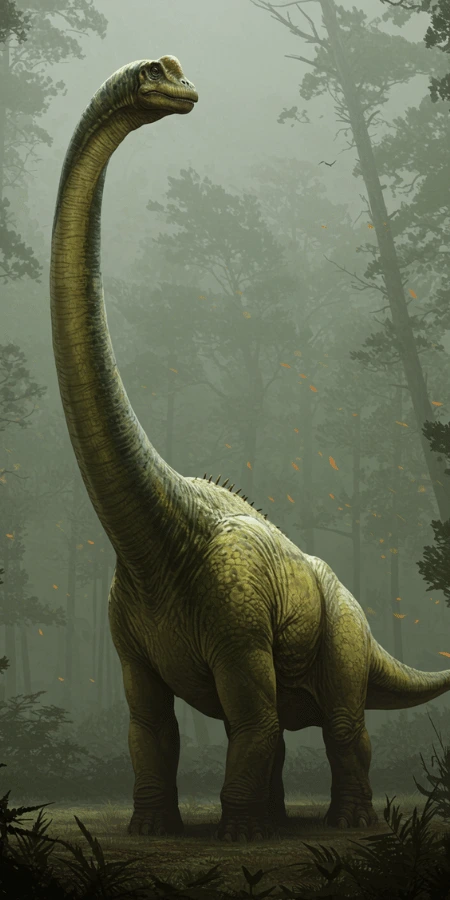
Named after Poseidon, the Greek god of earthquakes, this mighty dinosaur would have made the ground shake with its thunderous footsteps.
Type of dinosaur: Sauropod (included in the name)
Length: 98–112 ft
Height: 59–66 ft
Weight: 60–80 tons
When it lived: 110 MYA Cretaceous Period
Where it lived: North America
One of the last of the long-necked dinosaurs in North America, this supersized monster was tall enough to peer through a sixth-floor window. Its long neck helped it to snap up leaves high in the tree tops. To save energy, it would stand still and use its neck to move its head quickly from one tree to the next, munching nonstop. Its long neck was about 39 ft long, which is twice as tall as a giraffe. There were probably about 13 neck bones inside its stretched-out neck. (A giraffe has only seven neck bones.) Each neck bone is over 3 ft long and looks more like a tree trunk than a bone!
Who is Sauroposeidon!
400
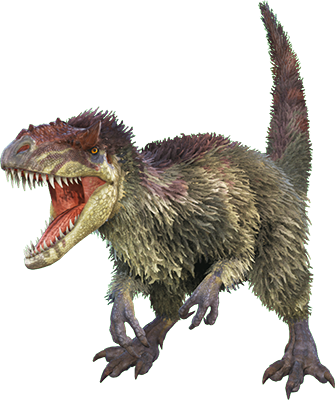
Its name means 'feathered tyrant'
Diet: carnivorous
When it lived:Early Cretaceous, 125 million years ago
Found in:China
Length:7.5m
Weight:1100kg
This was a large, meat-eating dinosaur from northern China. It was an early member of the tyrannosaur group. Many fossilised feather impressions were discovered along with this dinosaur's bones. This is the biggest dinosaur that we're certain had feathers. Many experts say that its feathers mean that later related dinosaurs, including Tyrannosaurus rex, probably had feathers too. But nobody knows for sure.
Who is: Yutyrannus!
400
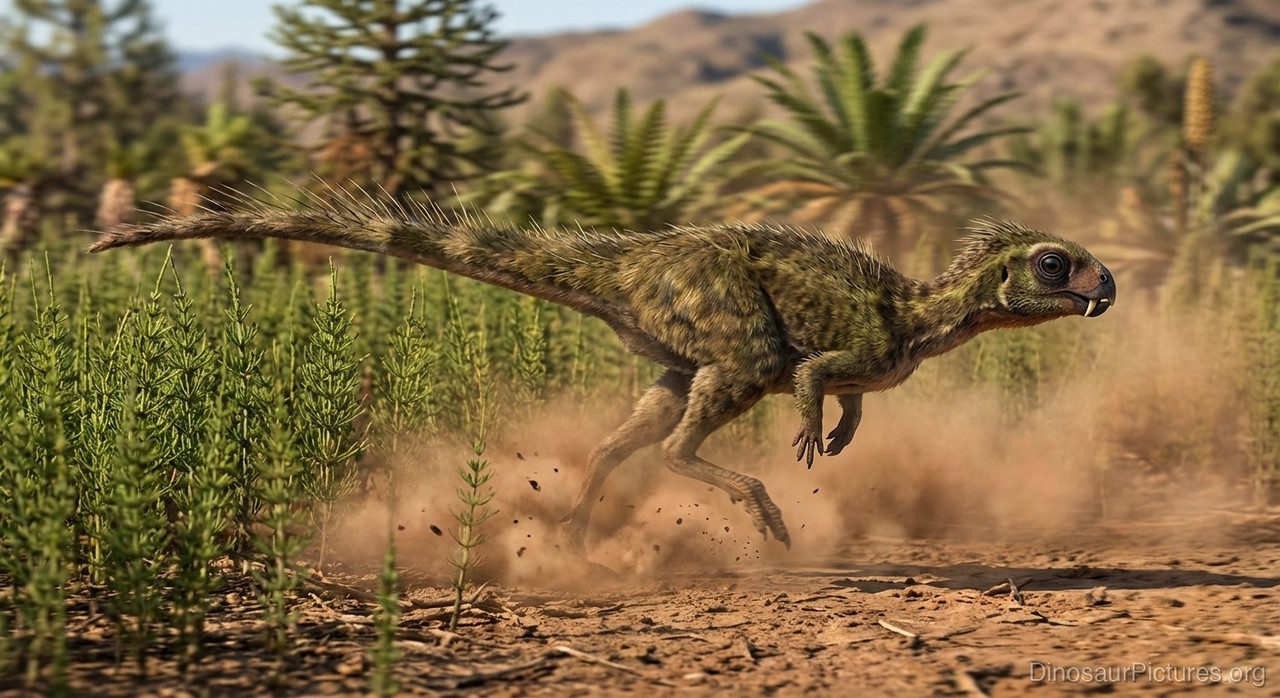
It was the size of a cat, with fangs like Dracula, a beak like a parrot, and a bristly back like a porcupine. The punky bristles on the head and back of this dinosaur may have been different colors, helping these dinosaurs to identify friends or attract mates. Although it had "fangs", it was, in fact, a veggie dinosaur. This is one of the smallest dinosaurs ever discovered, so it would have been vulnerable to attack by the fierce predators of the Jurassic world. But the tough bristles on its head and back would have made it look bigger than it really was and far less appetizing—after all, what predator wants an itchy, scratchy, fang-tastic snack? Its strong jaws and a stiff, parrotlike beak made cracking and crushing food easy for it.
Who is: Pegomastax!
400
This huge ancestor of Triceratops was named “titanic horn face,” after the Titans (a group of giant, immortal gods in Greek mythology). They had an enormous skull, which was 8 ft 6 in long.
Length: 22 ft; Weight: 7 tons
When it lived: 83–70 MYA Cretaceous Period
Found in: North America
Who is: Titanoceratops!
400
Diet: herbivorous
When it lived:Late Cretaceous, 84–71 million years ago
Found in:China
Length:12.0m
It weighed 3 tons. That’s about four times as heavy as a cow.
When scientists first discovered the fossilized bones of this dinosaur, they thought it had a tall bony spike sticking out of its forehead, so it soon became known as the “Unicorn dinosaur.” It's headgear might have looked like a shoehorn.
It had a beaked mouth and had hundreds of teeth lining the jaws behind its beak. It used its sharp beak to snip the leaves from plants, then chewed them to a mushy pulp with its teeth. When these teeth wore down with all the hard work of chomping and grinding, sharp new gnashers popped out to replace them.
Who is: Tsintaosaurus!

500

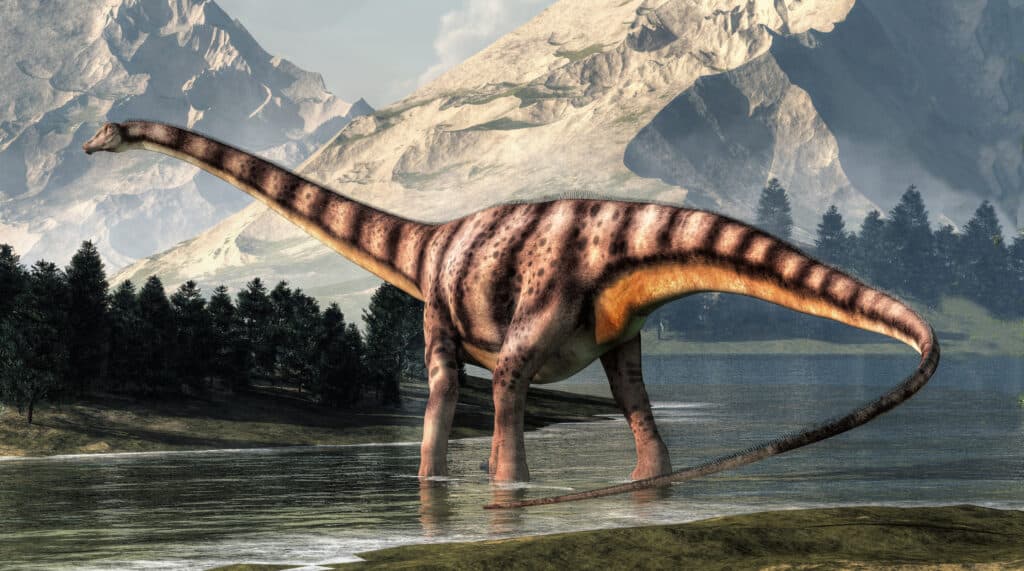
Type of dinosaur: sauropod
It was longer than a tennis court, but most of its extraordinary length was taken up by its super-long neck and even longer tail. Its neck contained 15 elongated bones, while its tail—which was longer than a school bus—contained about 80 bones. Its tail was held off the ground and helped to counterbalance the weight of its neck.
Fun fact: Scientists think it could whip its tail at supersonic speeds (faster than the speed of sound), producing booming sounds that signaled to friends or frightened off enemies.
Who is: Diplodocus!
500
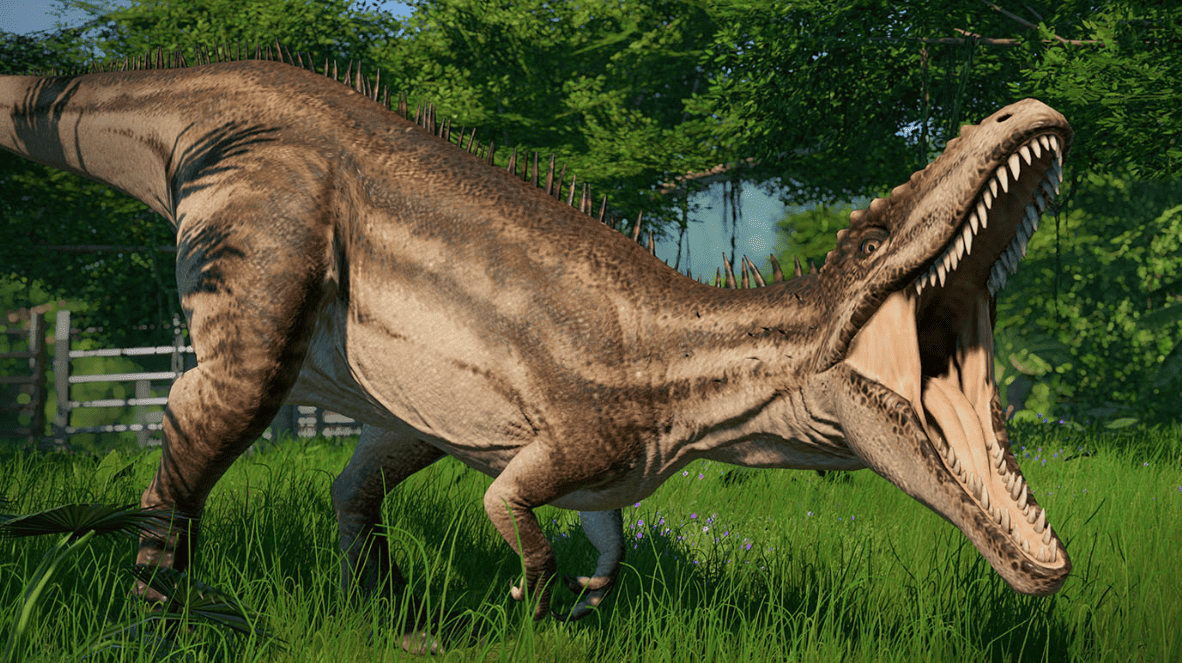
 A very large meat-eating dinosaur.
When it lived: Late Cretaceous, 99–94 million years ago
Found in:Algeria,Egypt,Morocco,North Africa
Length:12.5m
This dino was one big-headed dino. Its skull could measure just over 5 ft— that’s about the same length as a bathtub. Its teeth look a lot like shark teeth. Like Tyrannosaurus, it had about 60 of them.
It is named after Carcharodon, the scientific name for several types of shark - of which the great white shark is the only living example.
Carcharodontosaurus
500
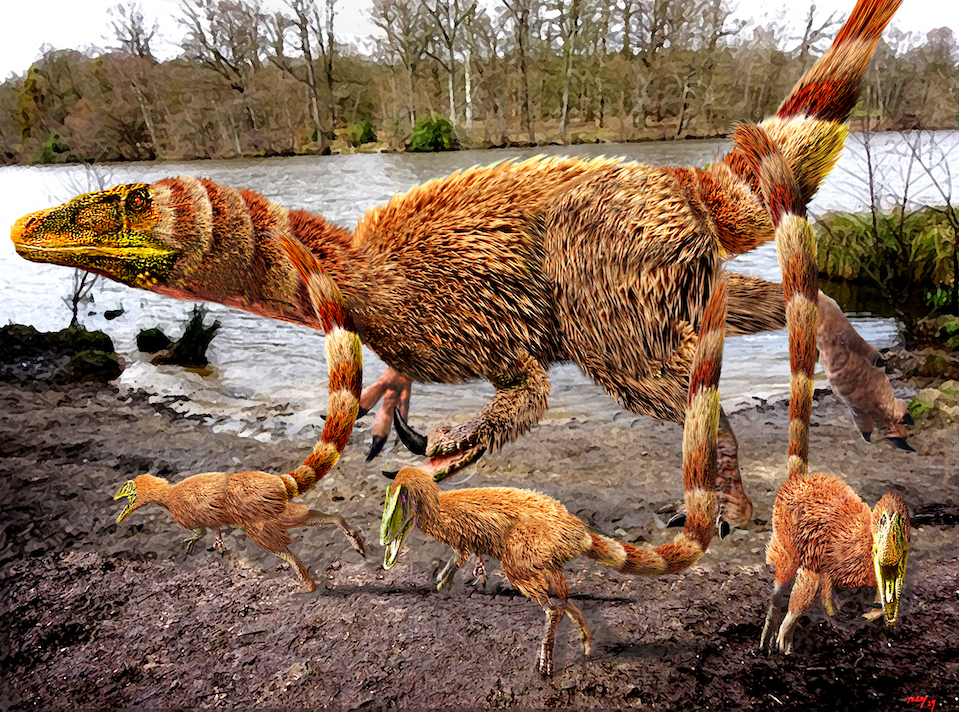
Name means 'Chinese lizard wing'
Diet:carnivorous
Length: 3 ft; Weight: 5 lbs 5 oz
When they lived: 122–120 MYA Cretaceous Period
Found in: Asia (China)
This dinosaur was reddish brown, covered in fuzzy feathers, and had a striped tail. From studying the traces of pigments left in fossils, scientists have discovered that this dinosaur was mostly a red-brown colour with alternating dark and light bands on its tail. These bands would have helped to camouflage the little dinosaur - kind of like zebra stripes.
Who is: Sinosauropteryx!
500
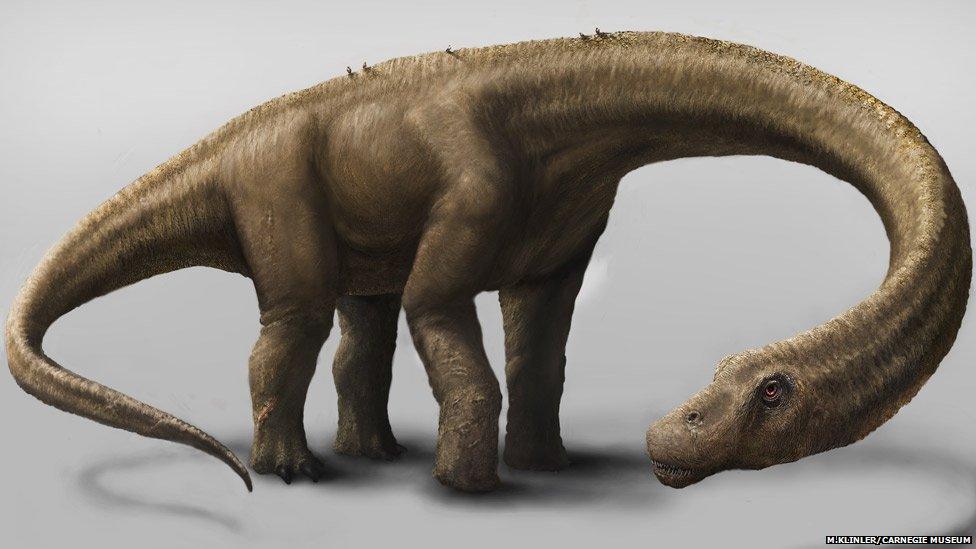
 a genus of large sauropod dinosaurs, one of the largest land animals that ever lived. It had a total length of roughly 26 meters (about 85 feet) and an estimated mass of 59 metric tons (about 65 tons). It is known from rock deposits of southern Patagonia, Argentina, that date to about 77 million years ago, during the Late Cretaceous Period (roughly 100 million to 66 million years ago).
It was a herbivore that stood 9 meters (30 feet) tall and likely used its 11-meter (37-foot) neck to reach leaves high up on trees in addition to other vegetation near the ground, reducing the dinosaur’s need to walk much. It may have used its long muscular tail to fend off potential predators.
Who is: Dreadnoughtus!
500
 The name means 'brave monitor lizard'
Diet:herbivorous
When it lived:Early Cretaceous, 115–100 million years ago
Found in:Niger
Length:7.0m
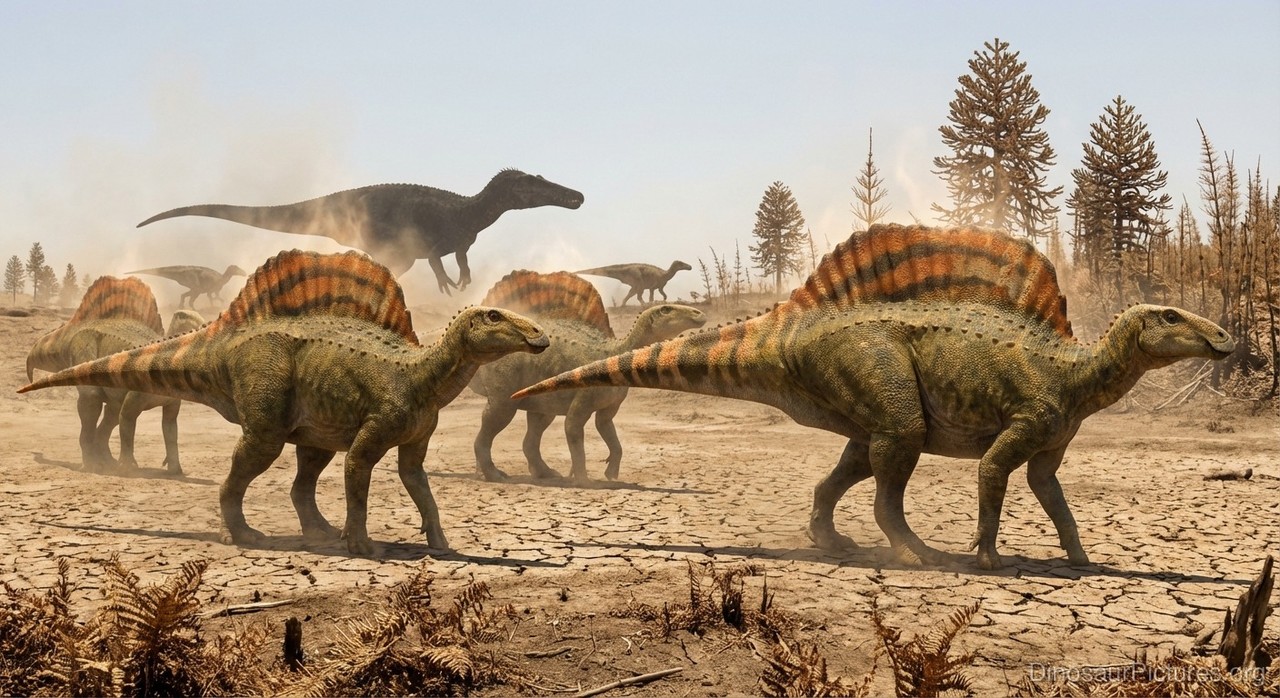
It had a big sail along its back and tail. The skin on it’s sail may have been brightly colored or even changed color, like a chameleon’s skin color changes today. It also had several other eye-catching features such as a thumb spike, a duck-like beak, and a long, flat head with two bony bumps in front of its eyes.
Who is: Ouranosaurus!