Day 1: Clinical skills, Vaccinations, and Histology
Day 2: DNA extraction
Day 3: Epidemiology and Ontario Science Center
Day 4: Radiation Therapy and Optometry
100
Q: Which orientation is the correct way to put on a stethoscope?


100
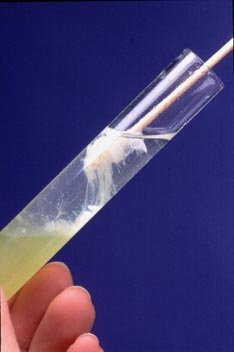
Q: What does DNA often look like after precipitation?
A: White, cloudy, stringy material.
100
Q: What does an Epidemiologist study?
A: How diseases spread
100
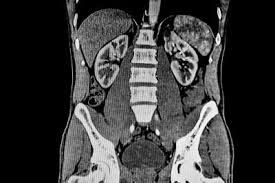
Q: High density organs would show up as what color in CT scans?
A: light (white)
200
Q: Approximately where should you hold the needle with the needle holder?
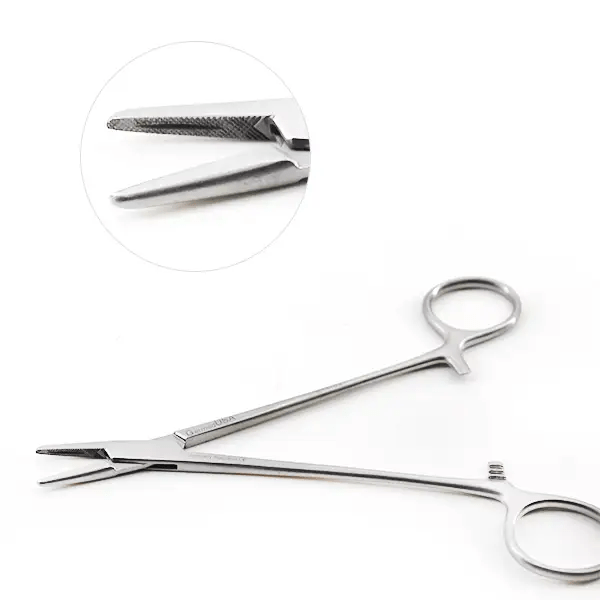
A: ⅔ of the way from the back of the tip
200
Q: Why should you not set a P20 to 50 µL?
A: 50 µL is outside the P20’s volume range
200
Q: What is the best way to stop the spread of many illnesses?
A: Washing your hands
200
Q: Name one Ontario school pathway listed for becoming a radiation therapist.
A: Michener with U of T, or Mohawk with McMaster.
300
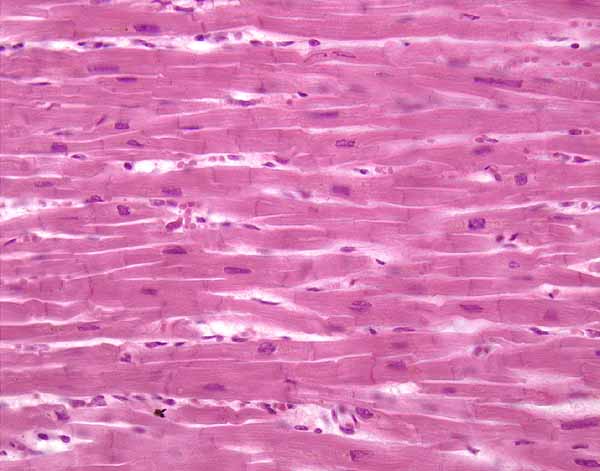
Q: What is the name of the structure component in cardiac muscle tissues to contract in synchronized waves?
A: intercalated discs
300
Q: Which stop is used to blow out the remaining liquid in the pipette when dispensing?
A: The second stop
300
Q:How was Vaseline invented by mistake?
A: Vaseline was invented by chemist who discovered petroleum jelly after observing oil rig workers in Titusville, Pennsylvania, using a gooey petroleum byproduct that they used to heal their cuts and burns
300
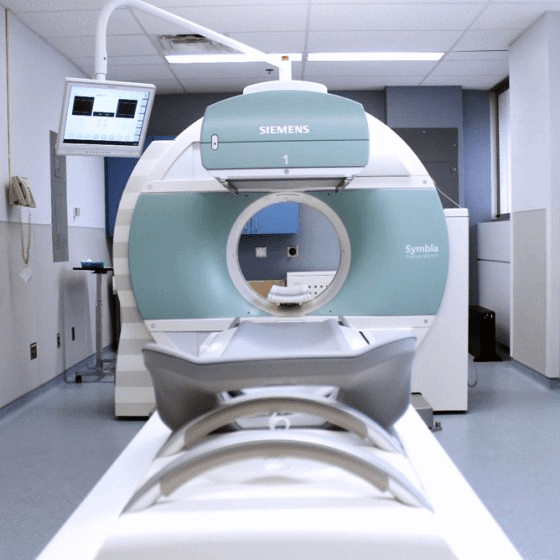
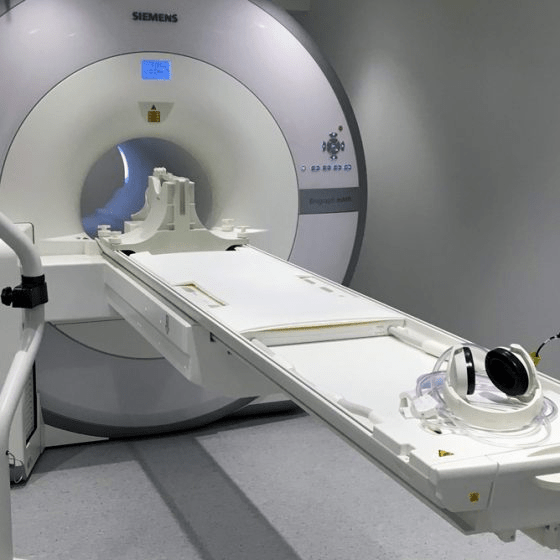
Q: Which image is an MRI machine? (also provide reasoning)
A: the right (because MRI machine requires ear protection since it is loud)
400
Q: What are the two types of viruses? What is the main structural difference between them, and which of them are resistant to detergent (dish washing soap)?
400
Q: Why does DNA move through an electric field?
A: DNA is negatively charged.
400
Q: Why does a crowded room increase disease spread?
A: Closer contact allows germs to spread more easily
400
Q: What does 20/20 vision mean?
A: You can see at 20 feet what a person with normal vision can see at 20 feet.
500
Q: How would you classify the epithelial tissue below?
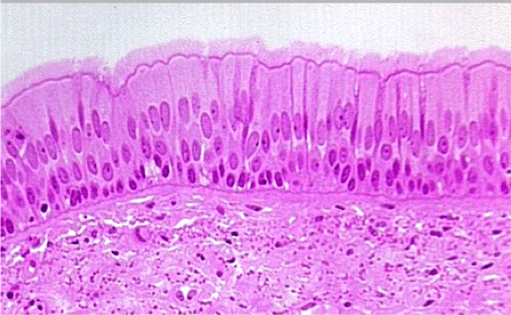
A: Columnar pseudostratified
500
Q: Are DNA bands close to the wells generally larger or smaller fragments?
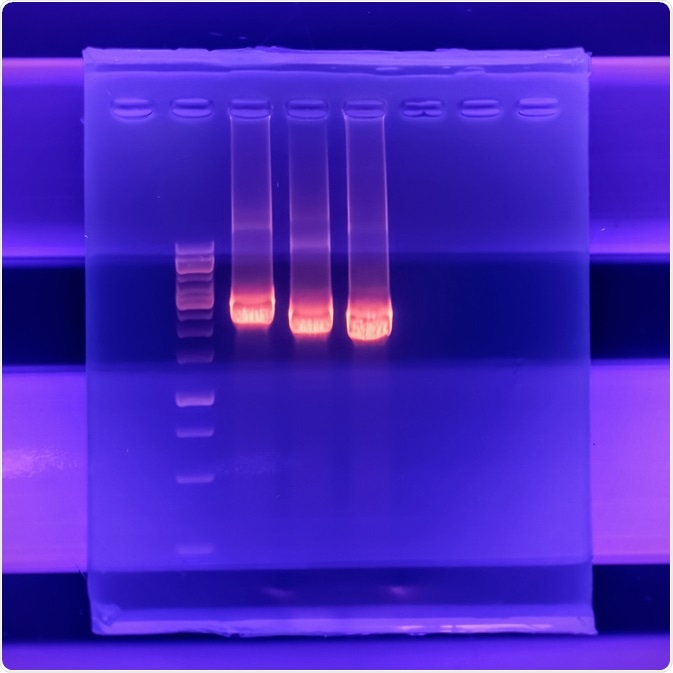
A: Larger fragments
500
Q: Hand sanitizer works best if it contains at least __% of alcohol
A: 60%
500
Q: Why do we have a blind spot?
A: Because the optic nerve leaves the eye at a spot with no light receptors.
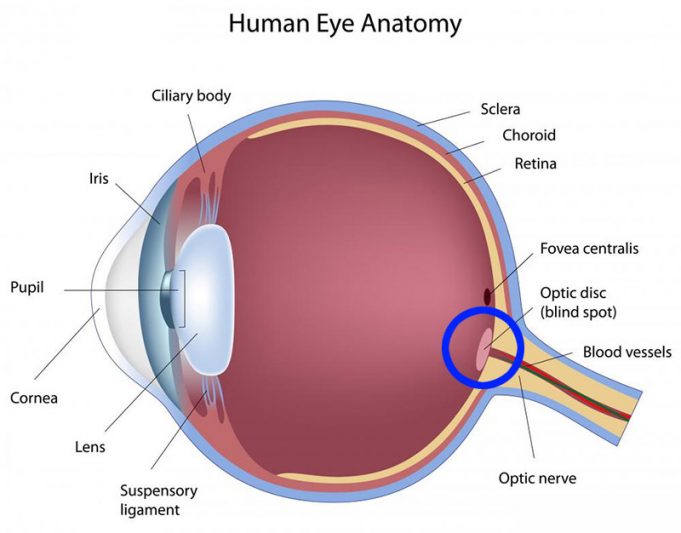
600
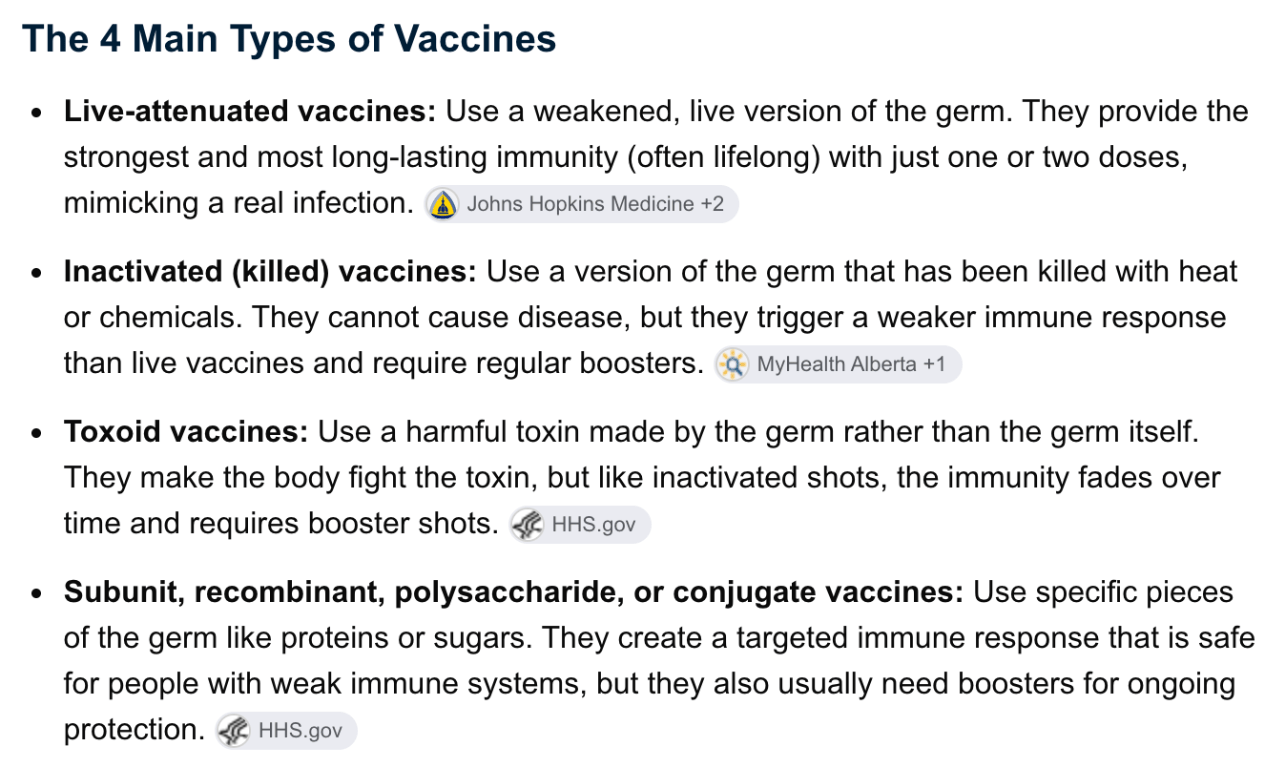
Q: There are 4 types of vaccines: live-attenuated, inactivated, subunit/conjugate, and toxoid vaccines.
Explain each type of vaccine, and which of these elicit the greatest immunity longevity of protection against pathogens
600
Q: Your smallest DNA bands disappeared after a very long electrophoresis run. Where did they likely go?
A: They ran off the end of the gel.
600
Q: If several people at the same school become sick around the same time, who usually investigates first?
A: The local public health department
600
Q: What eye disease slowly reduces side vision?
A: Glaucoma