Help, my liver is failing
Gene-ius Potpourri
Bili Bonus
End Stage, Get Paged
LFT-palooza
100
A rare, life-threatening condition of rapidly deteriorating liver function characterized by coagulation abnormality (usually INR ≥ 1.5) and any degree of mental alteration (encephalopathy) in a patient without preexisting liver disease.
What is acute liver failure?
100
Genetic condition that causes increased risk of developing early-onset emphysema, liver disease, panniculitis, and vasculitis.
What is Alpha-1 antitrypsin (AAT) deficiency?
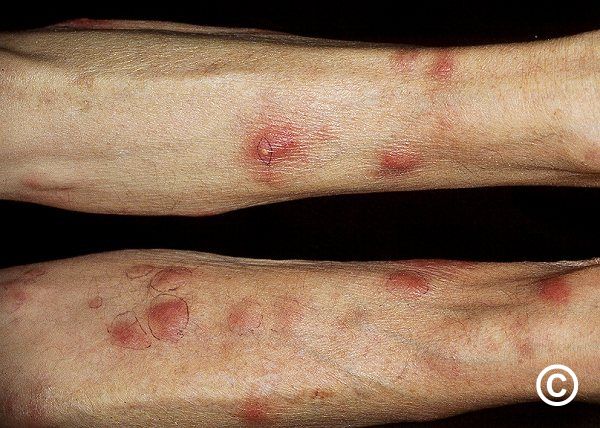
(Panniculitis)
100
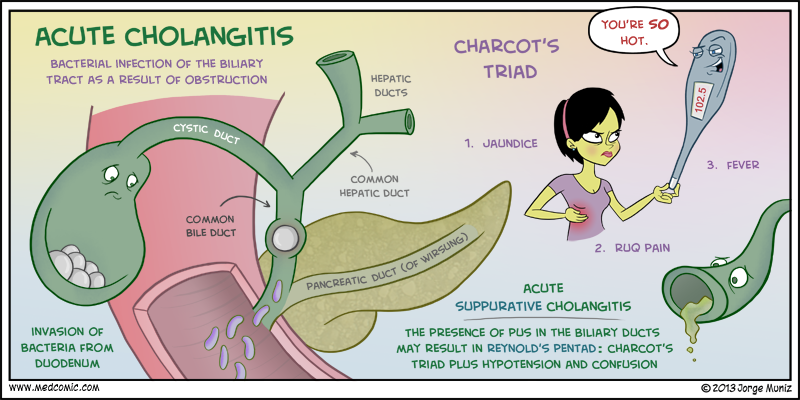
A symptom triad consisting of fever, jaundice and RUQ pain used to diagnose this condition.
What is acute cholangitis?
100
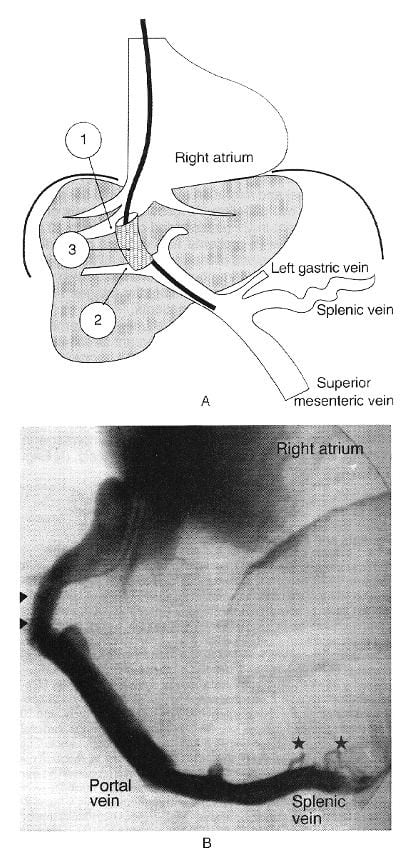
Procedure performed to decrease portal hypertension (hepatic venous pressure gradient >5 mmHg).
What is TIPS (transjugular intrahepatic portosystemic stent) procedure?
100
This liver function test is the most specific marker of hepatocellular cell injury.
What is ALT?
(AST is present in liver, cardiac muscle, skeletal muscle, kidney, and brain while ALT is present primarily in the liver)
200
Drug-induced liver injury caused by this medication accounts for about 50% cases of acute liver failure in North America.
What is acetaminophen?
200
A benign inherited liver disorder that affects an enzyme involved in the glucuronidation pathway, reducing the liver's ability to process and excrete bilirubin.
What is Gilbert syndrome?
200
Treatment of choice for acute cholecystitis which should ideally be performed within 24-72 hours of diagnosis.
What is (early) cholecystectomy?
200
Diagnosis is confirmed with ascitic fluid polymorphonuclear (PMN) count >250 cells/mm.
What is SBP (Spontaneous Bacterial Peritonitis)?
200
Lab marker that is often elevated in third trimester of pregnancy due to placental production.
What is alkaline phosphatase?
300
Scoring system used to assess prognosis in patients with ALF and predict need for liver transplant.
What is the MELD (Model for End-stage Liver Disease) score?
300
Genetic syndrome suspected in neonates with jaundice lasting ≥ 3 weeks due to unconjugated hyperbilirubinemia.
What is Crigler-Najjar syndrome?
300
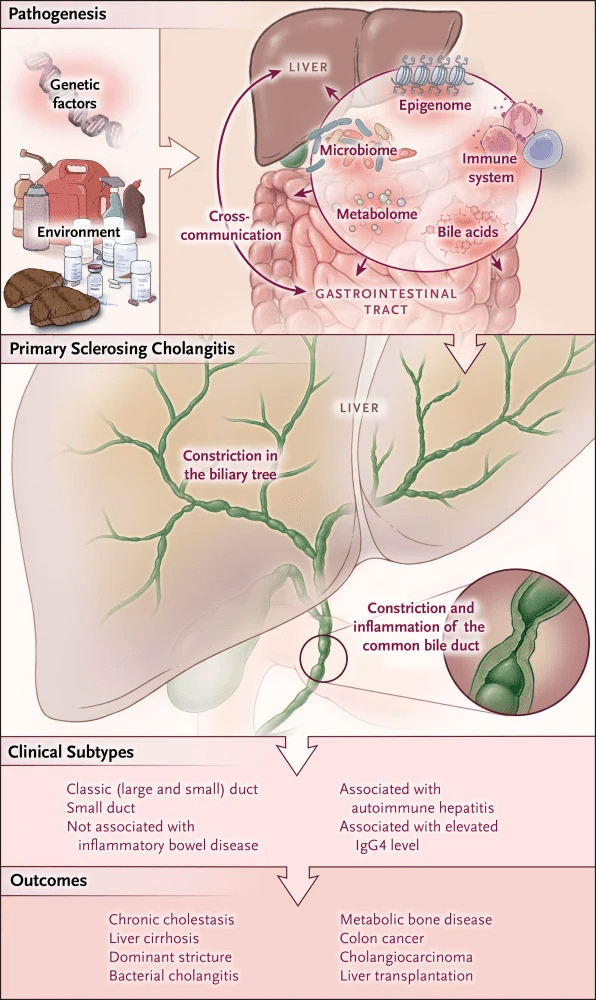
Chronic cholestatic liver disease with characteristic beaded appearance of biliary ducts with alternating fibrotic strictures and upstream dilatation of intrahepatic and extrahepatic biliary ducts.
What is PSC (Primary Sclerosing Cholangitis)?
300
Administered via IV following large volume paracentesis to decrease risk of renal and circulatory dysfunction due to fluid shifts.
What is albumin?
300
Lab marker that is obtained to confirm liver origin of elevated alkaline phosphatase or to confirm suspicion of alcohol related liver injury.
What is GGT?
400
1-year survival rate (in percentage) in patients with acute liver failure following emergency liver transplant.
What is 80%?
400
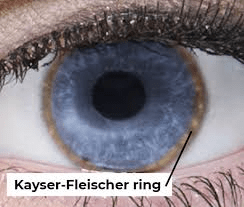
Copper deposits within the cornea best seen by slit lamp exam in patients with Wilson disease (also at risk for liver disease).
What are Kayser-Fleischer rings?
400
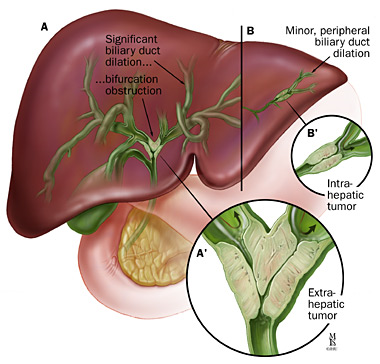
Type of invasive carcinoma that arises in the bile duct epithelum.
What is cholangiocarcinoma?
400
First line IV antibiotic for patients with cirrhosis and upper GI bleed to decrease risk of SBP (spontaneous bacterial peritonitis).
What is IV ceftriaxone?
400
This serum marker is synthesized in the liver but due its long half life (21 days) may not be affected in acute liver injury.
What is albumin?
500
Metabolic abnormality that can help differentiate acute fatty liver of pregnancy from HELLP syndrome.
What is hypoglycemia?
500
Clinical diagnosis in patients having a transferrin saturation of >45% and/or a ferritin level that is above the upper limit of normal at risk for liver disease.
What is hemochromatosis?
500
They are the two ducts that connect the liver to the gall bladder.
What are the common hepatic duct and the cystic duct?
500
The components of the MELD 3.0 score.
What are INR, creatinine, bilirubin and serum sodium and albumin?
500
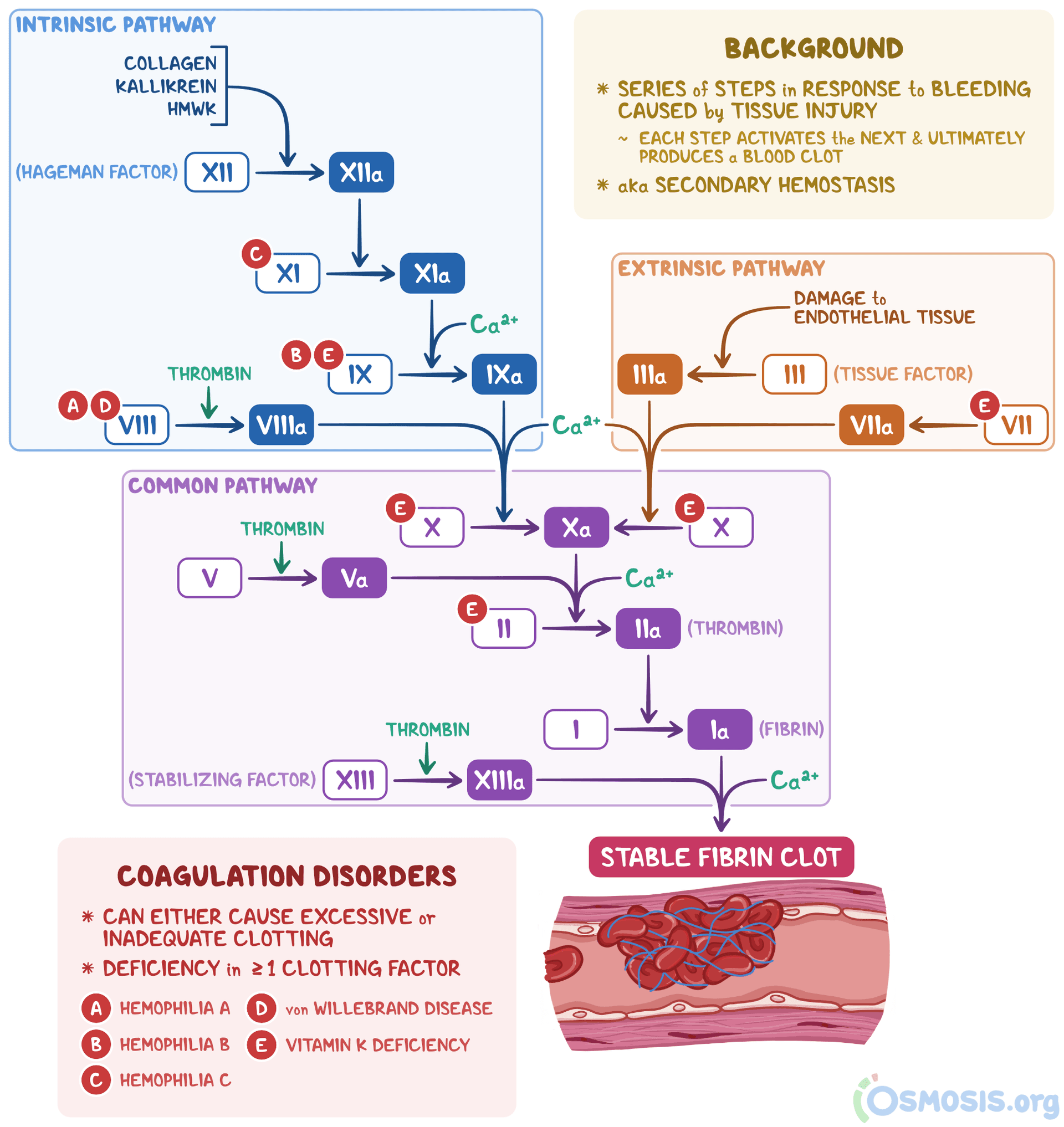
These three tests are commonly used to assess hemostasis in patients with liver dysfunction.
What are platelets, PT/INR and PTT?
PT/INR = Prothrombin Time (PT) and International Normalized Ratio (INR) measures functional status of extrinsic coagulation pathway
PTT = Partial Thromboplastin Time measures functional status of intrinsic coagulation pathway