Camera angles/techniques
Shot Types
Symbolic Codes
Technical Codes
Audio
100
This is the most commonly used angle in film and television, often used to show a familiar viewpoint.
What is an eye level shot?
100
This shot looks directly downwards from the sky.
What is a birds eye view? (Points also for: Top shot, arial, crane)
100
This is a word for an object used in a scene.
What is a prop?
100
This type of cut removes a section of a continuous shot to move ahead in the footage, and is utilised often on social media.
Jump cut
100
This term refers to music that is placed at the end of moving image or audio media to signify that it is ending/has ended.
What is an outro? (Points also for: Ending theme)
200
This angle is used to make a character look small or weak, either in general or in comparison to something bigger/stronger.
What is a high angle?
200
What shot type is being used in the image? 
What is an extreme long shot? (Points also for: Establishing shot, as this ELS is also being used to establish the setting)
200
This symbolic code refers to the use of clothing and makeup.
What is a costume?
200
Lots of quick cuts to put together related images or videos in a short amount of time.
What is a montage?
200
The use of a song or sound to refer to a particular thing. Eg; a character, event, show, or action.
What is a theme?
300
This video style is most often used in horror and action films, and features unsteady camera movements that directly follow character perspectives and movements.
What is handheld? (points also given for: shaky cam, found footage, handicam/camcorder)
300
This shot type is usually used in dialogue to show one character speaking, while showing part of the other character's back.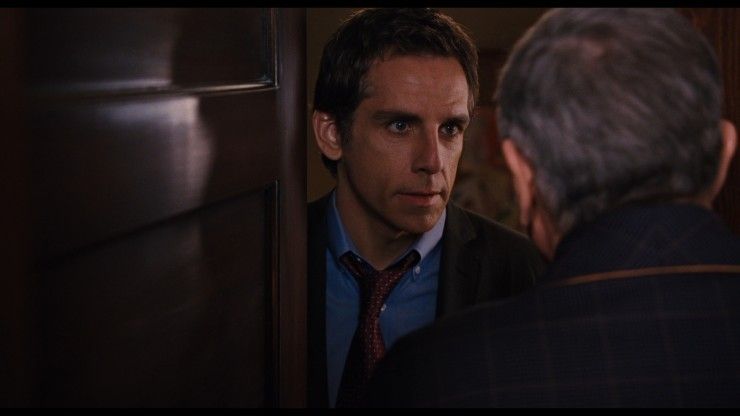
What is an OTS (over the shoulder) shot?
300
These colours are often used in lighting to represent positive and comforting feelings, or to bring something to the viewers attention.
What are warm colours? (Points also for: orange, red, pink, and yellow)
300
This is what CGI stands for.
What is computer generated imagery?
300
This music is made especially for a film to create it's soundtrack.
What is a movie score?
400
The camera angle/lens/type shown in the image is characterised by tilting the camera to the side, often used to make the audience feel uncomfortable or uneasy.
What is a dutch tilt? (Points also for: Canted/oblique, German tilt)
400
This type of shot is added to the middle a sequence to redirect the audience's attention. (It is often a close up or a small detail.)
What is an insert shot? (Points also for: Cut away shot)
400
Actors use this to convey characters' personalities or emotions through physical movements.
What is body language? (Half points: Acting)
400
This term refers to how a change between shots is edited.
What is a transition?
400
This word refers to when a microphone reaches its limits (often making crackling or other unexpected noises) due to high pitched or loud input.
What is peaking? (Also points for: Clipping, crunch, overload)
500
This camera movement follows a moving object or character smoothly.
What is a tracking shot? (Points also for: Dolly)
500
This type of shot moves in a 360 degree circle around the subject.
What is an orbital shot?
500
This word describes how everything in a shot is placed together for filming.
What is composition? (Points also for: Positioning, framing, mise en scene)
500
These terms refer to whether the audio in a film can be heard by the characters or not.
What is diagetic OR non-diagetic?
500
This refers to how a filming or recording location sounds without anyone moving or speaking, and is often recorded to use for sound editing later.
What is room noise?