Turkey Makes Me Sleep
Eat Your Vegetables
Pie See You
Potent Potables
Family Photos
100
The projections of the locus ceruleus release this neurotransmitter, and binds to these receptors
Norepinephrine; alpha 1, alpha 2, beta 1
100
What structure is H?

Oculomotor nerve
100
This cranial nerve is the most medial in the cavernous sinus
CN VI
100
Aggressive variants of this lesion are generally treated by this modality

Radiation
100
Condition that has this inheritance pattern

Sporadic
200
The raphe nucleus is located here
Ponto-medullary junction
200
What nerve functions synapse in B?

NONE (geniculate ganglion, pseudounipolar cell bodies)
200
Monocular double vision is most commonly caused by this broad category of visual disturbances
Refractive errors
200
What is the most likely finding on a head CT?

Basal cistern subarachnoid hemorrhage
200
What non-neuroradiologic exam should also be ordered?

Echocardiogram
300
A GABA-B agonist used in the treatment of spasticity will have these overdose symptoms with regard to GI systems
vomiting, diarrhea
300
What symptoms would be exhibited in this condition?

Ataxia, proprioception loss (Friedreich's Ataxia)
300
Diabetic third nerve palsy commonly spares this component of the eye
Pupil
300
A fluctuant scalp mass 3 months post trauma in a child is concerning for what pathology
Leptomeningeal cyst (growing fracture)
300


Pilocytic Astrocytoma
400
Barbiturates have this effect on the effector Cl- channel
Increased duration of opening
400
Pneumatization of this cavity is generally completed by this age
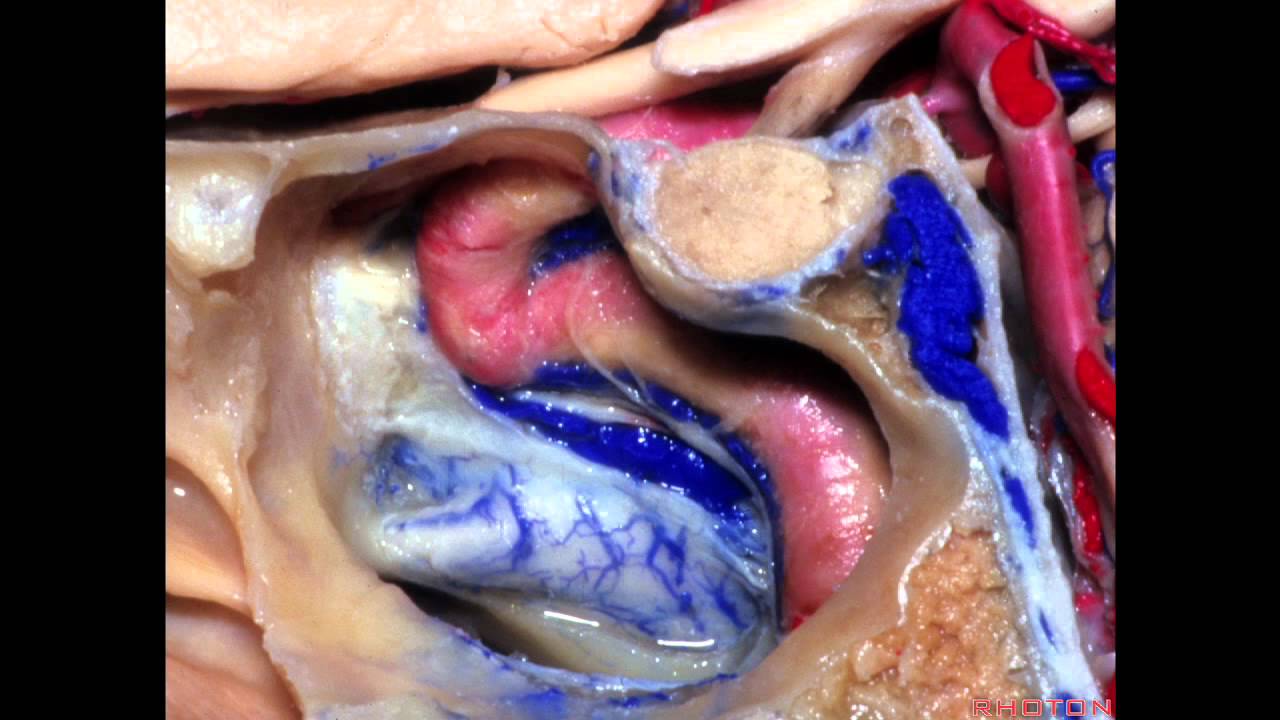
14
400
A unilateral lesion of this nucleus causes bilateral gaze palsies
Abducens nucleus
400
What protein is likely affected by this condition in a child with seizures?

hamartin; Tuberous Sclerosis (Chromosome 9)
400
Calcification occurs in these WHO Grade ____ tumors _____ (percentage) of the time


Grade 1; 30%
500
This heavy metal causes cardiomyopathy, liver failure, and skin color changes
Iron
500
Which cerebellar peduncle can NOT be seen from a 4th ventricular approach?

Middle (brachium pontis)
500
Axons of these cells compose the optic nerve
Ganglion cells
500
An autosomal dominant syndrome that most commonly presents with epistaxis
Hereditary hemorrhagic telangiectasia (Osler Weber Rendu)
500
Given gross total resection, this is the most likely factor that contributes to recurrence


Histologic subtype (cellular 25% vs. reticular 8%)