Subjective Data
So Sensitive
Inspection, Percussion, Assessment
Bit of a mix
All about the transmitters
100
List five subjective data history questions for the abdomen
What is appetitive, dysphagia, food intolerance, abdominal pain, nausea/vomiting, bowel habits, past abdominal history, medications and nutritional assessment?
100
Name 5 somatosensory modalities
What is light, touch, pressure, pain, temperature, vibration, proprioception?
100
Name four things you inspect of the abdomen
What is
• Contour of abdomen
• Round, flat, protuberant, scaphoid
• Scars and/or striae
• Engorged veins
• Visible peristalsis
• Visible pulsation
• Hair Distribution
• Evidence of hernia
100
Name two possible differential diagnosis when pt c/o dysphagia and/or difficult swallowing solid foods
What is esophageal stricture, webbing or narrowing (Schantzki ring) and neoplasm?
100
Name three major neurotransmitters
What is
• Acetylcholine
• Glutamate
• Gamma-aminobutyric acid (GABA)
• Serotonin
• Dopamine
• Norepinephrine
200
List two subjective follow up questions for a patient regarding their appetite
What is recent weight loss, an increase or decrease, and eating the same amount?
200
Name 5 parts of a medical workup for mood disorders
What is
• Thyroid profile, especially TSH and free T4
• B12, Folate (nutritional deficiencies)
• CBC (anemia)
• Complete metabolic panel: electrolytes, Renal/ LFT; glucose
• UA in elderly (UTI causing symptoms)
• UDS (drugs mimic depression)
• RPR, may be useful if risks of syphilis in history
• EKG, may be useful, especially if considering certain medications or if strong family history of cardiovascular problems.
200
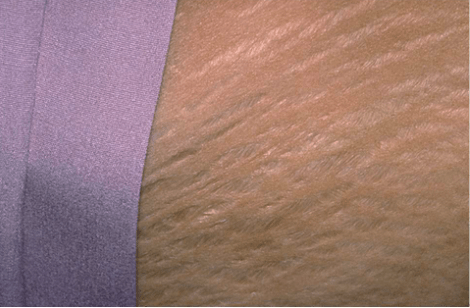
What is striae?
200
Name two possible differential diagnosis for a pt c/o abd pain located suprapubic
What is Bladder infection, Constipation, Bladder cancer and Prostatitis?
200
Impacts mood disorders, anxiety disorders, and other disorders
What is GAMMA-AMINOBUTYRIC ACID (GABA)?
300
List three subjective follow up questions for a patient complaining of dysphagia
What is
How long has this been occurring?
Does this occur with a certain type of food?
Have you had this in the past?
If you had in the past, did anything help it?
How does it feel?
300
Damage to this can lead to hyperphagia, obesity, anorexia
What is hypothalamus?
300
Name two specific types of hernias
What are ventral hernias (defects in abdominal wall), prior surgery (incisional), and spontaneously (epigastric, umbilical, femoral and inguinal)
300
Type of inhibitors used to treat myasthenia gravis
What are cholinesterase inhibitors
400
List three subjective follow up questions for a patient complaining of abdominal pain
What is where does it hurt, how long, describe the pain (burning, stabbing, cramping), does it keep you awake or awaken you from sleep, severity?
400
Damage to this can cause the patient to have a decreased ability to determine fear from anger, recognize happiness or sadness
What is amygdala?
400
Exam performed when pt presents with RUQ pain suspicious for acute cholecystitis but does not have any tenderness on palpation in the RUQ and describe how to perform
What is Murphy sign and hook your fingers of your right hand under the costal margin, ask patient to take a deep breath and tenderness with a sudden stop in inspiratory effort is a positive sign?
400
Pt presents with jaundice, name 1 extraheptic and 1 intraheptic possible differential diagnosis
What is
Extrahepatic
• Biliary obstruction
Intrahepatic
• Viral hepatitis
• Alcoholic hepatitis
• Drugs
• Sepsis
• Malignancy
• Sickle Cell
400
Decrease of this neurotransmitter can result in muscular rigidity or Parkinson's
What is dopamine?
500
List one subjective follow up questions for a patient for food intolerance and possible diagnosis
What is does this worsen with certain foods, after eating dairy running to bathroom (lactose intolerant), RUQ pain after fried foods (gallstones), and regurgitation with spicy foods (acid reflux/GERD)?
500
Name the 4 lobes of the brain and their function
What is frontal lobe (responsible for thinking, reasoning, planning and problem solving), parietal lobes (receives and identifies sensory information, sensory taste, touch, movements from body/awareness, reading, calculation), occipital lobes (interprets visual images, association, memories, involved with language formation), and temporal lobe (language comprehension, memory, connects w limbic to allow expressions of emotions, perception and interpretation of sound)
500
Name the exam being performed and if enlarged cause of enlargement
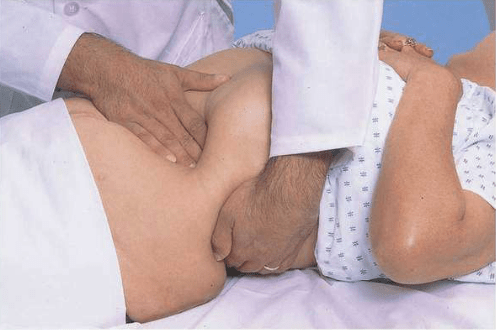
What is palpating spleen and portal hypertension, hematologic malignancies, HIV infection, infiltrative diseases like amyloidosis, and splenic infarct or hematoma?
500
Possible diagnosis for pt presents with severe peri umbilical pain migrating to RLQ and one exam you would perform
What is acute appendicitis and testing for McBurney's Point, psoas, obturator, rovsing?
500
SSRIs block uptake of this to treat depression
What is serotonin?