Pediatric Assessment Triangle Triangle
Resp. Emergencies
Shock & Fluid Resus.
Medical & Neuro.
Trauma & Special
100
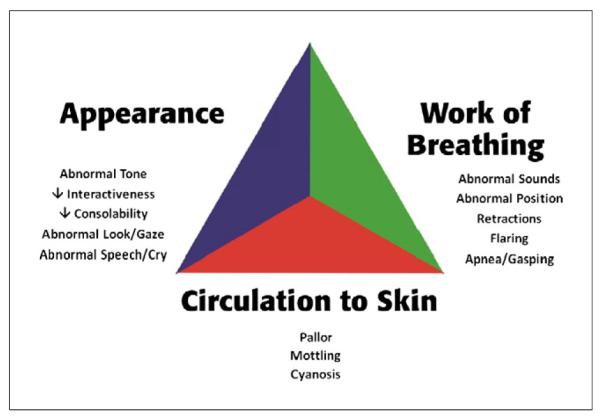
The three distinct visual and auditory components evaluated from across the room using the PAT.
What are Appearance, Work of Breathing, and Circulation to Skin?
100
A high-pitched, inspiratory sound signifying an upper airway obstruction, commonly associated with croup or foreign body airway obstructions.
What is stridor?
100
The most common underlying etiology of shock in the global pediatric population.
What is hypovolemic shock? (Accept: Dehydration or severe vomiting/diarrhea).
100
This type of pediatric seizure is triggered by a rapid spike in core body temperature and is typically benign if generalized and lasting under 15 minutes.
What is a febrile seizure?
100
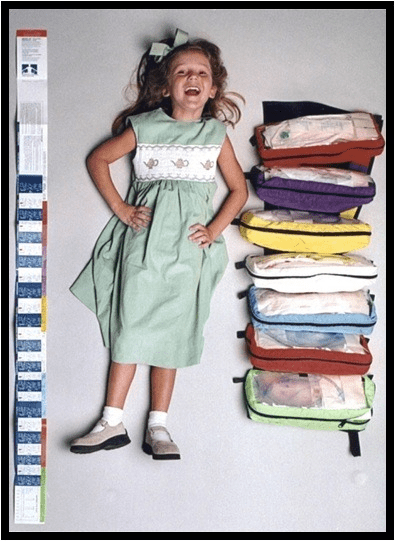
This special, color-coded length-based tape is widely used in emergency care to rapidly estimate a pediatric patient's weight, equipment sizes, and drug dosages.
What is the Broselow Tape? (Accept: Pedi-Sleeve)
200
This specific component of the PAT provides the EMT with an immediate window into the child's overall oxygenation, ventilation, brain perfusion, and central nervous system function.
What is Appearance?
200
This musical, expiratory adventitious breath sound is caused by lower airway bronchoconstriction, frequently seen in pediatric asthma and bronchiolitis.
What is wheezing?
200
This sign is considered a very late, ominous indicator of shock in pediatric patients because their strong compensatory mechanisms maintain it until 25% to 30% of blood volume is depleted.
What is hypotension?
200
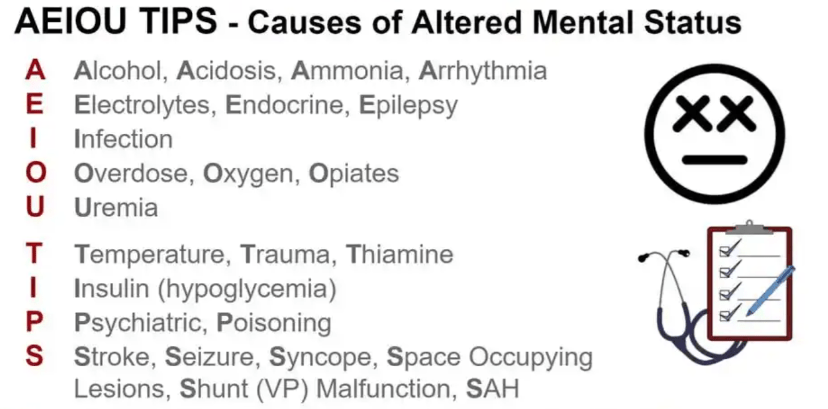
In the pediatric mnemonic "AEIOU TIPS" for altered mental status, the letter "I" reminds EMTs to thoroughly evaluate for these two distinct issues.
What are Insulin (Hypoglycemia) and Infection?
200
Because a child's head is proportionally larger and heavier than their body, it acts as a fulcrum during acceleration/deceleration injuries, making them highly susceptible to this type of trauma.
What is head trauma? (Accept: Traumatic Brain Injury).
300
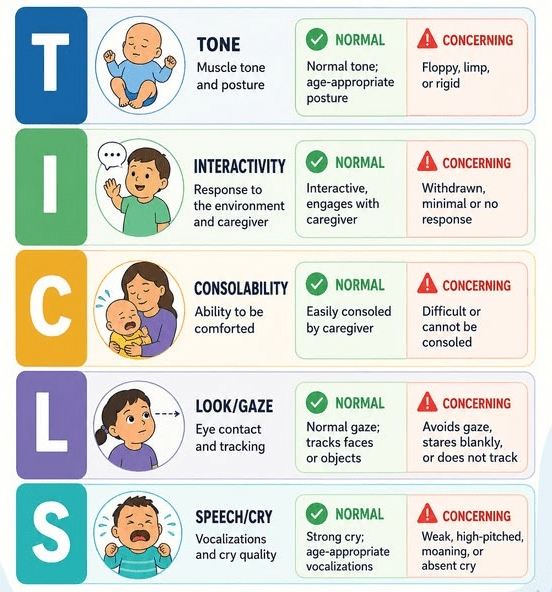
The letters in the "TICLS" mnemonic used to thoroughly evaluate a pediatric patient's initial appearance.
What are Tone, Interactivity, Consolability, Look (or Gaze), and Speech (or Cry)?
300
Because infants are obligate nose breathers until about 4 to 6 months of age, this simple BLS intervention can drastically reduce their respiratory distress.
What is nasal suctioning? (Accept: Suctioning the nares with a bulb syringe).
300
NAEMT EPC curriculum utilizes this calculation to estimate the lower limit of a acceptable systolic blood pressure (hypotension threshold) for a child aged 1 to 10 years.
What is 70 + (2 × age in years)?
300
Unlike adults, a pediatric patient experiencing severe hypoxia or respiratory failure will often exhibit this dangerous cardiac rhythm change rather than tachycardia.
What is bradycardia?
300
When immobilizing a pediatric patient on a standard rigid spine board, this physical modification must be placed under the shoulders to maintain neutral cervical alignment.
What is padding?
400
According to the PAT, a child exhibiting isolated abnormal "Circulation to Skin" (e.g., mottling or pallor) while work of breathing and appearance remain normal is likely in this early physiologic state.
What is compensated shock?
400
The targeted ventilation rate when assisting a pediatric patient in respiratory failure with a Bag-Valve-Mask (BVM), measured in breaths per minute.
What is 20 to 30 breaths per minute? (Accept: 1 breath every 2 to 3 seconds).
400
A delayed capillary refill time is universally considered abnormal in pediatric emergency care if it exceeds this many seconds.
What is 2 seconds?
400
The minimum blood glucose level threshold below which a neonate (less than 28 days old) is strictly considered hypoglycemic.
What is 40 mg/dL? (Accept: Under 45 mg/dL).
400
Internal abdominal organs in pediatric patients are more vulnerable to blunt force trauma because of these two distinct anatomical variations.
What are a thinner/less developed abdominal wall and more anteriorly located/unprotected organs?
500
An abnormal appearance paired with a normal work of breathing and normal skin circulation typically indicates this specific type of pediatric emergency.
What is a primary central nervous system (CNS) or metabolic dysfunction? (Accept: Toxic ingestion, postictal state).
500
When performing a pediatric airway assessment, this anatomical structure is noted to be proportionally larger and more posterior than an adult's, making it the most common cause of airway obstruction.
What is the tongue?
500
For an AEMT, this is the standard volume calculation for a single fluid bolus of Isotonic Crystalloid (Normal Saline or Lactated Ringer's) in a pediatric patient experiencing hypovolemic shock.
What is 20 mL/kg?
500
This specific, late-stage physical finding in a pediatric patient with increased intracranial pressure (ICP) involves a triad of bradycardia, irregular respirations, and systemic hypertension
What is Cushing's triad?
500
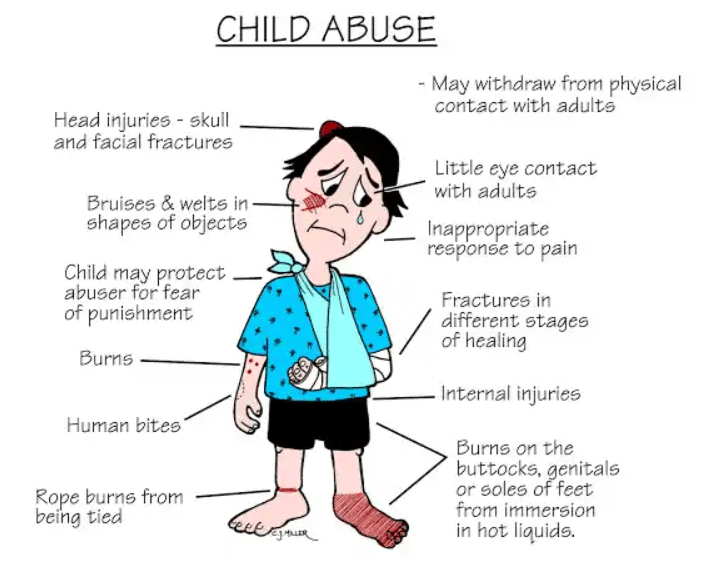
When a caregiver's account of how an injury occurred does not match the developmental capabilities or physical presentation of the child, the EMT must immediately suspect this.
What is child abuse? (Accept: Non-accidental trauma or pediatric neglect).
600
This audible sign evaluated under the "Work of Breathing" component represents a patient forcibly exhaling against a partially closed glottis to maintain lung volume.
What is grunting?
600
For an Advanced EMT treating a severe, life-threatening pediatric asthma exacerbation, this is the standardized weight-based dose and route for intramuscular (IM) Epinephrine (1:1,000).
What is 0.01 mg/kg IM?
600
This type of distributive shock presents uniquely with warm, flushed skin and rapid capillary refill during its early, hyperdynamic stages.
What is septic shock?
600
This is the primary position an EMT should place an actively seizing or postictal pediatric patient to safeguard their airway from aspiration.
What is the lateral recumbent position? (Accept: Recovery position).
600
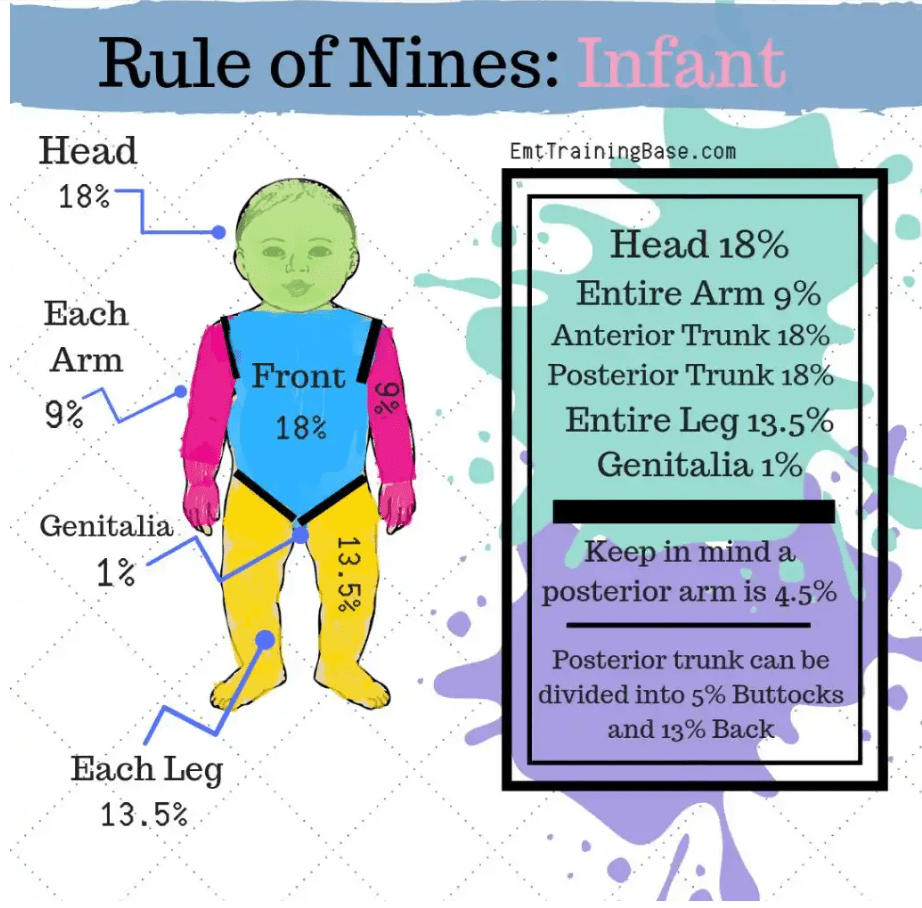
In pediatric burn assessments, the "Rule of Nines" is modified because this specific body part accounts for a significantly larger percentage (18%) of total body surface area in an infant compared to an adult.
What is the head?
700
The core operational difference between the PAT and the NREMT Primary Survey.
What is that the PAT is a hands-off, visual/auditory assessment, while the Primary Survey is hands-on?
700
The standard initial pediatric dose of Albuterol administered via nebulizer for lower airway bronchoconstriction.
What is 2.5 mg?
700
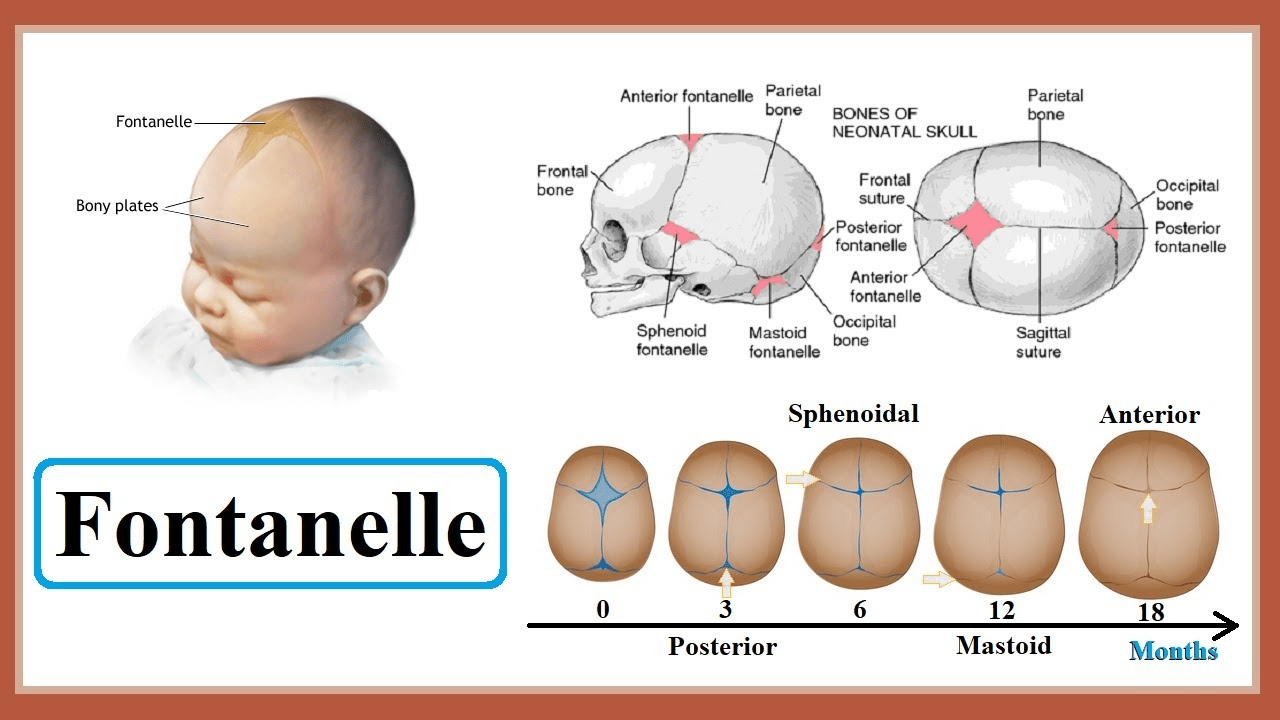
If a pediatric patient presents with a history of severe vomiting, diarrhea, sunken fontanelles, and a lack of tears, they are showing classic signs of this condition.
What is severe dehydration?
700
This specific infectious disease should be highly suspected in a pediatric patient presenting with fever, altered mental status, petechiae or purpura (purple skin spots), and neck stiffness.
What is meningitis?
700
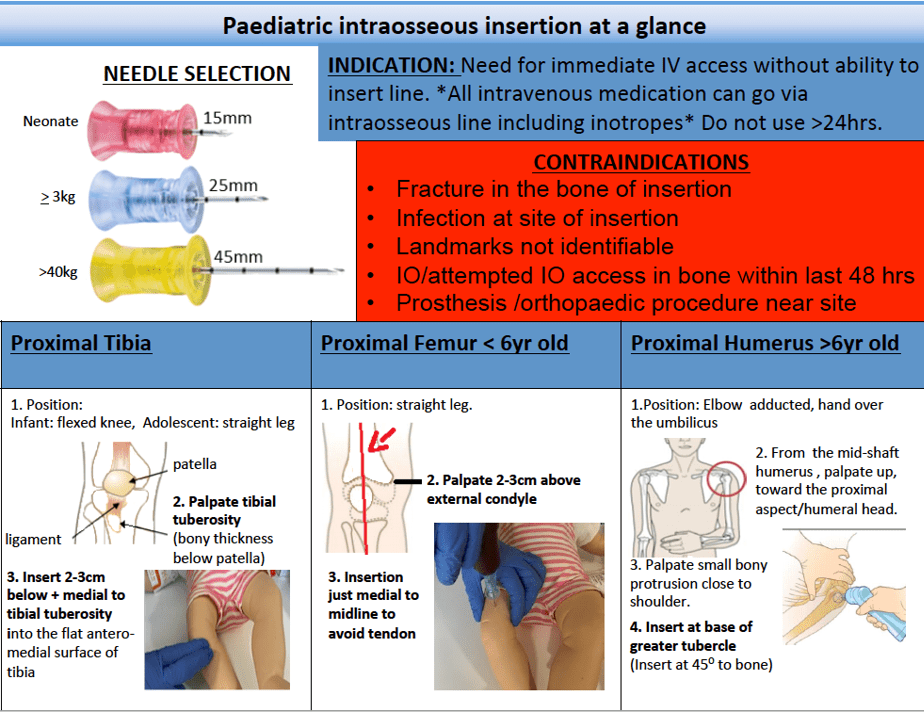
If an AEMT cannot establish peripheral IV access within 90 seconds or two attempts on a critically ill, decompensating pediatric patient, they should immediately pivot to this access route.
What is intraosseous (IO) access?
800
If a pediatric patient presents with abnormal appearance AND abnormal work of breathing, but normal skin circulation, the PAT categorizes them into this physiological state.
What is respiratory failure?
800
This viral infection of the upper airway is characterized by a gradual onset, low-grade fever, and a classic "barking, seal-like" cough.
What is croup? (Accept:Laryngotracheobronchitis).
800
Prior to administering an IV fluid bolus to a pediatric trauma patient with suspected hemorrhagic shock, the AEMT should ensure the fluids are modified in this manner to prevent a deadly triad.
What is warming the fluids?
800
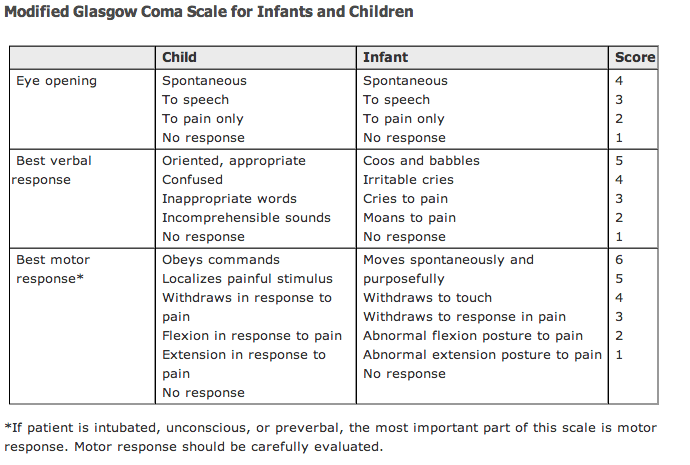
The maximum score achievable on the Modified Pediatric Glasgow Coma Scale (GCS).
What is 15?
800
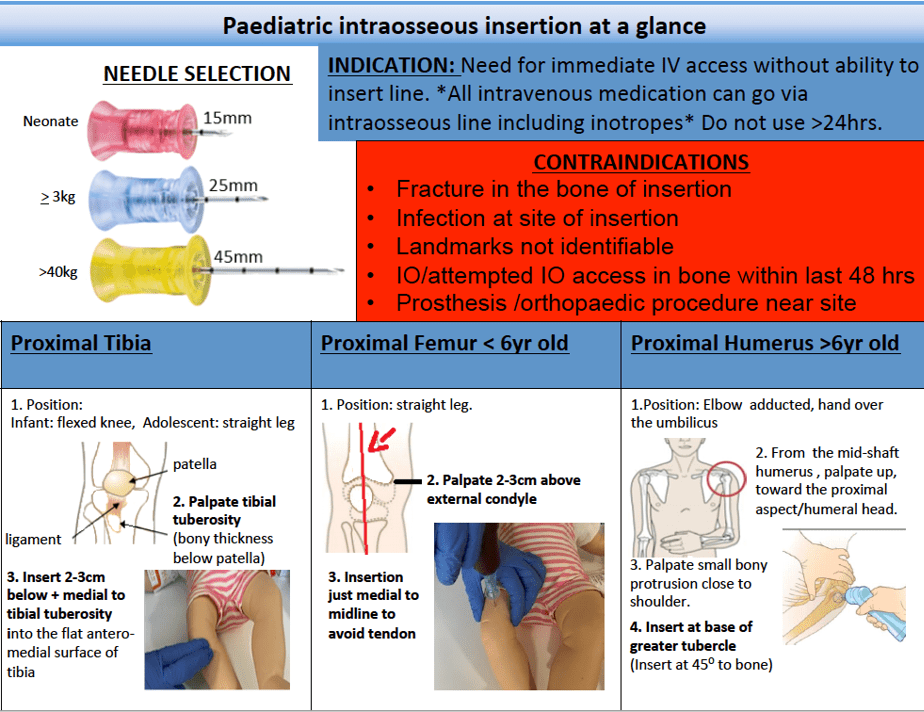
The preferred primary site for the insertion of an intraosseous (IO) needle in a pediatric patient.
What is the proximal tibia? (Accept: Medial malleolus or distal femur).
900
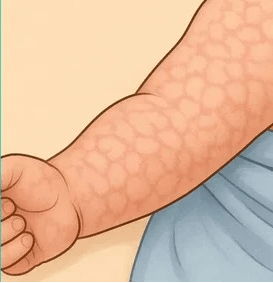
This specific skin finding under the Circulation component presents as a purplish, lace-like discoloration caused by severe vasoconstriction and hypoperfusion.
What is mottling?
900
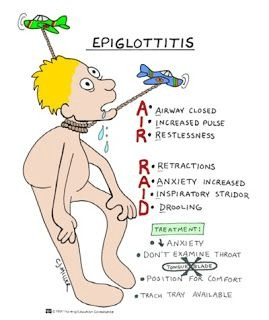
Unlike croup, this bacterial upper airway emergency features a rapid onset, high fever, severe dysphagia, and classic drooping or "tripod" positioning.
What is epiglottitis?
900
The maximum number of consecutive fluid boluses an AEMT should typically administer to a pediatric patient in hypovolemic shock before contacting medical control or evaluating for fluid overload.
What is three boluses? (Totaling 60 mL/kg).
900
An AEMT managing a pediatric patient in status epilepticus (prolonged seizure) may be authorized to administer this class of medication to terminate seizure activity.
What are Benzodiazepines? (Accept: Midazolam / Diazepam).
900
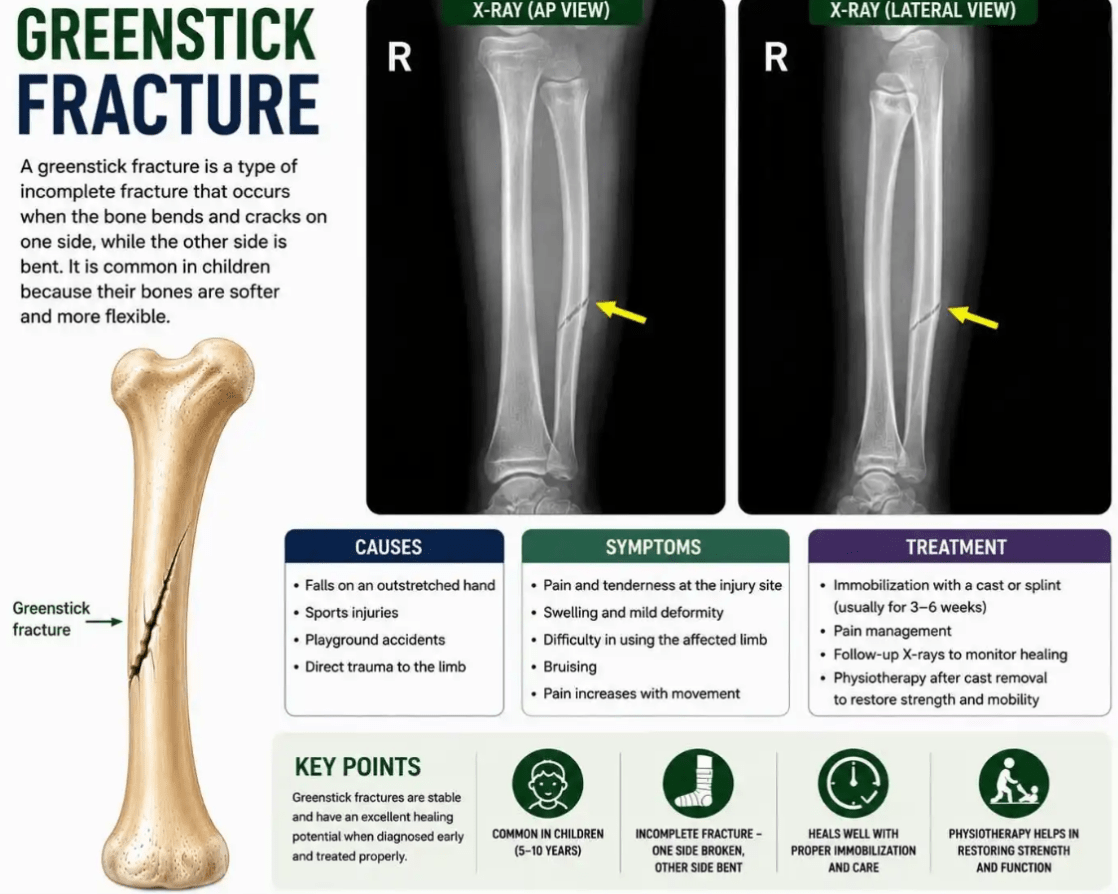
This specific type of bone fracture, where one side of the bone bends but does not completely break, is unique to pediatric patients due to the flexibility of their developing bones.
What is a greenstick fracture?
1000
If all three components of the Pediatric Assessment Triangle are found to be abnormal upon your cross-the-room survey, the patient is categorized in this critical state.
What is cardiopulmonary failure? (Accept: Cardiac arrest).
1000
When configuring a pediatric BVM or assessing a patient, this structure in the child's airway is structurally the narrowest portion, unlike in adults where it is the vocal cords.
What is the cricoid cartilage?
1000
This clinical sign, assessed by listening to the lungs or feeling the liver margin, must be continuously checked by the AEMT after every fluid bolus to ensure the child is not developing fluid overload.
What are lung sounds for rales/crackles? (Accept: Hepatomegaly or worsening respiratory distress).
1000
When treating an infant or child with suspected opioid overdose, this is the standardized initial pediatric dose of Naloxone (Narcan) via the intranasal or IV/IM route.
What is 0.1 mg/kg?
1000
When assessing an infant's head trauma, these soft spaces between the cranial bones should be palpated; if they are bulging, it can indicate increased intracranial pressure.
What are the fontanelles?