3 methods (age dating)
Paleozoic Era
Mesozoic Era
Cenozoic Era
100
How old is the earth according to geologic calculations?
~4.5 billion years old
100
What eon are we in, currently?
Phanerozoic Eon
100
In which period did the first dinosaur appear?
Triassic period
100
Name 2 marine mammals
Whales and dolphins
200
In what type of the 3 main rocks can fossils be found in?
Sedimentary rock
200
What broad category of organisms appeared in the Cambrian period?
Invertebrates
200
In which period did birds appear? From what animal did they evolve?
Jurassic period. Birds evolved from dinosaurs
200
What phenomena happened to mammals in this era?
Mammals evolved and grew large, became dominant animals
300
In which of the 3 methods is the age of one rock compared to the age of another, not the exact age of the rock
Relative Age Dating
300
In what period did amphibians appear?
Devonian period
300
What is a mammal? In what period did it appear?
Vertebrate that controls its own body temp,enhanced brain, has fur, and breastfeeds young. Appeared in the Triassic period
300
In which period did the ice age happen?
Quaternary period
400
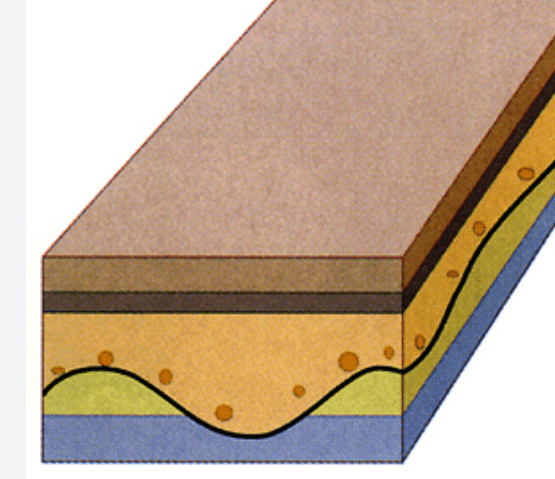
what kind of unconformity is this? To which of the 3 methods is this referring to?
Disconformity. This is referring to the 2nd method: relative age dating
400
In what period did a major change occur that caused most species of life on earth to die?
Permian period
400
In which period did an asteroid hit earth and cause dinosaurs and many organisms to go extinct?
At the end of the Cretaceous period
400
What major phenomena happened to the top layer of the earth in this era?
The pieces (continents) of the supercontinent drifted apart
500
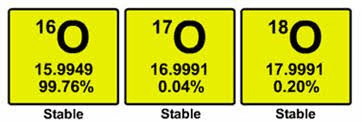
Is this showing the identity or isotopes of oxygen?
isotopes (different # of protons means there is a different number of neutrons as well)
500
In which period did the first amniote egg appear and why was it so significant?
Carboniferous period. This adaptation allowed animals to lay eggs on land
500
What is an angiosperm and what characteristics does it have?
Flowering plant. Produce fruit and seeds inside the fruit (flower head)
Also has stems, roots and leaves (all vascular plants)
500
How did the ice age end?
During last ice age, 30% of earth’s surface was covered in thick glaciers. A warm period followed 10,000-20,000 years ago. During that time, sea levels rose and many glaciers melted