Baby Animals
Marvelous Mammals
Brilliant Birds
Deep Blue & Ocean Life
Creepy Crawlies & Insects
100
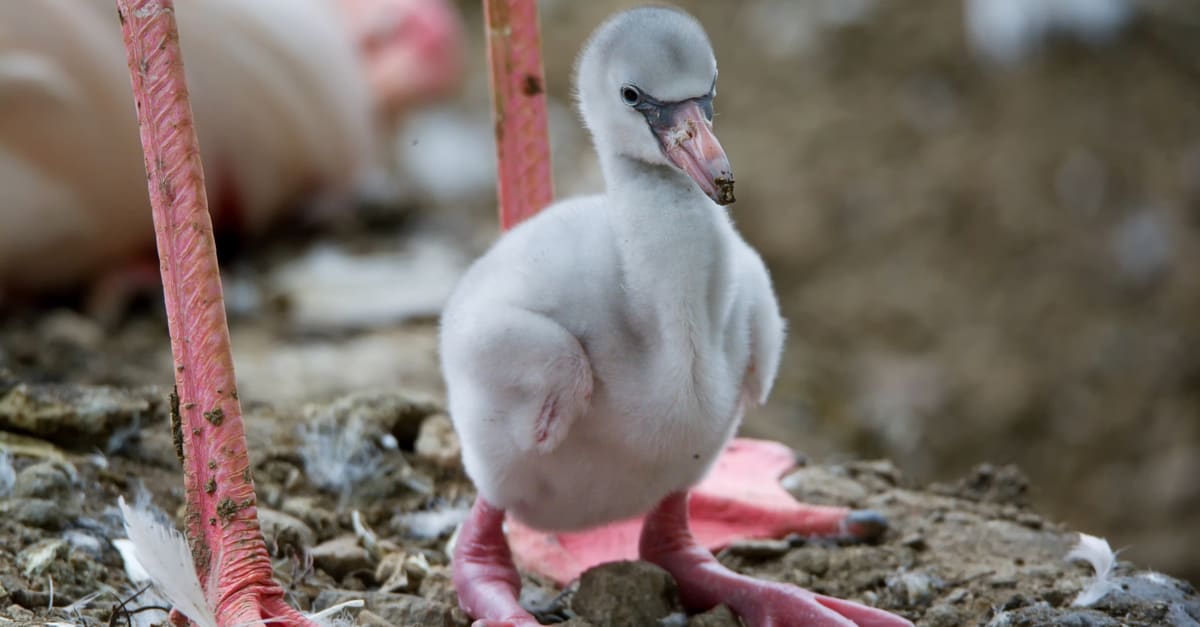
These kinds of chicks hatch with gray down feathers and look like tennis balls. Their parents feed them a special red liquid milk produced in their own beaks, which changes their feather colours. Which kind of bird is it?
A) Ducks
B) Flamingos
C) Seagulls
B) Flamingos
Baby flamingos hatch with fluffy white or gray downy feathers. It takes 3 to 5 years for them to turn fully pink as they eat more shrimp and algae. The milk given to them is called "crop milk", and is packed with nutrients and natural color pigments.
100
Which of these is the only mammal capable of true, sustained flight?
A) Flying squirrel
B) Bat
C) Sugar glider
B) Bat
Some species, like the Mexican free-tailed bat, can reach horizontal flight speeds of over 100 miles per hour. Despite their small size, certain bat species can live for more than 30 to 41 years in the wild.
100
Which bird is famous for its elaborate mating dance and building decorated structures called "bowers"?
A) Bowerbird
B) Peacock
C) Bird of Paradise
A) Bowerbird
Bowers are not nests. They are elaborate stages or display areas used exclusively for courtship. Females build separate nests in trees to raise chicks alone. Some males mix charcoal or chewed plant material with their saliva to create a "paint". They use a leaf as a paintbrush to coat the inside walls of their bower.
100
What is the main diet of a leatherback sea turtle?
A) Coral
B) Jellyfish
C) Seaweed
B) Jellyfish
Sea turtles eat jellyfish by using tough, scaly skin and backward-pointing throat spines to swallow the slippery, venomous prey without getting hurt. The leatherback is the largest sea turtle, growing over 2,000 pounds and reaching the size of a small car.
100
What is the hard outer shell that protects an insect's body called?
A) Skin
B) Scale
C) Exoskeleton
C) Exoskeleton
An exoskeleton is an external supportive structure that covers, supports, and protects an organism's body—either as a natural biological shell in insects or animals. Many insects, crustaceans, and arachnids have exoskeletons!
200
This baby animal is born the size of a jellybean, and must climb up their mother and into their pouch once it is born. What kind of baby animal does this?
A) Koala
B) Kangaroo
C) Wallabee
A) Koala
A newborn joey weighs only about 1 gram and measures just 2 centimeters long, and makes it's journey guided only by smell and touch.
200
A "prickle" is the collective noun for a group of which mammals?
A) Hedgehogs
B) Porcupines
C) Echidnas
B) Porcupines
Porcupines are the third-largest rodents in the world and use about 30,000 hollow quills for defense. Porcupines cannot throw or shoot their quills; instead, the loosely attached quills easily detach and stick into a predator upon contact.
200
What is the smallest bird in the world?
A) House Sparrow
B) Bee Hummingbird
C) Goldcrest
B) Bee Hummingbird
The bee hummingbird (Mellisuga helenae) is the smallest living bird in the world, measuring only 2.2 inches (5.5 to 6 cm) long and weighing less than a penny (around 1.6 to 1.9 grams). Their nests are smaller than a golf ball, and they lay eggs roughly the size of a coffee bean (about 6 mm long).
200
How many hearts does an octopus have?
A) One
B) Two
C) Three
C) Three
The octopus has two branchial hearts, and these smaller hearts sit near the gills. They pump oxygen-poor blood through the gills to pick up oxygen. They also have one systemic heart, with this main heart sitting in the center of the body. It takes the oxygen-rich blood from the gills and pumps it out to the rest of the organs and muscles.
200
Which animal is not an insect?
A) Ant
B) Butterfly
C) Spider
C) Spider
Arachnids are not insects because they belong to a completely different biological class (Arachnida) rather than Insecta. While both groups are arthropods with jointed legs and hard outer shells, arachnids have eight legs and two body parts, whereas insects have six legs and three body parts.
300
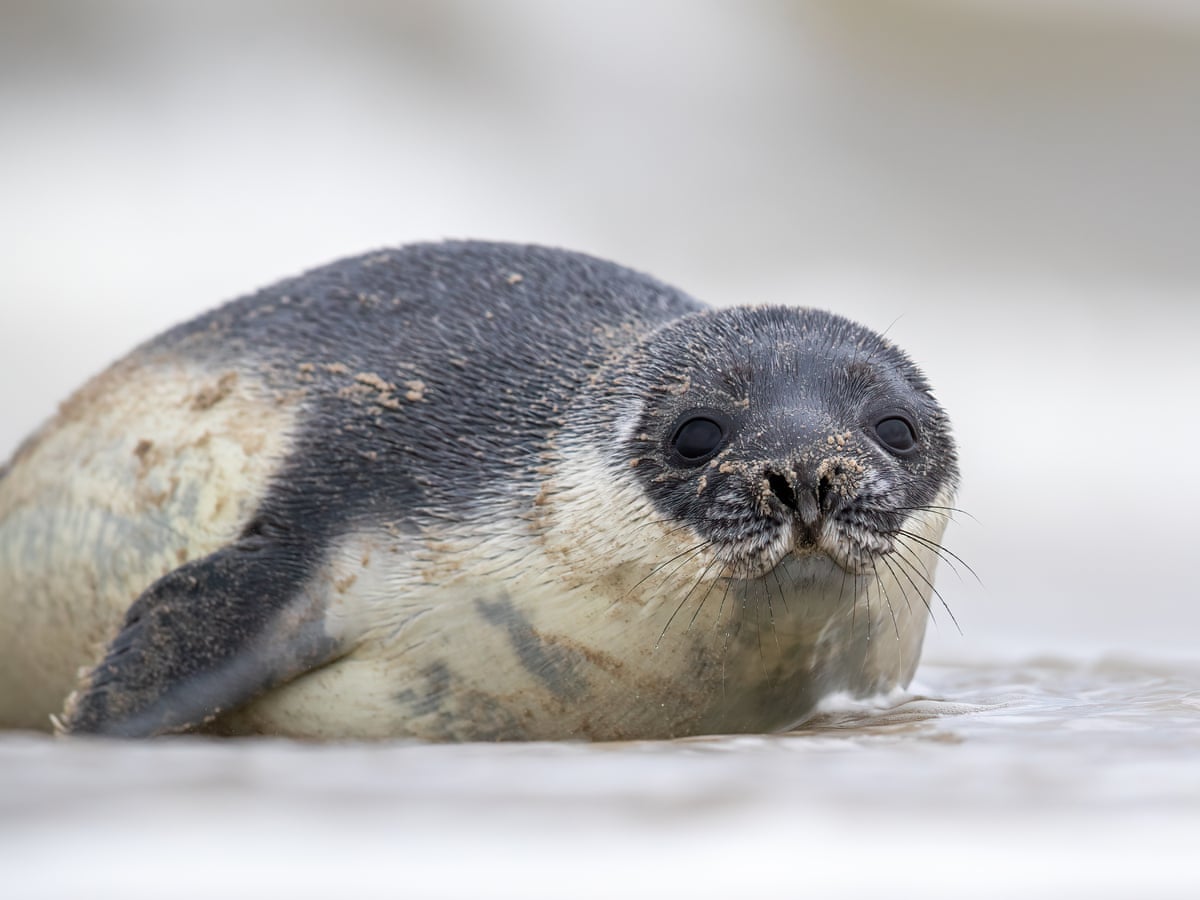
This baby nurses from its mother for only 4 days. This is the shortest nursing period of any known mammal. Which animal is it?
A) Orangutans
B) Donkeys
C) Hooded Seals
C) Hooded Seals
Hooded seals blow a giant, stretchy red balloon-like membrane out of their nasal cavity to attract mates and scare away rival males. They can dive up to 1,000 meters (3,280 feet) deep to hunt for squid, cod, and crustaceans.
300
What mammal holds the record for having the thickest fur of any animal?
A) Polar bear
B) Arctic fox
C) Sea otter
C) Sea otter
Sea otters have the densest fur in the animal kingdom, with up to one million hairs per square inch. Sea otters sleep in groups called rafts. They hold paws so they do not drift apart on the ocean waves.
300
What bird holds the record for the fastest-flying animal in a dive?
A) Golden Eagle
B) White-throated Needletail
C) Peregrine Falcon
C) Peregrine Falcon
During a high-speed hunting dive called a stoop, a peregrine falcon can exceed 240 mph (386 km/h), making it faster than a Formula 1 race car. Tiny bony structures in their nostrils called tubercles slow down and redirect the extreme air pressure during a dive so their lungs are not damaged.
300
This pregnant animal sings to their unborn babies in the womb. The baby learns to recognize the mother's specific voice before it is born. Which is it?
A) Dolphins
B) Whales
C) Sharks
A) Dolphins
Mothers keep repeating the sound during the first few weeks of the calf's life to help the baby imprint on and learn their unique identifier. Studies also show that mother dolphins use a higher-pitched, broader range of frequencies when talking to their born calves, similar to human "baby talk".
300
Which insect was the very first living creature sent into space?
A) Soldier ant
B) Fruit fly
C) Cockroach
B) Fruit fly
Fruit flies were sent to space to test if living organisms could survive cosmic radiation and zero-gravity before sending humans. In February 1947, a V2 rocket carried fruit flies 67 miles above the Earth to see if space travel caused genetic damage. When the flies returned alive and without immediate mutations, it paved the way for future animal and human space flight.
400
These cubs have a thick mane of long silver fur along their backs called a mantle. This camouflage makes them look like fierce honey badgers to scare off predators. Which kind of baby animal is this?
A) Bears
B) Cheetahs
C) Raccoons
B) Cheetahs
Newborn cubs are very small. They weigh only about 10 to 12 ounces (300 grams) at birth and are born completely blind. Like adult cheetahs, cheetah cubs can't roar. Instead, they chirp, mew, and yelp to call their mother.
400
What is the true physical nature of a polar bear’s fur and the skin color underneath it?
A) The hairs are pigmented white, and the skin underneath is pale pink to insulate against heat loss.
B) The hairs are hollow and transparent, and the skin beneath is black.
C) The hairs are translucent with a yellow pigment, and the skin beneath is white.
B) The hairs are hollow and transparent, and the skin beneath is black.
The hollow hairs scatter and reflect visible light making them look white, while the black skin absorbs solar radiation. Unlike other bears, only pregnant females den up for the winter to give birth. Males and other bears stay active all year.
400
What bird has the largest wingspan of any living bird
A) Wandering Albatross
B) Andean Condor
C) Bald Eagle
A) Wandering Albatross
The wandering albatross (Diomedea exulans) has the largest wingspan of any living bird, stretching up to 11.5 feet (3.5 meters) across. They use a technique called "dynamic soaring" to glide on ocean winds, locking their shoulder bones in place so they can fly for hours or even years without flapping or expending extra energy.
400
What is the fastest-swimming fish known to man?
A) Swordfish
B) Tuna
C) Sailfish
C) Sailfish
The sailfish is the fastest animal in the ocean, capable of reaching speeds up to 110 kilometers per hour (68 miles per hour). Their massive dorsal fin, like a "sail", runs nearly the length of their back and can be raised or lowered to reduce drag or help herd prey.
400
What do honeybees use to communicate the location of food to their hive?
A) High-pitched buzzes
B) Pheromone trails
C) A specific dance
C) A specific dance
Bees dance to share precise map coordinates with their nestmates about where to find rich sources of nectar, pollen, water, or new nesting sites. Unlike other social insects that rely on chemical pheromone trails, honeybees travel long distances where scents would easily fade into the open air. Returning foragers perform specialized movements inside the dark hive so the colony can work together efficiently.
500
These baby mammals are born covered in bright white spots and stripes. This pattern looks like dappled sunlight on the forest floor to hide them from predators. Which animal is it?
A) Rhinoceroses
B) Horses
C) Tapirs
C) Tapirs
Tapirs are large herbivorous mammals belonging to the family Tapiridae. They are similar in shape to a pig, with a short, prehensile nose trunk. Tapirs inhabit jungle and forest regions of South and Central America and Southeast Asia.
500
What is the only venomous mammal native to North America?
A) Southern short-tailed shrew
B) Platypus
C) Slow loris
A) Southern short-tailed shrew
The southern short-tailed shrew (Blarina carolinensis) is a tiny, highly active mammal that produces toxic saliva to paralyze its prey. Their submaxillary glands produce a toxic saliva that is injected into prey through their teeth to immobilize creatures like earthworms and mice.
500
What is the only bird species known to hibernate during the winter?
A) Common Poorwill
B) Arctic Tern
C) Snowy Owl
A) Common Poorwill
Unlike other birds that migrate, the Common Poorwill hides in rock crevices and enters a deep sleep called torpor that can last for weeks or months. During this time, it lowers its body temperature from around 104°F down to nearly 39°F and drops its oxygen use by 90%.
500
How do sea stars (starfish) digest their food?
A) They push their stomach out of their mouth
B) They swallow prey whole and digest it for weeks
C) They chew it using tiny teeth under their arms
A) They push their stomach out of their mouth
The stomach wraps around the prey—such as a clam or mussel—and releases powerful digestive juices to liquefy the soft parts of the animal outside the body. Once the food turns into a liquid soup, the starfish pulls its stomach back inside its body to finish digestion with its second stomach (the pyloric stomach).
500
Centipedes and millipedes are not insects. How can you easily tell them apart?
A) Centipedes have two pairs of legs per body segment, millipedes have one
B) Centipedes have one pair of legs per body segment, millipedes have two
C) Centipedes do not have wings, and Millipedes have wings
B) Centipedes have one pair of legs per body segment, millipedes have two
The name "Centipedes" means "hundred feet," but leg counts range from 30 to 354 depending on the species. No matter the total count, centipedes always possess an odd number of pairs of legs (such as 15 or 21 pairs).