Types of Muscle
Skeletal Muscle Structure
Structure of Muscle Fibers
Muscle Contraction and Relaxation
Contraction
Muscle Function
Muscles
More Muscles
More and more
100
Muscles are a unique form of tissue that transform 1._______ into 2._______.
What is 1. energy, 2. motion?
100
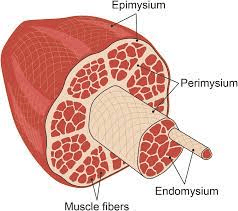
A delicate connective tissue called ________ covers each muscle fiber.
What is endomysium?
100
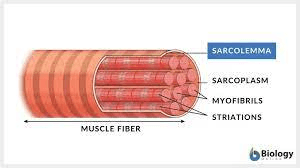
1. This is the plasma membrane surrounding each fiber.
2. This is the cytoplasm of the muscle cell.
What is 1. sarcolemma, 2. sarcoplasm?
100
Muscle retraction requires energy in the form of ________.
What is ATP (adenosine triphospahte)?
100
1. The minimum voltage needed to cause a muscle fiber to contract is called the ______.
2. When a fiber receives a stimulus, it responds after a brief lag by quickly contracting and the relaxing, this brief contraction is called a ______.
What is 1. threshold, 2. twitch?
100
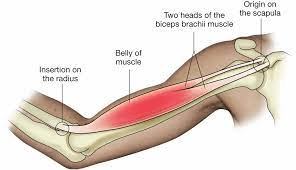
1. This refers to the end of the muscle that attaches to the more stationary bone.
2. This is the thick midsection of muscle.
3. This is the end of the muscle that attaches to the more movable bone.
1. Origin
2. Body
3. Insertion
100
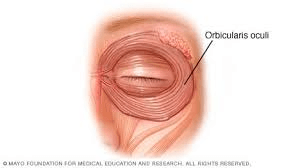
A sphincter muscle that closes the eye when blinking or squinting.
What is the orbicularis oculi?
100
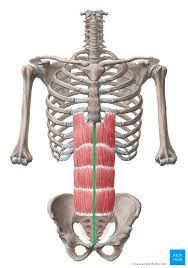
The aponeuroses of the muscles forming the abdominal wall meet in the midline of the abdomen, where they form a tough band of connective tissue called the _____ _____.
What is the linea alba?
100
This is the most powerful muscle in the body, it is the prime mover for knee extension. It consists of four muscles.
What is the quadriceps femoris?
200
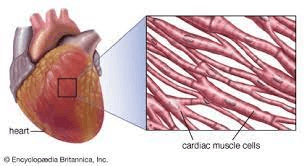
Found only in the heart, appears striated under a microscope, involuntary.
What is cardiac muscle?
200
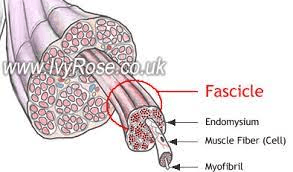
These are muscle fibers that are grouped in bundles.
What are fascicles?
200
These long protein bundles fill the sarcoplasm, they store glycogen as well as oxygen.
What are myofibrils?
200
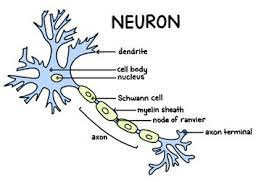
1. To contract, skeletal muscles must be stimulated by this kind of nerve.
2. Extensions from the cell bodies carry impulses to skeletal muscles.
What is a 1. motor neuron, 2. axon?
200
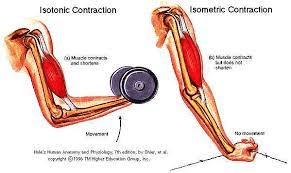
1. In this type of contraction the tension within a muscle increases while its length remains the same.
2. In this type of contraction the muscle changes length and moves a load, while the tension within the muscle remains the same.
What are 1. isometric contractions, 2. what is isotonic contractions?
200
1. Main muscle triggering movement.
2. Muscles that assist in movement.
3. Muscles balancing the movements of 1&2.
1. Prime mover
2. Synergists
3. Antagonists.
*antagonists OPPOSE the action of the prime mover*
200
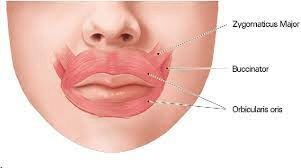
Closes the mouth and purses the lips; such as when kissing.
What is the orbicularis oris?
200
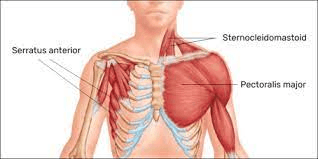
1. Drives all forward-reaching and pushing movements; pulls the shoulder down and forward.
2. Flexes and adducts the upper arm, such as when climbing or hugging.
What is the 1. serratus anterior, 2. pectoralis major?
200
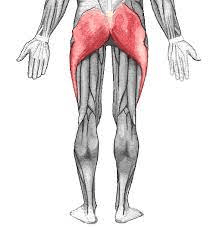
This is the bulkiest muscle in the body; it produces the back swing of the leg when walking and provides most of the power for climbing stairs.
What is the gluteus maximus?
300
This muscle is attached to bone and causes movement of the body, it is known as voluntary muscle and it appears striated under a microscope.
What is skeletal muscle?
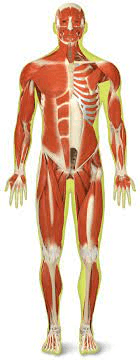
300
Connective tissue called ______ surrounds the muscle outside the epimysium.
What is fascia?
Deep fascia lies between muscles and superficial fascia resides just under the skin.
300
This is the smooth endoplasmic reticulum of a muscle fiber. It surrounds each myofibril and is where calcium ions are stored.
What is the sarcoplasmic reticulum?
300
This neurotransmitter is released when an impulse reaches the end of a motor neuron.
What is acetylcholine (ACh)?
300
This phenomenon occurs when each successive twitch contracts more forcefully than the previous one. This phenomenon is known as the staircase phenomenon.
What is treppe?
300
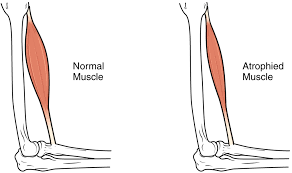
1. Strength training which causes muscles to enlarge is called _____.
2. Lack of muscle use causes the muscles to shrink or _____.
1. Hypertrophy
2. Atrophy
300
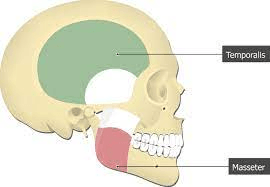
1. Aids in closing the jaw
2. Closes the jaw
What is the 1. temporalis, 2. masseter?
300
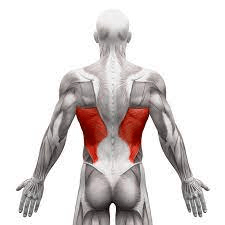
Adducts the humerus; extends the upper arm backward (such as when rowing or swimming); serves to pull the body upward when grasping an object overhead, such as climbing.
What is the latissimus dorsi?
300
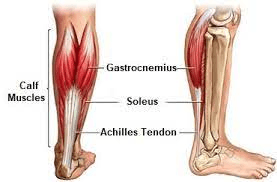
The bulging calf muscle is the result of two muscles. Contraction of these muscles causes plantar flexion of the foot.
What is the gastrocnemius and soleus?
400
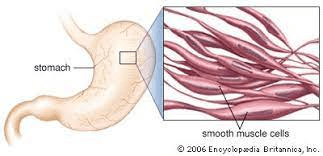
This type of muscle is found in the digestive tract, blood vessels, bladder, airways and uterus. This muscle appears nonstriated and is known as a involuntary muscle.
What is smooth muscle?
400
Skeletal muscle may attach to bone in one of two ways.
1. ______ attachment: muscle fibers merge with the periosteum of the bone, forming a strong attachment.
2. ______ attachment: epimysium extends past the muscle as a tendon, tendon then merges with the periosteum.
What is 1. direct, 2. indirect?
400
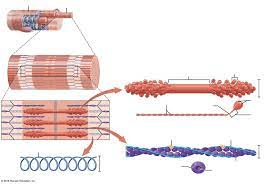
Myofibrils consist of even finer fibers, called 1.________. There are two types of these, thick is made up of 2._______, whereas thin is made up of 3._______.
What are 1. myofilaments, 2. myosin, 3. actin?
400
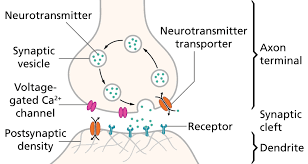
Between the end of the motor nerve and muscle fiber there is a narrow space. What is it called?
What is the synaptic cleft?
400
This is a condition of rapid contraction with only partial relaxation.
What is incomplete tetanus?
400
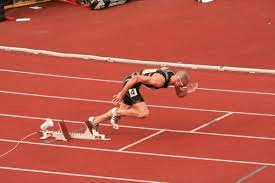
This type of contraction can generate energy quickly; therefore, it's useful for quick bursts of energy such as sprinting.
What is anaerobic respiration?
400
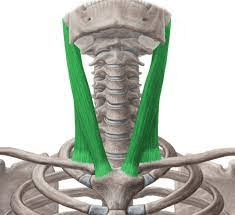
Flexes the head, rotates the head to the opposite side when only one muscle contracts. It is sometimes called the praying muscle.
What is the sternocleidomastoid?
400
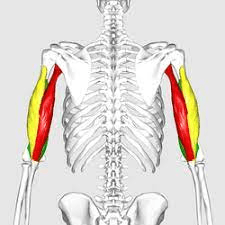
1. The prime mover when flexing the forearm.
2. The prime mover when extending the forearm.
1. Brachialis
2. Triceps brachii
400
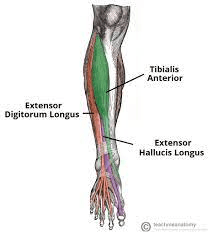
These muscles allow dorsiflexion of the foot and keep the toes from dragging on the ground while walking.
What is the tibialis anterior and extensor digitorum longus?
500
This is a flat, broad tendon that attaches a muscle to another muscle or bone.
What is an aponeurosis?
500
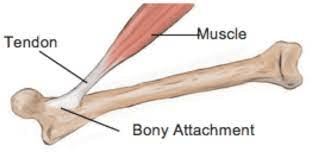
These connect muscles to bone.
What are tendons?
500
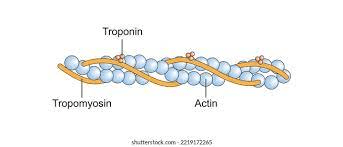
Entwined with actin are two other proteins. They are...?
What are tropomyosin and troponin?
500
The continuous state of partial contraction of muscles is known as...
What is muscle tone?
500
At rest muscles obtain most of their energy by metabolizing 1. _____ _____. When oxygen is plentiful muscles use the process of 2. ________ __________. When oxygen is not plentiful, 3. _________ ______ of 4.______ occurs.
1. fatty acids
2. aerobic respiration
3. anaerobic fermentation
4. glucose
500
This is a byproduct of anaerobic respiration that accumulates in muscles and leads muscle to fatigue.
What is lactic acid?
500
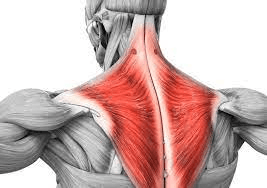
Extends the head, flexes the head to one side, raises and lowers shoulders, stabilizes the scapula during arm movements.
What is the trapezius?
500
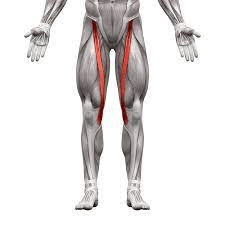
This is the longest muscle in the body. It aids in flexion of the hip and knee and abducts and laterally rotates the thigh.
What is the sartorius muscle?
500
This group of muscles consists of three muscles which work to extend the thigh at the hip, flex the knee, and rotate the leg.
What are the hamstrings?
Three muscles: biceps femoris, semitendinosus and semimembranosus.