Atomic Structure
Elements
Electron Shells
Valence Electrons & Ions
Periodic Table
100
The positive particles found in the center of an atom are called:
Protons
100
What is this element's name?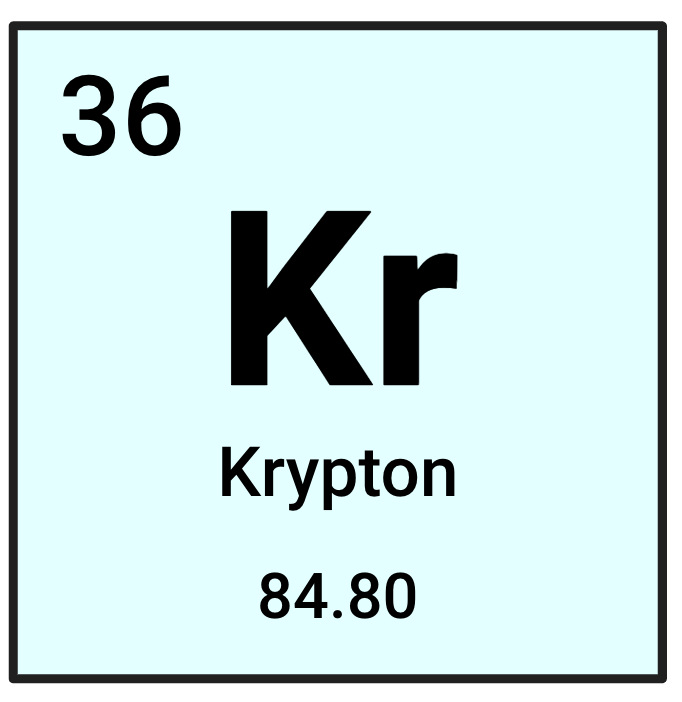
Krypton
100
The "rings" that electrons constantly orbit in are called:
Electron Shells
100
How many valence electrons does this element have?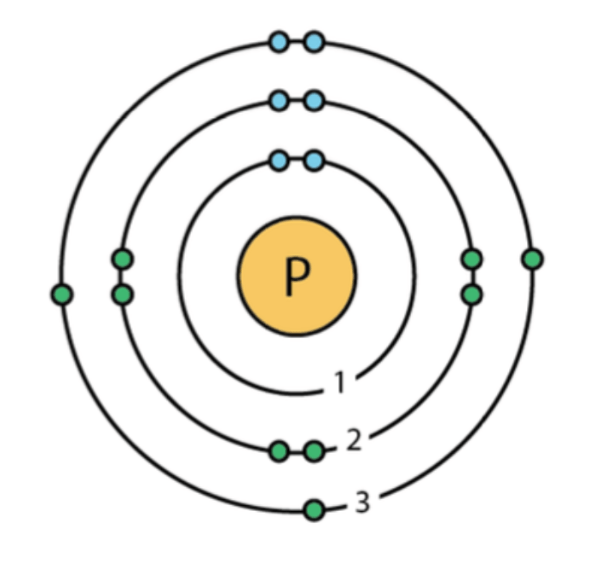
5
100
True or False: Atoms are organized by their Atomic Number on the Periodic Table.
True
200
The negative particles found in the space surrounding the center of an atom are called:
Electrons
200
What is this element's symbol?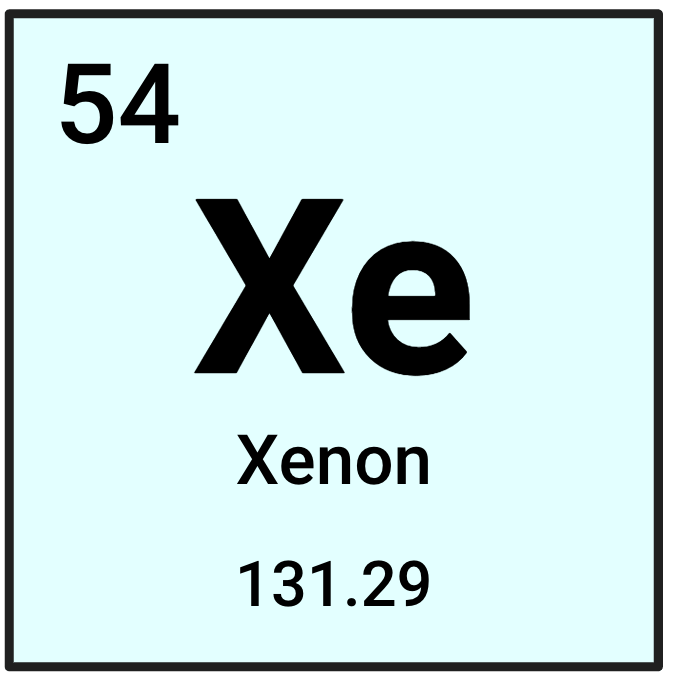
Xe
200
How many electrons can the 1st shell of an atom hold?
2
200
How many valence electrons does this element have?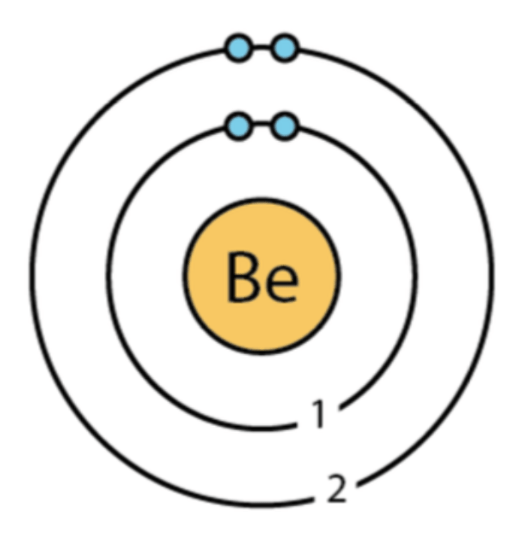
2
200
Which element family does Nitrogen (N) belong to?
Nonmetals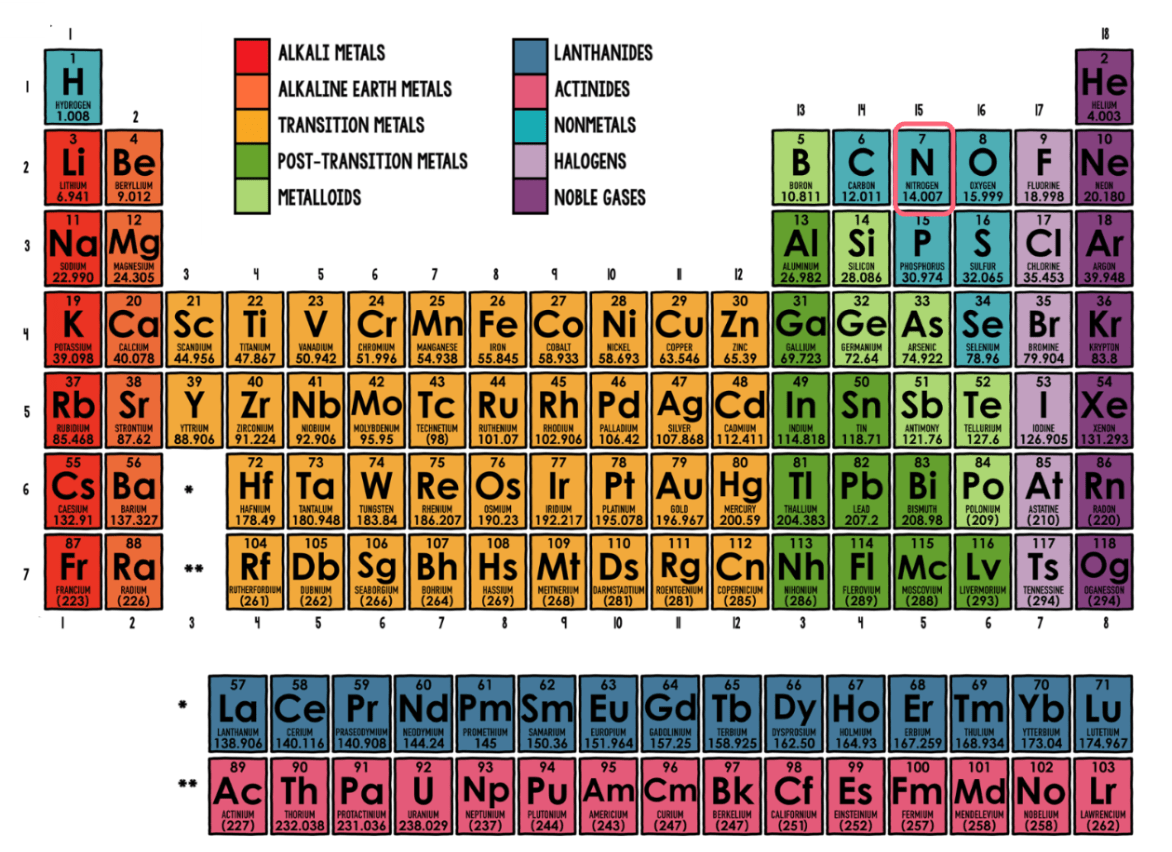
300
The neutral (no charge) particles found in the center of an atom are called:
Neutrons
300
What is this element's Atomic Number?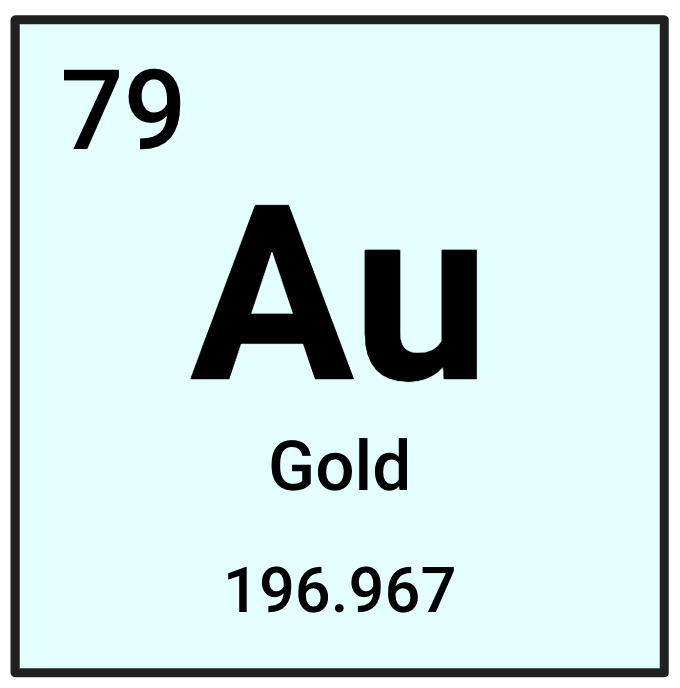
79
300
How many electrons can the 2nd shell of an atom hold?
8
300
When an atom has more protons (+) than electrons (-), it becomes a(n):
Cation
300
Which element family does Radium (Ra) belong to?
Alkaline Earth Metals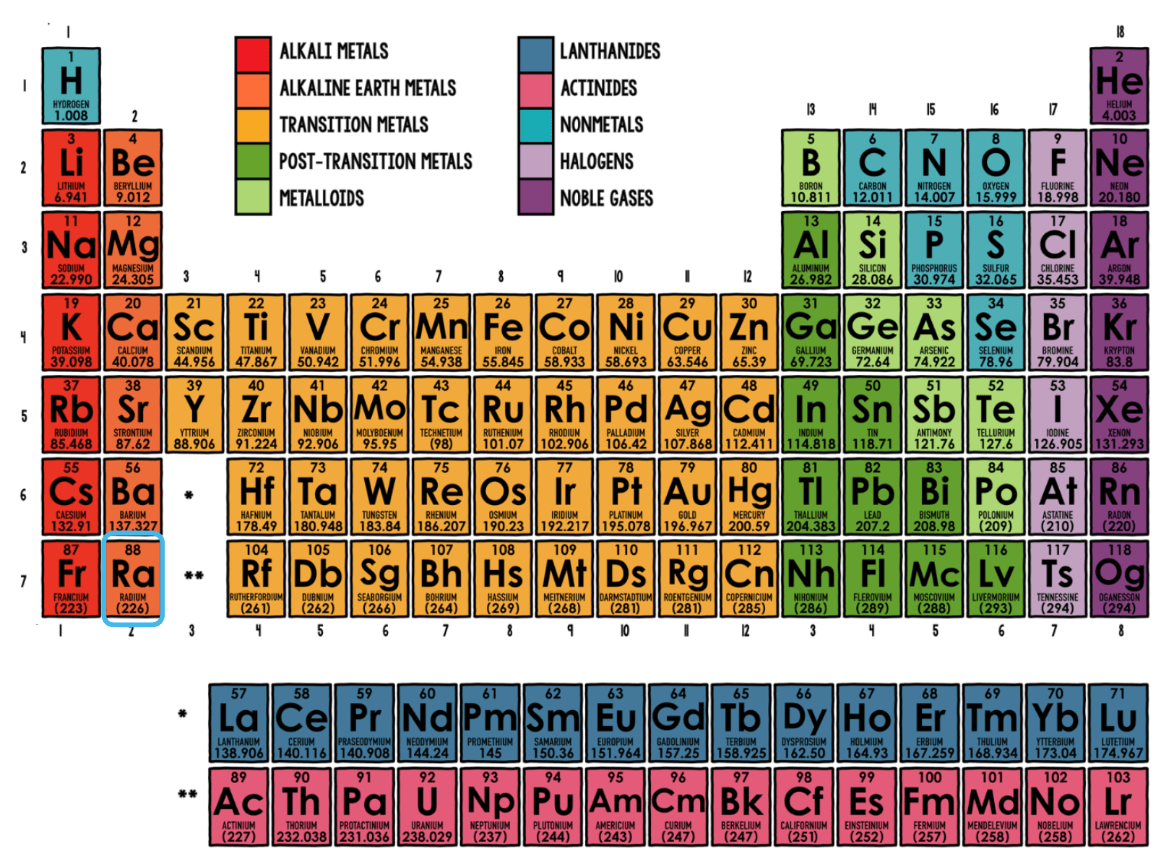
400
The center region of an atom that holds protons and neutrons together is called the:
Nucleus
400
What is this element's Atomic Mass?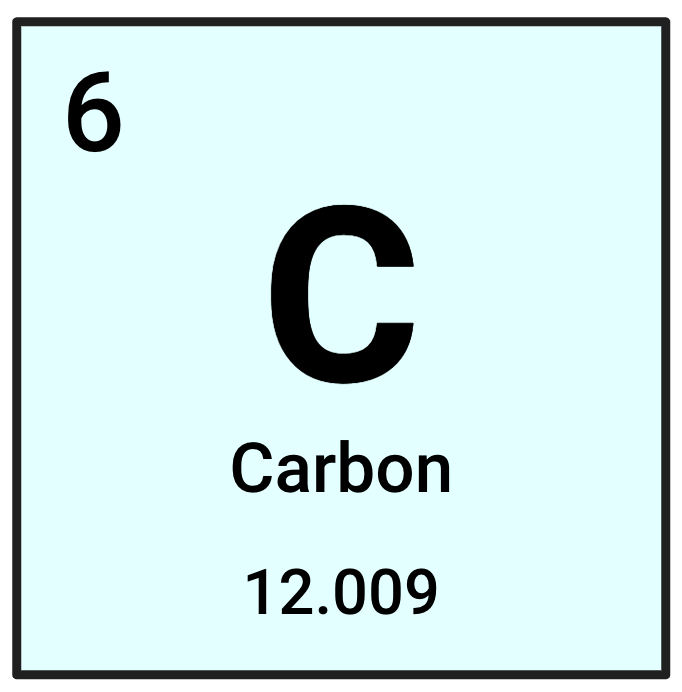
12.009
400
How many electrons can the 3rd shell of an atom hold?
18
400
When an atom has more electrons (-) than protons (+), it becomes a(n):
Anion
400
The rows (periods) represent the number of: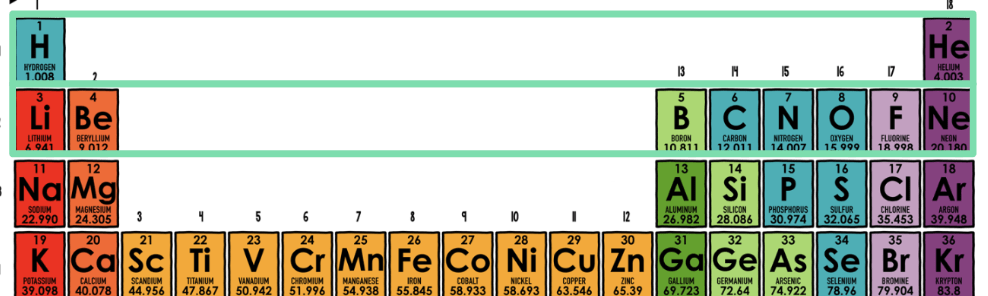
Electron Shells
500
Correctly draw an atom that has:
4 protons (+)
5 neutrons
4 electrons (-)
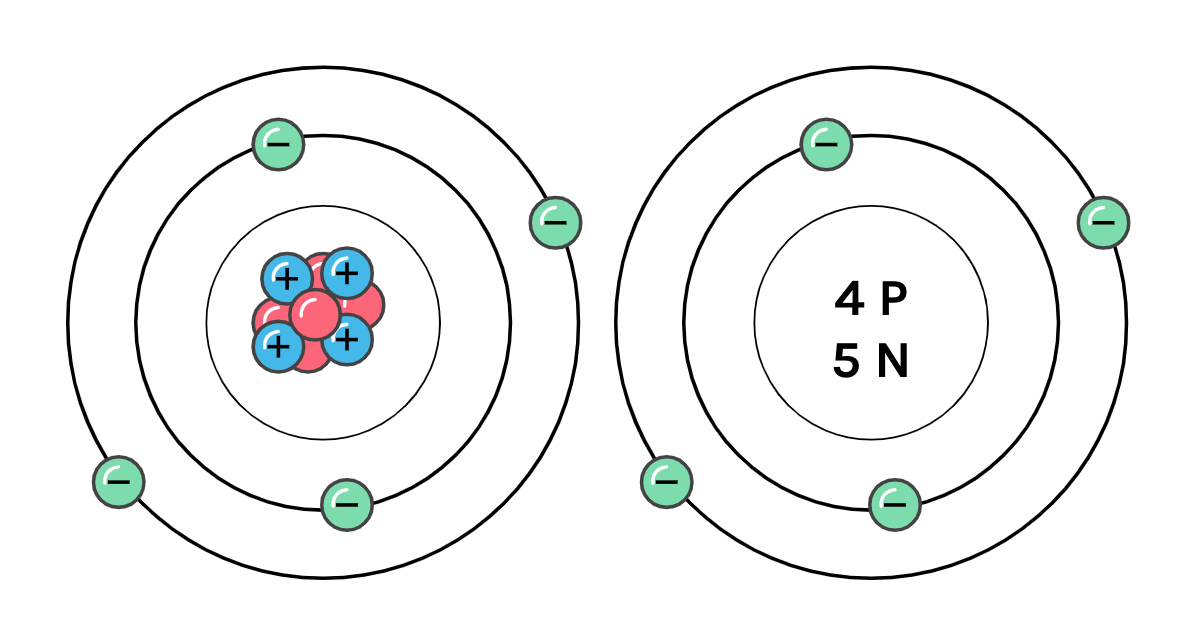
500
Using your periodic table, which element has a GREATER Atomic Number and Atomic Mass?
Magnesium (Mg) vs. Lead (Pb)
Lead (Pb)
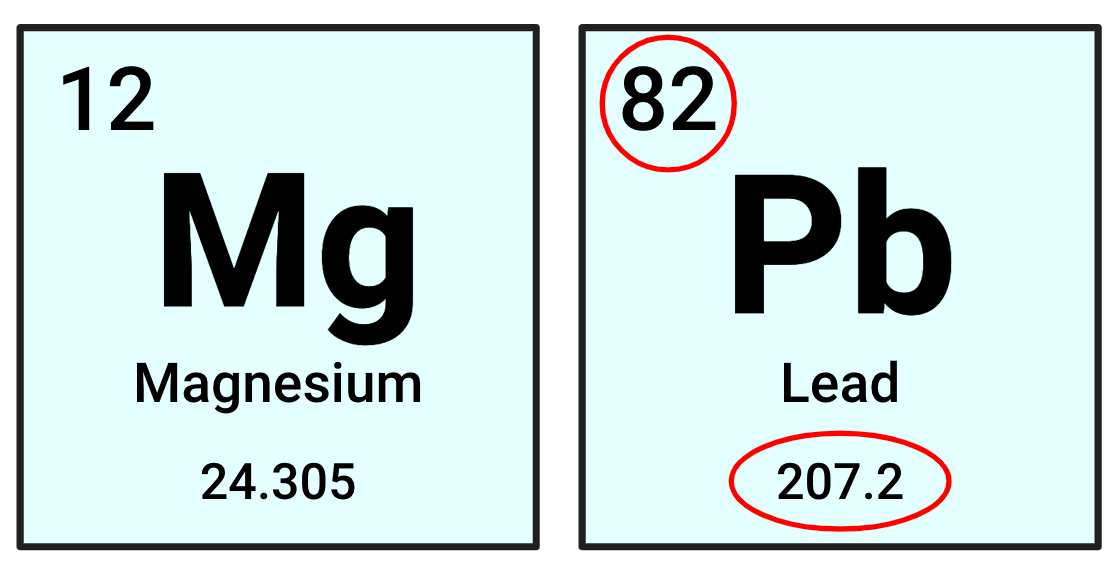
500
How many electrons can the 4th shell of an atom hold?
32
500
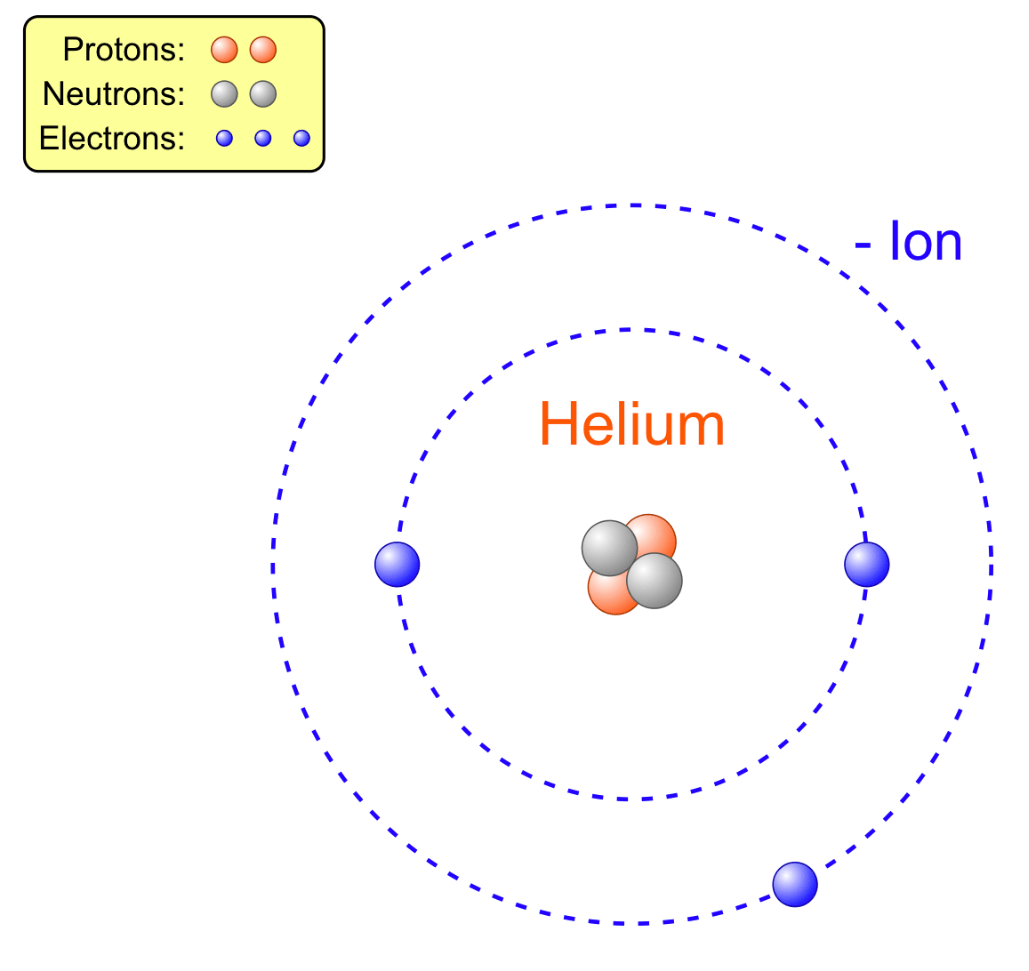
Draw a Helium atom with as an Anion (negative charge).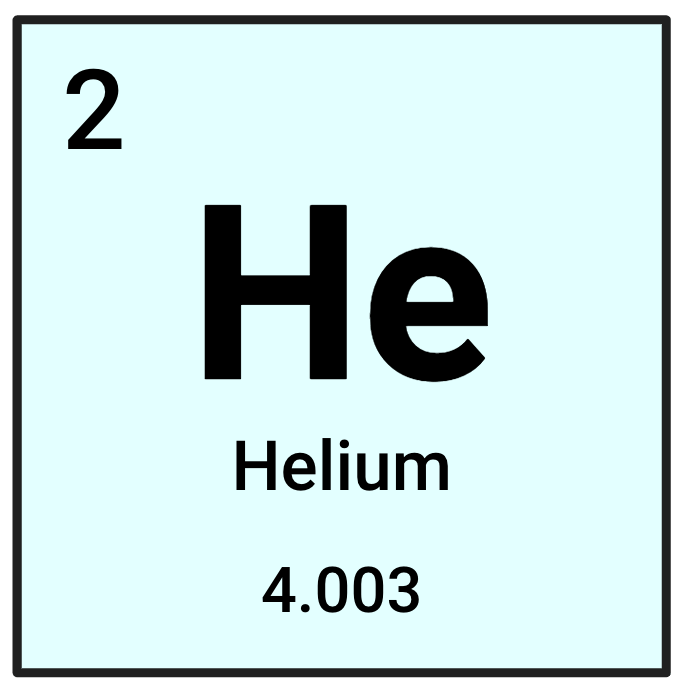
500
The columns called "groups" represent the number of: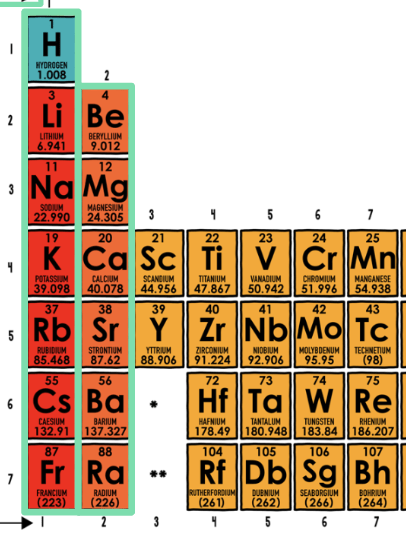
Valence Electrons