APE-MAN
Metal, Metalloids & NonMetals
Parts of the Atom
Group & Period
Atom 2 Element
100
100 Q: If an atom has an atomic number of 8, how many protons does it have?
8
APE-MAN Breakdown
A (Atomic number) = 8
P (Protons) = 8 (atomic number = number of protons)
E (Electrons) = 8 (neutral atom → same as protons)
M (Mass number) = ? (not given)
N (Neutrons) = ? (not given)
100
100 Q: True or False: Metals are good conductors of heat and electricity.
True
100
100 Q: Which subatomic particle has a positive charge?
Proton
(remember the P in Proton stands for Positive)
100
100 Q: What are the horizontal (left and right) rows of the periodic table called?
Periods
(remember the periodic table is like a sentence and the periods go at the end (left and right) of the sentence.
100
100 Q: Which of the following determines the identity of an atom?
Protons
“P = identity” → Protons tell you who the atom is.
Electrons and neutrons can change (ions or isotopes), but the element stays the same as long as the protons stay the same.
200
200 Q: A neutral atom has 15 protons. How many electrons does it have?
A: 15
APE-MAN Breakdown:
A = 15
P = 15
E = 15 (neutral → electrons = protons)
M = ? (not given)
N = ? (not given)
200
200 Q: Which side of the periodic table are nonmetals found on?
Right side
200
200 Q: What is the charge of a neutron?
Neutral (0 charge)
(remember the Nue in Neutron is like the Nue in Neutral
200
200 Q: Elements in the same period on the Periodic Table are related because they have —
A: Similar Properties
200
300 Q: Assume this atom is neutral. Using your periodic table and the diagram shown, what element is this? 
Helium (He)
(based on the number of electrons(2) and APE-Man, we can figure out that the atomic number is 2)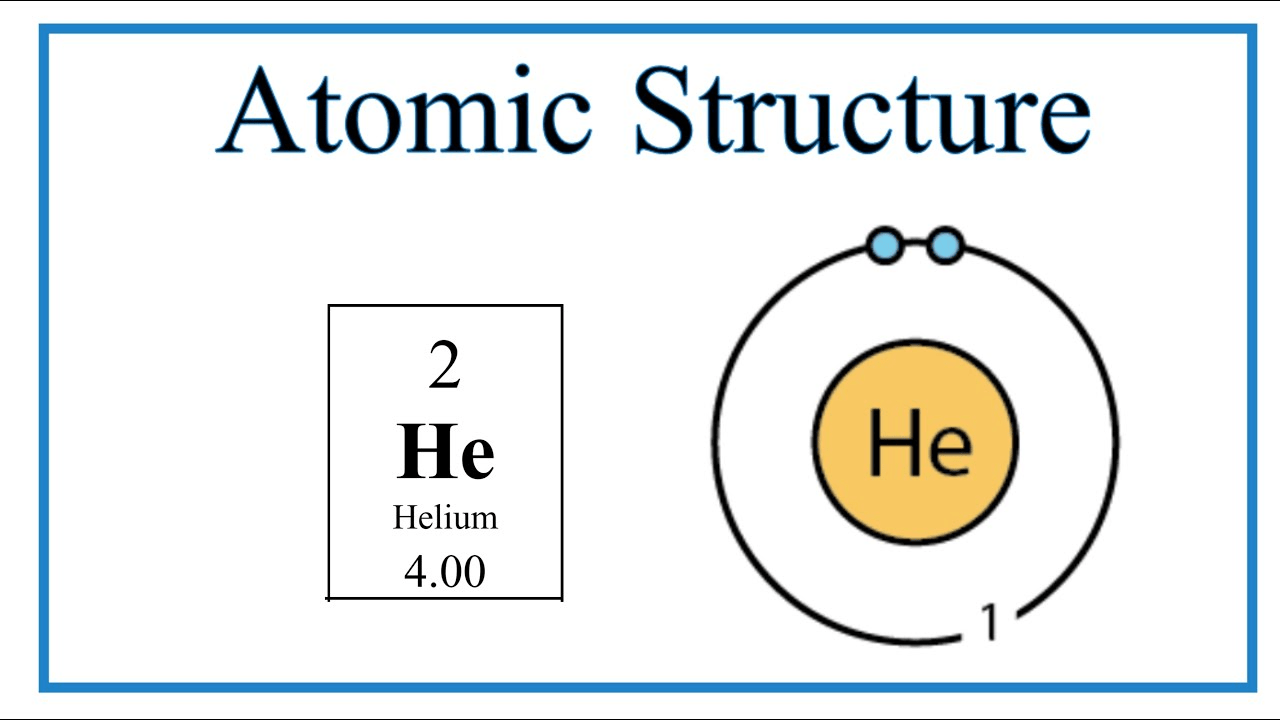
300
300 Q: If an atom has 6 protons and a mass number of 13, how many neutrons does it have?
A: 7
APE-MAN Breakdown:
A = 6 (atomic number = # protons)
P = 6 (given)
E = 6 (neutral atom)
M = 13 (given)
N = M − P = 13 − 6 = 7
300
300 Q: Where are our halogens located?
group 17
300
300 Q: If you have 30 electrons, and the mass is 54 g/mol, what are neutrons?
24 neutrons
300
300 Q: Which group is called the Noble Gases?
Group 18
(ALL the way to the right)
300
300 Q: Assume this atom is neutral. Using your periodic table and the diagram shown, what element is this? 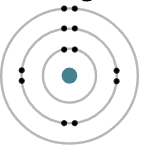
Magnesium (Mg)
(based on the number of electrons(12) and APE-Man, we can figure out that the atomic number is 12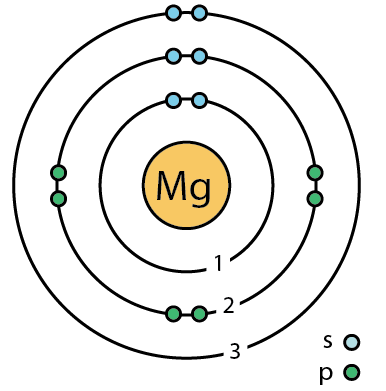 )
)
400
DAILY DOUBLE:
Daily Double Rules
You can wager any amount of your points (up to all of them).
Correct answer: you win your wager.
Wrong answer: you lose your wager.
If you have 0 points: you can still wager the question’s points, but your score can go negative.
💡 Tip: Bet wisely – it could double your points or drop you into the red!
400 Q: An atom has 9 protons, 10 neutrons, and 9 electrons. What is its atomic number and mass number?
Atomic number = 9
Mass number = 19
A (Atomic number) = number of protons = 9
P (Protons) = 9
E (Electrons) = 9 (neutral atom → electrons = protons)
M (Mass number) = P + N = 9 + 10 = 19
N (Neutrons) = 10
400
400 Q: Silicon (Si) is classified as which type of element?
Metalloid (Silicon is on the steps)
400
400 Q: What two particles are found in the nucleus?
Protons and neutrons
(“Protons & Neutrons Party in the Nucleus” – they’re the “guests” in the center.
“Electrons Exit” – electrons are outside, moving around the nucleus.)
400
400 Q: Sodium is in period 3. What is the group?
A: group 1
400
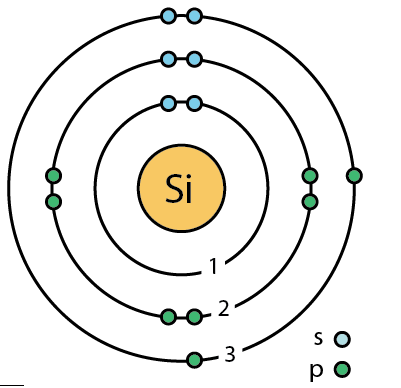 400 Q: What group and period is Si in?
group 14
period 3
500
A neutral atom has 20 protons and 20 neutrons. What is its atomic number and mass number?
Atomic number = 20, Mass number = 40
APE-MAN Breakdown:
A = 20 (atomic number = # protons)
P = 20
E = 20 (neutral → electrons = protons)
M = P + N = 20 + 20 = 40
N = 20
500
500 Q: Which category of elements is brittle, dull, and poor conductors?
Metal, nonmental, or metalloid
A: Nonmetals
500
500 Q: How many elements on the periodic table are transition metals?
40!
500
500 Q:
1. Identify the element in Group 17, Period 3 → ________
2. Identify the element in Group 18, Period 2 → ________
1.Group 17, Period 3 → Chlorine (Cl)
2. Group 18, Period 2 → Neon (Ne)
500
On the whiteboard: Calculate APE MAN
include: Proton, Neutrons and Electrons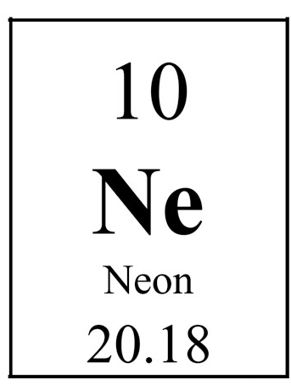
P = 10
E = 10
N =10