prokarygoats
bacteria
protista
plant historian
plants: getting romantical
plants: there's
more
more
fun guy
100
how old are the earliest prokaryote fossils
3.5 billion years (stromatolite fossils)
100
these bacteria have thick peptidoglycan layers
gram-positive bacteria
100
what supergroup are diatoms found in 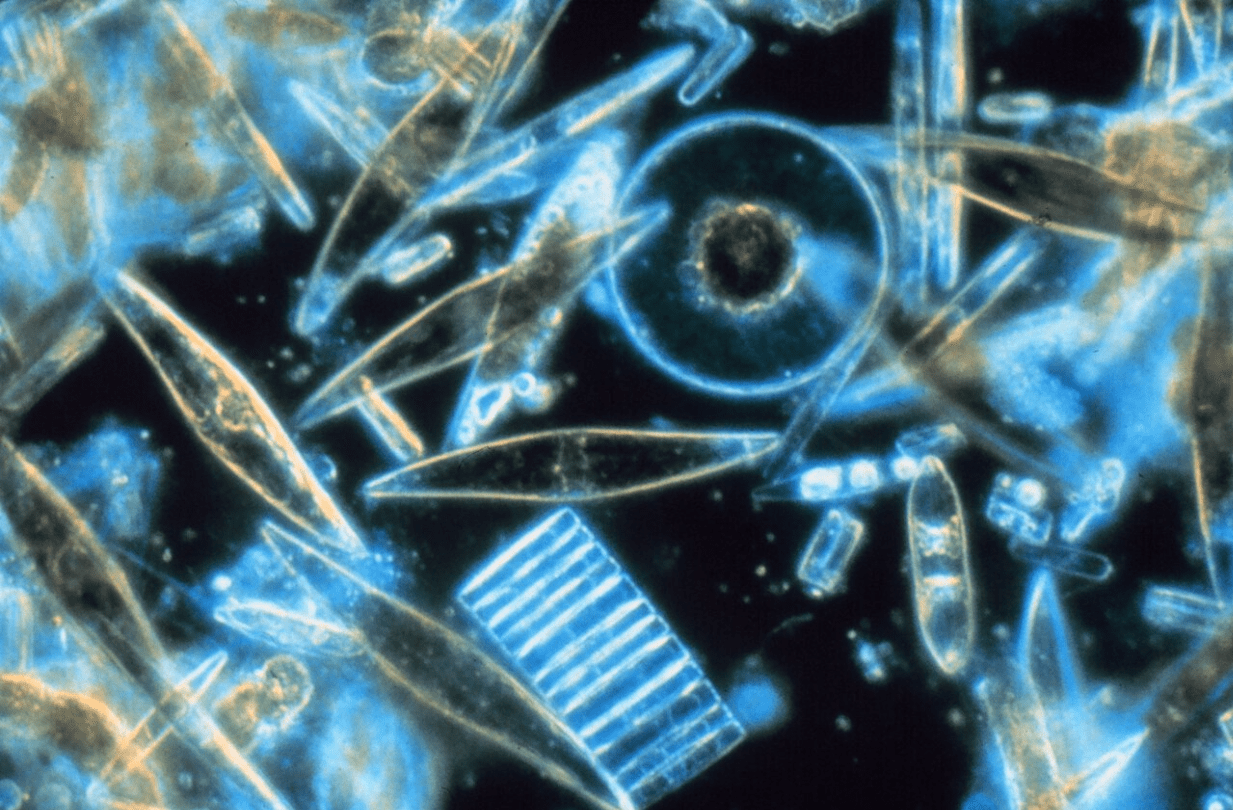
stramenopila
100
endosymbiosis describes how plant cell ancestors engulfed a _, which became the chloroplast
prokaryotic cell/cyanobacterium
100
what do seedless plants use to reproduce
spores/sporangia
100
how does lignin help plants live on land
provides rigid structural support
100
these tiny, thread-like tubes are the basic building blocks of fungi
hyphae
200
what's an example of an exotoxin
botulinum, tetanus, cholera, anthrax
200
corkscrew shaped (helical) bacteria with sheathed flagella
spirochaetes
200
green algae can be found in what supergroup 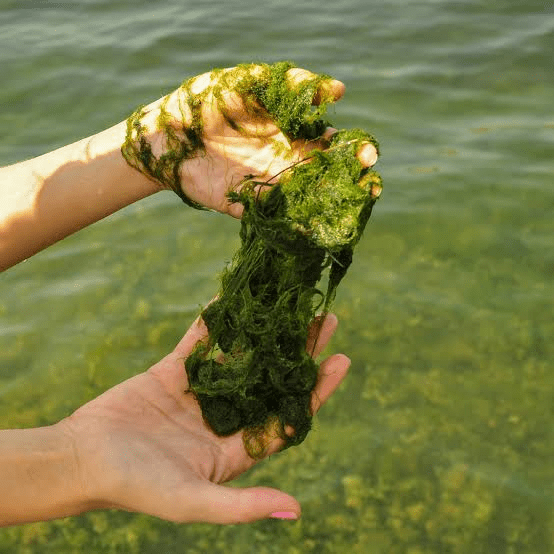
archaeplastids
200
how old are the oldest land plant fossils
470 mya
200
what part of the plant becomes the fruit (angiosperms)
ovary (ovules become the seeds)
200
why are flowers so successful despite their huge energy cost for plants
they are highly effective for ensuring pollination (both animal and wind-dispersal)
200
fungi are saprophytic heterotrophs, meaning
they absorb their food after digesting it outside their bodies
300
endotoxins are found in the
lipopolysaccharide layer (gram -)
300
these bacteria have a thin layer of peptidoglycan, many modes of nutrient acquisition
proteobacteria
300
this supergroup includes slime molds 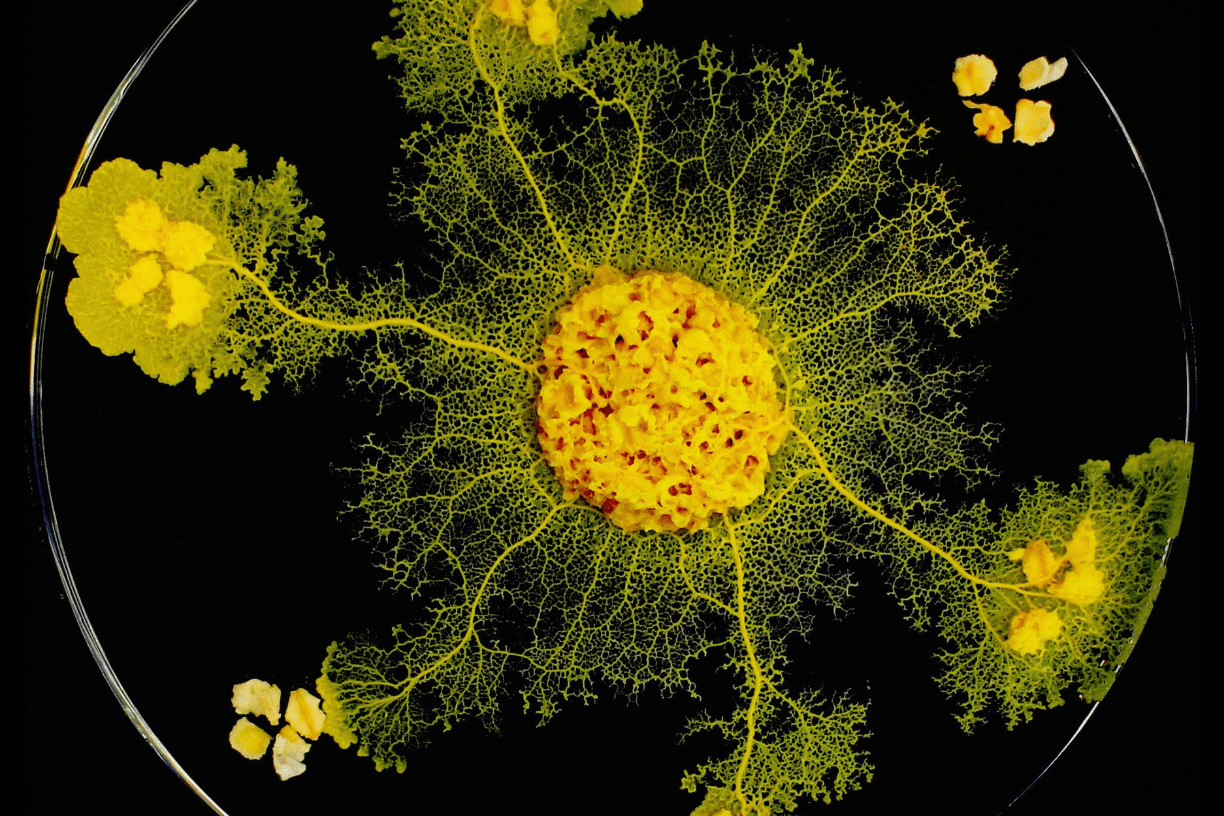
unikonts
300
what type of plant was the first group to move onto land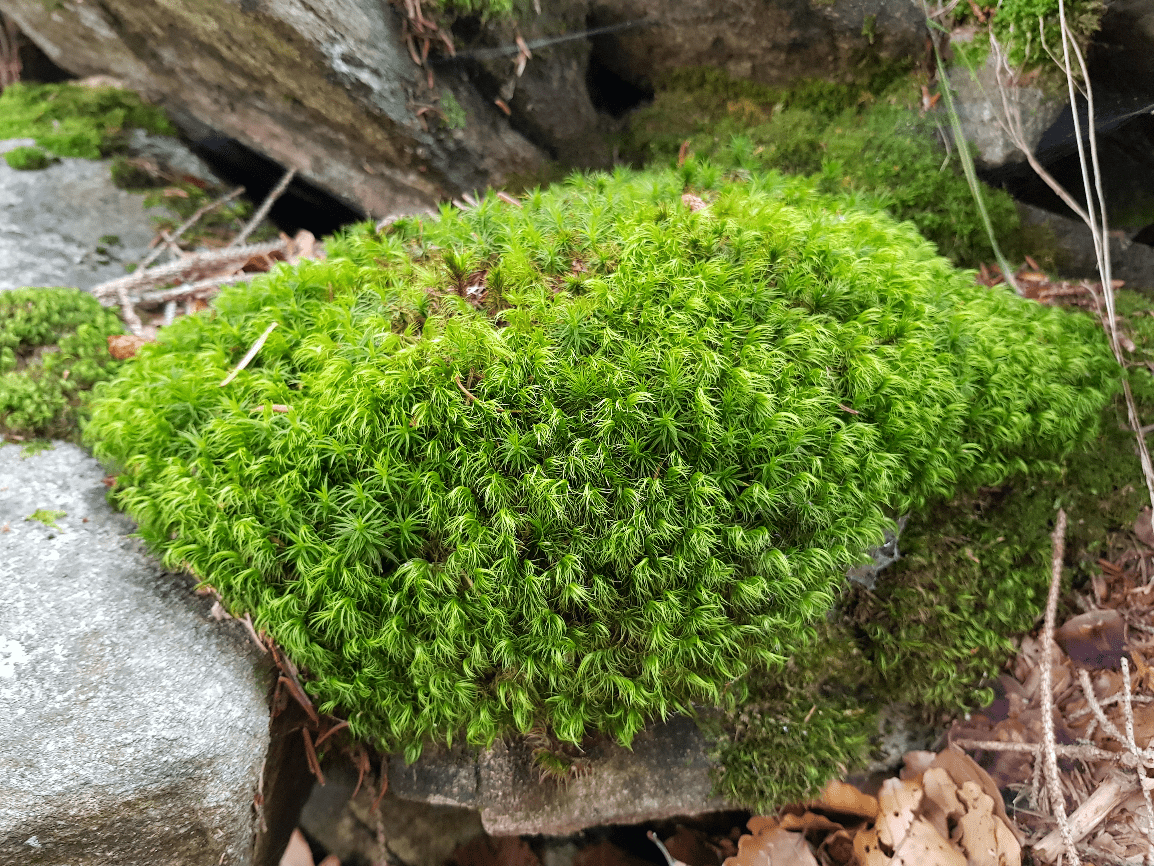
nonvascular bryophytes (seedless, rootless)
300
what is this 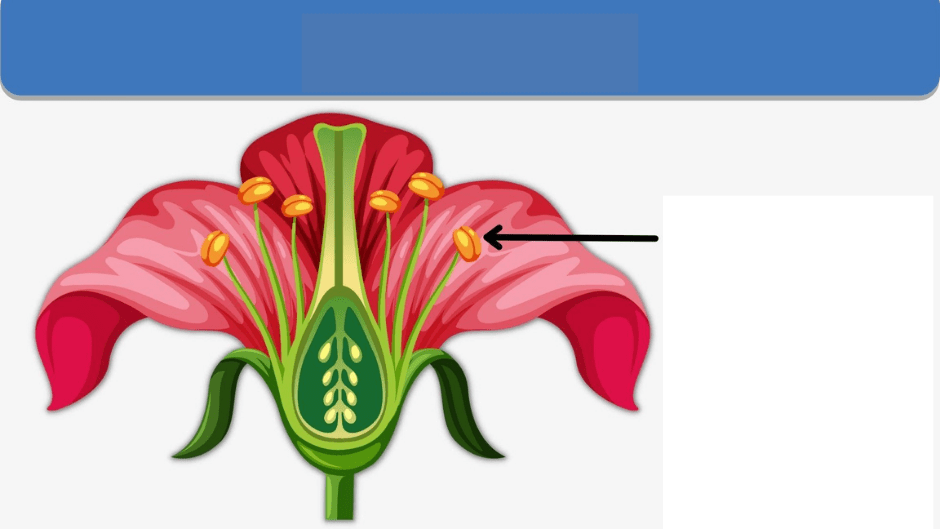
anther (pollen producer)
300
what adaptation allows plants to exchange gases while minimizing water loss
stomata/guard cells
300
this group of fungi breaks down lignin, and produces mushrooms and puffballs
basidiomycetes
400
what type of archaea would you find in anaerobic swamps
methanogens
400
these autotrophic bacteria produce large amounts of oxygen
cyanobacteria
400
plasmodium (malaria) can be found in what supergroup
alveolata
400
what plants were dominant during the carboniferous, forming "coal forests" and cooling the earth 360-299mya
seedless vascular (ex. ferns)
400
this is the seed-bearing structure that develops from the ripened ovary (the key to angiosperm success on earth!)
fruit
400
non-flowering seed plants
gymnosperms
400
bread and fruit molds are examples of this group of fungi
zygomycetes
500
This stomach bacteria is notable for having both beneficial (prevent obesity and ibs) and harmful (causes ulcers) possible effects
Helicobacter pylori
500
obligate intracellular parasites
chlamydia
500
what group would foraminiferans be found in 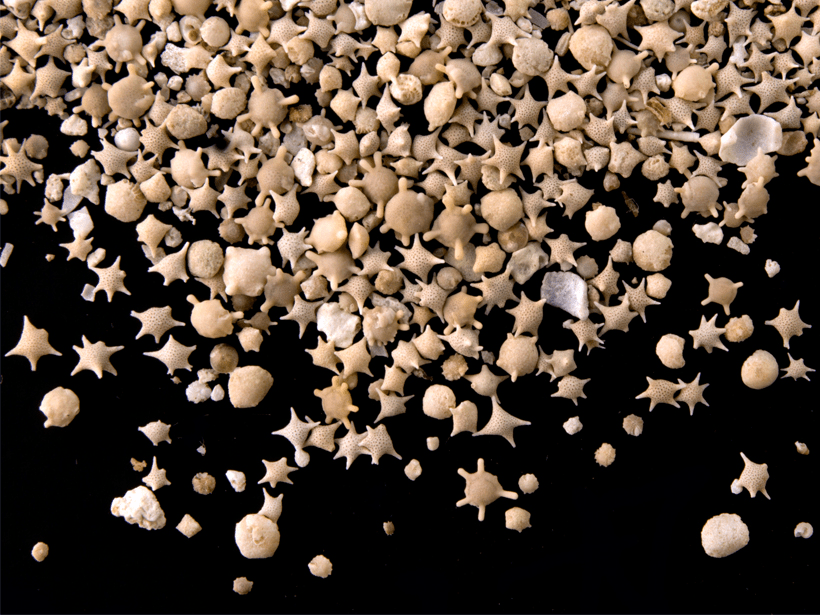
rhizaria
500
drove plant evolution by enabling lifelong growth and continuous generation of organs (leaves, flowers, etc)
apical meristems
500
where does meiosis occur (flowering plants)
the anthers (male gametes) and the ovules inside the ovary (female gametes)
500
why can the reduced genetic diversity of genetically modified crops be dangerous
vulnerable to disease/crop failure
500
this group of fungi have a symbiotic relationship with 80% of plants
glomeromycetes