Urbanization
Genetics
Evolution
Life in the Ocean
Misc. Trivia
100
What is Urbanization?
The adaptation for a species to live in human cities.
100
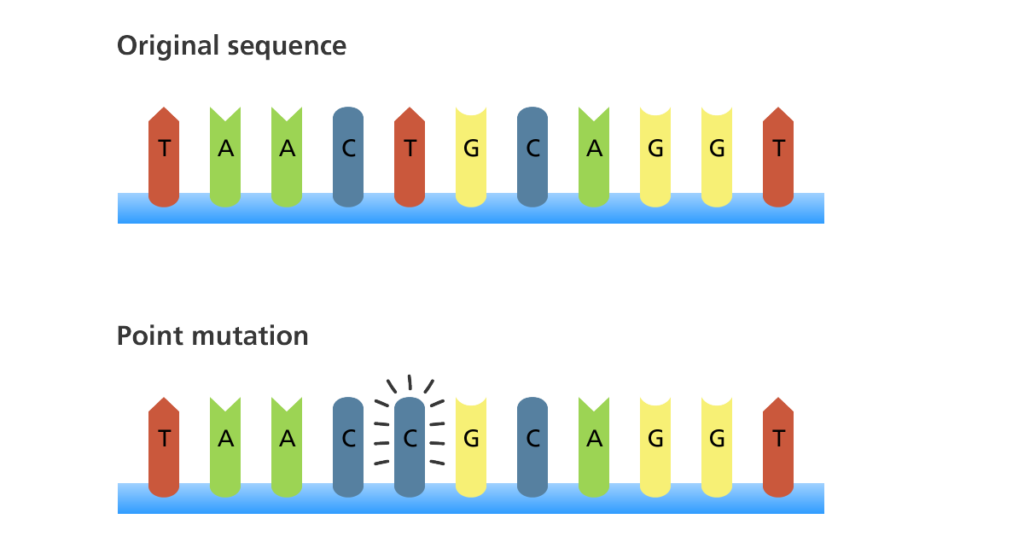
What is a mutation?
A permanent change in the hereditary sequence of DNA.
100
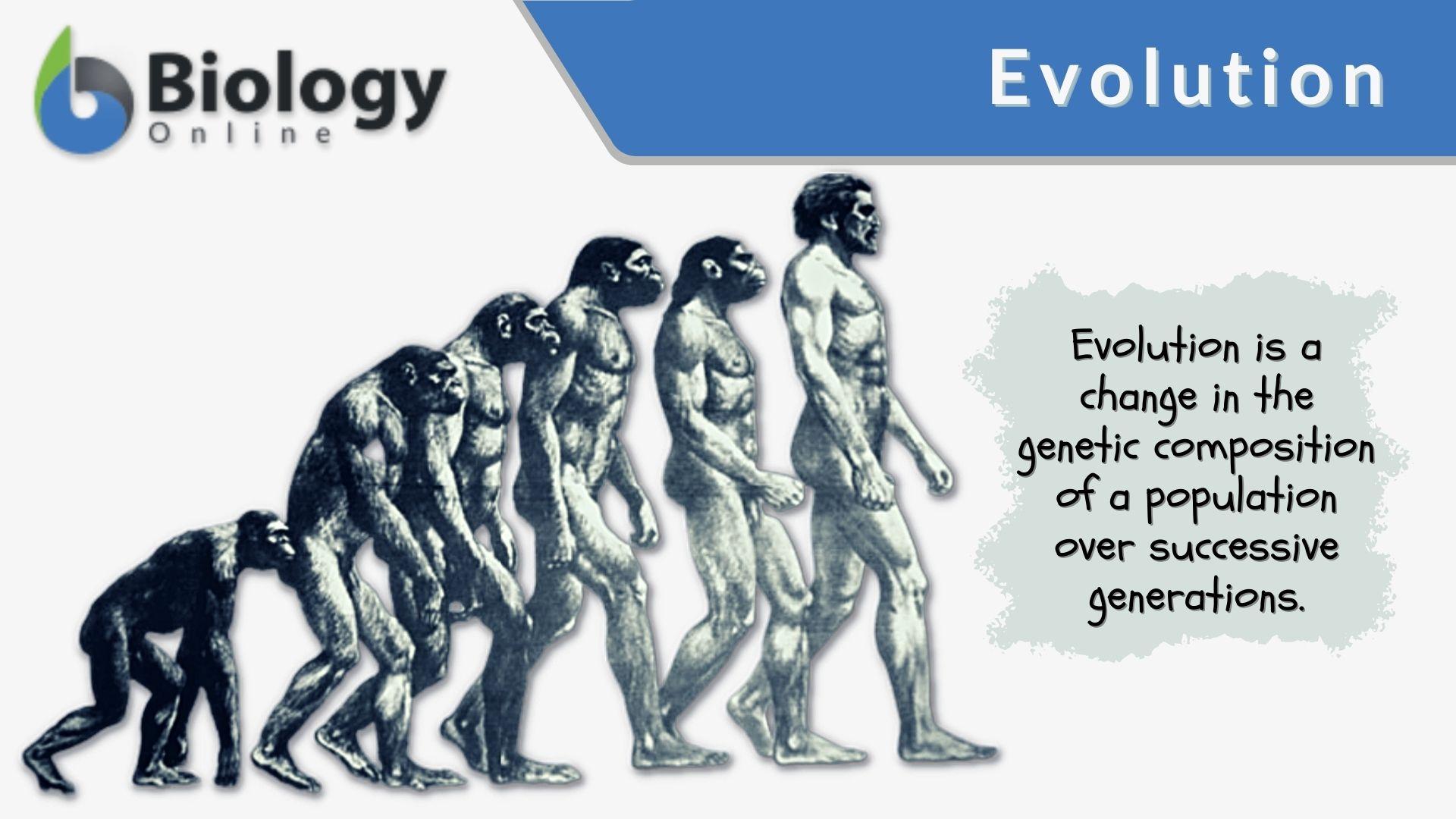
What is evolution?
Evolution is the process by which the inherited traits of biological populations change over successive generations.
100
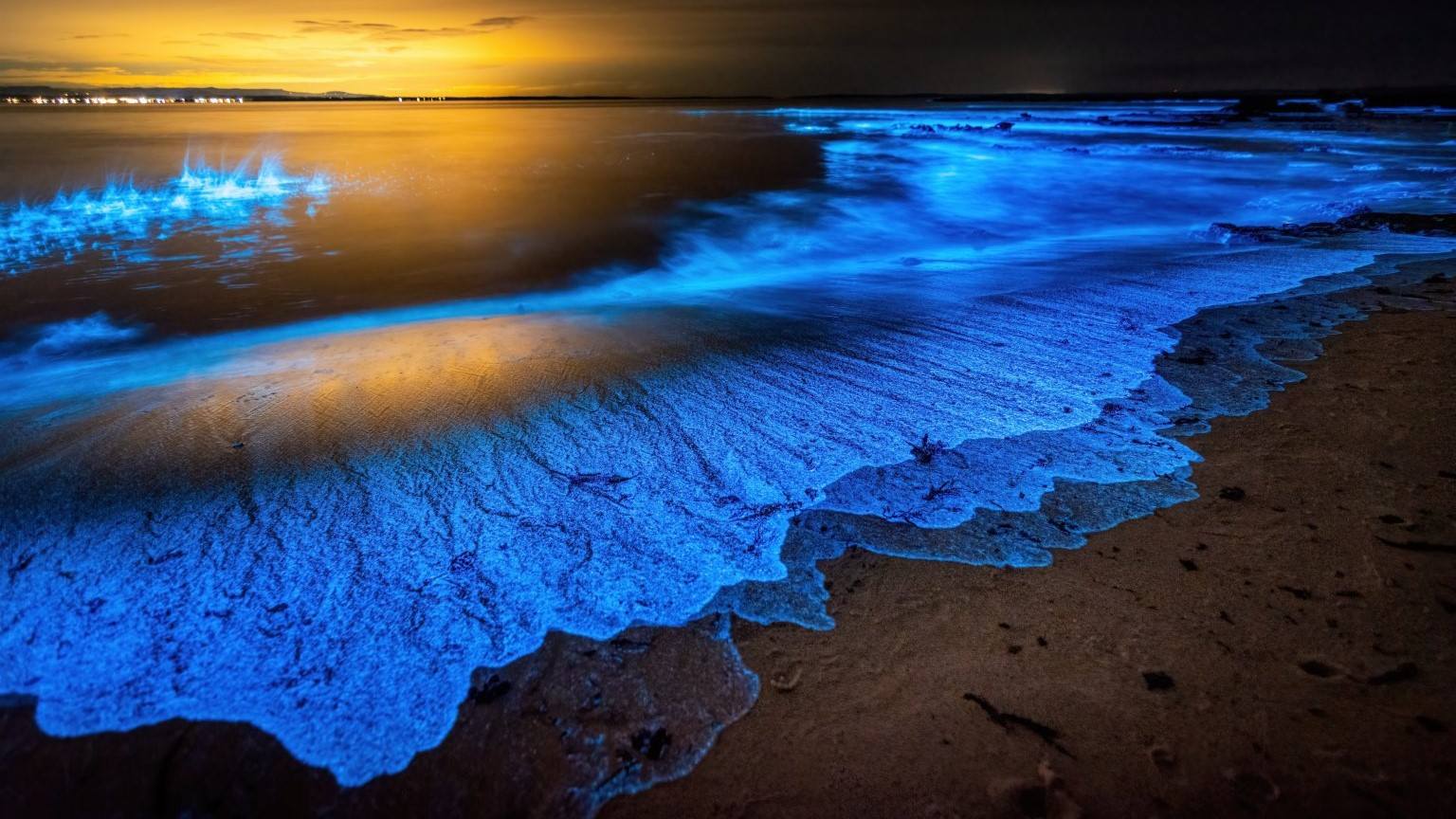
This is the term for the biological production of light, used by many deep-sea creatures to attract prey or mates in the pitch black.
bioluminescence
100
Which animal shoots blood from its eyes as a defense mechanism?
The Texas horned lizard. It can aim this stream of foul-tasting blood up to three feet away to deter predators like foxes and coyotes.
200
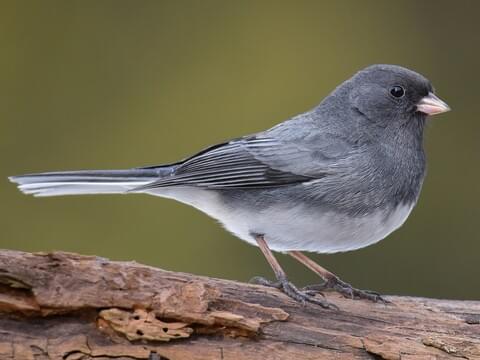
What is an example from class of a species that adapted to live in the city?
Juncos, rats, hawksbeards
200
Can an individual decide to have a specific mutation?
No, it's mostly random and then carried on or eliminated through natural selection.
200
What does it mean to be "fit"?
To be well-adapted behaviorally and/or physiologically to an environment of evolutionary adaptation and therefore to reproduce.
200
Animals like blue whales or basking sharks strain tiny drifting organisms, known as plankton, directly from the water. This feeding strategy is called what?
filter feeders

200
What species is famous for their permanent "smiles" and feathery external gills?
What is Axolotl
300
What is a selection pressure?
Any environmental factor that affects an organism's ability to survive and reproduce, such as predation, competition, environment, and disease.
300
How are adaptations and mutations related?
If the mutation does not give a reproductive/survival advantage in the species' environment, it tends to not be passed on. If it does give an advantage, then it is an adaptation.
300
What was Darwin's theory of evolution?
Natural Selection

300
When threatened by a predator, this squishy ocean floor dweller will expel its toxic internal organs to distract attackers and later regenerate them.
What is this creature?
sea cucumber
300
What is the longest-living ocean mammal?
The bowhead whale, which has an average lifespan of over 100 years and can potentially live for 200 years.
400
Describe the selection pressure for urbanized rats, the adaptation, and whether it was behavioral or physiological.
Poison. The ones with the gene for immunity to the common poison ended up becoming more prevalent. Physiological.

400
How are DNA and chromosomes related?
Chromosomes are made of tightly packed DNA. 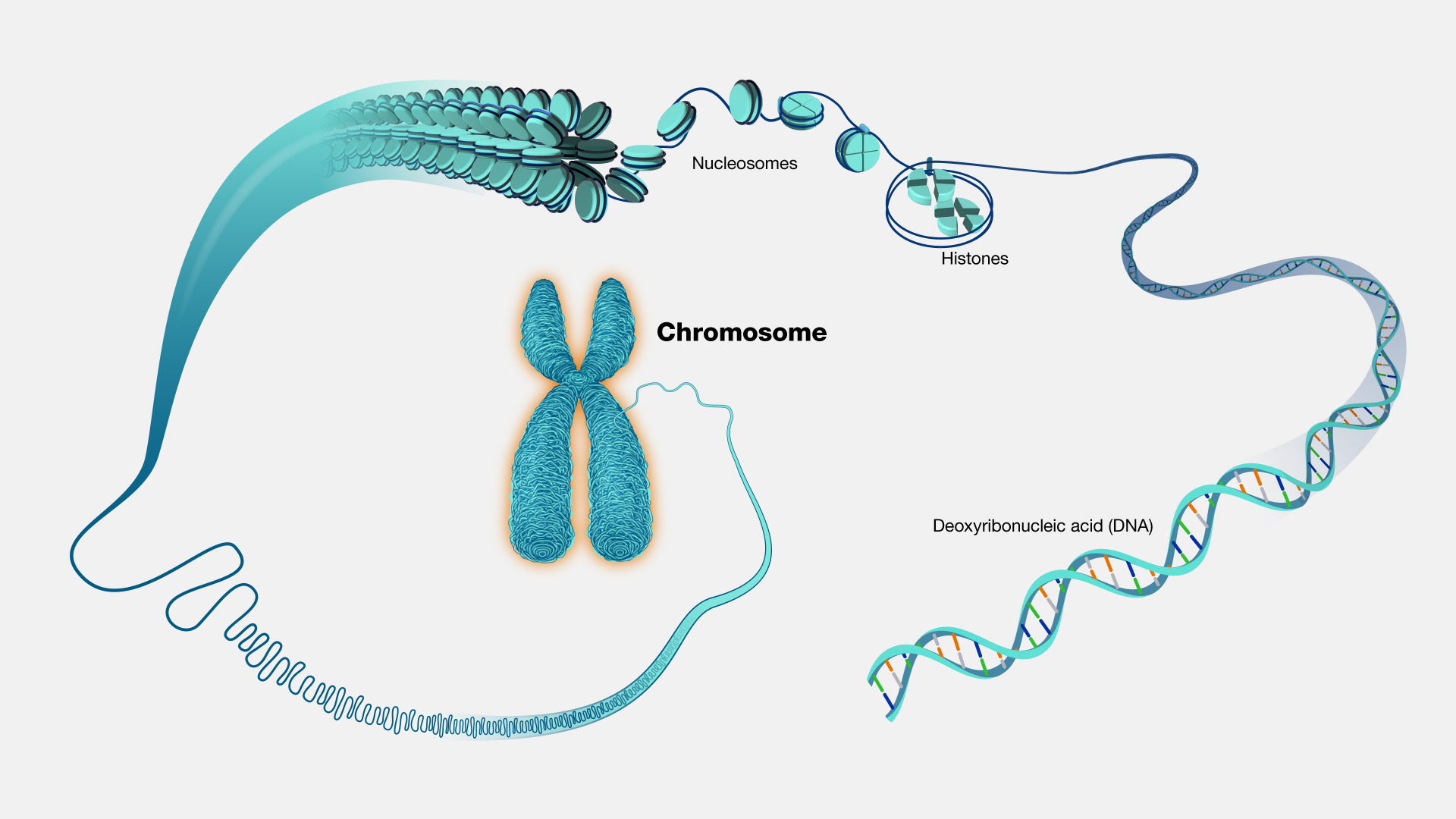
400
Who had a (discredited) competing theory of evolution and what was it?
Lamarck, Lamarckism, the theory of inheritance of acquired characteristics. He proposed that organisms can pass on physical characteristics acquired during their lifetime to their offspring.
As though these giraffes just wanted to stretch their necks to reach the trees!
400
What sea slug is one of the only animals on Earth that can perform photosynthesis
What is Costasiella kuroshimae
400
How do marine mammals like whales and seals avoid "the bends" (nitrogen bubbles in the bloodstream) while diving to crushing depths?
Their rib cages are highly flexible and collapse under extreme pressure, forcing air out of the gas-exchange regions of the lungs and preventing nitrogen absorption.
500
Describe the selection pressure for TWO of the urbanized species we learned about in class, the adaptation, and whether it was behavioral or physiological.
You can't use the same one from the 400point question.
Juncos: Predators in nature (absent in the city), scavenging food. They became more bold in the city. Behavioral.
Hawksbeard: Scarcity of fertile soil. The ones that produced less feathery seeds had a greater chance of their seeds growing nearby. Physiological.
500
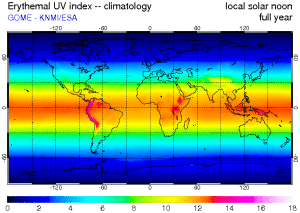
How did humans evolve to have different skin tones?
What are the selection pressures for the adaptation of human skin color?
UV light is greater near the equator, so humans adapted to have greater melanin so that the UV didn't destroy the folate in their skin, which would have caused birth defects. UV light is lesser further away, so humans adapted to have lighter skin so that they could still produce vitamin-D from the limited exposure, without which they had immune deficiencies/disease.
500
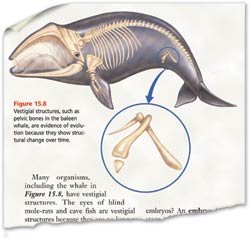
What does it mean for a trait to be "vestigial", and give an example.
It's something that was an advantage/adaptation in an ancestor of the species, and still is present, but is no longer helpful.
Examples: remnant of inner eyelid in humans, rudimentary hind legs / pelvic bone in whales, etc.
500
How do animals survive the extreme darkness and crushing pressure of the deep sea?
Deep-sea creatures, such as the anglerfish, often use bioluminescence (light produced by chemical reactions) to lure prey, communicate, and camouflage themselves. They also have flexible bodies, lack gas-filled spaces like swim bladders, and feature enormous mouths to swallow large, rare meals.
500
Q 1: What material makes up the painful "stinging hairs" covering the Gimpy Gimpy?
Q 2: What specific type of toxin do these hairs inject upon contact?
Q 3: Why can the pain from a sting last for weeks or even months?
Q 4: Why did the plant develop such an intense defense system if herbivores still eat it?
A 1: Silica. The hairs are essentially hollow, microscopic glass hypodermic needles that easily embed themselves in the skin.
A 2: Gympietides. This highly stable neurotoxic peptide—similar to that of a cone snail or spider—locks open sodium channels in sensory neurons, causing agonizing pain.
A 3: Because the silica needles are difficult to remove and the body's immune system does not break them down. If the needles are driven deep, new skin can grow right over them, continually releasing trace amounts of toxin.
A 4: Biologists hypothesize that this massive evolutionary defense originally evolved to deter now-extinct megafauna (like the giant Diprotodonts) that once browsed the ancient Australian rainforests.