Bio-History
Cells in Bio
Bio Equipment
Tiny But Mighty
Miscellaneous
100
This scientist sailed aboard the HMS Beagle and developed the theory of evolution by natural selection.
Who is Charles Darwin?
100
This organelle is known as the “powerhouse of the cell” because it produces ATP.
What is the mitochondrion?
100
This instrument uses lenses and light to magnify cells, bacteria, and tissues that cannot be seen with the naked eye.

100
This organelle acts as the cell's protein factory by assembling amino acids according to instructions from mRNA.
What is a ribosome?
100
This organ is approximately the same consistency as tofu and somehow controls your entire body.
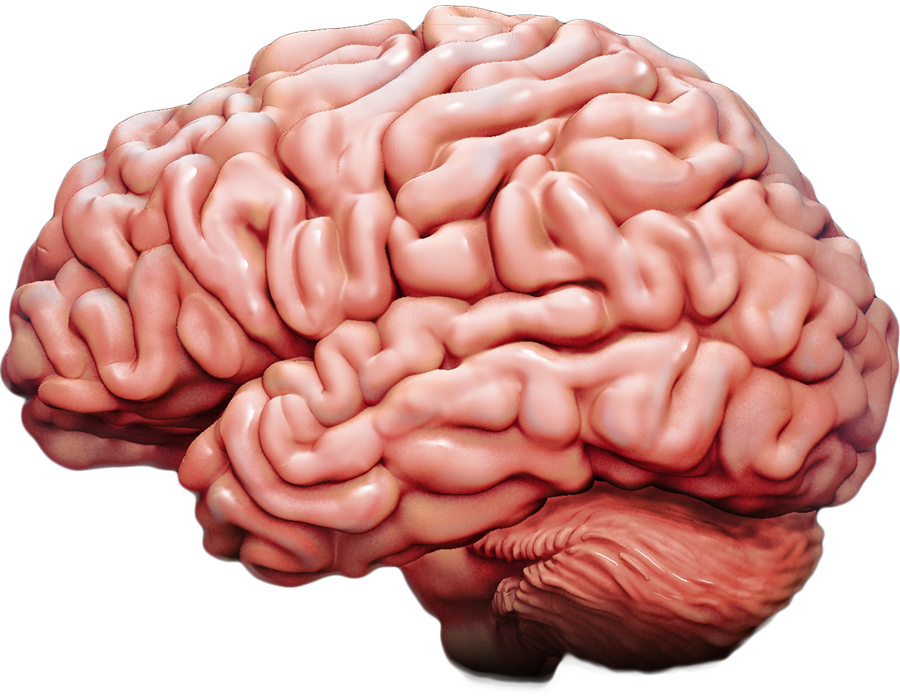 What is the brain?
200
This scientist is known as the “Father of Genetics” after studying inheritance patterns in pea plants.
Who is Gregor Mendel?
200
This structure surrounds the cell and controls what enters and leaves it.
What is the cell membrane?
200
This machine spins samples at extremely high speeds to separate cells, proteins, or DNA based on their density.
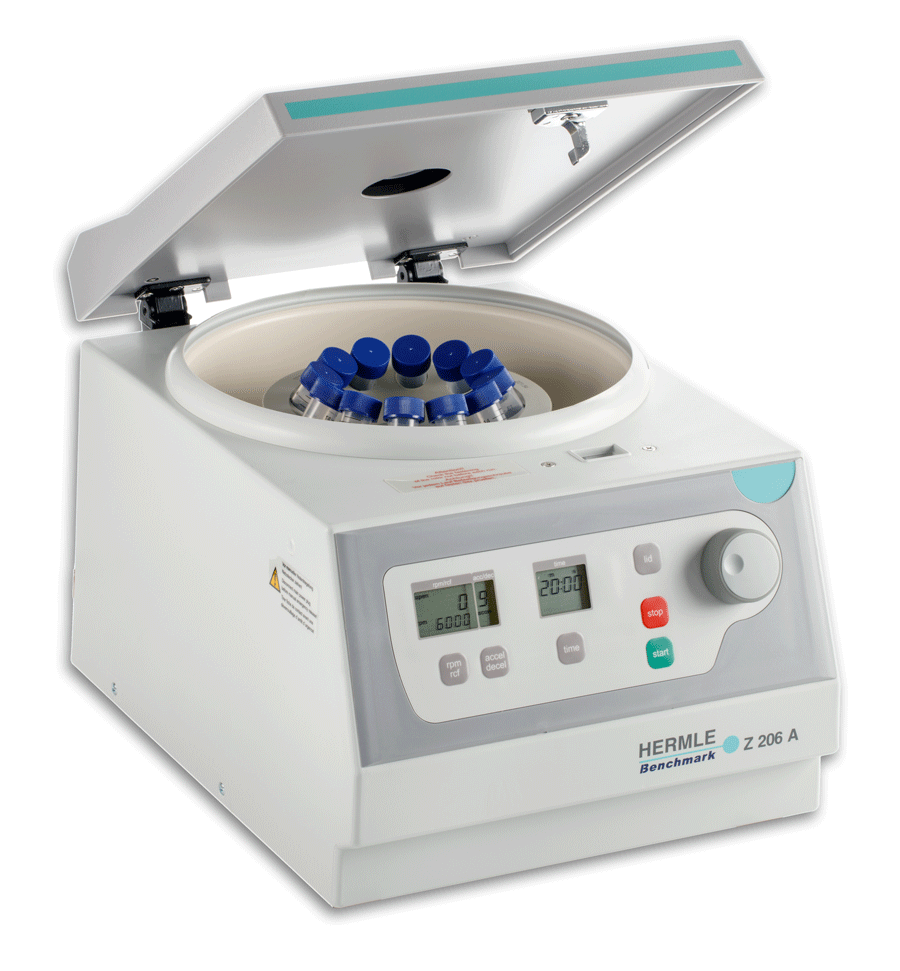
200
These structures contain DNA and become visible during cell division.
What are chromosomes?
200
Humans share approximately 60% of their DNA with this yellow fruit, meaning you are technically more banana than you might expect.
 What is a banana?
300
In 1928, this scientist accidentally discovered the first antibiotic after noticing mold killed bacteria in his laboratory.
Who is Alexander Fleming?
300
During this stage of the cell cycle, chromosomes line up in the middle of the cell before being separated.
What is metaphase?
300
This Nobel Prize-winning technology uses a beam of electrons instead of light to determine the three-dimensional structures of proteins and viruses at nearly atomic resolution, allowing scientists to visualize molecules such as the SARS-CoV-2 spike protein.
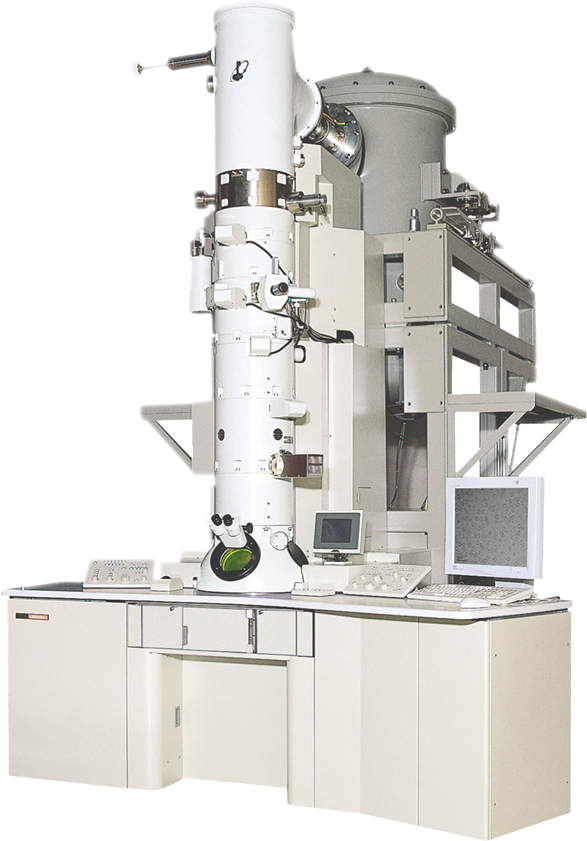
What is cryo-electron microscopy (cryo-EM)?
300
This molecule carries the genetic instructions copied from DNA to the ribosome during protein synthesis.
What is messenger RNA (mRNA)?
300
If all the DNA in one human body were stretched end-to-end, it would reach this celestial object over 300 times.
 What is the Sun?
400
This famous 1953 discovery by Watson and Crick revealed the structure of DNA.
What is the double helix?
400
This cellular process allows water to move across a semipermeable membrane from an area of low solute concentration to high solute concentration.
What is osmosis?
400
This technology can measure the activity of thousands of individual cells at once, allowing scientists to determine which genes are turned on in every single cell within a tumor.
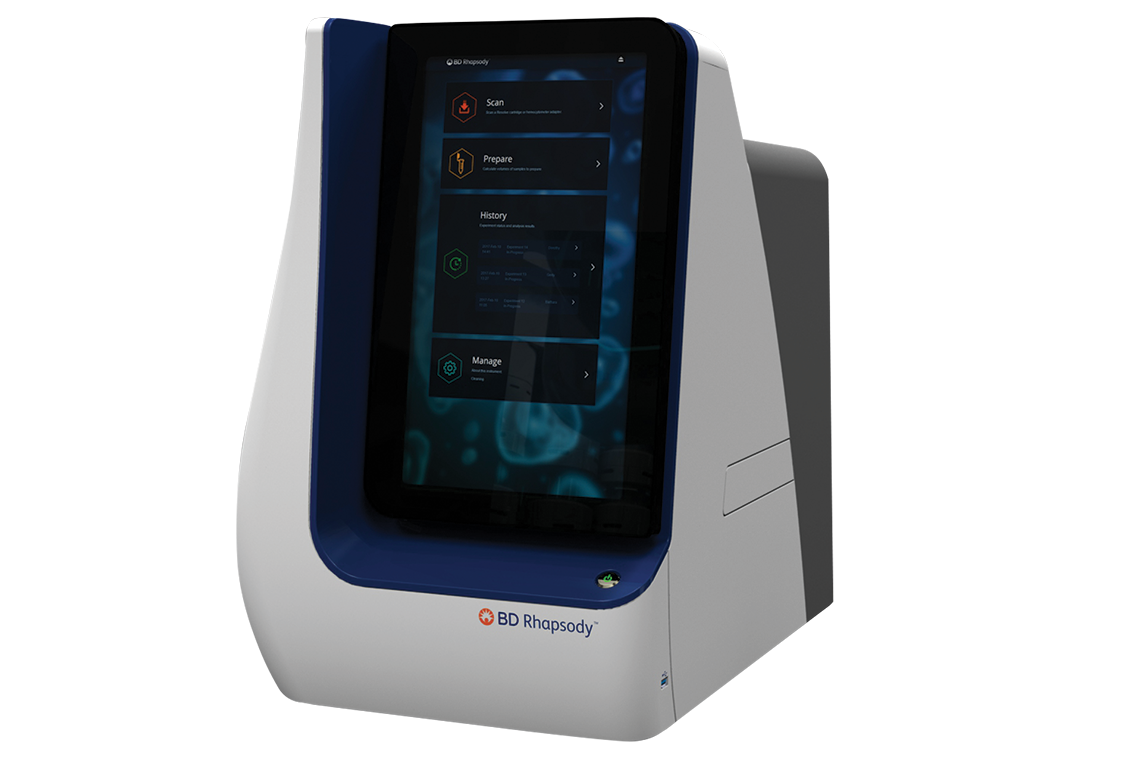
What is single-cell RNA sequencing?
400
This molecular machine acts like tiny scissors that can cut DNA at specific locations and has revolutionized gene editing.
What is CRISPR-Cas9?
400
This tiny animal can survive outer space, extreme heat, freezing temperatures, and radiation, making it biology's unofficial superhero.
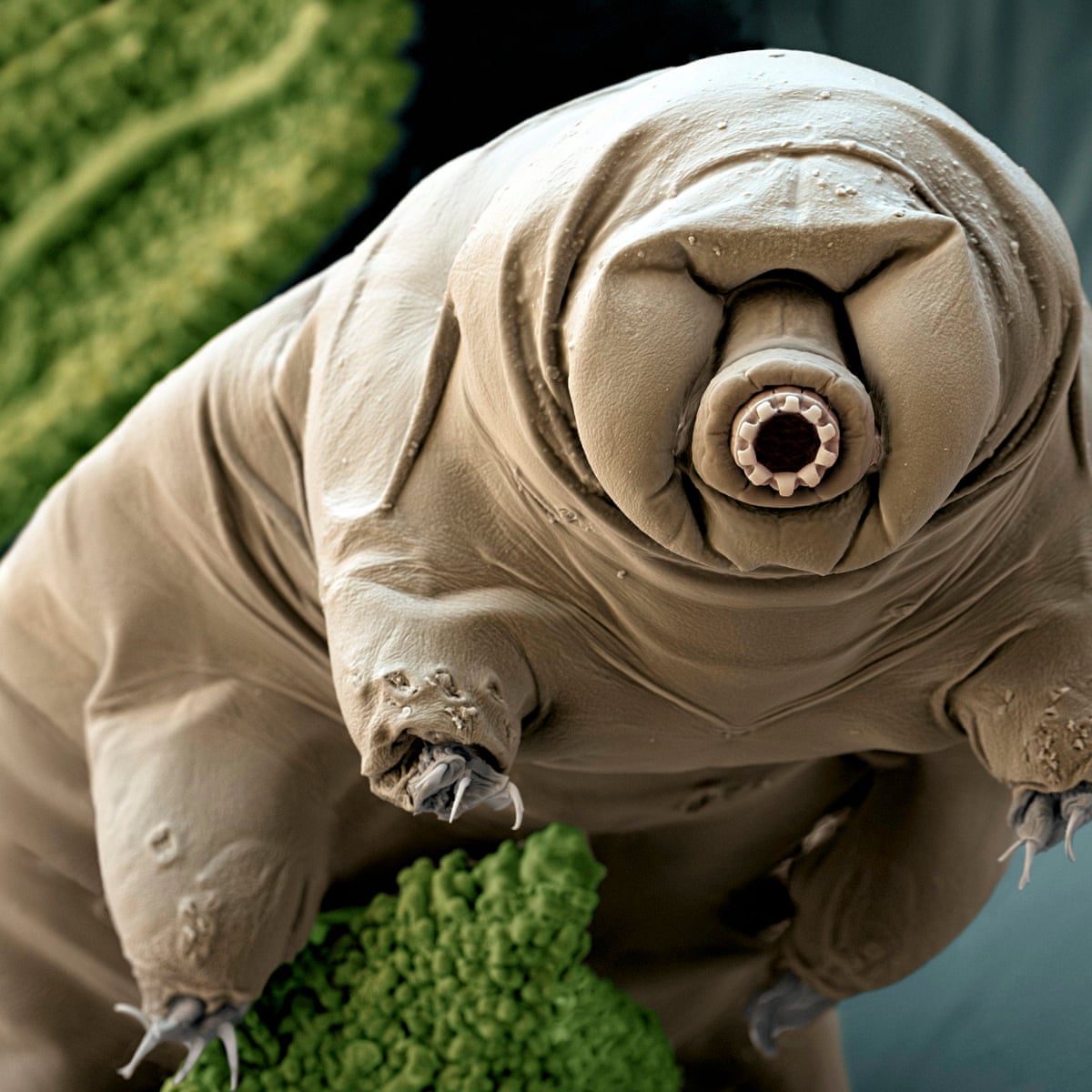 What is a tardigrade (water bear)?
500
This experiment performed by Hershey and Chase in 1952 demonstrated that this molecule, rather than protein, carries genetic information.
What is DNA?
500
This organelle modifies, sorts, and packages proteins before they are transported to their final destination.
What is the Golgi apparatus?
500
This technology allows scientists to see the location of proteins or genes directly within tissue sections, creating a molecular map of a tumor one cell at a time.

What is spatial proteomics (or spatial transcriptomics)?
500
These structures found at the ends of chromosomes shorten as cells divide and are often associated with aging.
What are telomeres?
500
Scientists discovered that this species can recognize itself in a mirror, use tools, solve puzzles, hold grudges, and may actually remember people who annoy them.
 What is a crow (or raven)?