Immunity
Neurons
The Brain
The Eye
The Other Senses
100
This type of defense is not picky about what kinds of pathogens it will defend against; examples are skin and mucus production.
What is a nonspecific defense?
100
The structure in the neuron that contains the nucleus
What is the cell body?
100
An immediate, inborn, involuntary reaction to a stimulus
What is a reflex?
100
This structure of the eye bends light and focuses an upside-down ima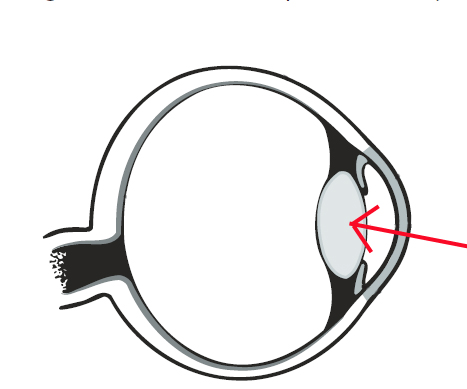 ge
ge
What is the lens?
100
This sense works together with taste buds to help us taste our food
What is smell?
200
These tell macrophages which substances are foreign and need to be attacked
What are antigens?
200
This carries impulses away from the neuron's cell body
What is the axon?
200
The largest part of the brain and is responsible for conscious activities
What is the cerebrum?
200
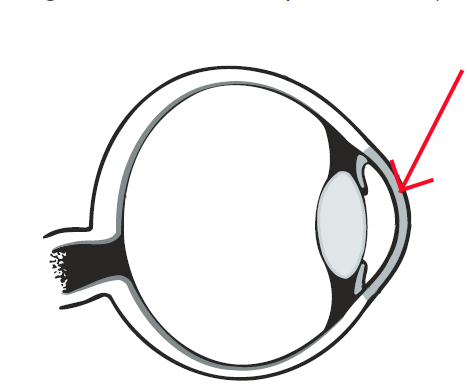
What is the cornea?
200
Sound waves vibrate this, a membrane found at the end of your ear canal
What is the eardrum?
300
Proteins that react to specific antigens found on a pathogen
What are antibodies?
300
Signals from your brain or spinal cord to muscles and other parts of your body are carried by these
What are motor neurons?
300
Functions in involuntary motor control
What is the cerebellum?
300
Contains receptors that are sensitive to light
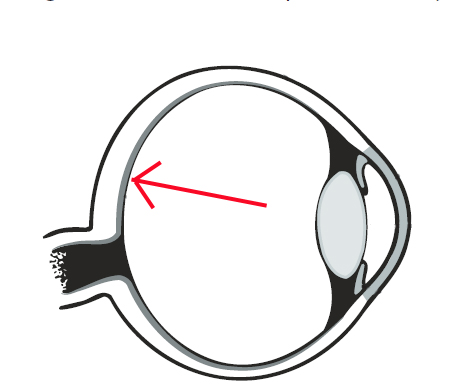
What is the retina?
300
Your semicircular canals help you maintain this
What is your balance?
400
Both a vaccine and memory T cells and B cells from a previous infection give you this type of immunity
What is active immunity?
400
The gap between the axon and the dendrite of two nearby neurons
What is a synapse?
400
Relays impulses between the brain and the rest of the body and is protected by the vertebral column
What is the spinal cord?
400
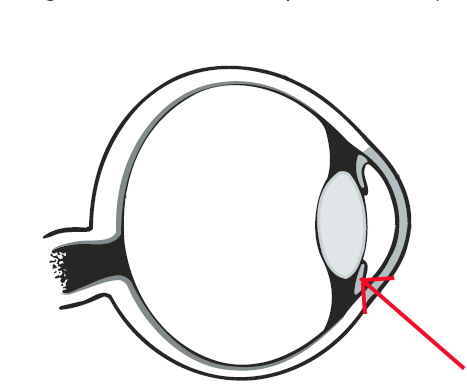
What is the iris?
400
The snail-shaped structure within the ear that initiates the nerve impulse from the ear to the brain
What is the cochlea?
500
Antibodies are produced by these
What are B cells?
500
A neuron carrying an impulse emits these to bridge the synapse
What are neurotransmitters (special chemicals)?
500
Helps control breathing, heartbeat, and blood pressure
What is the brain stem?
500
Carries impulses from the receptors to the brain
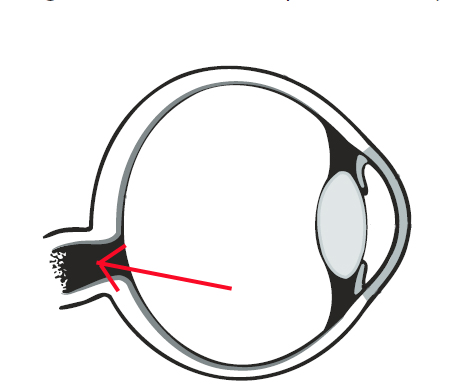
What is the optic nerve?
500
Neurons in your skin that are each able to respond to different stimuli
What are sensory receptors?