HEAD & EYES
HEART & BLOOD
LUNGS & BREATHING
DIGESTIVE SYSTEM
WHO DOES WHAT?
100
True/False
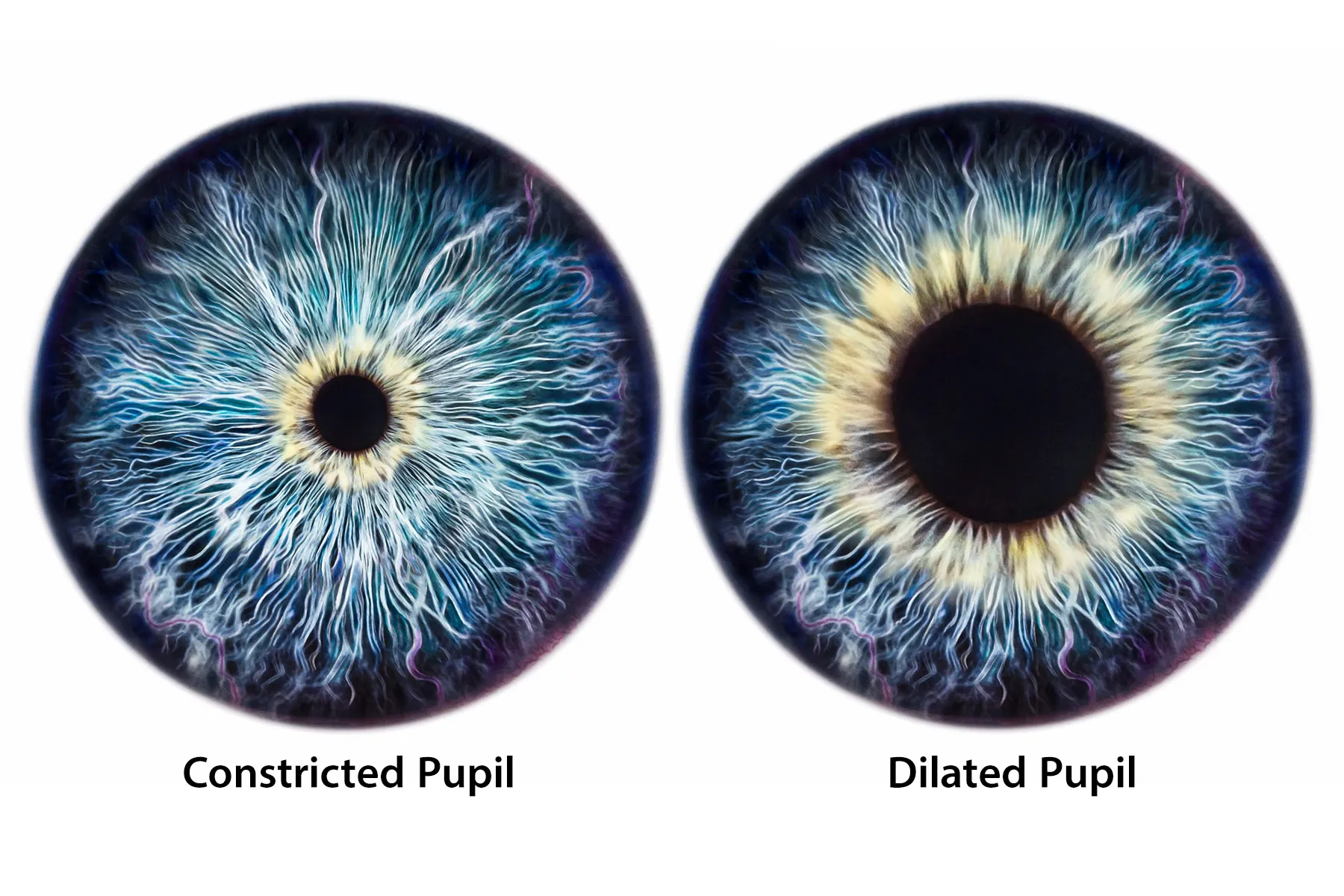
If the pupil becomes smaller, less light is able to enter the eye.
True
Explanation: The pupil is the opening through which light enters. The iris controls its size. In bright conditions, the pupil constricts to reduce the amount of light entering.
100
TRUE OR FALSE
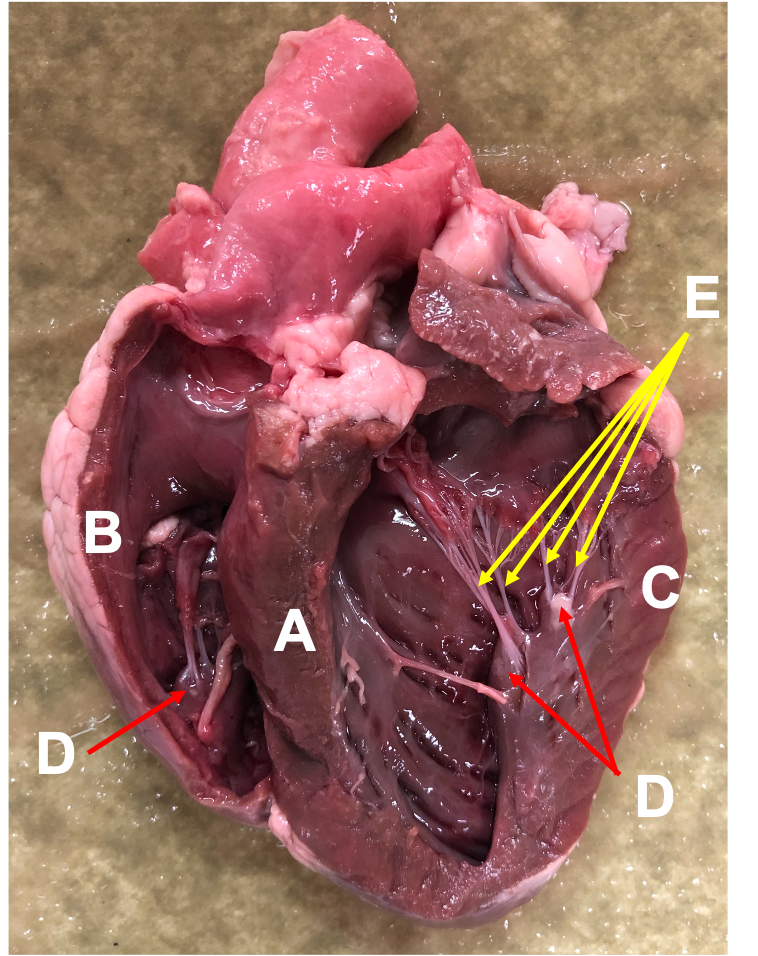
Your heart is a muscle.
True
Explanation: The heart is made mostly of a special type of muscle that contracts to pump blood.
100
TRUE OR FALSE
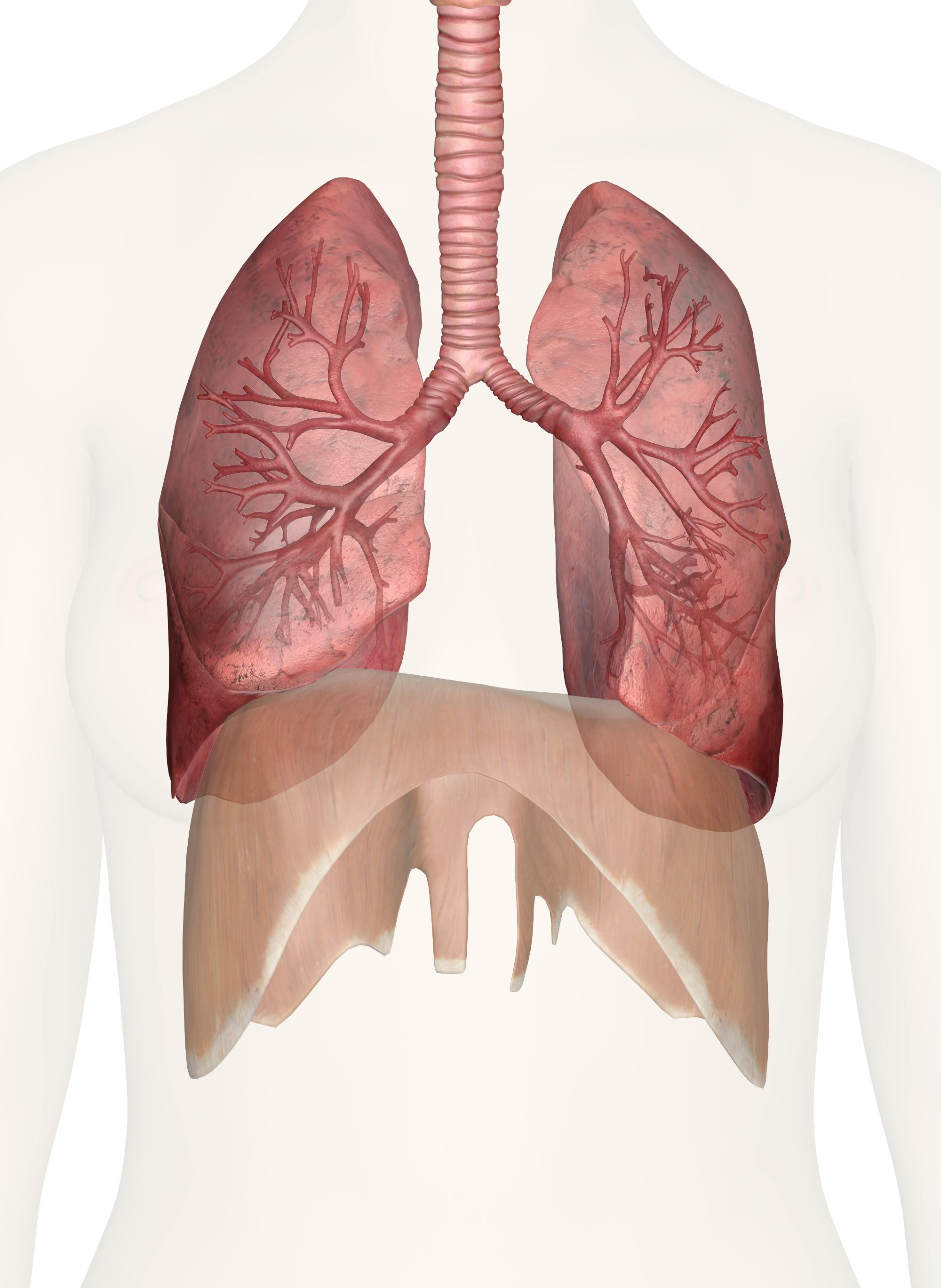
The right lung is slightly larger than the left lung.
True
Explanation: The left lung is slightly smaller because the heart takes up some space on the left side of the chest.
100
TRUE OR FALSE
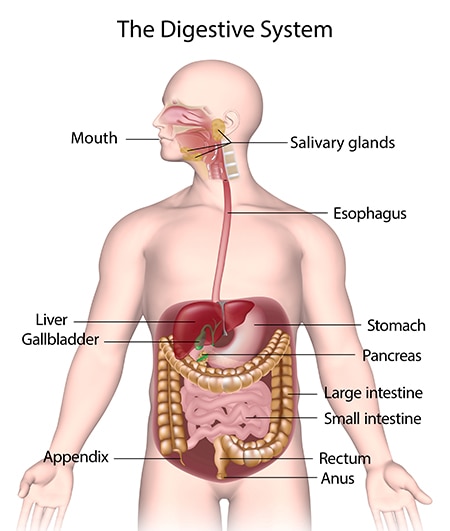
Digestion begins in your mouth.
True
Explanation: Your teeth break food into smaller pieces, while saliva begins chemical digestion.
100
MULTIPLE CHOICE
Which organ acts like a chemical-processing center for the body and also produces bile?
A. Liver
B. Kidney
C. Lung
D. Bladder
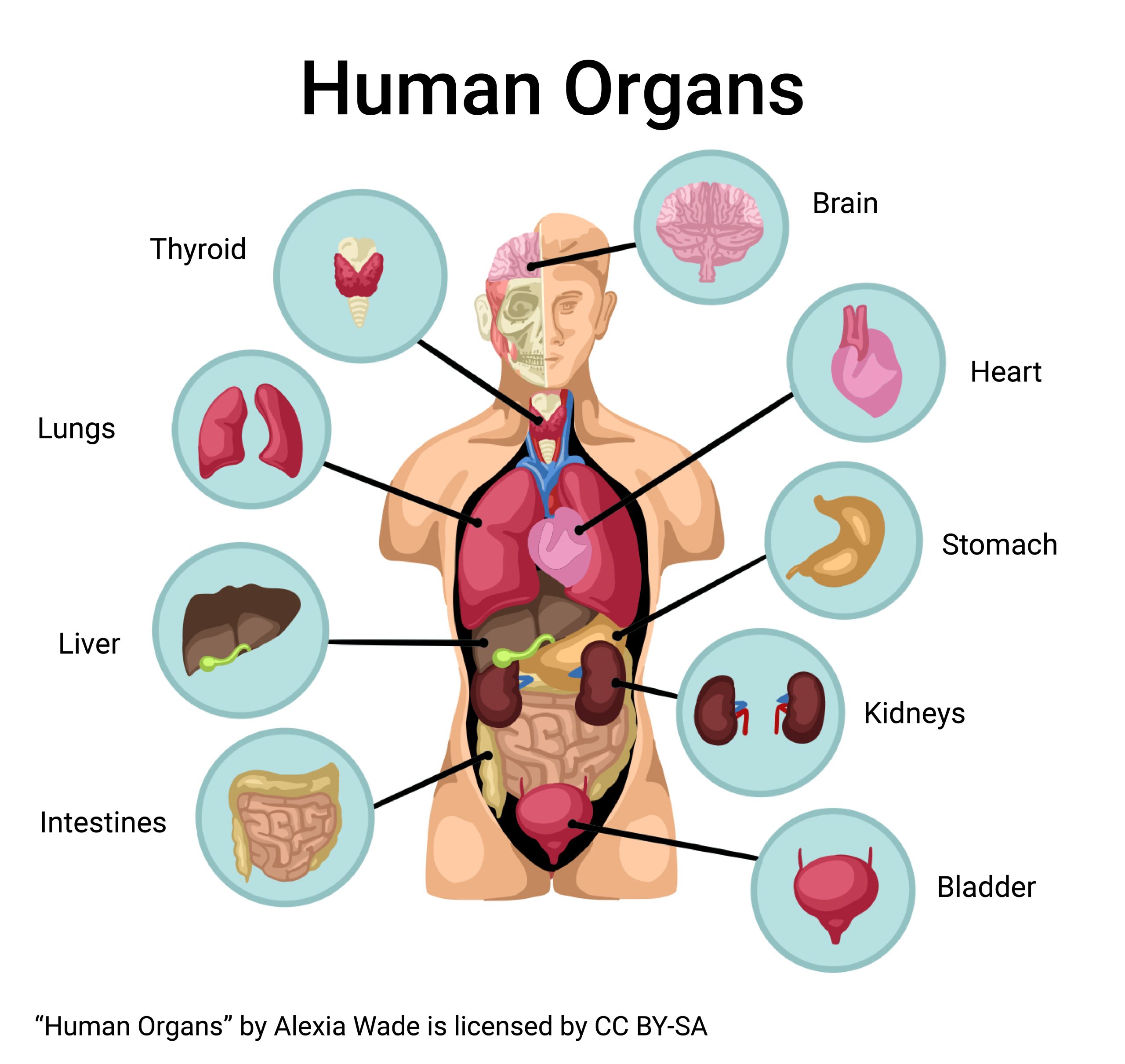
A — Liver
200
MCQ
A person walks from a dark room into bright sunlight. Which change would occur first to help protect the retina from excessive light?
A. The lens becomes completely flat
B. The retina moves backward
C. The pupil becomes smaller
D. The optic nerve closes

C
The pupil becomes smaller
200
MULTIPLE CHOICE
How many chambers does the human heart have?
A. 2
B. 3
C. 4
D. 5

C- 4
200
MULTIPLE CHOICE
Which muscle helps your lungs fill with air when you breathe in?
A. Biceps
B. Diaphragm
C. Heart muscle
D. Stomach muscle

B- Diaphragm
200
TRUE OR FALSE
Your stomach is the main place where your body absorbs nutrients from food.
False
Explanation: Most nutrient absorption takes place in the small intestine.
200
TRUE OR FALSE
Your kidneys help remove waste from your blood.
True
300
True/False
The part of the eye that gives it its color also directly detects light.

False
Explanation: The iris gives the eye its color and controls the pupil, but the retina contains the photoreceptors that detect light.
300
TRUE OR FALSE
The heart is completely on the left side of your chest.

False
Explanation: The heart is near the center of the chest, although it points slightly toward the left.
300
TRUE OR FALSE
Your body needs oxygen to release energy from the food you eat.
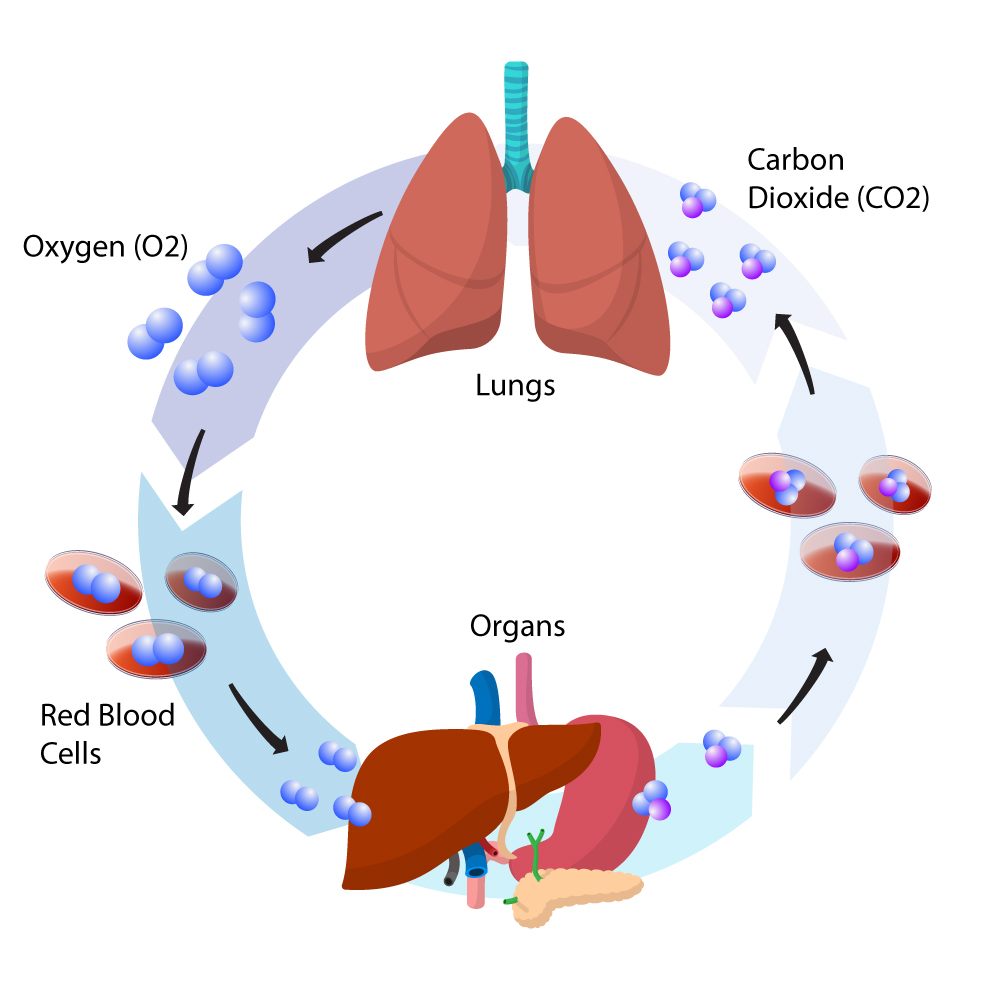
True
Explanation: Your cells use oxygen along with nutrients from food to release usable energy.
300
MULTIPLE CHOICE
Which organ produces bile, which helps your body digest fats?
A. Stomach
B. Liver
C. Small intestine
D. Pancreas
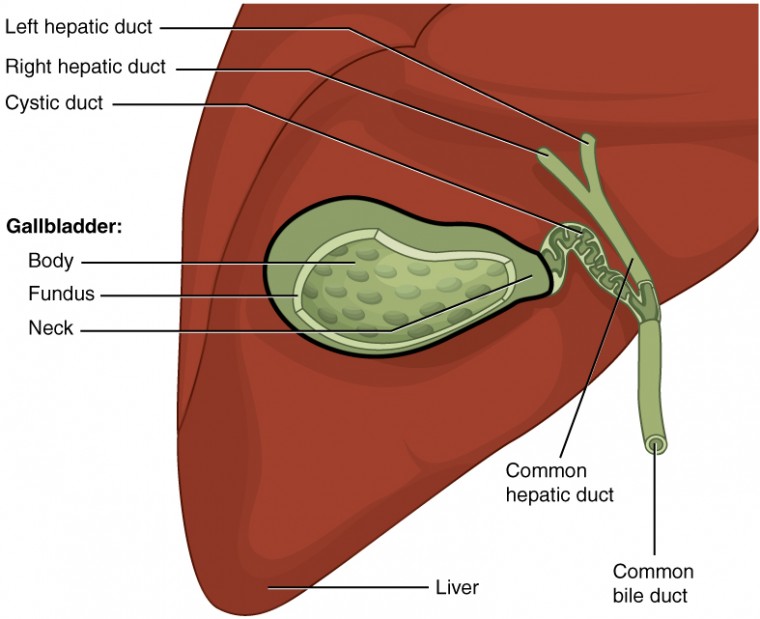
B — Liver
300
TRUE OR FALSE
The spleen is an organ through which food passes during digestion.
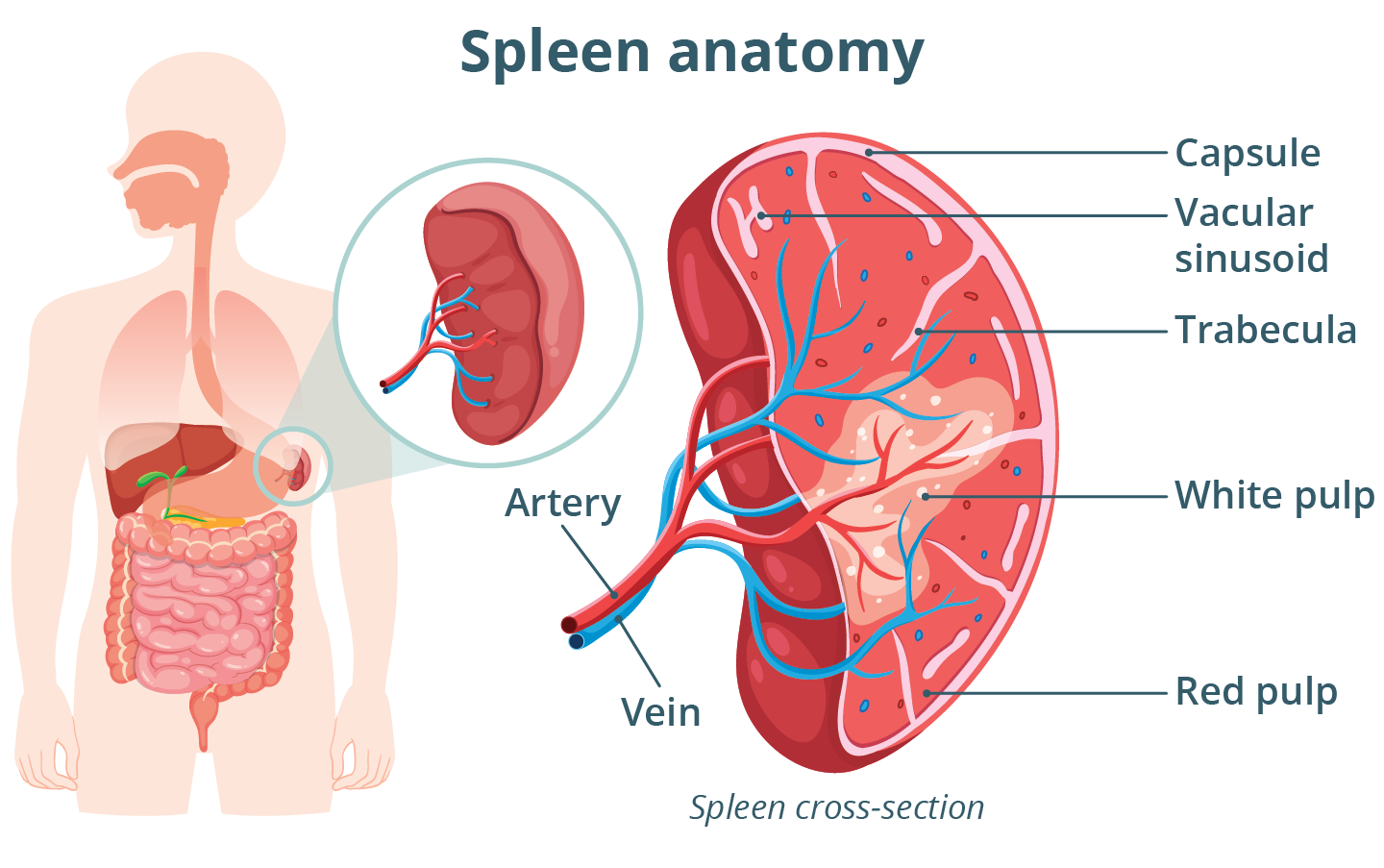
False
Explanation: Food never passes through the spleen. The spleen helps with the immune system and filters blood.
400
MCQ
If the lens of the eye becomes less flexible with age, which ability would most likely become more difficult?
A. Detecting bright light
B. Detecting colors
C. Producing tears
D. Seeing nearby objects clearly

D- Seeing nearby objects clearly
Explanation: The lens must change shape to focus on nearby objects. Reduced lens flexibility is associated with presbyopia.
400
TRUE OR FALSE
Blood carries oxygen from the lungs to other parts of your body.

True
Explanation: Oxygen enters the blood in the lungs. The blood then carries it to cells throughout the body.
400
TRUE OR FALSE
When you breathe in, your diaphragm moves downward.
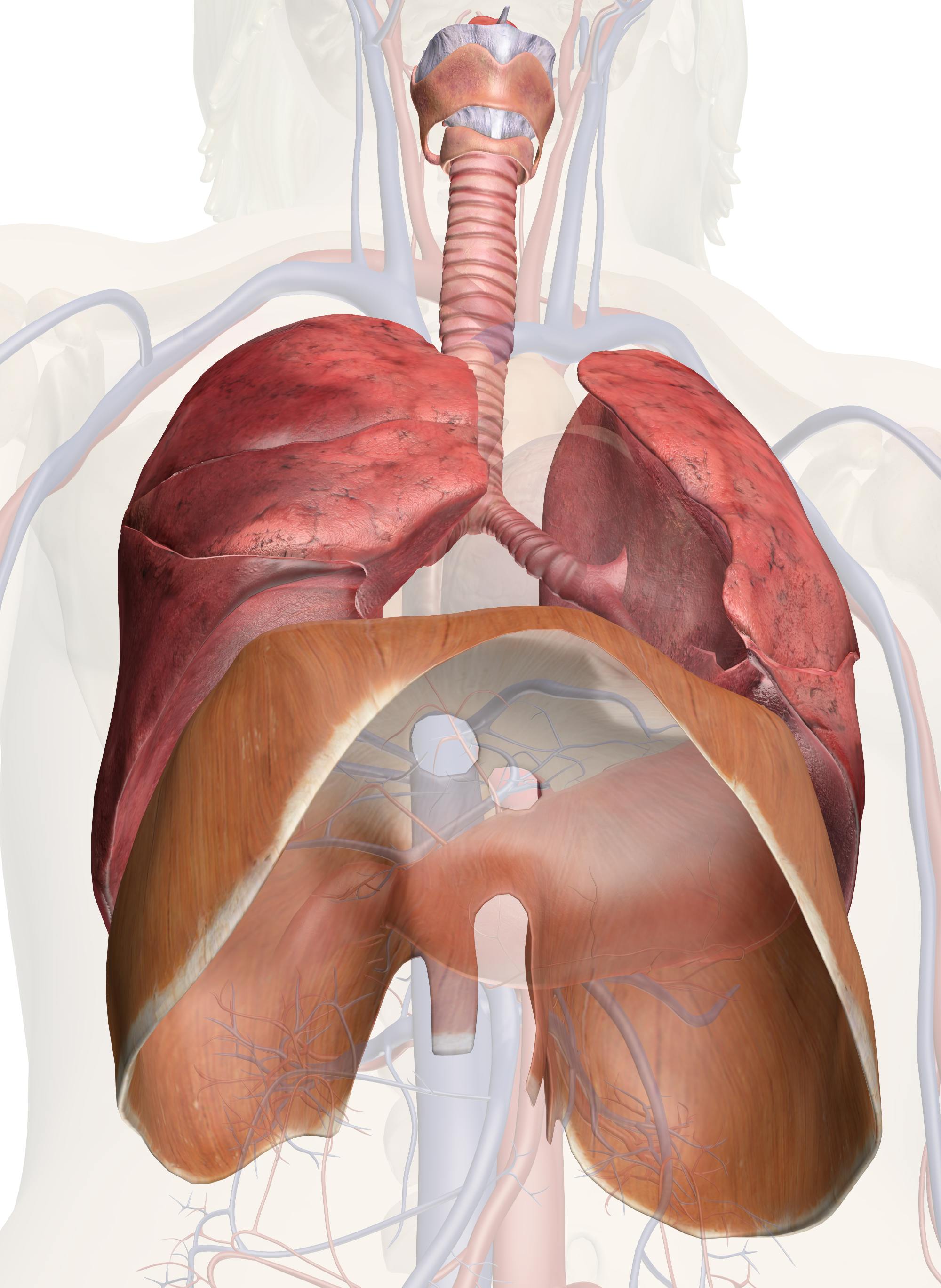
True
Explanation: The diaphragm contracts and moves downward, creating more space for the lungs to expand.
400
MULTIPLE CHOICE
Why does the small intestine have many tiny folds and finger-like structures called villi?
A. To increase the area available to absorb nutrients
B. To make food taste better
C. To store food
D. To produce oxygen
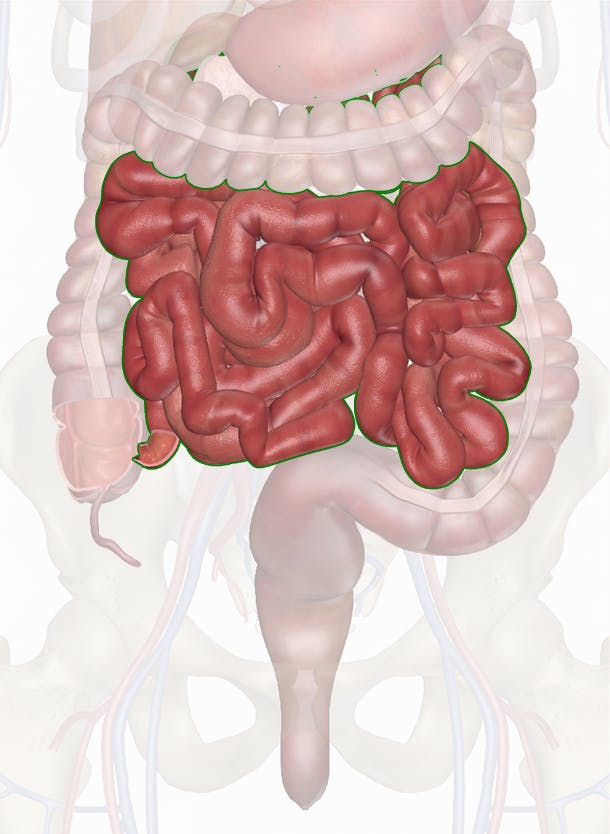
A. To increase the area available to absorb nutrients
400
MULTIPLE CHOICE
Which organ produces insulin, a hormone that helps control blood sugar?
A. Liver
B. Kidney
C. Stomach
D. Pancreas
D- Pancreas
500
MULTIPLE CHOICE
Which part of the eye contains cells that detect light?
A. Retina
B. Iris
C. Pupil
D. Eyelid
A- Retina
Explanation: The retina contains special cells that respond to light and send information toward the brain.
500
MULTIPLE CHOICE
Which blood vessel carries blood from the heart to the lungs?
A. Pulmonary artery
B. Pulmonary vein
C. Aorta
D. Vena cava
A- Pulmonary artery
Explanation: The pulmonary artery carries oxygen-poor blood from the heart to the lungs to pick up oxygen.
500
MULTIPLE CHOICE
You hold your breath for a long time. What builds up in your blood and eventually makes you strongly want to breathe?
A. Carbon dioxide
B. Oxygen
C. Water
D. Calcium

A — Carbon dioxide
500
TRUE OR FALSE
The small intestine is actually longer than the large intestine.

True
Explanation: The small intestine is called "small" because it has a smaller diameter, not because it is shorter.
500
TRUE OR FALSE
The liver and kidneys have exactly the same job because both deal with waste in the blood.
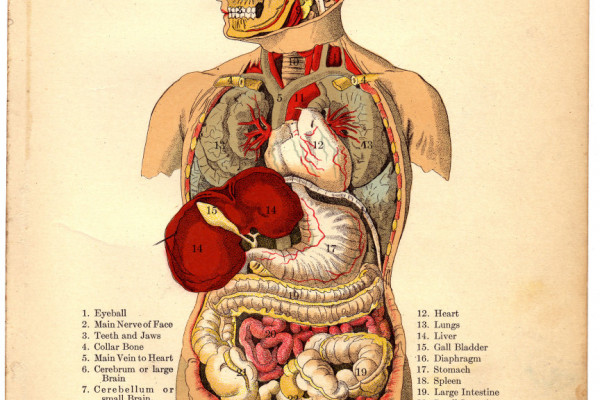
False
Explanation: They have different jobs. The kidneys filter blood and produce urine, while the liver performs many jobs including processing nutrients and producing bile.