Respiratory
skeletal
circulatory
muscular
nervous
100
Spongy, air-filled sacs that contain the bronchi, bronchioles, and alveoli
 Lungs
Lungs
100
How many bones are in an adult human body?
a. 270
b. 206
c. 306
d. 370
b. 206
100
Where are red blood cells produced?
Bone marrow
100
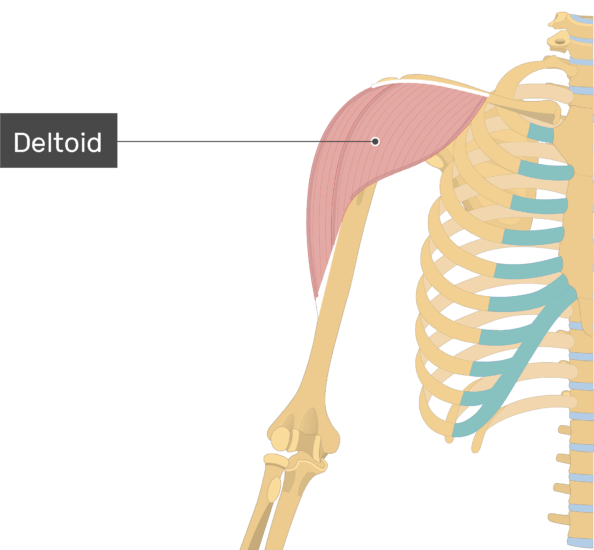
Name this muscle.
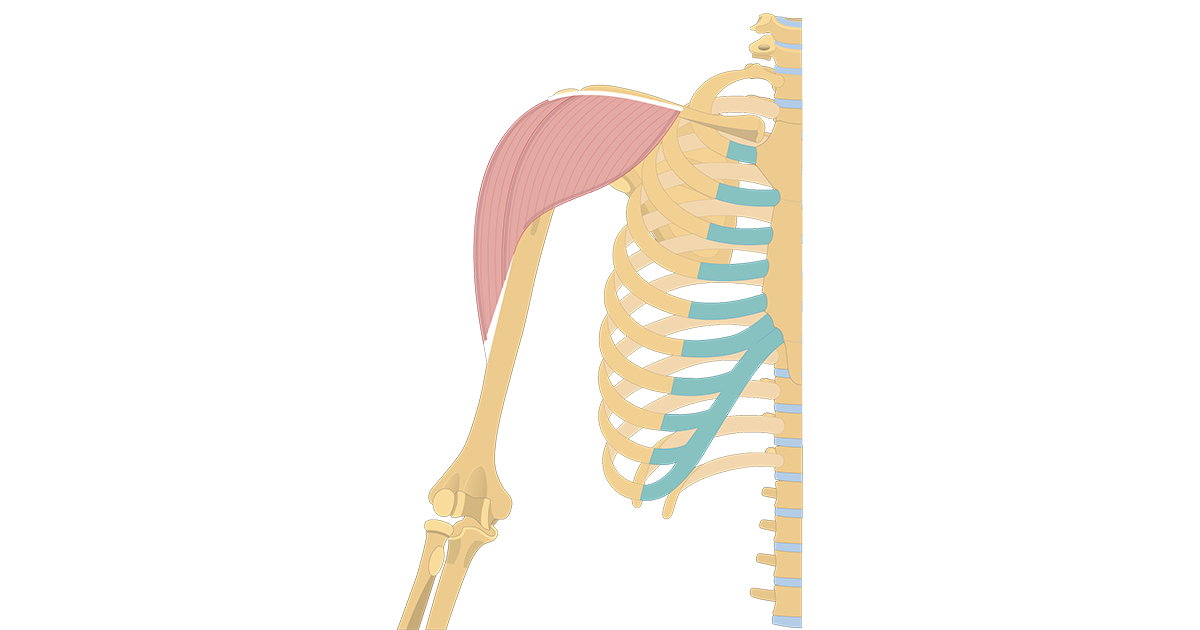
Deltoid
100
What are nerve cells called?
/g-neuron-56a792cd5f9b58b7d0ebd043.jpg)
Neurons
200
Another word for our larynx
Vocal cords
200
Another name for your clavicle.
collar bone 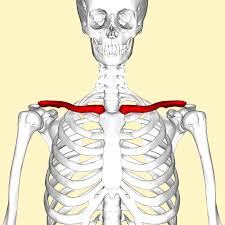
200
A person who has type ______ blood is called a universal recipient.
A AB B O
AB
200
Major types of muscle
smooth muscle, cardiac muscle, skeletal muscle

200
largest part of the brain

cerebrum
300
 located under the lungs , this body part expands as air comes in and out of our body
diaphragm
300
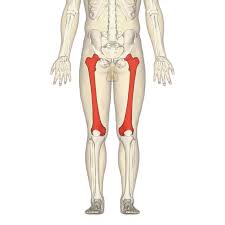
largest bone in our human body
femur
300
How many chambers make up a human heart?
four
300
Is this smooth, cardiac, or skeletal muscle?

Smooth
300
This part of the nervous system is protected by a column of bones that stack together.
Spinal cord
400
Name four organs of the respiratory system.
Trachea, lungs, diaphragm, nose, mouth, bronchi, bronchioles, alveoli (any four is fine)
400
smallest bone in the body is located: ___________
In our ears
400
Which chamber of your heart is the strongest?
a. left atrium
b. right atrium
c. left ventricle
d. right ventricle
C. Left ventricle

400
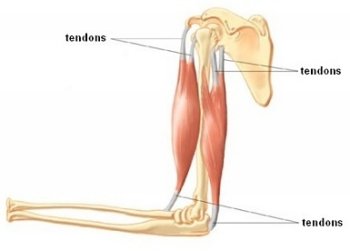
connect bones and muscles together
tendon
400
Part of the brain that helps us solve problems and control our impulses. This part isn't fully developed until age 25
Frontal lobe
500
often referred to to as the windpipe
trachea
500
Cervical, thoracic, lumbar, sacrum, coccyx. These are regions of __________________
the spine.
500
These are the tiny blood vessels that exchange carbon dioxide and oxygen.
Capillaries 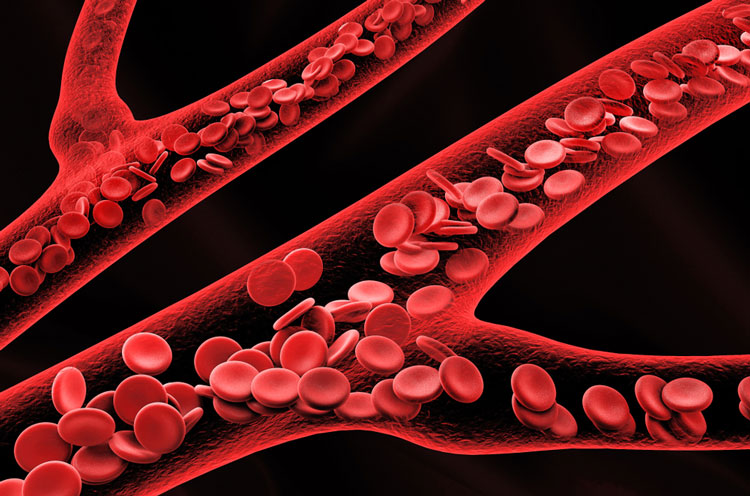
500
These connect bones to other bones.
Ligaments
500
Part of the brain that helps us balance. 
cerebellum