Flush It Out
Cut to the Chase
Pus Problems
Close it or Don't
Red Flags
Wound or Worse?
100
This is the primary purpose of wound irrigation.
What is removing debris, bacteria, and foreign material to reduce infection risk?
100
This is the first priority when treating an actively bleeding laceration.
What is direct pressure or hemorrhage control?
100
This is the classic physical exam finding of a drainable abscess.
What is fluctuance?
100
This is the term for closing a wound immediately after cleaning and evaluation.
What is primary closure?
100
Loss of sensation distal to a wound suggests injury to this structure.
What is a nerve?
100
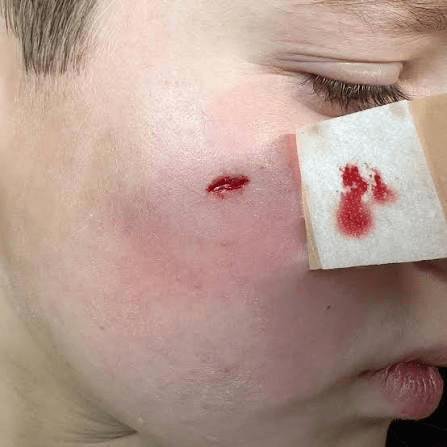
Identify the likely wound type and basic management.
What is a simple minor laceration managed with irrigation, neurovascular assessment, and closure if appropriate?
200
This type of fluid is commonly used for wound irrigation in the field or clinic.
What is normal saline or clean potable water?
200
This exam should be documented before and after treating an extremity laceration.
What is neurovascular status?
200
This bedside tool can help distinguish cellulitis from an abscess.
What is ultrasound?
200
This is the term for leaving a wound open initially and closing it later.
What is delayed primary closure?
200
A hand wound caused by punching someone in the mouth is commonly called this.
What is a fight bite or clenched-fist injury?
200

This wound needs this before closure is considered.
What is thorough irrigation and foreign body removal?
300
These substances should generally be avoided inside wounds because they can damage healthy tissue and delay healing.
What are hydrogen peroxide, iodine, alcohol, or other cytotoxic antiseptics?
300
Before closing a laceration, the medic should assess for injury to these three major structures.
What are tendons, nerves, and blood vessels?
300
This is the primary treatment for a simple cutaneous abscess.
What is incision and drainage?
300
This is the term for allowing a wound to heal naturally without sutures or staples.
What is healing by secondary intention?
300
A wound with exposed tendon, bone, or joint usually requires this.
What is higher-level evaluation or surgical consultation?
300
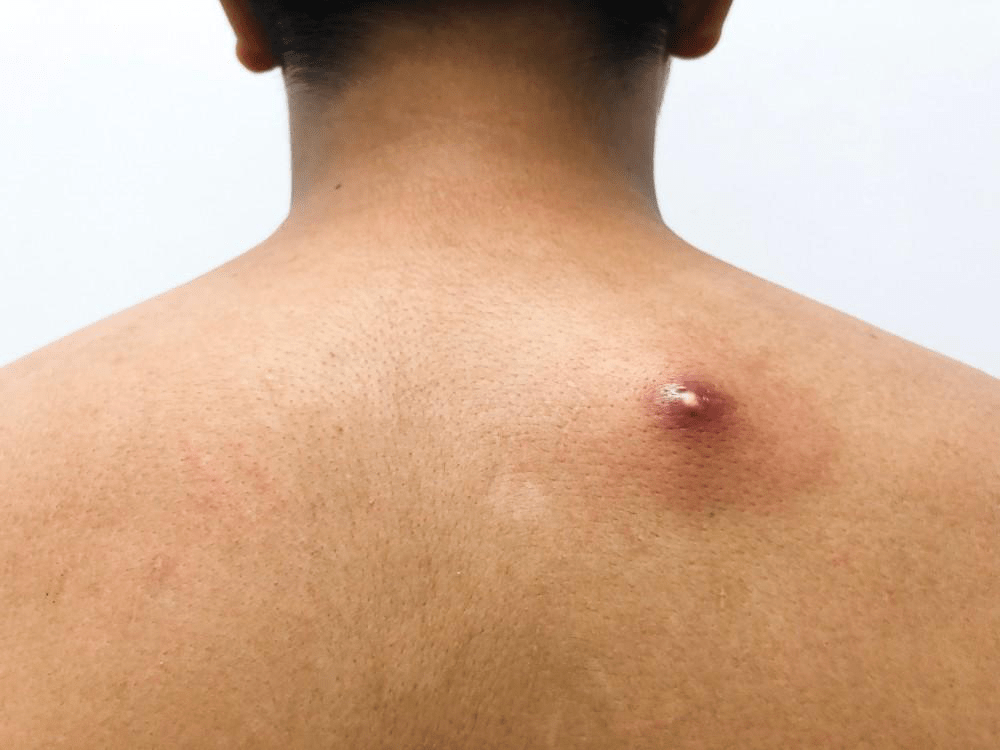
Identify the diagnosis and primary treatment.
What is a cutaneous abscess requiring incision and drainage?
400
This is one of the most important factors in reducing bacterial load during wound irrigation.
What is using an adequate volume of irrigation?
400
Inability to actively flex or extend a finger after a laceration suggests injury to this structure.
What is a tendon?
400
This instrument is commonly used to break up loculations inside an abscess cavity.
What is a hemostat?
400
These wounds are often not closed tightly because of high infection risk.
What are infected wounds, grossly contaminated wounds, bite wounds, puncture wounds, or abscess cavities?
400
Pain out of proportion, rapidly spreading redness, crepitus, fever, or systemic toxicity should raise concern for this life-threatening infection.
What is necrotizing soft tissue infection?
400
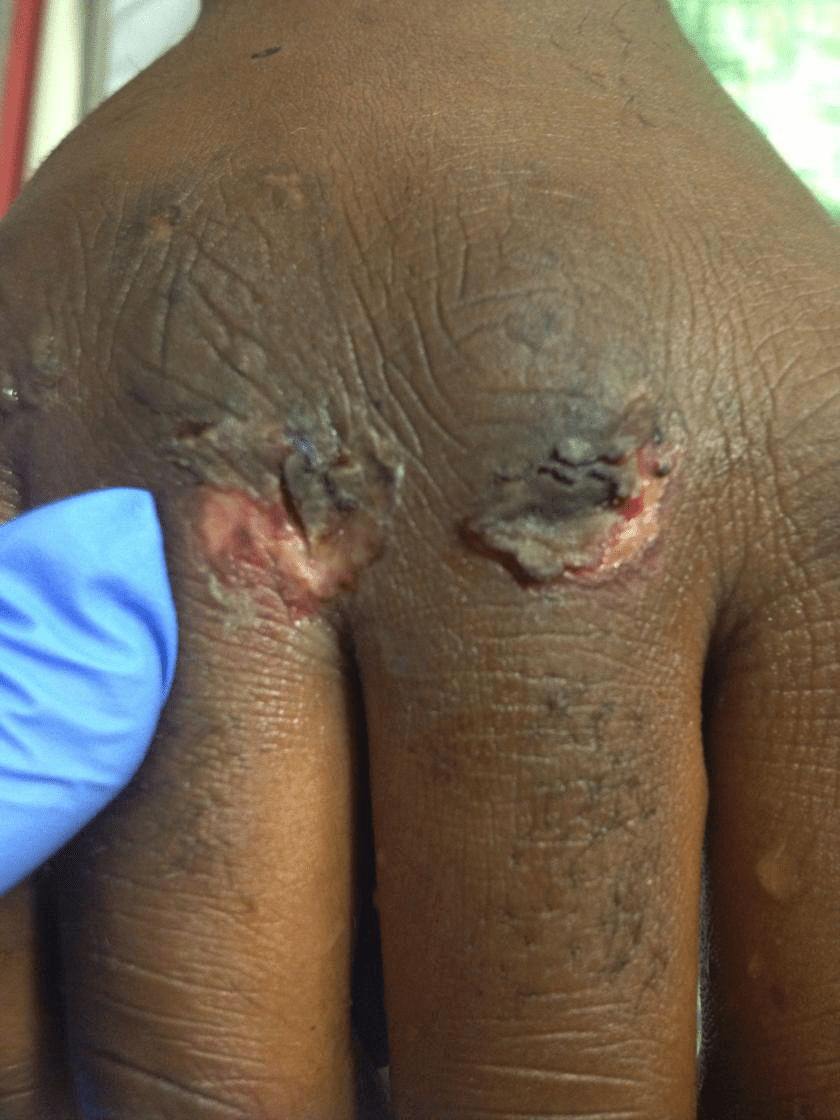
This injury pattern is high-risk and should raise concern for this.
What is a fight bite with possible joint, tendon, or deep space infection?
500
A contaminated wound with visible dirt or debris should be managed with this before considering closure.
What is thorough irrigation, foreign body removal, and reassessment of the wound?
500
A laceration over a joint should raise concern for this serious injury.
What is joint capsule violation or traumatic arthrotomy?
500
These patients may need antibiotics in addition to incision and drainage.
Who are patients with systemic symptoms, significant cellulitis, immunocompromise, diabetes, large abscess, recurrent infection, or high-risk location?
500
Closing a contaminated or infected wound too early increases the risk of this complication.
What is wound infection or abscess formation?
500
Abscesses in these high-risk areas may require higher-level care instead of simple field management.
What are abscesses of the face, eye area, hand, genitals, perirectal area, or deep spaces?
500
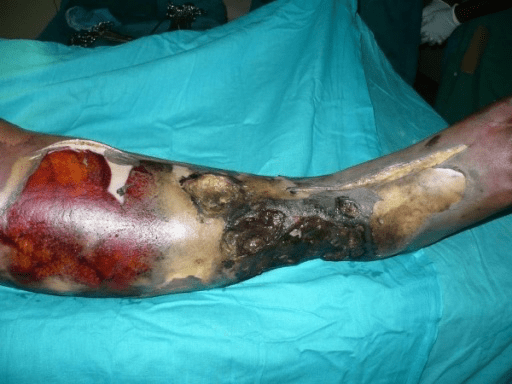
This appearance, especially with pain out of proportion or systemic symptoms, should raise concern for this emergency.
What is necrotizing soft tissue infection?