ECG
Hematology
Hemostasis/Thrombosis
Hypertension/RAAS
Pharm
100
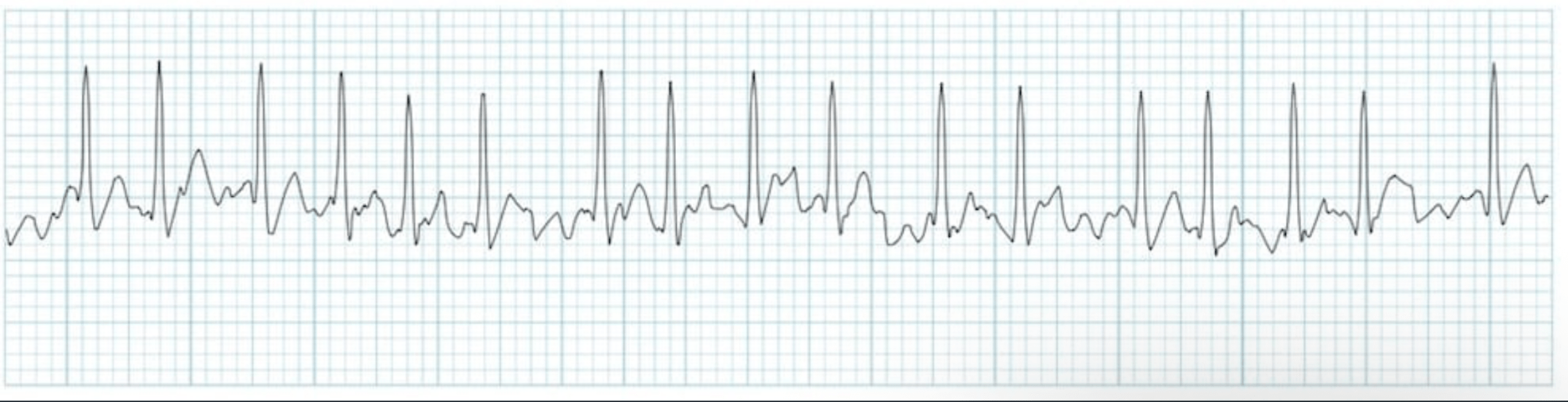
ECG reveals irregularly irregular rate and rhythm with no discernible P waves in this narrow-complex tachycardia.
Atrial fibrillation.
Management follows ABCD, Atrial Fibrillation, Beta-Blockers, Calcium Channel Blockers and Digoxin.
100
Hours after a successful blood transfusion the recipient complains of feeling cold and begins to shake despite being hot to the touch and wearing warm clothing.
What is causing this presentation?
Cytokine accumulation in donor blood during storage.
Febrile Nonhemolytic Transfusion Reaction
100
A 15 year-old girl is being evaluated for recurrent epistaxis and heavy menstrual bleeding since menarche. Her mother has had similar symptoms throughout her lifetime. No petechiae or ecchymoses is noted on exam. Laboratory studies reveal a normal platelet count, but a prolonged bleeding time. PT is normal, aPTT is mildly prolonged.
What is the most likely cause of this patients’ presentation?
Von Willebrand factor deficiency:
Mucosal bleeding + menorrhagia + family history + normal platelets = vWD
vWF mediates platelet adhesion and stabilizes factor VIII, can mildly ↑aPTT
100
A 68-year-old man with a history of atherosclerosis develops difficult-to-control hypertension. Physical examination reveals an abdominal bruit. Laboratory studies show elevated renin and aldosterone levels.
Explain why narrowing of the renal artery causes an increase in blood pressure.
Decreased perfusion to kidneys → macula densa cells sense low Na+ → JG cells release renin → increased angiotensin I → increased angiotensin II → increased aldosterone → vasoconstriction and increased water reabsorption → increased blood volume → increased BP
100
A patient develops the following arrhythmia while being monitored for long QT syndrome: 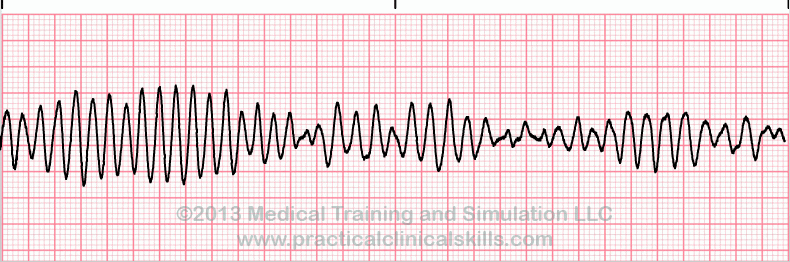 What drug is administered as a first line rescue treatment?
Magnesium sulfate
(for torsades de pointes)
Magnesium suppresses early after depolarizations that trigger torsades
200
34 y/o male presents with sharp chest pain that worsens with inspiration. Auscultation on the left lower sternal border reveals a high-pitched, grating sound. This cardiac condition characteristically presents with these ECG findings. (What are the findings?)
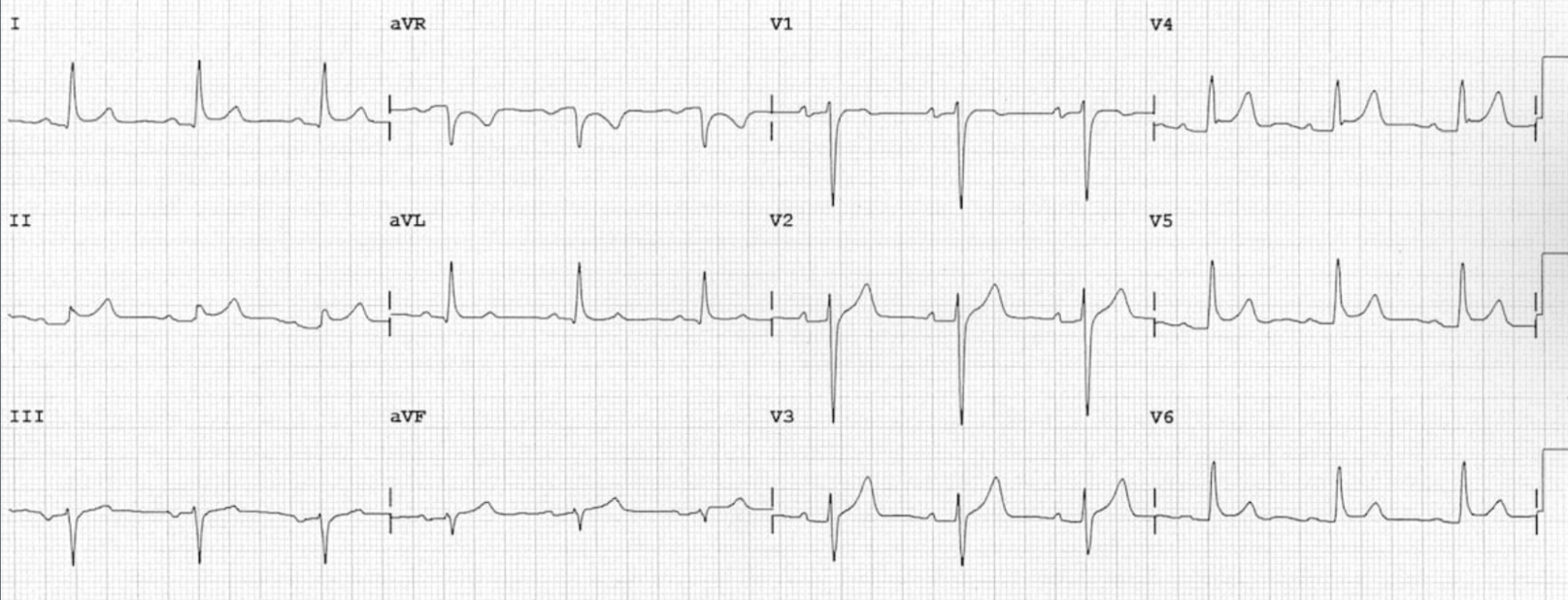
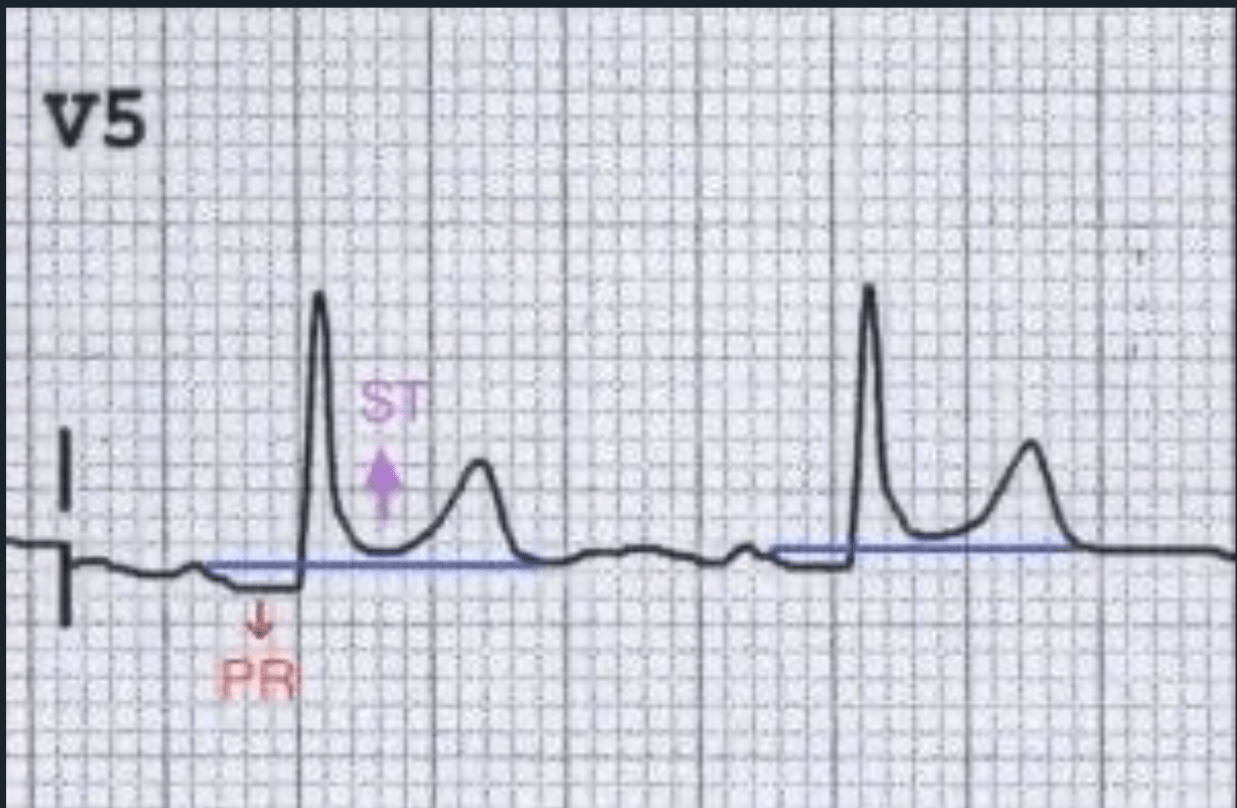
PR depressions and diffuse ST elevations.
Key:PR depression and diffuse ST elevations in V1-6 and limb leads (I, II, aVF, aVL)
200
A 45 y/o man with a history of alcohol use disorder comes to your office complaining of blistering on his face arms and neck after he did his spring yard cleanup. He doesn't remember the sun being especially bad, and during a thorough history the patient states, "now that you say that doc, my pee has been lookin a little dark, kinda like that weird wine the wife likes so much."
What enzyme is most likely deficient in this patient?
UROD
Porphyria Cutanea Tarda - impaired UROD causes buildup of highly carboxylated porphyrinogens, including uroporphyrinogen, causing toxic buildup in liver and skin. Likely brought on by his alcohol use impairing liver iron metabolism.
200
A 28-year-old woman presents with easy bruising and frequent epistaxis. Numerous small petechiae on both lower extremities are noted. Laboratory serum studies:
- Platelets: 35,000/mm³
- PT: normal
- aPTT: normal
Which step of hemostasis is most directly impaired in this patient? Is this primary or secondary hemostasis?
Platelet plug formation
Petechiae + thrombocytopenia + normal PT/aPTT = primary hemostasis problem.
Platelets form the initial plug.
200
A 50-year-old man presents for a routine visit and is found to have a blood pressure of 158/92 mm Hg on two separate occasions. His renal function and serum electrolytes are normal. He is started on a medication that blocks angiotensin-converting enzyme.
What happens to angiotensin II and aldosterone levels after starting this medication and why?
Aldosterone secretion will decrease
Angiotensin II will decrease
What does ACE do and where is it located?
200
What drug blocks blocks cardiac conduction by hyperpolarizing AV nodal cells? It has a very short half life
Adenosine
300
Rhythmically dissociated P waves and QRS complexes are characteristic of this cardiac conduction block.
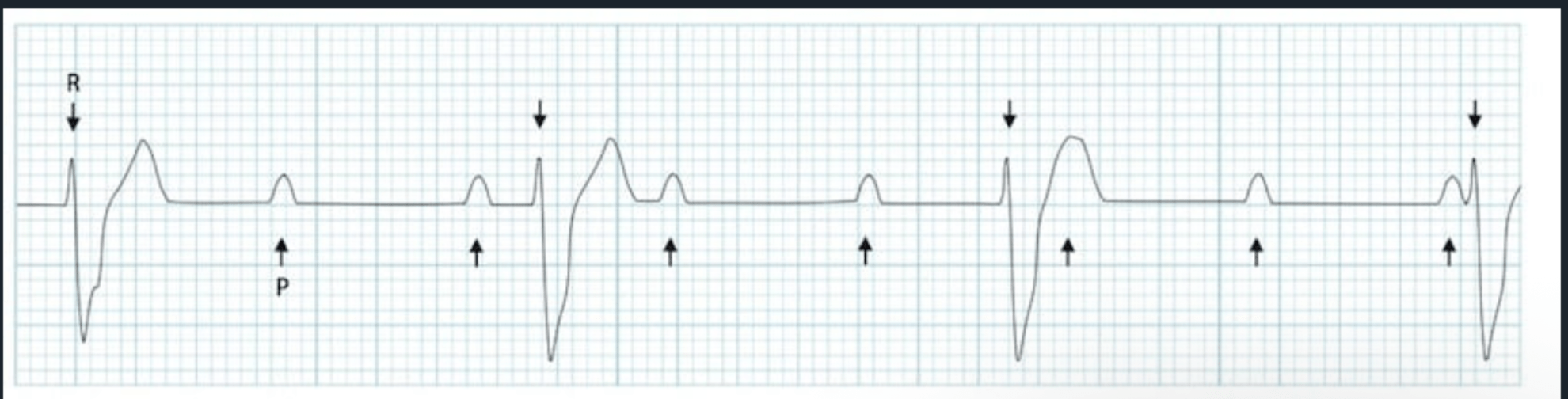
Third-Degree (complete) AV block.
SA node generates P-waves at its own rate but is blocked at the AV junction. An ectopic focus below the AV block generates QRS complexes at its own rate. RR ratios are typically equal distance between complexes. What disease can cause this type of AV block?
300
A patient with a history of kidney dysfunction presents to the office for management of newly noted normochromic normocytic anemia . The hormone used as a treatment for this patient acts on what receptor type and has what affect on cellular function?
EPO activates JAK/STAT signaling. Phosphorylated STAT molecules then act as transcription factors to turn on target erythropoetic genes.
300
A 68-year-old man develops unilateral calf swelling and tenderness 5 days after undergoing total hip replacement. He has no history of bleeding disorders. His right calf is warm and swollen compared to the left calf. Doppler ultrasonography demonstrates a thrombus located within the femoral vein.
What psychological factor most directly contributed to the risk and formation of this thrombus?
Venous stasis caused by immobility
Postoperative patient + unilateral leg swelling = DVT.
Immobility → venous stasis → thrombosis.
300
A 55-year-old woman develops a persistent dry cough several weeks after beginning antihypertensive therapy. Her medication is discontinued, and the cough resolves.
What substance most likely accumulated as a result of the medication?
Bradykinin
What is the medication?
300
Which subclass of antiarrhythmics blocks fast Na+ channels, and preferentially affects ischemic or depolarized tissue?
Class 1B
(Lidocaine, mexiletine)
Especially useful in suppressing ventricular arrhythmias following an MI
400
This congenital syndrome causes a long QT interval and is most commonly due to loss-of-function mutation in K+ channels. Typically patients are afflicted with sensorineural deafness at birth.
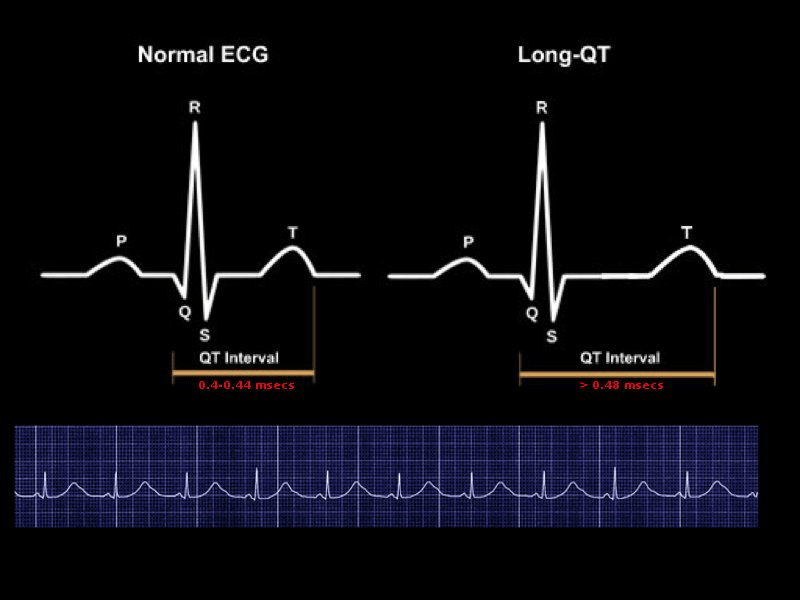
Jervell and Lange-Nielsen syndrome.
Autosomal Recessive, differential with Romano-Ward syndrome with is AD with no deafness.
400
A 12 year old boy presents to the clinic with worsening dyspnea and fatigue. His parents say that they have been meaning to bring him in for a while, but he got sick with a flu like illness last week and "just hasn't been the same since." They state that for years he has had episodes of swelling in his hands and feet that resolve with time but that are acutely painful. Since his illness last week he has been increasingly fatigued and has been looking more and more pale.
The boy's temperature is 99.1F, BP is 115/70, pulse is 112 and regular. A cardiac flow murmur is audible on auscultation. Reticulocyte count is low at .1%. Leukocytes and platelets are normal.
Explain the cause of this boy's presentation.
Aplastic crisis due to parvovirus B19 infection in a sickle cell patient.
400
A 32-year-old woman presents with persistent bleeding post dental extraction. Laboratory studies indicate a normal platelet count, normal PT, but aPTT is prolonged. Mixing the plasma with normal plasma corrects the aPTT immediately.
A deficiency of a certain coagulation factor prevents progression of the cascade beyond activation of factor X.
What is the immediate downstream event normally occurring after factor X activation?
Conversion of prothrombin → thrombin
Factor X → Xa.
Xa + Va + Ca²⁺ + phospholipid = prothrombinase complex → prothrombin → thrombin.
400
A 72-year-old woman is hospitalized for an acute myocardial infarction complicated by reduced cardiac output. Several hours later, her renal perfusion decreases significantly. Despite the reduction in renal blood flow, the kidneys initially maintain relatively stable glomerular filtration.
How does angiotensin II helps preserve glomerular filtration during reduced renal perfusion?
Constriction of the efferent arterioles
400
A patient with Wolff-Parkinson White syndrome is treated with this antiarrhythmic that blocks sodium channels and prolongs QT interval. What drug were they given?
Procainamide
Class 1A, side effect:drug induced lupus
(wolff, cainine, lupus)
500
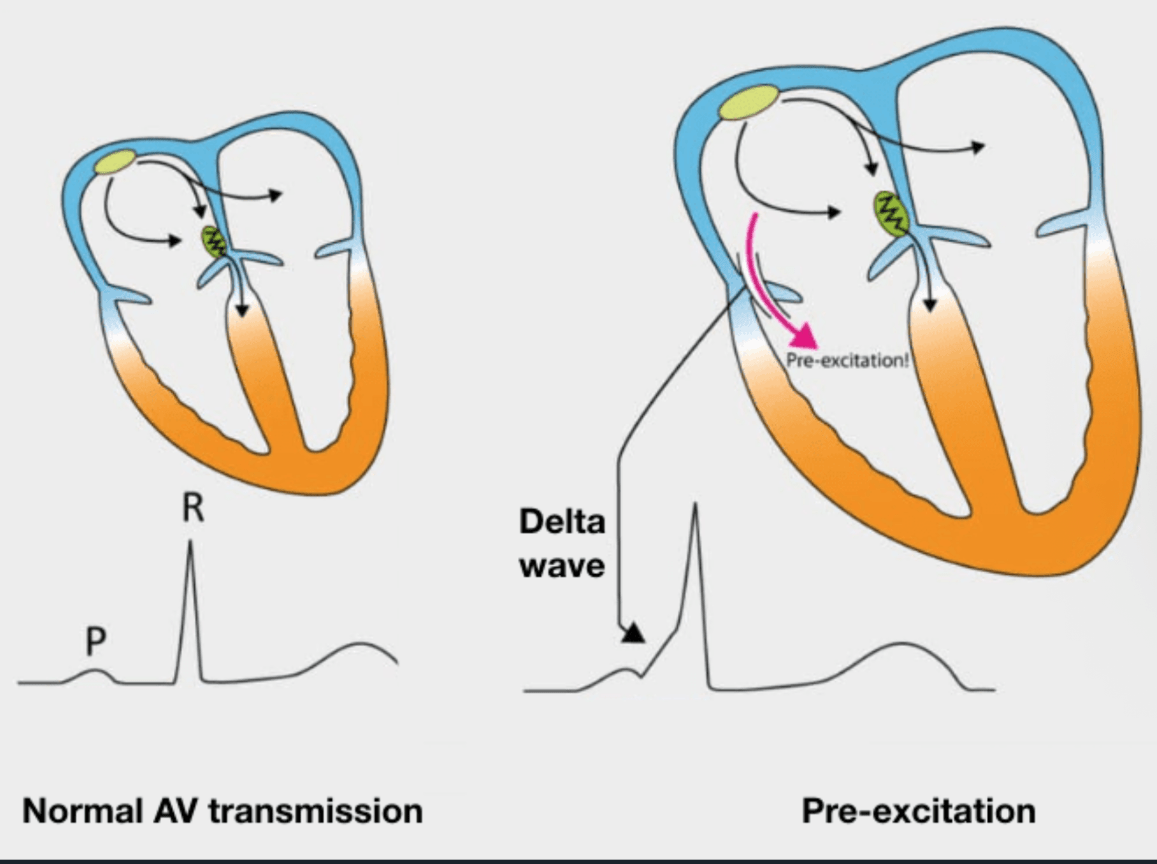
Wolff-Parkinson-White syndrome is the most common type of ventricular pre-excitation syndrome. The accessory conduction pathway, Bundle of Kent, produces these characteristic ECG findings.
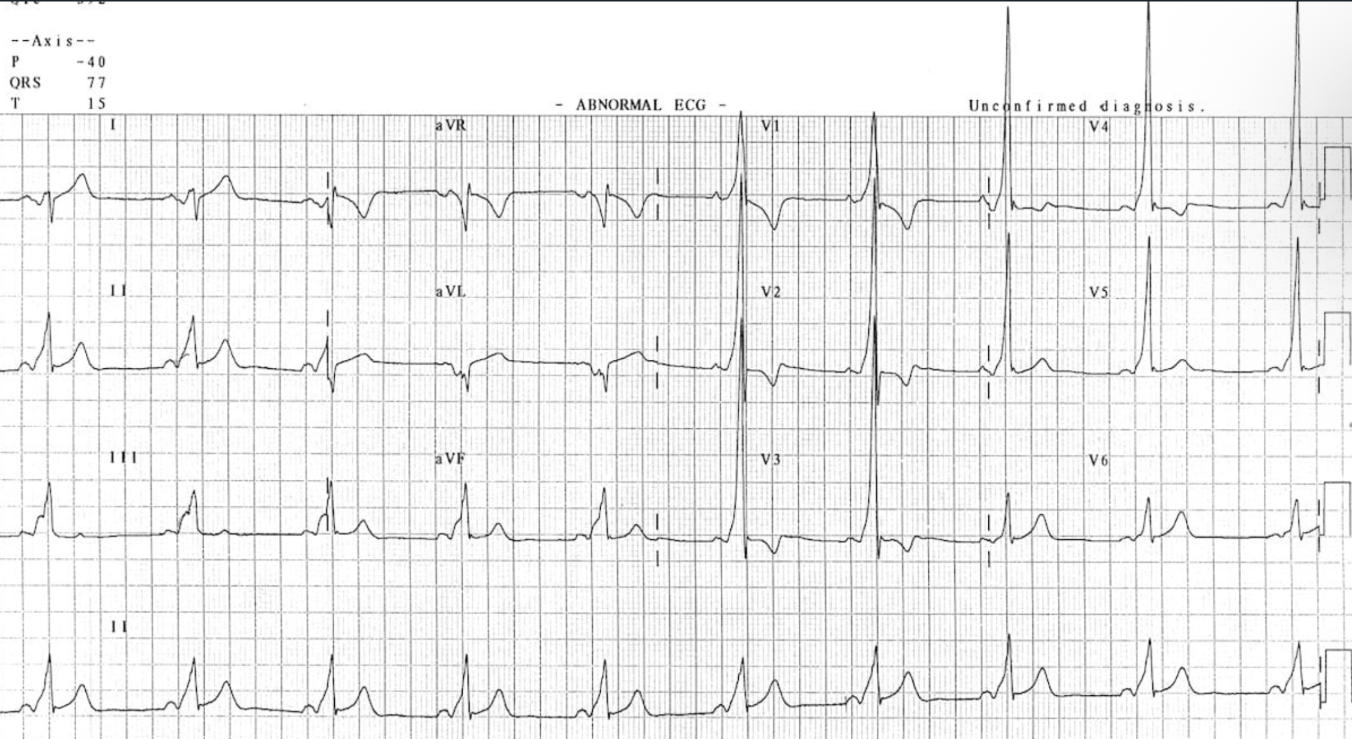
Delta wave and Wide QRS complex OR Retrograde P-wave.
Pre-excitation causes early ventricular depolarization via the accessory pathway. Combined with normal conduction the QRS complex slurs into the “delta wave” and the QRS complex widens.
500
An otherwise healthy woman comes to you for preconception counseling. Neither of her parents have symptoms of alpha thalassemia, but her sister has alpha thalassemia minor. She doesn't know her own genotype, but her sister has undergone genetic sequencing and knows that she is (a-/a-.) Your patient has experienced no symptoms of alpha thalassemia, but the potential father of her child has alpha thalassemia minor with a genotype of (aa/--.)
What is the chance that their future child would have some symptomatic disease?
25%
Parents must both miss one allele to have a child with minor - (aa/a-.) Prospective mother has no symptoms, if she can pass anything along she must be minima - (aa/a-). Chance of two (aa/a-) parents having an (aa/a-) child is 50%. (Chance that the prospective mother is a carrier)
The prospective father is (aa/--). The chance of (aa/--)x(aa/a-) giving an unaffected child with 3/4 functional alpha subunits is 50%.
.5*.5= 25%
500
A 7-year-old boy is experiencing recurrent painful swelling of his knees after minor trauma. His maternal uncle has a similar history. Laboratory studies show a normal platelet count, normal PT, but a aPTT is prolonged. Mixing the sample with normal plasma corrects the aPTT.
The deficient protein is normally involved in the intrinsic pathway, leading to increased conversion of prothrombin to thrombin.
What is the deficient factor, and where does it fall in the coagulation cascade?
Factor VIII → functions with factor IX to activate factor X
Hemarthroses + male child + maternal family history + ↑aPTT with normal PT = hemophilia A (factor VIII deficiency).
VIIIa + IXa + Ca²⁺ + phospholipid → X → Xa → thrombin → fibrin.
500
A 52-year-old man with a 10-year history of hypertension presents for follow-up. His blood pressure has remained elevated despite adherence to therapy. He has no evidence of renal artery stenosis, endocrine disease, or other identifiable secondary cause. His cardiac output is normal, but systemic vascular resistance is significantly increased.
A biopsy of a small artery shows thickening of the vascular wall with narrowing of the lumen. The patient is told that these structural changes have contributed to the persistence of his hypertension.
Describe the cellular process responsible for this vascular change?
Increased vascular smooth muscle growth and remodeling in response to chronic pressure elevation
500
A patient with recurrent ventricular tachycardia is treated longterm with an antiarrhythmic. Months later they develop a chronic cough and abnormal thyroid function tests. Which drug were they given?
Amiodarone
Class 3 potassium channel blocker, side effects include pulmonary fibrosis, hepatotoxicity, hyper or hypothyroidism(40%iodine) blue/grey skin, corneal deposits, neurological effects.