Dairy Farm 1
Pig Farm
Beef Farm
Camelid Farm
Dairy Farm 2
100
You are called to consult on the facilities of a local dairy farm. What initial questions might you have?
Number of head, breed of cows, pasture or indoor, type of barn, type of parlor
100
You are called to a swine facility. Unfortunately, the CSR wasn't able to provide a lot of information as the producer was in a panic. All you know is that many pigs on this farm are sick and some have already died. What initial questions do you have?
What kind of facility?
How many pigs?
What are the clinical signs?
When did the clinical signs start?
100
You get called to a hobby farm that just obtained some Angus calves. The owner has limited experience with food animals and is a new client. She reports her heifer calf is sluggish, continues to vocalize, is breathing hard, and is laying in lateral on the ground. Is this a farm call than can be scheduled for tomorrow? Or should you get there ASAP?
ASAP
100
A llama owner calls worried that her maiden female is having trouble giving birth to her first cria. What questions may you ask to determine what state of labor this llama is in?
Is she just acting uncomfortable, cushing, humming?
Can you actually see the cria? If so, what position is it in?
How long ago did labor start? If you can see the cria, how long has it been visible?
100
You have just assisted your clinic in setting up ET services, which is something you are very excited about. A dairy producer calls and would like to utilize these services. What questions do you have for them?
Do you want to flush or are you buying outside embryos?
Will they be fresh or frozen embryos?
How many transfers would you like to do?
200
This is Holstein farm. Currently milking 100 head, cows are housed in a free stall barn. Producer also has calves, heifers, and clean-up bull on site. Milk in a parallel parlor. What questions do you have?
Flooring? Mattresses/sand? Ventilation? How are cows separated? Waste facility? How often are they milked?
200
Farrow to Finish, 600 pigs
80 pigs affected
Clinical signs started last night:
Ataxia, circling, blindness, seizure activity, death
Now what questions do you have?
Age of the pigs?
Where are these pigs housed?
What have they been eating?
Have any medications/vaccines/etc been recently administered?
Any new pigs recently introduced?
Time of year?
200
On arrival, the owner was able to get the calf up. You note that the calf has a very asymmetric abdomen, and seems quite distended on the left side. What is this shaped called and what is it indicative of?
Papple shaped
Bloat
200
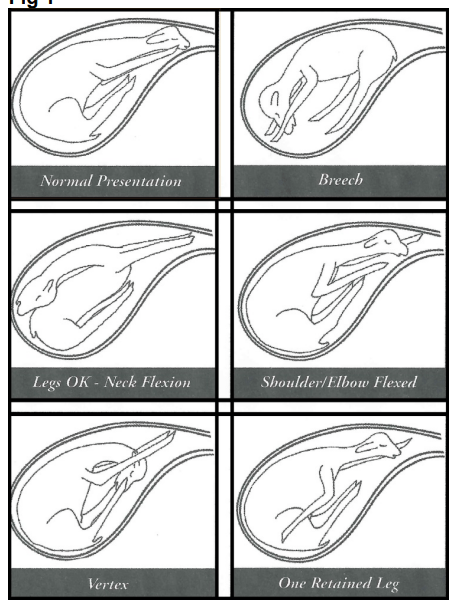
The owner states that she can see the cria. She only sees two feet and no nose. What is your concern?
Malpositioning
200
The producer tells you he would like to flush three cows onsite and would like to transfer the embryos into several recipients cows onsite. What do you want to ensure about the recipient cows?
They are sound candidates to carry a calf. Not lame, good body condition, healthy repro tracts, etc.
300
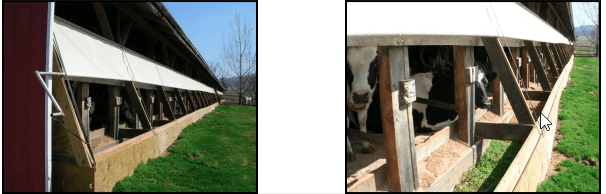
You note that there are two rows of free stalls with an isle in the middle. One row is against a wall (meaning the cows will face the wall when laying down). Almost none of these stalls are occupied. Why do you think that is?
It is harder for the cow to get up.

300
Finishing barn, indoor facility
Eating a balanced ration created by a swine nutritionist
No recent vaccines/medications or introduction of new animals
February, had a power outage from a snow storm a few days ago and electricity was restored yesterday
What do you think is going on?
Salt toxicosis
300
How do you think the DVM is going to treat this calf?
Orogastric tube
Can trocharize if needed
300
How do you think the DVM might assist the llama?
Fetus is repelled and, DVM reaches for the nose and brings head back into normal position by pushing against the fetus while extending the neck.

300
What do you have to do to both the donor and recipient cows to make this as smooth a process as possible?
What intravaginal device may you utilize in some of the cows to achieve this? What hormone will it provide?
Synch their estrous cycles
CIDR - Controlled Internal Drug Release
Progesterone
400
Why is it a concern that only half the stalls are appropriately positioned to allow the cow to rest?
Standing more often = feet problems
Feet problems = decreased production, decreased QOL, increased vet/hoof care bills
400
Why does this happen?
MOA (from Merck Veterinary Manual)
As serum sodium concentration increases, water moves along the osmotic gradient out of the interstitium and intracellular fluid into the extracellular fluid. Rapid development of hypernatremia results in cerebral dehydration and neuronal cell shrinkage, with the brain then pulling away from the calvarium, which disrupts the blood supply to the brain and can cause tearing of vessels and hemorrhage. To prevent excess water loss to the extracellular fluid, cells of the brain increase their intracellular osmolarity through the generation of idiogenic osmoles. Sodium diffuses passively across the blood–brain barrier and eventually redistributes into neural tissues; however, high intracellular sodium concentrations inhibit energy-dependent pathways for transporting sodium out. With changes in cellular osmolarity in chronic water deprivation, once water access is restored, due to a rapid decrease in serum sodium concentration, intracellular water influx into neurons along the osmotic gradient can lead to cerebral edema.
400
You help pass an orogastric tube, but are unable to relieve the bloat. Why do you think you have been unsuccessful? What else may you have to do to help this calf?
Frothy bloat
Administer anti-foaming agents: From Merck
A variety of antifoaming agents are effective, including vegetable oils (eg, peanut, corn, soybean) and mineral oils (paraffins), at doses of 250–500 mL. In general, any nontoxic oil that is not rapidly metabolized is effective, because they all reduce surface tension and foam.
400
You successfully assist the DVM in delivering the cria. What should you ensure the owner knows should occur within the next 4-6 hours?
Expulsion of placenta
400
You walk the producer through the ET process.
What steps are involved?
Superovulation - Cause female to ovulate numerous follicles – hormonal treatment (FSH) & estrus/ovulation synchronization
Breeding - Donor bred naturally or by AI (more common)
Embryo Recovery - Donor uterus flushed 7 days after ovulation (species specific) and embryos collected in filter cup
Embryo Identification - Search dish, embryo found, washed, placed in culture medium - Graded – Good, moderate, poor
Embryo Transfer - Transferred to recipient cow that has been synchronized with donor - Surgically or Transcervically
500
Can we fix this?
Maybe - can we remove the barrier?
500
Can we treat this?
- Supportive care/control seizures
- From Merck Veterinary Manual
For all affected animals, the treatment should slowly return the animal to normal water and electrolyte balance over 2–3 days. Quickly lowering the serum sodium concentration will increase the osmotic gradient between the serum and the brain, with water following the gradient into the brain and increasing the likelihood of severe cerebral edema.
500
The client asks how she can prevent this from happening again. What do you want to ask the owner to answer her question.
What is the calf eating?
Frothy bloat caused by
Legume/Clover
Alfalfa, red clover, white clover, sweet clover, alsike clover, birdsfoot trefoil, crown vetch
500
The owner asks if she should allow the llama to eat the placenta. What do you tell her?
Camelids do not eat their placentas
500
What crucial tool are you going to need in your truck if you want to grade embryos onsite so they can be transferred to the recipients immediately?
Microscope