Convection in Action
Air-Mass Match-Up
Where Air Masses Form
Weather Front Face-Off
Weather Maps & Predictions
100
Convection currents are formed in the atmosphere when cold air pushes warm air upward.
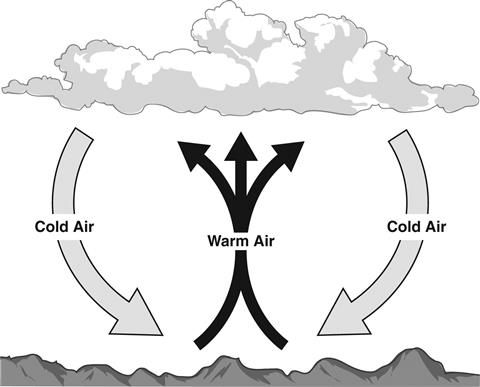
A. chemical composition
B. thermal conductivity
C. density differences
D. specific heat
C. density differences
100
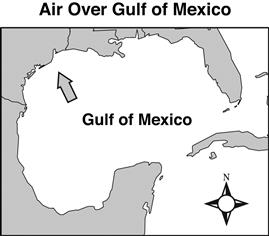
The arrow on the map below shows the location of an air mass over the Gulf of Mexico.
A. cool and dry
B. cool and humid
C. warm and humid
D. warm and dry
C. warm and humid
100
What are the characteristics of maritime polar air masses?
A. cool and dry
B. warm and dry
C. cool and humid
D. warm and humid
C. cool and humid
100
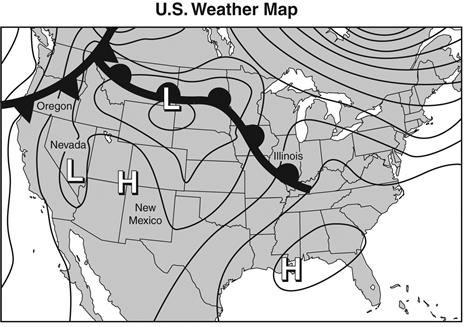
The diagram shows a weather map.
A. New Mexico
B. Illinois
C. Oregon
D. Nevada
C. Oregon
100
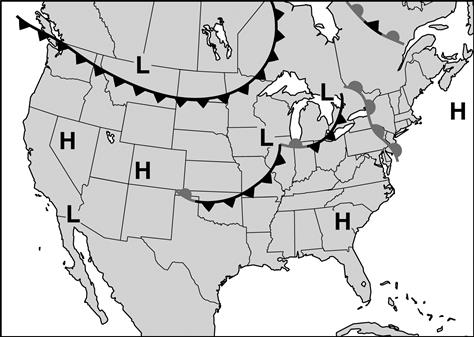
This weather map shows a variety of high- and low-pressure systems across the country.
A. lunar gravity
B. global warming
C. magnetic field
D. solar energy
D. solar energy
200
Which of these has the greatest capacity for storing thermal energy from the Sun?
A. air
B. land
C. oceans
D. plants
C. oceans
200
The diagram shows the movement of air.
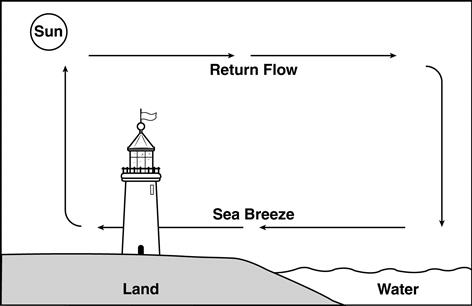
A. uneven heating of the air
B. imbalance in organisms breathing the air
C. sunlight getting blocked by the land
D. different levels of liquid in the air
A. uneven heating of the air
200
The diagram below shows a weather map.
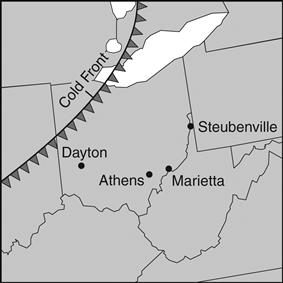
A. Athens
B. Dayton
C. Marietta
D. Steubenville
B. Dayton
300
Not all of the energy from the Sun that hits Earth’s atmosphere actually enters the atmosphere. Some of the energy is reflected away from Earth. The figure below shows what happens to Earth’s incoming solar energy.
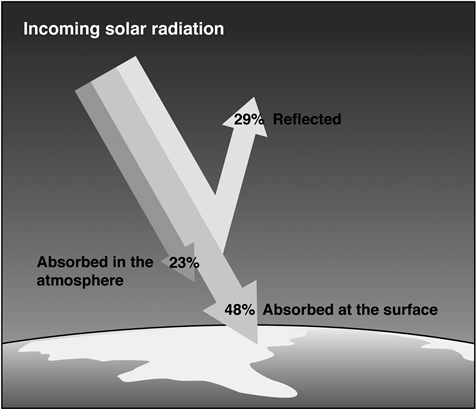
A. 100%
B. 77%
C. 71%
D. 48%
C. 71%
300
What is the main source of energy that drives all weather patterns?
A. the Sun
B. oceans
C. the Moon
D. mountains
A. the Sun
300
The weather maps show temperatures and rain chances for four locations over a two-day period.
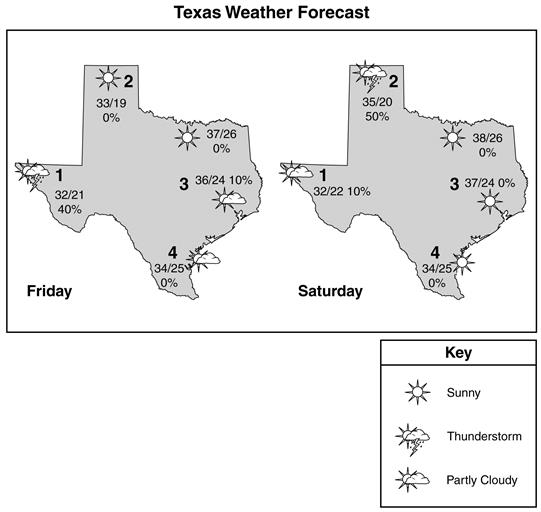
A. 1
B. 2
C. 3
D. 4
B. 2
400
Uneven heating of Earth causes convection currents.
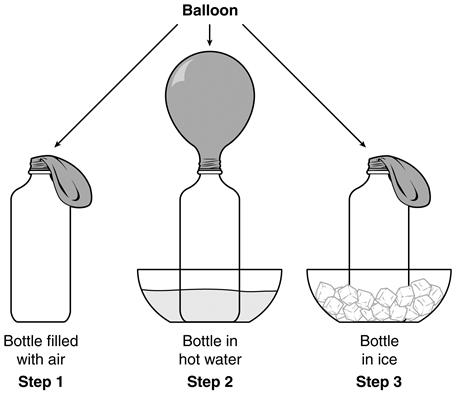
A. Heat causes gases to expand.
B. Heat causes gases to contract.
C. As air cools, currents flow clockwise.
D. As air cools, currents flow counterclockwise.
A. Heat causes gases to expand.
400
How does air density affect air pressure?
A. Warm air rises, creating an area of low pressure under it.
B. Cool air rises, creating an area of low pressure.
C. Warm air sinks, creating an area of high pressure under it
D. Cool air rises, creating an area of high pressure under it.
A. Warm air rises, creating an area of low pressure under it.
500
Which of these best explains the cause of convection currents in Earth’s atmosphere?
A. Heat from Earth’s core heats the land only at the equator.
B. Glaciers moving away from the poles cool Earth unevenly.
C. Sunlight is more concentrated in some places on Earth than others.
D. The light and heat reflected from the Moon varies as the Moon changes phases.
C. Sunlight is more concentrated in some places on Earth than others.