Economy
Social structure
Politics
Everyday life
Religion and foreign influences
200
What are the key features of economy in Pompeii?
It was based on agriculture, trade, manufacturing and commerce, with industries such as wine, olive oil, garum, textiles and bakeries supporting local and regional markets.
200
What are the three main groups in the Roman social structure?
Freeborn (ingenui), freedmen/women (liberti/libertae), and slaves (servi).
200
What was local political life centered on in Pompeii and Herculaneum?
It was centred on the forum, where magistrates governed, elections were held, public business was conducted, and civic ceremonies took place.
200
What were the activities of public leisure in Pompeii?
Gladiator combats, beast hunts, theatre, atheltics, music, and oratory.
200
Why did Roman polytheism have influence from the Greeks rather than developing its own?
Because of its cultural contact through trade and conquest, adopting Greek gods, myths and practices while adapting them to Roman society.
400
What does the Macellum reveal about the economy?

It was Pompeii's main food market, showing the importance of retail trade, food distribution and commercial activity.
400
What does this 'Sappho' fresco reveal about women in Pompeii?
It suggests that elite women could be educated and literate, as shown by a woman holding a stylus and wax tablet, reflecting their intellectual roles.
400
What is Ordo Decurionum?
It refers to the town council of wealthy local elites responsible for governing Pompeii and Herculaneum, overseeing public finances, buildings and local administration.
400
What was the clothing equipment for men in Pompeii and Herculaneum?
Tunica (tunic), toga for formal occasions, cloak (pallium), belt (cingulum), loincloth (subligar), sandals (soleae) and sometimes hats or footwear for outdoor activities.
400
Why did the Roman Empire develop the Capitoline Triad?
It was to strengthen Roman religious identity and state power, honouring Jupiter, Juno and Minerva as protectors of Rome.
600
What does this Mercury fresco suggest about economy?
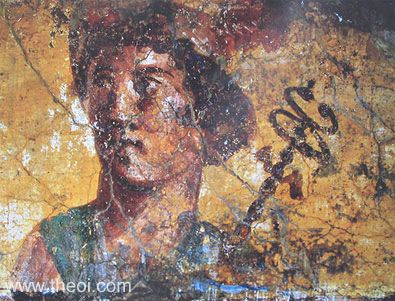
It shows that merchants sought the favour of Mercury, the Roman deity of commerce, merchants and financial success.
600
What does the statue of Eumachia reveal about women in Pompeii?
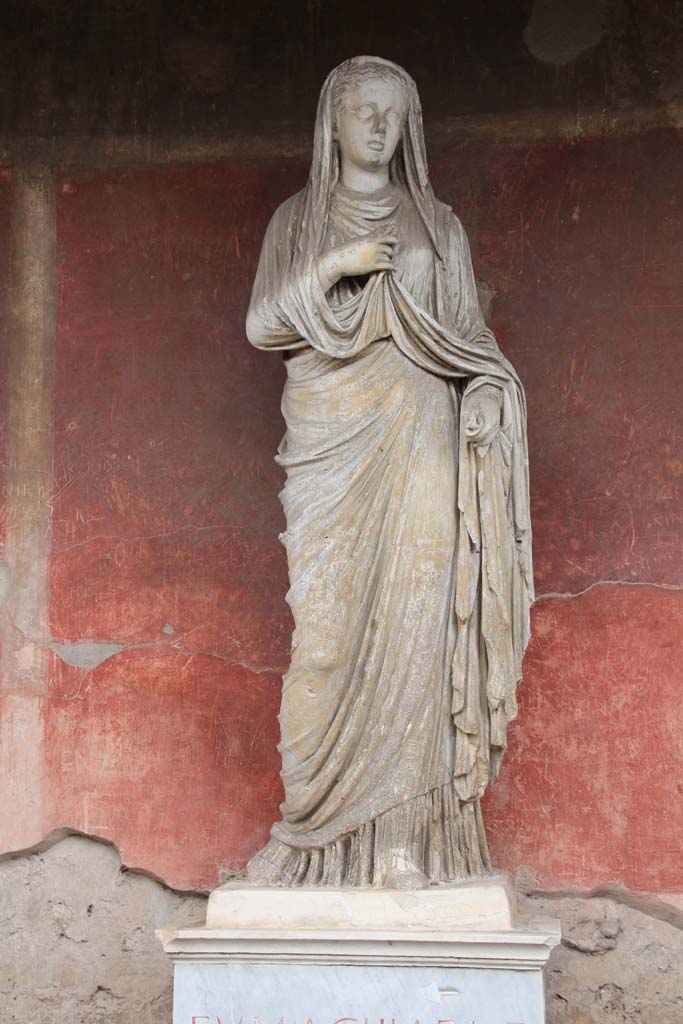
It shows that wealthy women could gain influence through benefaction and religious roles, funding public buildings and earning civic honour.
600
Why was graffiti used as a political influence in Pompeii and Herculaneum?
Because it publicly promoted political candidates, encouraged voter support and displayed endorsements as an effective form of local political advertising.
600
What does this fresco from the Villa of the Mysteries reveal about clothing in Pompeii?

Women wore long flowing stolae, colourful garments and jewellery, showing the importance of appearance, social status and religious identity in Pompeii.
600
What does the Temple of Isis reveal about religion in Pompeii?

It reveals the diversity and adaptability of religion in ancient Rome, showing that foreign Egyptian beliefs were accepted and integrated into local religious practices.
800
What are the key features of economy in Herculaneum?
It was based on fishing, trade, agriculture and luxury commerce, supported by its coastal location, harbour, workshops and wealthy villas.
800
What does the Bakery-Prison Discovery reveal about slaves in Pompeii?

It reveals the brutal physical confinement and extreme exploitation experienced by the slaves.
800
Why was Marcus Nonius Balbus a relevant example in Roman political life?
Because he showed how elite men gained political influence through public office and euergetism, earning honours and statues for their service and generosity to Herculaneum.
800
Why is Hygiea relevant to the Roman understanding of health?
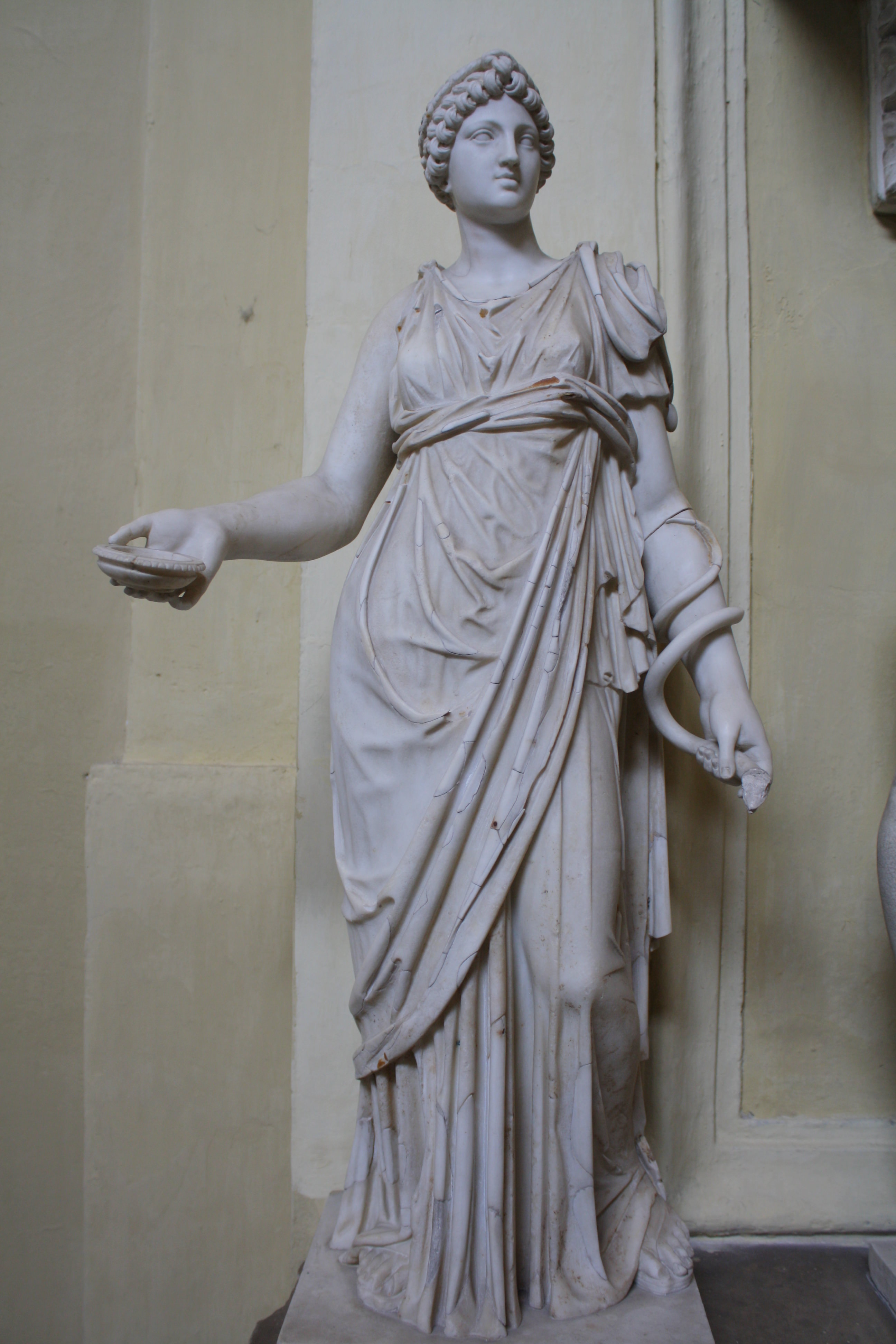
Because her divinity reflects the Roman belief that health, hygiene and religious worship were closely connected, influencing practices such as bathing and healing.
800
Why was the Cult of Dionysus banned in 186 BCE?
Because Roman authorities feared its secret rituals and political influence, viewing it as a threat to public order and state authority.
1000
What does the House of Julia Felix reveal about the economy?
Wealthy owners could rent out shops, baths, gardens and apartments, demonstrating the importance of property investment and rental income in Pompeii's economy.
1000
What does the patronage allow elite men in Pompeii?
It allows them to control political support, social influence and economic opportunities by providing protection, favours and financial assistance to their clients.
1000
How different was the political life in Herculaneum than in Pompeii?
It was less well understood since it is unexcavated, whereas Pompeii preserves extensive evidence such as the forum, electoral graffiti and programmata.
1000
What does the amphitheatre reveal about leisure activities in Pompeii?
Gladiatorial games and public spectacles were popular forms of entertainment and social gathering in Roman society.
1000
What are the three types of Greek columns in Pompeii and Herculaneum?
Doric, Ionian, and Corinthian.