Medications
Cardiovascular Care
Neurosurgical Care
Special Populations
Complications
100
This medication in given with neostigmine to decrease parasympathetic effect of the reversal agent.
What is an glycopyrrolate or atropine
Glycopyrrolate is often administered with neostigmine, an acetylcholinesterase inhibitor, to counteract the parasympathetic effect of neostigmine and prevent bradycardia caused by an increase in acetylcholine availability.
100
A patient is admitted to the Phase I PACU following coronary artery bypass grafting. The patient has an intraaortic balloon pump in place postoperatively. The perianesthesia nurse recognizes that this device will
What is increase coronary artery perfusion
100
This type of bleeding in the brain is most often seen in older adults and has a progressive onset.
What is a subdural hematoma?
Subdural hematomas have a progressive onset and can mimic other diseases that affect the brain (CVA, dementia, confusion, infection, encephalopathy). Most often in the older adult it does not have a direct causative injury, but rather progressive mental or personality changes are noted. Surgical intervention consists of hematoma evacuation through multiple burr holes or a craniotomy incision. For stable SDH, patient will receive continued observation.
100
The 5-month-old patient arrives to PACU restless and thrashing, the RN assesses for
What is hypoxia?
100
This is complication of a transsphenoidal tumor resection is manifested by headache and frequently swallowing.
What is cerebrospinal fluid leak?
A transsphenoidal hypophysectomy is a minimally invasive surgical procedure to remove a pituitary tumor. Proximity to the dura can cause perforation. Symptoms of CSF leak include nasal drainage, "halo sign" on gauze, salty or metallic taste, and headache. Other complications include Diabetes insipidus (DI), syndrome of inappropriate ADH (SIADH), and menigitis.
200
This is first line drug in ACLS protocol for asystole.
What is epinephrine 1mg
200
This is a classic sign of cardiac tamponade characterized by hypotension, JVD, and muffled heart sounds.
What is Beck's Triad.
Occurs because blood/fluid accumulates around the heart preventing adequate ventricular filling, decreasing stroke volume and overall cardiac output. HR increases to try and compensate for decrease in CO.
High risk procedures: Watchman, TAVR, cardiac ablations, biventricular pace makers.
200
This is a sign of elevated ICH characterized by bradycardia, hypertension (wide pulse pressure 180/70), and bradypnea.
What is Cushing's triad?
These are late signs of increased ICP that require immediate intervention to prevention further complication and/or brain stem herniation.
200
This is the optimal positioning to alleviate vena cava compression for the postoperative pregnant patient
What is left side lying, aka as left lateral sims?
Left side lying prevents inferior VC compression, enhances blood flow to the placenta and fetus, ensures optimal delivery of oxygen and nutrients, improves circulation and increases venous return.
200
This is neurovascular complication caused by the temporary or permanent disruption in cerebral blood flow.
What is a Stroke/TIA?
Pre and post-operative neuro assessment changes should be reported to the anesthesiologist immediately and internal stroke activation procedures should be followed. Think FAST!
Discharge teaching should prevention strategies as well as what to do in the event of medical emergency.
300
A healthy 19-year-old arrives in PACU following nasal surgery, he is tachycardiac and has mild HTN. The nurse suspects intraoperative administration of
What is cocaine?
300
This is the cause of cardiogenic shock following MI
What is impaired cardiac contractility?
300
This is an uninhibited sympathetic response to a noxious stimulus (i.e. bowel or bladder over distention)
What is Autonomic Dysreflexia?
Autonomic dysreflexia can occur in patients with spinal injuries above T6 and manifests as HTN, bradycardia, headache, flushing, and arrhythmias.
Remove the stimulus, bladder scan the patient, treat HTN, place in the upright position.
300
This is the most common cause of bradycardia among pediatric patients in PACU?
What is hypoxia?
300
This is an abnormal posturing is sign of severe brain injury.
What is decorticate and decerebrate positioning?
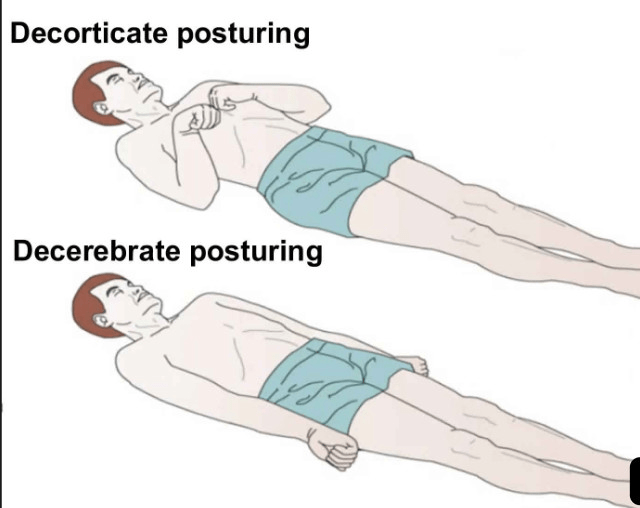
Any muscle rigidity, seizure like activity, or abnormal posturing by a patient following neurosurgical intervention should immediately be reported to the surgeon.
400
This drug is the first line medication for treating SVT
What is adenosine?
400
 Based on this rhythm the nurse suspects
What is an Myocardial infarction?
Patient s/s include chest pain, jaw pain, stomachache, nausea, anxiety, pallor, diaphoresis, hypotension.
Notify the provider immediately.
400
This HOB positioning is recommended for increased ICP following surgery, trauma, and ICH.
What is HOB elevated > 30 degrees?
Elevated HOB positioning decreases risk of hemorrhage, promotes venous and CSF drainage.
400
This lab result is vitally important for a nurse to know for a patient with preeclampsia being taken to the OR for emergency C-section.
What is Magnesium level?
Magnesium levels are critical in preeclampsia because magnesium sulfate is the standard treatment for preventing seizures (eclampsia) in women with severe preeclampsia, and maintaining the correct serum concentration is essential for both maternal and fetal safety.
Normal 4.8-8.4
400
This is a group of nerves is at highest risk of injury during carotid enterectomy
What is cranial nerve.
RN should perform CN assessment pre and post-operatively and report nerve palsy to surgeon immediately. Cranial nerve 7 (facial), 9 (glossopharyngeal), 10 (vagus), and 12 (hypoglossal) are at the highest risk of injury during the procedure.
500
Inhaled anesthetics have this known cardiac effect
What is decreased cardiac conduction of the SA node?
The inhaled anesthetics Isoflurane, Sevoflurane, and Desflurane can evoke junctional rhythms, increase ventricular automaticity, slow the rate SA node discharge and prolong the Bundle of His and ventricular conduction times.
500
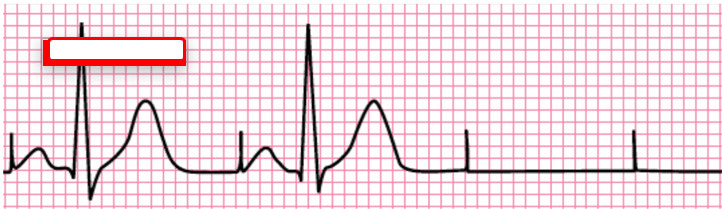 This rhythm is called
What is failure to capture?
The pacemaker delivers a stimulus, but it doesn't result in cardiac depolarization. If externally pacing, RN anticipates turning up the output (mA). If permanent pacemaker placement the RN should notify the provider as this may be caused by lead displacement, or wire malfunction.
500
These classic signs can be present immediately following a spinal cord injury and include hypotension, hypothermia, and bradycardia.
What is spinal shock?
Patients with spinal cord injuries are at risk of developing neurogenic spinal shock that results from the loss of autonomic innervation.
500
A stable 8 year old patient and a 10 year old patient with parents present are appropraite for this phase of care
What is Phase II?
500
This is a possible complication for patients following spinal or epidural anesthesia resulting in severe back pain.
What is a spinal hematoma.