Crop Rotation
Benefits
Crop family
True or False
100
What is crop rotation?
Answer: Crop rotation is the practice of planting different crops in the same field in a specific sequence to improve soil health and fertility.
100
What are the benefits of crop rotation?
Improved soil fertility, reduced pest and disease pressure, and increased crop yields.
100
What crop family includes plants like onion, carrots, garlic, beets
Answer: What is the root family?
100
Crop rotation does NOT improve soil fertility. it infact can damage the soil.
crop rotation can improve soil fertility. Different crops have different nutrient needs, and some crops can actually add nutrients back into the soil as they grow. So, by rotating crops, farmers can make sure that their soil stays healthy and nutrient-rich.
200
Why is crop rotation important?
Answer: Crop rotation is important because it helps maintain soil health, reduces the need for pesticides and fertilizers, and can lead to higher crop yields and profitability.
200
How does crop rotation help control pests and diseases?
By planting different crops in the same field over time, pests and diseases that target a specific crop are less likely to build up in the soil and can be controlled naturally by the rotation.
200
What crop family includes plants like beans, peas, and peanuts?
Answer: What is the legume family?
200
True or False: Crop rotation can help reduce pest and disease problems.
Answer: True. Crop rotation can break pest and disease cycles by disrupting the life cycles of pests and pathogens that rely on specific crops.
300
What are some examples of crops that can be rotated?
Answer: Some examples of crops that can be rotated include corn, soybeans, wheat,
300
How does crop rotation improve soil health?
Answer: Crop rotation helps to increase the organic matter in the soil, which improves soil structure and fertility.
300
What crop family includes plants like apples, pears, and peaches?
Answer: What is the fruit family?
300
True or False: Crop rotation is only beneficial for large-scale commercial farms.
Answer: False. Crop rotation can benefit farms of all sizes, including small-scale and backyard gardens.
400
Can crop rotation help to reduce the need for pesticides?
Answer: Yes, crop rotation can help to reduce the need for pesticides by reducing the risk of pests and diseases.
400
Which crop is commonly used in crop rotation to reduce soil-borne diseases?
Answer: Marigolds are commonly used in crop rotation to reduce soil-borne diseases.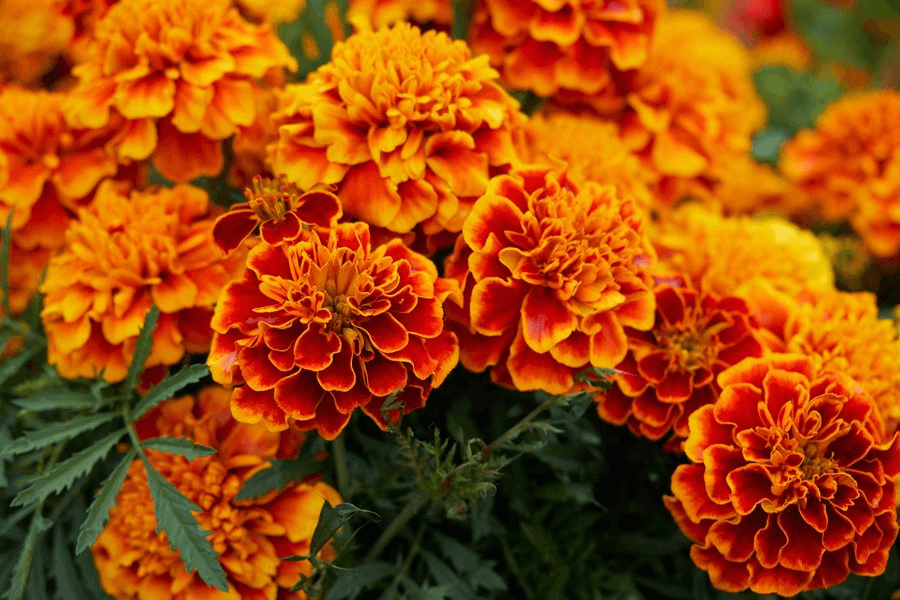
400
What crop family includes plants like lettuce, spinach, and kale?
Answer: What is the vegetable family?
400
8. True or False: The specific crops used in a crop rotation sequence do not matter, as long as they are rotated.
Answer: False. The specific crops used in a crop rotation sequence are important, as they can affect soil health and fertility in different ways.
500
What is the opposite of crop rotation?
Answer: The opposite of crop rotation is monoculture, which is the practice of growing the same crop in the same field year after year.
500
What is the difference between monoculture and crop rotation?
Monoculture is the practice of growing the same crop in the same field year after year, while crop rotation involves planting different crops in the same field over a period of years.
500
Name the four crop families in order
Legume, Root, Fruit, Vegetable
500
True or False: Crop rotation has been practiced for thousands of years by farmers around the world.
Answer: True. Crop rotation has been used for thousands of years by farmers around the world to improve soil fertility and crop yields.