Nervous System Spinal/Cord Injuries
Headaches Migraines
Head injury
Encephalitis/Meningitis
Seizures and epilepsy
Hydrocephalus
Spina bifida
100
Name the 2 components of the nervous system
Central (brain and spinal cord)
Peripheral (nerves outside the brain and spinal cord)
100
What is the difference between a headache and a migraine?
Headaches
-are often mild-moderate; described as pressure, tightness or squeezing.
-often both sides of the head
-no aura
-normal activities can be continued
Migraines
-Often moderate/severe; described as throbbing/pulsating
-Often ones side of the head; can be both
-Aura's common
-light/sound sensitive
-activities are often limited
100
What are 4 types of head injuries?
Concussion
Contusion-bruising
Laceration-tearing of tissue
Skull fracture (several types)
100
What is encephalitis?
Inflammation of brain tissue caused by infection or autoimmune condition
100
What are febrile seizures?
Seizures caused by sudden rise in body temperature
Not about the degree of the fever but how suddenly the temperature rises
Last less than 2 minutes typically
100
What is hydrocephalus?
Enlarged ventricles in the brain due to CSF buildup
100
What is spina bifida?
A neural tube defect at birth and is characterized by failure of the osseous spine to close with CNS effects
An affect anywhere from the brain/skull to spine
200
At what age gestation does the nervous system begin to develop?
3 weeks gestation
200
Types of PRIMARY headaches
Types of SECONDARY headaches
Primary: Migraines
Tension headaches
Cluster headaches
Secondary:
Serious: trauma
Non-serious: Colds, sinuses, TMJ dysfunction
200
What are the ways to screen for head injuries?
Cervical spine imaging (xrays, CT)
EEG (to assess for seizures)
Pupillometry (uses a pupillometer to measure the pupils and their reaction to light)
Glasgow Coma Scale
ICP monitoring (1-10 is normal)
-higher than 15 requires further assessment
200
What are 3 possible causes of encephalitis?
Infections: Bacterial or viral including enterovirus and herpes (especially HSV)
Insect-borne virus (mosquitos like West Nile)
Autoimmune diseases (the immune system mistakenly attacks the brain).
200
What are the risk factors for febrile seizures?
Ages 6mo-5yr, temperature >100.4, family
history or previous febrile seizures
200
What are the causes of hydrocephalus?
Aqueductal stenosis
Neural tube defects
Chari II malformations
Dandy walker
Genetics
Aquired (
200
What are the risk factors for spina bifida?
Medications
Drug use in mother
Maternal malnutrition
Insufficient folic acid intake
Exposure to chemicals or radiation
Genetic predisposition
300
How many pairs of spinal nerves are there?
31 pairs
300
What are migraine auras and examples?
A temporary neurologic symptom that can occur before or during a migraine
Develop gradually and last about 5-60 minutes
Examples:
Visual (most common-flashing lights, blind spots)
Sensory (tingling, numbness)
Speech (slurred speech, difficulty finding words)
Motor (less common-weakness in arm or leg)
300
What are the types of skull fractures?
Linear (most common, do not cross suture line)
Depressed (bone fragments are pushed inward)
Comminuted (more than 1 linear fracture, often from abuse)
Basilar (base of the skull)
Open
Growing (fracture worsens due to brain herniation, dilated ventricles or cysts)
300
Clinical manifestations of encephalitis
Rapidly worsen, have neurological and
systematic manifestation
300
How do we treat febrile seizures?
Lower the temperature
300
How is hydrocephalus diagnosed?
Neuro imaging like CT, ultrasound, MRI
300
How do we diagnose spina bifida?
Prenatal ultrsound
Amniocentesis
400
What are the 4 regions of the spinal cord?
Cervical (C1-C7)
Thoracic (T1-T12)
Lumbar (L1-L5)
Sacral (S1-S5)
400
Common triggers for migraines:
Poor sleep
dehydration
stress
caffeine
heat
bright lights
hormonal changes
400
What are common causes of head injuries?
Concussions: Contact sports
Trauma: Shaken Baby/Non accidental trauma
400
What is the treatment for encephalitis?
Neuroimaging, lumber puncture
Infections: antibiotics or antiviral
Autoimmune: corticosteroids, IVIG400
Tonic clonic seizures
A generalized seizure that causes loss of consciousness followed by stiffening and rhythmic jerking of the muscles
Used to be called Grand Mal Seizures
Tonic: Tight
Clonic: Contractions
400
What are the types of spina bifida?
Spina bifida occulta (defect is below the skin within the spinal column)
Meningocele (protruding sac containing CSF)
Myelomeningocele (protruding sac containing CSF and nerves)
500
What are spinal cord injuries?
A disrupting signal transmission that can be temporary or permanent, affecting sensation, movement, and strength
500
What are tension headaches?
Feels like bilateral tightness and pressure
More common in school-age children and older
Can be episodic or sporadic
Often caused by muscle tightness due to stress
500
What is the treatment for head injuries?
Rest, NSAIDs (mild)
Manage intracranial pressure (severe)
External bleeding control (severe)
Hematoma- surg drain (moderate to severe)
500
What is rabies?
Fatal inflammation of the neurological system caused by a virus after an animal bite
Most commonly seen in Dogs
No human-to-human cases reported
500
What would you expect to see in a patient with absence seizures?
Loss of consciousness
500
What are the types of hydrocephalus?
Acquired-happens later due to hemorrhage, infection, tumor, trauma etc...
Congenital-present at birth
Communicating (CSF fluid can flow between the ventricles)
Obstructive/non communicating: aqueduct stenosis, brain tumors, cysts, congenital malformations
Normal pressure hydrocephalus: Usually in older adults
Hydrocephalus ex vacuo: occurs because of loss of brain tissue (CF, stroke, neurodegenerative disease)
500
What physical signs might you expect to see with spina bifida occulta?
Dimpling of the skin around the spine
Tufts of hair
Port wine angioma nevi (flat area of pigmentation)
600
What are the 4 types of spinal cord injuries? (also known as Spinal Cord Injury Syndromes/SCIs)
Incomplete SCI (Some motor and/or sensory function remains below the injury)
Complete SCI (No motor function or sensory function below the level of injury)
Paraplegia (Paralysis primarily affecting the lower body/legs. Usually thoracic, lumbar or sacral)
Tetraplegia (Affects arms and legs, from cervical spinal cord injury)
600
What are cluster headaches?
Characterized by extremely severe, one-sided pain; usually around the eye
Can occur multiple times per day, often predictable times
Occur in clusters over weeks to months
600
What is the current treatment recommendations for concussions?
Brain rest
-no video games
-no contact sports
Gradual return to regular activities
Management of headaches
600
What is the clinical presentation seen with rabies?
Hyperactivity, hallucination, hydrophobia, lack of
coordination, muscle paralysis
Testing is usually done post mortem
600
When can antiepilepsy medications be stopped?
Once the patient has remained seizure free for 2 years.
600
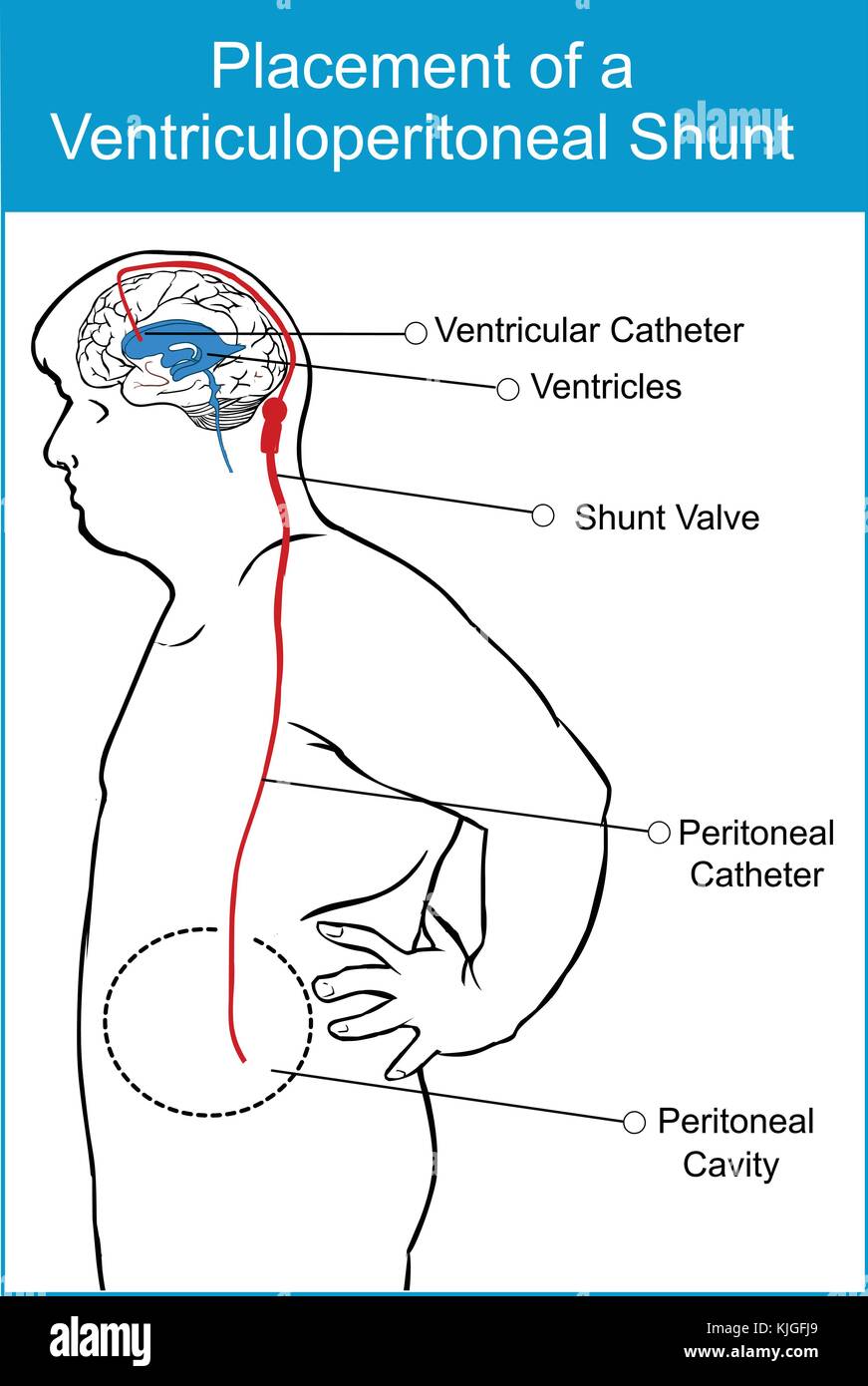
How do we treat hydrocephalus?
VP shunt is often needed
600
What might you see on exam with spina bifida cystic (Myelomingocele or meningocele)
Flaccid muscles, flaccid paralysis, absent deep tendon reflexes
Neurogenic bowel
Neurogenic bladder
Foot contractures
Spinal curvature abnormalities (scoliosis, kyphosis)
Protruding sac midline of the osseous spine
700
Causes of spinal cord injuries?
Blunt trauma, vehicle accidents, falls, sports injuries
700
What is the recommended treatment for headaches?
Prevent with consistent sleep patterns,
adequate hydration, decreased stress,
and well-balanced meals
• When a headache occurs, reduce
triggers and administer medication ASAP
• Encourage rest in a dark area until you
recover from a headache
• If chronic headaches, develop a prevention plan
700
Common symptoms of head injuries?
Minor: LOC, temp confusion, vomiting, lethargy
Severe:
Infant: Increased ICP, bulging fontanel, irritability, high pitched cry, poor feeding, sundowning, distended veins in scalp
Children: nausea, forceful vomiting, blurred vision, headache, seizures
Late findings: alterations in pupillary response, posturing (flexion and extension), bradycardia, decreased response to painful stimuli, optic disc swelling, Cheyne-stokes respirations, coma
700
What is meningitis?
How do we prevent the spread of this
Treatment
Diagnosis
Meningitis is an inflammation of the meninges, the protective membrane surrounding the brain
Can be caused by bacteria, viruses, fungus
Prevent the spread: Isolating children with this known infection
Treat: antibiotics immediately , steroids in some cases
DX: Lumbar puncture for CSF evaluation
700
What would we teach parents regarding what to do when the child is seizing?
Remain calm
Lay child on the side with head tilted back
Do not restrain a child or put anything in the child's mouth
700
What eduction should we provide to families/patients with VP shunts?
Signs of VP shunt malfunction
-headaches
-vomiting
700
When do we treat Myelomeningocele? (MMC)
Prenatal/feta surgery
Immediately after birth
800
Treatments of spinal cord injuries
Initial stabilization, immobilization, possible surgery
800
What is cyclical vomiting syndrome (CVS)
A disorder where a person has repeated, predictable episodes of intense vomiting followed by periods where they feel completely normal
-prodrome phase (nausea, abdominal pain, sweating)
-vomiting phase (repeated, severe vomiting many times over several hours
-recovery phase (vomiting stops, fatigue common)
-well phase (normal periods of time)
Can often be caused by migraines
800
What are red flags of head injuries?
Declining level of consciousness
Repeated vomiting
Seizures
Severe/worsening headaches
Increased confusion or abnormal behavior
800
What might we see in patients with meningitis?
Fever
Irritability (especially in infants)
Poor feeding (especially in infants)
Lethargy
High pitched cry (infants)
Severe headache
Nucal rigidity (stiff neck-usually not in infants)
Photophobia
N/V
Altered mental status
800
What is the difference between seizures and epilepsy?
A seizure is a single episode of abnormal, excessive brain activity
-can happen due to a temporary trigger like fever, hypoglycemia, electrolyte imbalance or infection
Epilepsy is a neurological disorder characterized recurrent, unprovoked seizures
-often occur randomly without a trigger
-can have a predisposition like genetics
800
What are some of the major complications we may see in children with hydrocephalus?
Increased ICP
Brain damage
Developmental delays
Seizures
Vision issues
Head enlargement
Severe: Brain herniation
800
What are the possible lifelong complications associated with spina bifida?
Neurogenic bowel and bladder
Orthopedic problems
Mobility impairment
Hydrocephalus