Tradition
Food
In Pop Culture
Around the World
Los Muertos
100
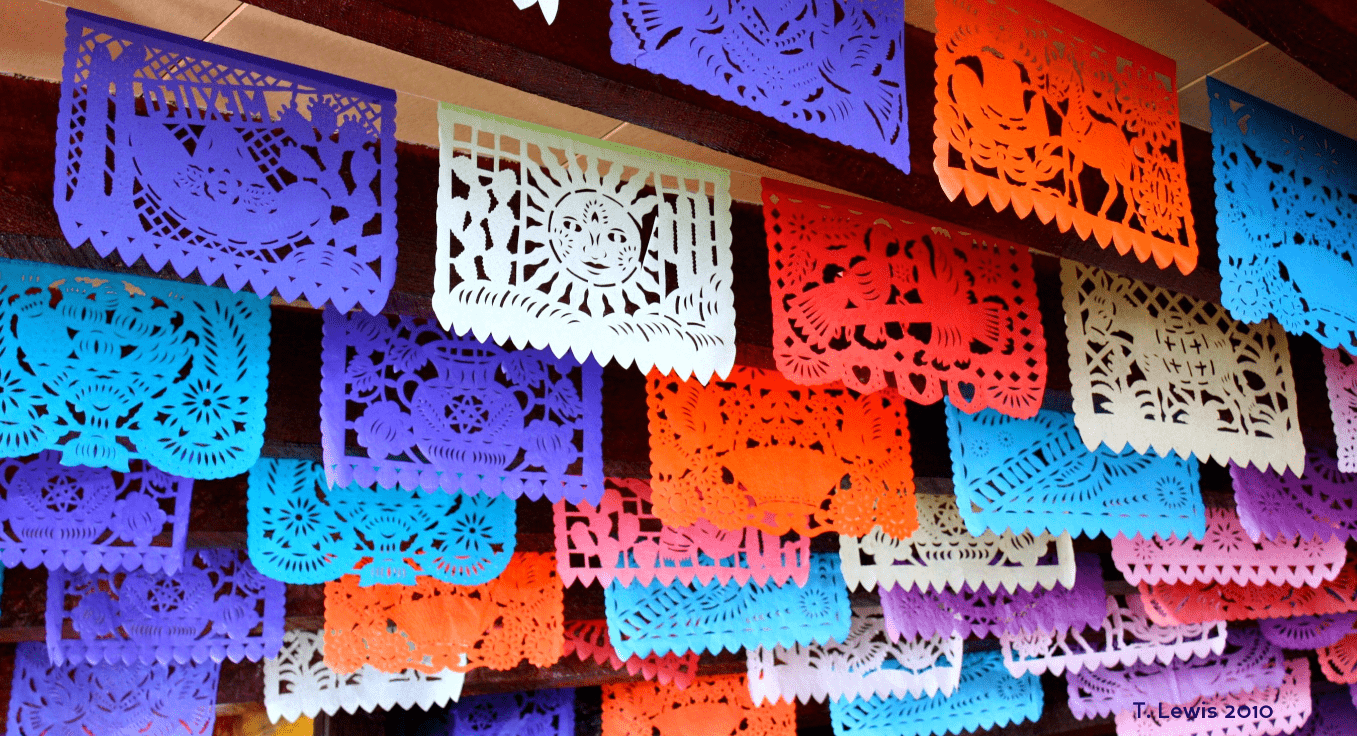 Traditional decorations often feature papel picado, which is created by perforating this type of paper
(Colored) tissue paper
100
Central to festivities are these dishes, whose form represents a body wrapped in a coffin
Tamales
They originate from the Nahua people (largest indigenous group in Mexico)
100
Fittingly, Coco was the first Pixar film to show this happening to a character on screen
Death (Héctor and Ernesto)
100

In Ecuador, on Día de los Difuntos (Nov 2), these pre-Columbian dishes are often served together: colada morada (L) and t'anta wawa.
What gives the drink its color?
Bonus points: what does t'anta wawa mean?
Purple corn
T'anta wawa means bread baby, in Spanish it's called guagua de pan
100
Today we remember Jesús González Rubio (d. 1874), whose name you haven't heard -- but you've definitely heard his composition, "jarabe tapatío" or the "Mexican Hat Dance"
In fact it's so iconic that you'll earn points for singing it without any other hints. Just think of the most Mexican mariachi melody in existence
200
Traditionally, the spirits of the dead are guided by burning copal, a form of this
Tree resin incense (similar to frankincense/myrrh, found in the Americas)

200
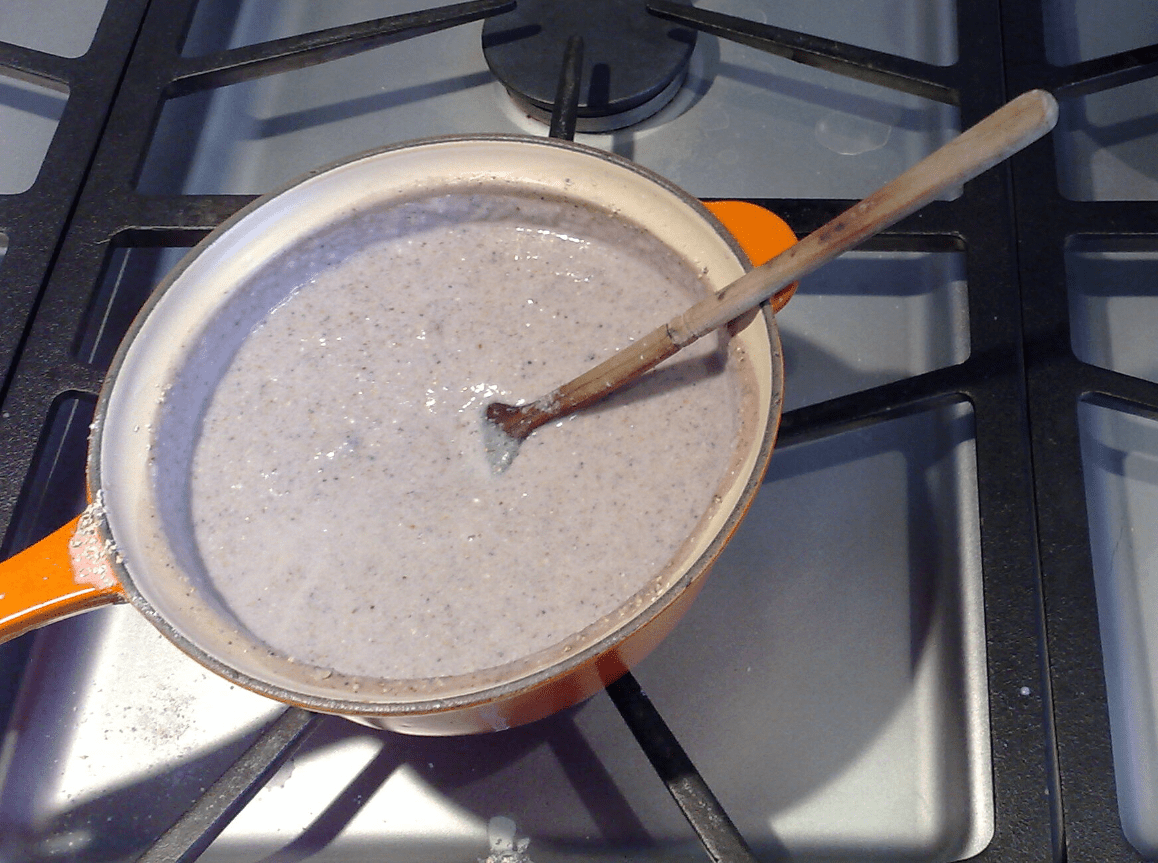 Atole is often served alongside meals on the Day. The beverage is mostly made of this -- which is also what corn tortillas are made of
Masa (mixed with water, milk, and sweeteners)
You may have seen its dried flour form, masa harina.
200

Who painted this?
Frida Kahlo, Girl With a Death Mask
She used a lot of Death imagery in her artwork and, along with her husband, helped canonicalize the Day of the Dead symbolism we know today
200
In which country is a similar celebration called Araw ng mga Patay?
Philippines
200
In 2020 we lost Mario Molina, who was awarded the 1995 Nobel Prize in Chemistry for his work analyzing the effect of these compounds on the ozone layer
CFCs (Chlorofluorocarbons)
In the upper atmosphere, UV radiation easily breaks down CFCs, releasing Chlorine (Cl).
Chlorine breaks down O3 into ClO + O2, then the remaining ClO reacts with another O3 to give Cl + 2O2.
Since the Chlorine is still there at the end, it can keep wreaking havoc in a chain reaction.
300
These household objects are sometimes placed on altars next to photos of the deceased, in order to allow the dead and the living to see each other
Mirrors
300
To purify and preserve the spirits on their journey, people traditionally place this pantry staple on their altars, often laid out in the shape of a cross
 Salt
300
In 2016, Mexico City organized the first ever Day of the Dead parade, which was a huge success with ~250,000 attendees.
The inspiration came from a made-up parade in the intro of this James Bond film
Spectre (2015)
The parade tradition is still going strong and now attracts ~1.5M spectators
300
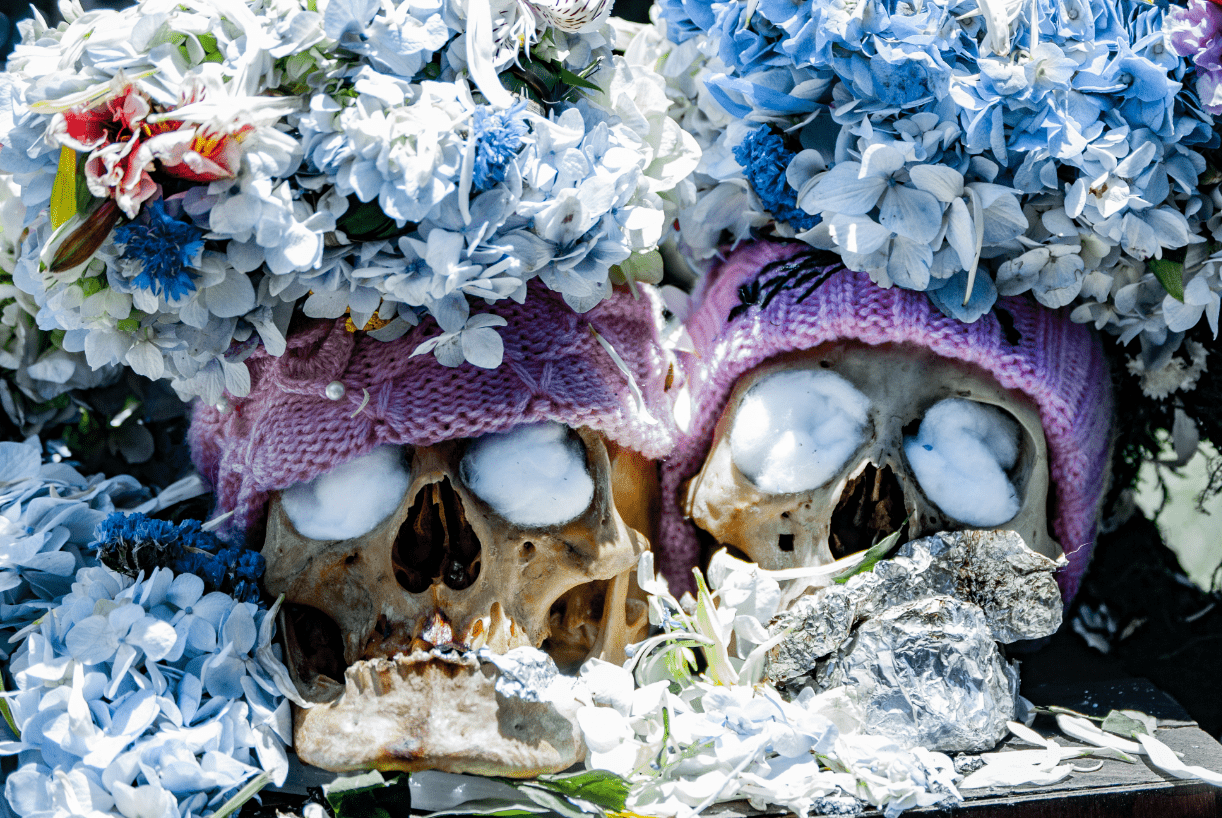
In Bolivia, Día de las Ñatitas is celebrated every year on November 8. In many families, their deceased's ñatitas -- this body part -- are preserved as spiritual protection, and displayed each year at the festivities
Skulls
Although the timing and celebration are Catholic-adjacent, the tradition is believed to be pre-Columbian.
300
Last week (Oct 28) we lost this Civil Rights and Feminist activist, co-founder of the United Farm Workers
Dolores Huerta
400
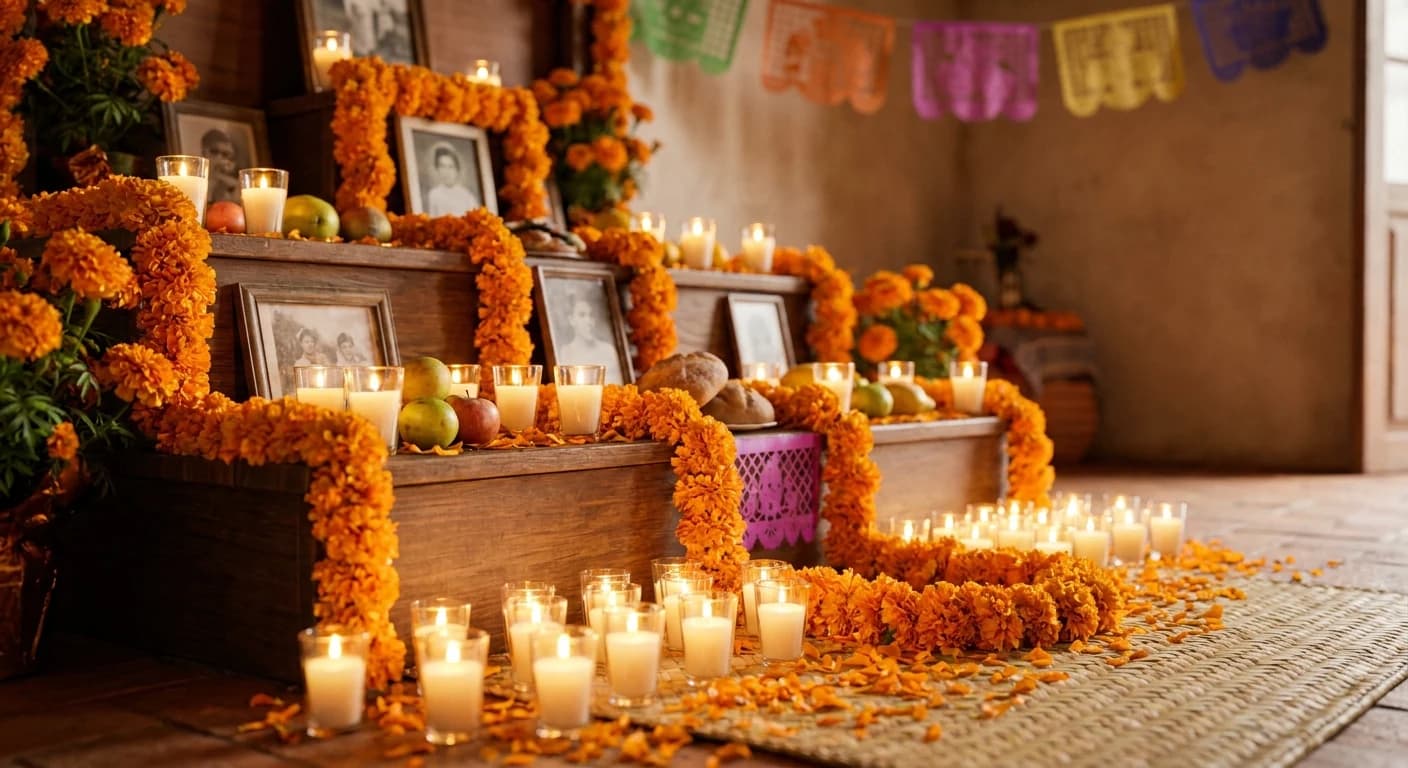
Day of the Dead decorations are full of bright orange cempasúchil, which is this type of flower
Marigold
400

Pan de Muerto is a traditional bread often flavored with this fruit's flower water (or blossom water)
Orange. Variations include orange zest and/or anise.
Orange flower water is very popular across the Mediterranean (madeleines, baklava, tea, even perfume)
400
This dog breed features in Coco and many Kahlo paintings.
Historically, these dogs were often sacrificed and buried alongside humans, in order to guide their souls to the afterlife -- much like the dog-headed Aztec god whom they are named after.
(This god is also the namesake of another endangered Mexican animal)
Xoloitzcuintle (known as Xolo)
Named after Xolotl, Aztec psychopomp and namesake of the axolotl (water dog)
400
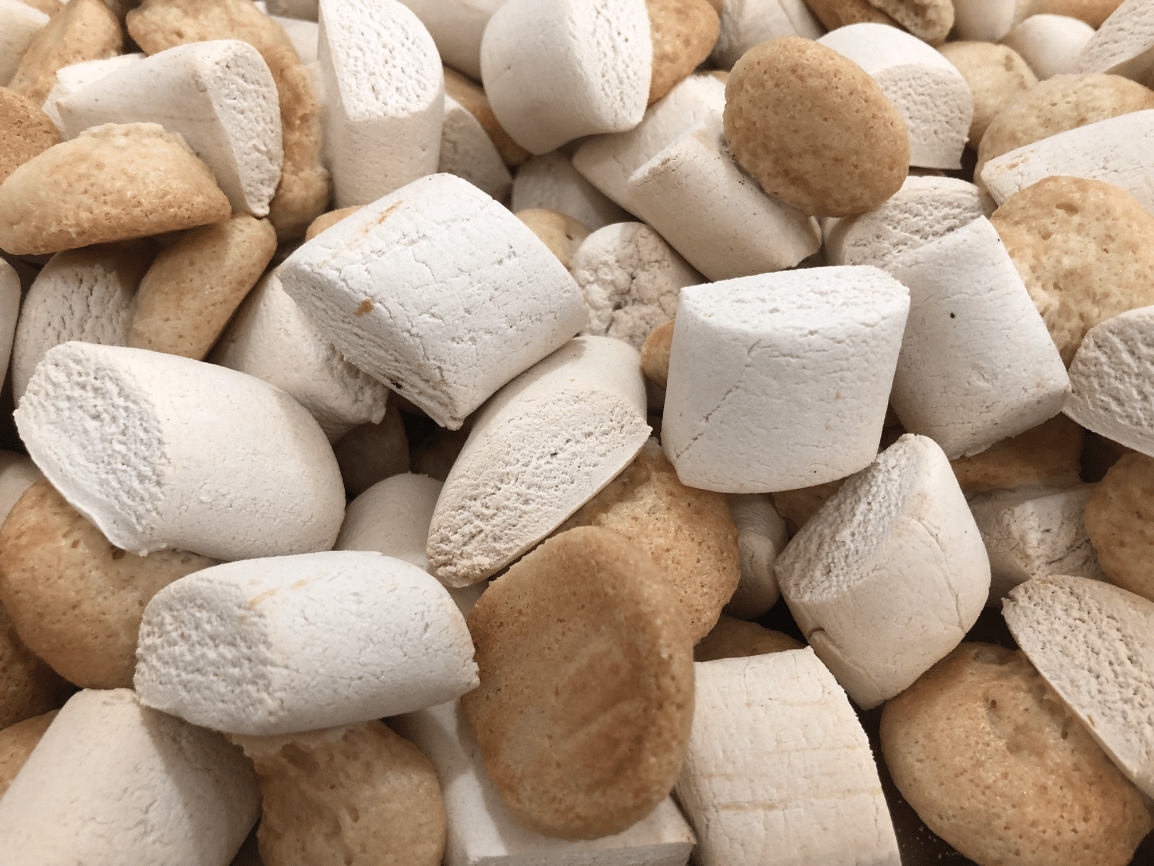
In Sicily, Il Giorno dei Morti is celebrated with morticini cookies, also known as ossi di morto -- which means what?
Bones of the Dead
Apparently these cookies, among other sweets, are left in kids' shoes by the deceased during the night (much like Christmas stockings)
400
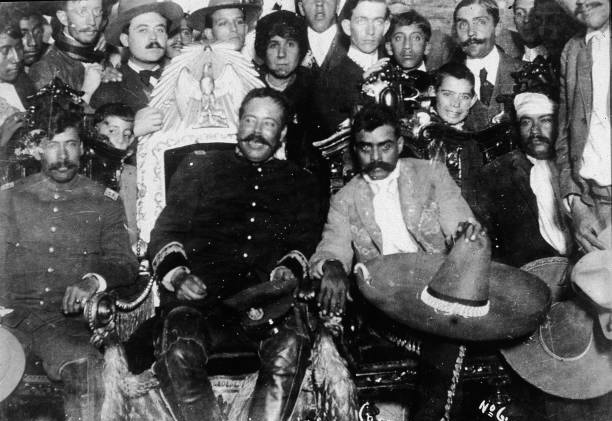
After toppling the Huerta regime, these two Revolutionary leaders from opposite sides of the country briefly shared power and sat together in the presidential chair
Pancho Villa (L) and Emiliano Zapata
500

Many costumes on the Day are inspired by this satirical bourgeoise character, "La Calavera _______"
Catrina
500

Alfeñique are technically-edible decorations made primarily of this
Sugar (+ eggs and vegetable adhesives)
They are originally from the Arab world, where they used honey. The skull form (calaveritas) are popular for Day of the Dead decor in Mexico, but various shapes are used across the hispanic world.
500

Since the turn of the century, this folk saint has been at the center of one of the fastest growing new religious movements in the world (10-20M adherents)
La Santa Muerte, 'La Flaca'
She is associated with many counterculture movements, including gang culture and gay marriage, and she is routinely condemned by the Catholic Church
There's a 'church' in her name in San Jose, and many botánicas in the Bay Area selling spiritual goods
500
Every November 1st, at the Festival de Barriletes Gigantes in Guatemala, thousands of people communicate with the dead and ward off evil spirits by flying these massive and intricately crafted objects
Kites
500
He was the first indigenous president of Mexico, remembered today for resisting European invasions and establishing a liberal federal government with increased equality and reduced church influence.
He is the namesake of the largest city on the Rio Grande
Benito Juárez
Ciudad Juárez is directly across from El Paso.
He is also, apparently, a very highly respected (almost sacred?) figure in some Masonic lodges.