DNA Enzymes
Label the Diagram
DNA Replication Facts
DNA Problems
Mechanism of Replication
100
Which enzyme proofreads the DNA and hooks together nucleotides?
DNA polymerase
100
What is the arrow pointing to (dark blue)?
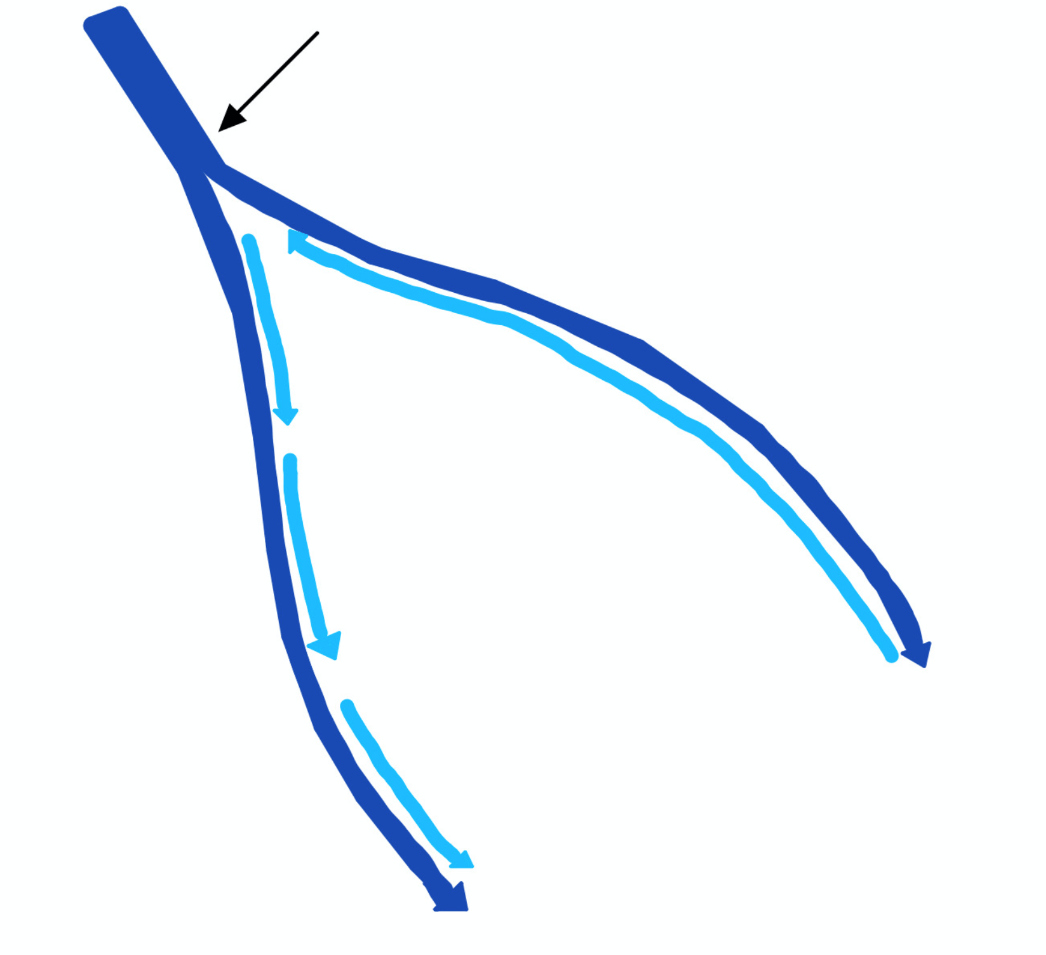
Parent strand
100
Which bases pair with one another (+100 points if you can name who came up with this theory)
Adenine and Thymine
Guanine and Cytosine
**Bonus Points**
Erwin Chargaff
100
Name two problems that could happen with DNA replication and why each one happens.
1. Mismatched error (the wrong bases pair)
2. Thymine dimer (too much exposure to UV light)
100
Fill in the blank:
In the leading strand, DNA synthesizes in the ___ to ___ direction.
5' to 3'
200
What does a single stranded binding protein do? What does ligasae do?
The single stranded binding protein is an enzyme that keeps the two parent strands apart in DNA replication. The ligase attaches the the backbones of the fragments back together.
200
What is the black arrow pointing to?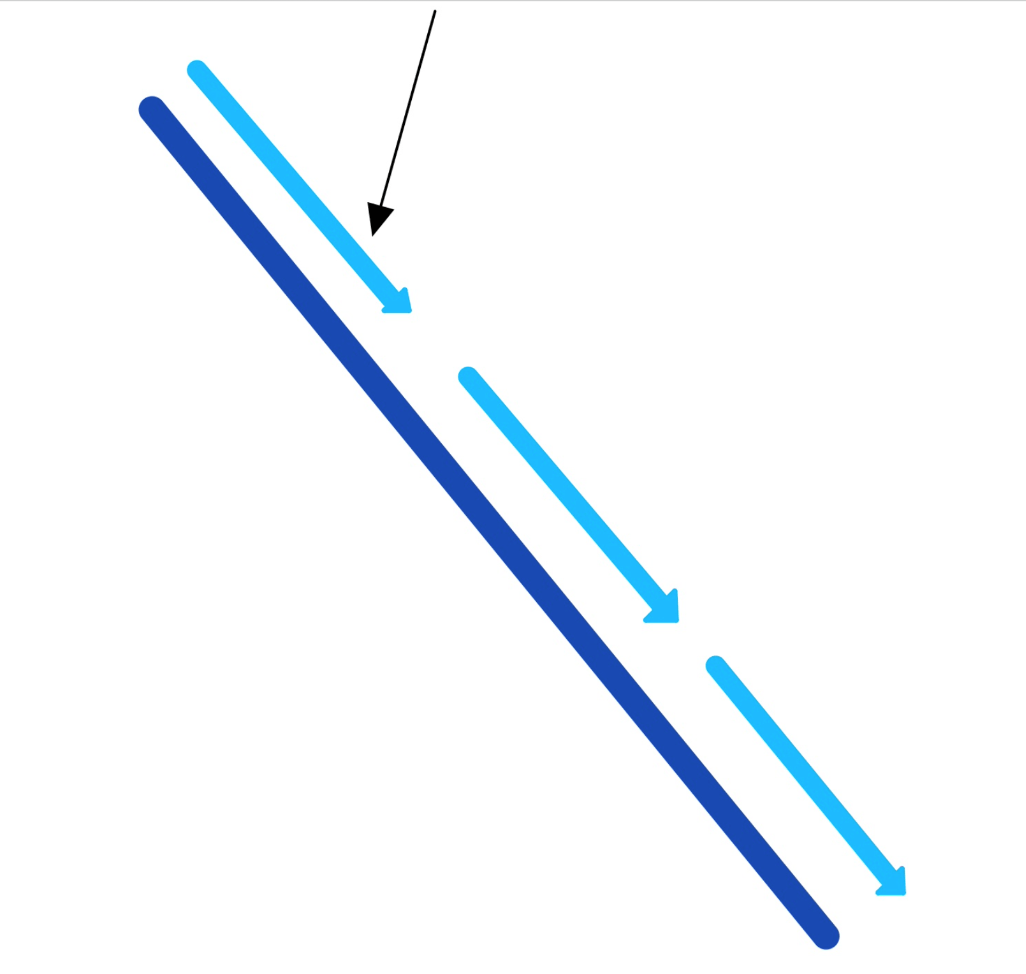
Okazaki fragments
200
What does antiparallel mean?
It means that the strands go in opposite directions and expand in opposite directions.
200
What happens when a mismatched error occurs (think broadly)?
The wrong bases are paired with one another (ex. A & G, T & C)
200
What is a leading strand? What is a lagging strand?
A leading strand is continuously synthesized towards the replication fork. The new daughter strand is connected in one piece. A lagging strand is discontinuously synthesized away from the replication fork. The new daughter strand is connected in fragments called Okazaki fragments.
300
What does helicase do? What does primase do?
Helicase unzips the parent strands of the DNA by breaking the hydrogen bonds. Primase makes RNA primer, which prepares the nucleotide to be paired with its opposite nucleotide (ex. A to T, C to G).
300
Label A and B
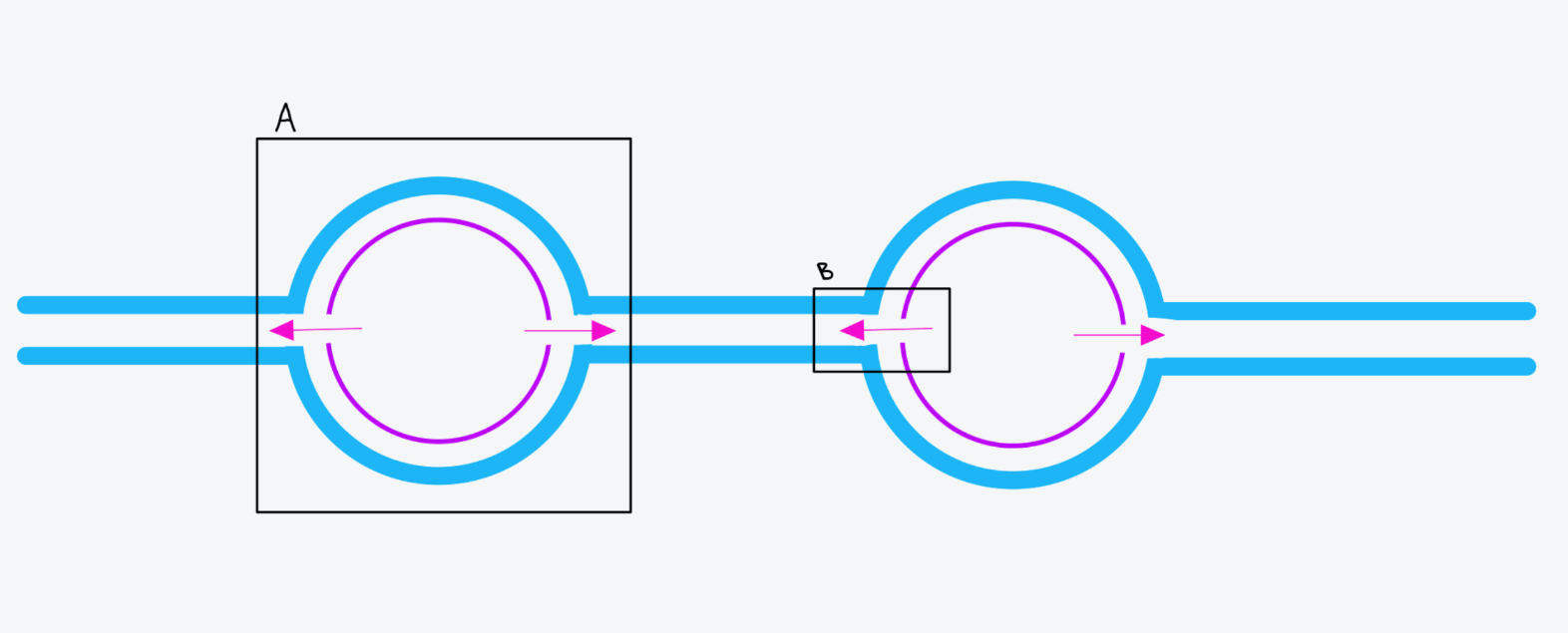
A. replication bubble
B. replication fork
300
What is semi-conservative replication?
Semi-conservative replication is the complex way of saying DNA replication. It means that the parent strand is used as a template for the new strand.
300
What happens when a thymine dimer occurs (think broadly)?
The neighboring thymines (on the same strand) bond together
300
Explain why the 5' phosphate and the 3' hydroxyl exist and what they are.
They are both the number of carbons counted from the attachment site of the nucleotide. The 5' end is where the bottom of the DNA molecule is, and the DNA can't expand from there. The 3' end is where new nucleotides can be added from. The 5' and 3' ends are on opposite sides of the strands because DNA is antiparallel. All DNA molecules contain 5' and 3' ends.
400
What is the order of the enzymes in DNA replication?
Helicase, single stranded binding protein, primase, DNA polymerase, and ligase.
400
What is happening here?
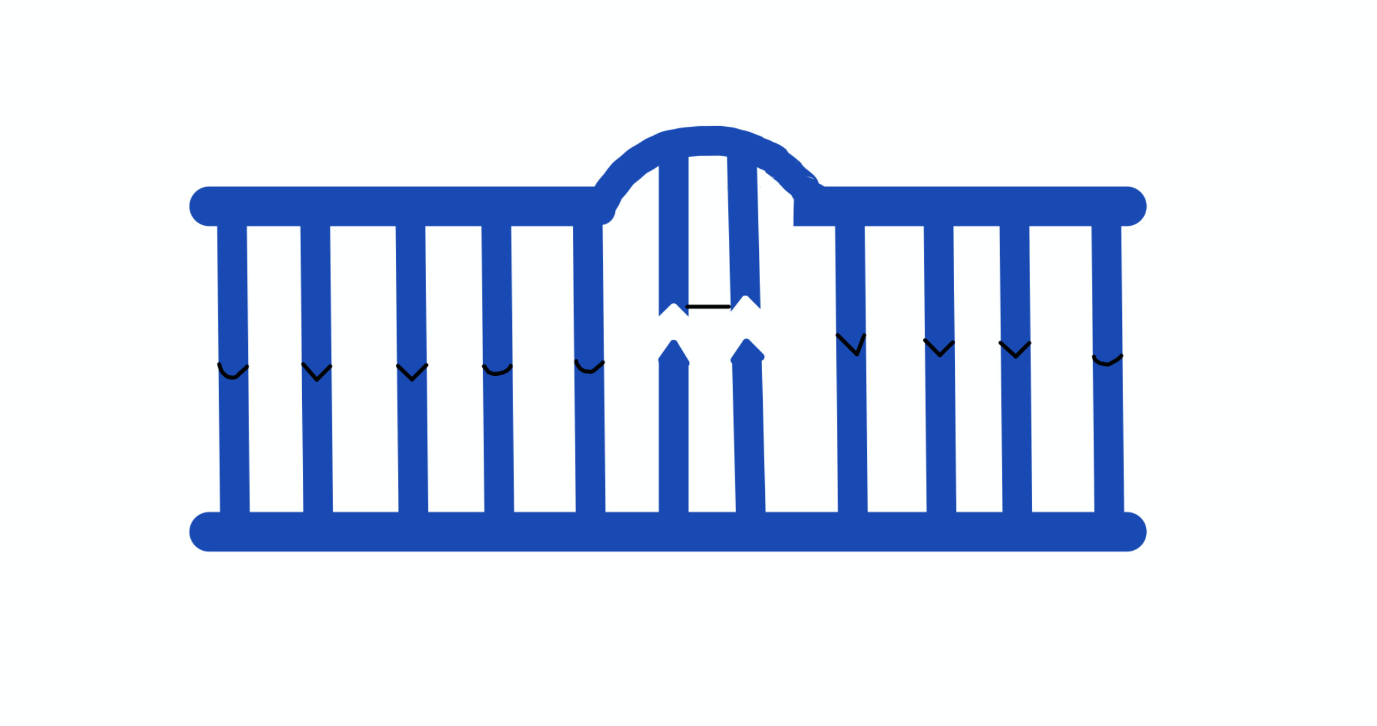
Thymine dimer
400
Why does DNA replicate?
Each cell needs DNA to provide instructions on how to function, so when more cells are made, more DNA must be made as well. Everyday, cells die and regrow, and every cells that replicates needs to have DNA, so there always needs to be a supply of DNA. Also, DNA is needed to synthesize proteins, so it needs to be in constant reproduction.
400
What happens during a nucleotide excision repair?
1. The nuclease removes the damaged nucleotides
2. The DNA polymerase inserts the correct nucleotides back in
3. The ligase joins the DNA segments back together
400
Why is there a difference between the leading and lagging strand?
There is a difference because the DNA is antiparallel and the direction that the enzyme synthesizes. The enzyme follows the direction of the leading strand so it has to fill in the lagging strand because it goes in the other direction.