Epidemiology
Communicable
diseases
diseases
Noncommunicable
diseases
diseases
Substance Use
Injury & Violence
100
List the 3 components of the epidemiological triangle. Give an example of each component.
Agent- pathogen such as virus or bacteria
Host- person or animal
Environment- time/place
100

TOPIC: SUBSTANCES
What's your wager? *you can wager up to the amount of points the winning team has (if you are the winning team, you can wager up to 500 points). Risk losing the points if you answer incorrectly.
Match the following drug or description with the appropriate class (stimulant, narcotic, dissociative anesthetic, depressant, hallucinogen, inhalant, or cannabis).
1. Vicodin
2. Nicotine
3. Prozac
4. Results in an altered perception of reality
5. Butyl nitrite
100
A 54 year old male patient goes to see his provider for an annual checkup. The patient weights 190 pounds, smokes tobacco occasionally, and has family history of hypertension and type 2 diabetes. During the assessment, he admits he eats a lot of fast food because he does not cook and has a very stressful & demanding job. List one primary and one secondary intervention for this patient.
Primary prevention- Education on healthy eating and physical activity, vaccinations, smoking cessation education.
Secondary prevention- cholesterol screening, BP screening, A1C/glucose screening.
100
Garret is assisting the primary care physician with screening a patient. He is told the patient takes Xanax and the provider is worried about substance abuse. Which of the following questions should he ask the patient in order to determine the risk of adverse consequences associated with substance use? Select all that apply.
a. What is your dose of Xanax?
b. How often do you take Xanax? Daily, weekly, monthly?
c. Would you say you have a high tolerance to Xanax?
d. Do you take Xanax consistently? Do you take it here and there?
e. How long over your lifetime have you taken Xanax?
f. Do you feel any withdrawal symptoms when you stop taking Xanax?
a. What is your dose of Xanax?
b. How often do you take your Xanax, daily, weekly, monthly?
d. Do you take your Xanax consistently?
e. How long have you been taking Xanax?
100
Mora is a nurse is teaching mothers on ways to prevent unintentional poisonings and deaths that occur from unintentional poisonings. Which of the following teachings are appropriate? Select all that apply.
a. Make sure to dispose any unused medication in your regular trash bin.
b. Ensure you have child proof locks on cabinets that contain hazardous cleaning supplies.
c. Switch your alkaline batteries to button batteries.
d. Do not take medication beyond it's intended prescription use or dosage.
e. Call a poison control center if you suspect you or someone has been poisoned.
b. Ensure you have child proof locks on cabinets that contain hazardous cleaning supplies
d. Do not take medication beyond it's intended prescription use or dosage
e. Call a poison control center if you suspect you or someone has been poisoned
200
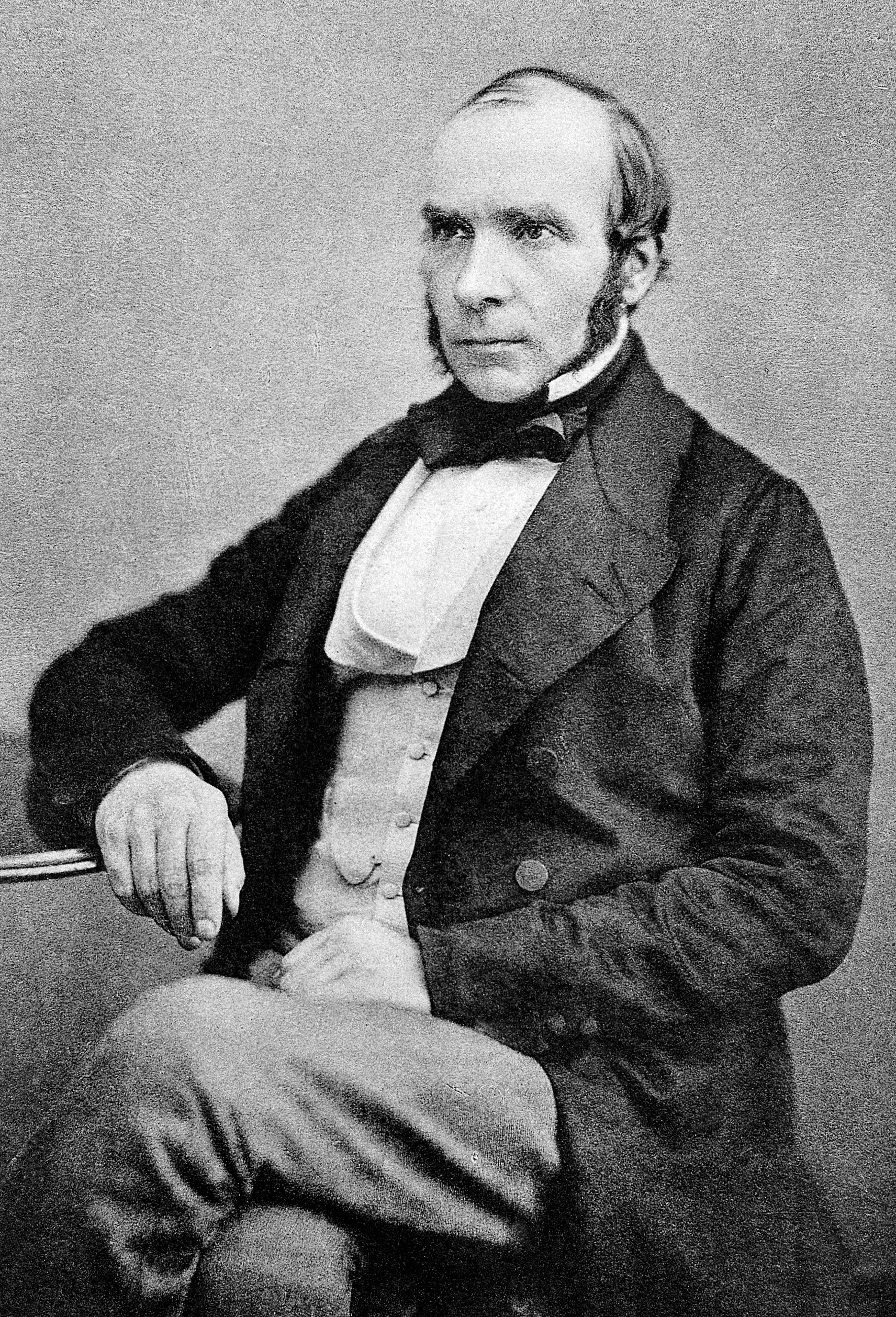
1. Who is this (*hint- he is the named the father of modern epidemiology)?
2. What disease did he study?
3. What was the cause of the outbreak?
1. John Snow.
2. He studied cholera.
3. Residents consuming water from the Broad Street water pump were being infected.
200
You are working as a nurse in a family-practice clinic working to treat a child who has influenza. What education would you provide to the mother? Select all that apply.
a. Depending on your state, the influenza vaccine may be required for your child if he wants to go to school.
b. Your son does not need to be vaccinated for flu later this year because he already contracted it in February.
c. Pediatric flu deaths are still common so it is important your child receives the flu vaccine annually.
d. Influenza peaks during the months of October and January, so make sure your child gets vaccinated beforehand.
e. Your son will need to take antibiotics if he contracts influenza
a. Depending on your state, the influenza vaccine may be required for your child if he wants to go to school.
c. Pediatric flu deaths are still common so it is important your child receives the flu vaccine annually.
200
List the top 4 modifiable behavioral risk factors associated with noncommunicable diseases.
physical activity, nutrition, alcohol use, tobacco use
200
Category: Math
What's your wager? *you can wager up to the amount of points the winning team has (if you are the winning team, you can wager up to 500 points). Risk losing the points if you answer incorrectly.
A nurse is preparing to administer gentamicin 6 mg/kg/day IM divided in 3 equal doses to a client who weighs 112 kg. Available is gentamicin 40 mg/mL. How many mL should the nurse administer per dose? Round your answer to the nearest tenth.
200
Which of the following are examples of primary prevention interventions used to reduce motor vehicle crashes? Select all that apply.
a. Getting treatment at a level 1 trauma unit
b. Improving road conditions
c. Ensuring car seat for a newborn is properly installed
d. Putting up pedestrian walkway signs
e. Installing a new traffic light installation in a busy intersection.
b. Improving road conditions
d. Putting up pedestrian walkway signs
e. Installing a new traffic light installation in a busy intersection.
300
Fill in the blanks. Word bank (*not all words will be used): prevalence, incidence, attack rate, secondary attack rate, dependent rate, independent rate, mean, median, mode.
1. ______ - the number of new cases of a disease
2. ______ - the number of total cases of a disease
3. _______ - the number of ill or diseased people in the numerator and dividing by the total number of ill plus well people
4. _______- the number of new cases of a disease or illness among the contacts of the initial (primary) cases, dividing by the number of people in the population at risk
5. ______- two rates that are separate from one another and do not rely on each other.
1. Incidence
2. Prevalence
3. Attack rate
4. Secondary attack rate
5. Independent rate
300
You are a tourist who has recently traveled to Bali. You experience diarrhea while on your trip. What do you suspect might have caused you to acquire this diarrheal disease? Select all that apply.
a. Consuming a drink with ice that was made by the local tap water
b. Eating food from the local food stalls
c. Getting bit from an infected mosquito
d. Shaking hands with a person who did not wash their hands thoroughly after going to the bathroom
e. Getting scratched by a wild animal
a. Consuming a drink with ice that was made by the local tap water
b. Eating food from the food stalls
d. Shaking hands with a person who did not wash their hands thoroughly after going to the bathroom
300
You are a nurse working with a community that has high rates of hypertension in the older adult population. You plan to create an posters and pamphlets to educate community members about the disease. What would you want to do when creating your material? Select all that apply.
a. Include visuals like pictures to accommodate different types of learners.
b. Write health information at a 10th grade reading level.
c. Consider the community's diverse population and culture when creating the material.
d. Provide referrals on the pamphlets/posters such as the Meals on Wheels program.
e. Write as much information as possible to ensure nothing is left out.
a. Include visuals like pictures to accommodate different types of learners.
c. Consider the community's diverse population and culture when creating the material.
d. Provide referrals on the pamphlets/posters such as the Meals on Wheels program.
300
You are heading a class for expecting teenage mothers and educating them on the consequences of drinking alcohol during pregnancy. Which of the following statement(s) about fetal alcohol syndrome (FASD) is inaccurate and indicates the client requires further education? Select all that apply.
a. It is okay for me to drink a glass of wine every night with dinner during my pregnancy.
b. If I consume alcohol during my pregnancy, my child will have down syndrome.
c. If I expose my child to alcohol while pregnant, they may experience impaired central nervous system function.
d. My future child may have experience a growth deficiency pre and postnatally if I drink during my pregnancy
e. I may see physical changes in my child, such as a flatter midface, if I drink during my pregnancy.
a. It is okay for me to drink a glass of wine every night with dinner during my pregnancy.
b. If I consume alcohol during my pregnancy, my child will have down syndrome.
300
You are working as a clinic nurse and suspect that your patient is experiencing intimate partner violence (IPV). Which of the following actions should you take? Select all that apply.
a. Provide care and document all assessments in an objective manner
b. Provide the patient with an educational pamphlet about IPV
c. Make sure you report the situation to the appropriate agency
d. Confirm that is is a case of IPV with the provider before performing mandated reporting
e. Ensure the patient has a safety plan if they decide to leave their relationship
f. Provide the patient your personal number in case they need help in an emergency situation.
a. Provide care and document all assessments in an objective manner
c. Make sure you report the situation to the appropriate agency
e. Ensure the patient has a safety plan if they decide to leave their relationship
400
There are different models that are use to helps us understand epidemiology. Which framework illustrates the complexity of how illness, injury, and disease are determined by multiple causes, and are at the same time affected by a complex interaction of biological and sociobehavioral determinants of health?
 a. Ecological model
b. Web of causation
c. Tree of impact
d. Epidemiological constants
b. Web of causation
400
Sara, a nursing student, is learning about the different types of surveillance. Which option accurately demonstrates active surveillance? Select all that apply.
a. A epidemiologist reviews United States census data.
b. The health department sends over a report of all diagnosed cases of chlamydia to the CDC.
c. A public health nurse reviews patient medical records at a local STI clinic.
d. A nurse interviews people that have contracted syphilis and asks them about their experience.
e. A provider notifying the local health department about a patient diagnosed with gonorrhea.
c. A public health nurse reviews patient medical records at a local STI clinic.
d. A nurse interviews people that have contracted syphilis and asks them about their experience.
400
Reviewing social determinants of health is important when investigating noncommunicable disease in a community. Which of the following are social determinants of health? Select all that apply.
A. Income and social status
B. Social support networks
C. Gender
D. Antibiotics
E. Physical environment
F. Culture
A. Income and social status
B. Social support networks
C. Gender
E. Physical environment
F. Culture
400
You are volunteering with a group of public health officials in the downtown area of a large urban city. You are tasked with handing clean needles to people who need it and disposing used dirty needles into sharps containers. What prevention model are you demonstrating?
Harm reduction model
400
You are learning how to better recognize signs of child maltreatment as a public health nurse. You know there are individual risk factors that make a child more at risk for being a victim of child maltreatment. Select all that apply.
a. Having a large family
b. Being under the age of 4 years old
c. Being in a minority race group
d. Having a physical ailment
e. Being in a higher socioeconomic status group
b. Being under the age of 4 years old
d. Having a physical ailment
500
A scientific researcher is conducting a study where he is studying the effects of a new medication. He obtains people for his study and places them into 2 groups, an intervention group and a control group. He provides the intervention group the medication and the control group a placebo (the groups do not know whether or not they took the actual medication). He compares the two groups to see if there is a statistically significant difference in outcomes. What is this type of study called?
A. Case-control study
B. Randomized clinical trial
C. Cohort study
D. Cross sectional study
B. Randomized clinical trial
500
We learned about different types of immunity in chapter 8. Describe the difference and give an example of each one.
1. artificial passive immunity
2. natural passive immunity
3. active immunity
Artificial passive- involves the transfer of antibodies and can be done in various forms. ex. vaccine or antitoxin.
Natural passive- antibodies passed from mother to child
Active immunity- acquired through exposure to the agent. It is usually longer lasting. Ex., if you get exposed to mumps from someone, you get mumps.
500
_____________ model requires health-care providers to reframe the care provided from the treatment of acute phases of an NCD within an a hospital setting to long term care management in the community. *hint, the model is pictured below.

Integrated care delivery OR chronic care
500
Abby is a PHN and has been assigned to work with high school located in an area with high rates of crime and substance use. The principal wants Abby to develop an after school arts program for students in single family households or have parents with substance use disorders. What level of prevention would this be considered?
a. Universal level of prevention
b. Selective level of prevention
c. Indicated level of prevention
d. Distributive level of prevention
b. Selective level of prevention
500
There has been an increase in the number of suicide cases in your community. You have been assigned to teach high school instructors about suicide including risk factors and prevention. Which of the following statements regarding suicide are true? Select all that apply.
a. To combat the public health issues of suicide, only specialized health workers and counselors should learn how to assess & manage suicidal behavior.
b. News media does not impact suicide rates.
c. There are lower suicide rates in states with stricter gun laws.
d. Having physical disability, such as body ailments, is a risk factor for suicide.
e. It is important to conduct follow-up care and provide care for students who have attempted suicide.
c. There are lower suicide rates in states with stricter gun laws.
d. Having physical disability, such as body ailments, is a risk factor for suicide.
e. It is important to conduct follow-up care and provide care for students who have attempted suicide.