Matter
Bonding
Minerals
Rocks
Assorted
100
This property is defined as the amount of matter in an object; it and volume are the two things matter must have
What is mass
100
The type of bond formed when atoms transfer electrons and form oppositely charged ions.
What is an ionic bond?
100
This physical property (single word) describes how a mineral reflects light: metallic or nonmetallic.
What is luster?
100
This rock type forms from the compaction and cementation of sediments.
What is a sedimentary rock?
100
Elements are substances that cannot be broken down by these means (two types).
What are physical or chemical means?
200
Name the state of matter that has a definite shape and definite volume.
What is a solid?
200
What rule describes atoms gaining or losing electrons to achieve the electron configuration of a noble gas?
What is the octet rule?
200
The powdered color of a mineral, produced by rubbing it on porcelain, is called this.
What is streak?
200
Name the rock type that forms when magma cools and solidifies below Earth’s surface.
What is an intrusive igneous rock
200
In the periodic table square, what does the atomic number represent?
What is the number of protons in the nucleus (and number of electrons in a neutral atom)?
300
Which subatomic particle has a charge of +1 and defines the element identity?
What is a proton?
300
Give two physical characteristics typical of metallic bonding.
Malleable and good conductors of heat/electricity (also ductile, lustrous, high melting point).
300
Name the scale commonly used to compare mineral hardness with ten reference minerals.
What is Mohs hardness scale?
300
Which rock classification is formed by heat and pressure altering preexisting rocks and often shows foliation (ribbon-like layers)?
What is a metamorphic rock?
300
Define density
Density is mass divided by volume
400
The weighted average mass of an element’s isotopes is called this.
What is atomic mass (atomic weight)?
400
Define Covalent bonding
chemical bond where two atoms share one or more pairs of electrons.
400
Define cleavage and contrast it with fracture.
Cleavage is the tendency of a mineral to break along flat planes of weakness; fracture is breaking along irregular or jagged surfaces.
400
Give two processes that are part of weathering, and explain how they differ from erosion.
Chemical weathering (e.g., dissolution, oxidation) and physical (mechanical) weathering (e.g., freeze-thaw, abrasion). Weathering breaks down rock in place; erosion transports the broken material away.
400
What category rock is this?
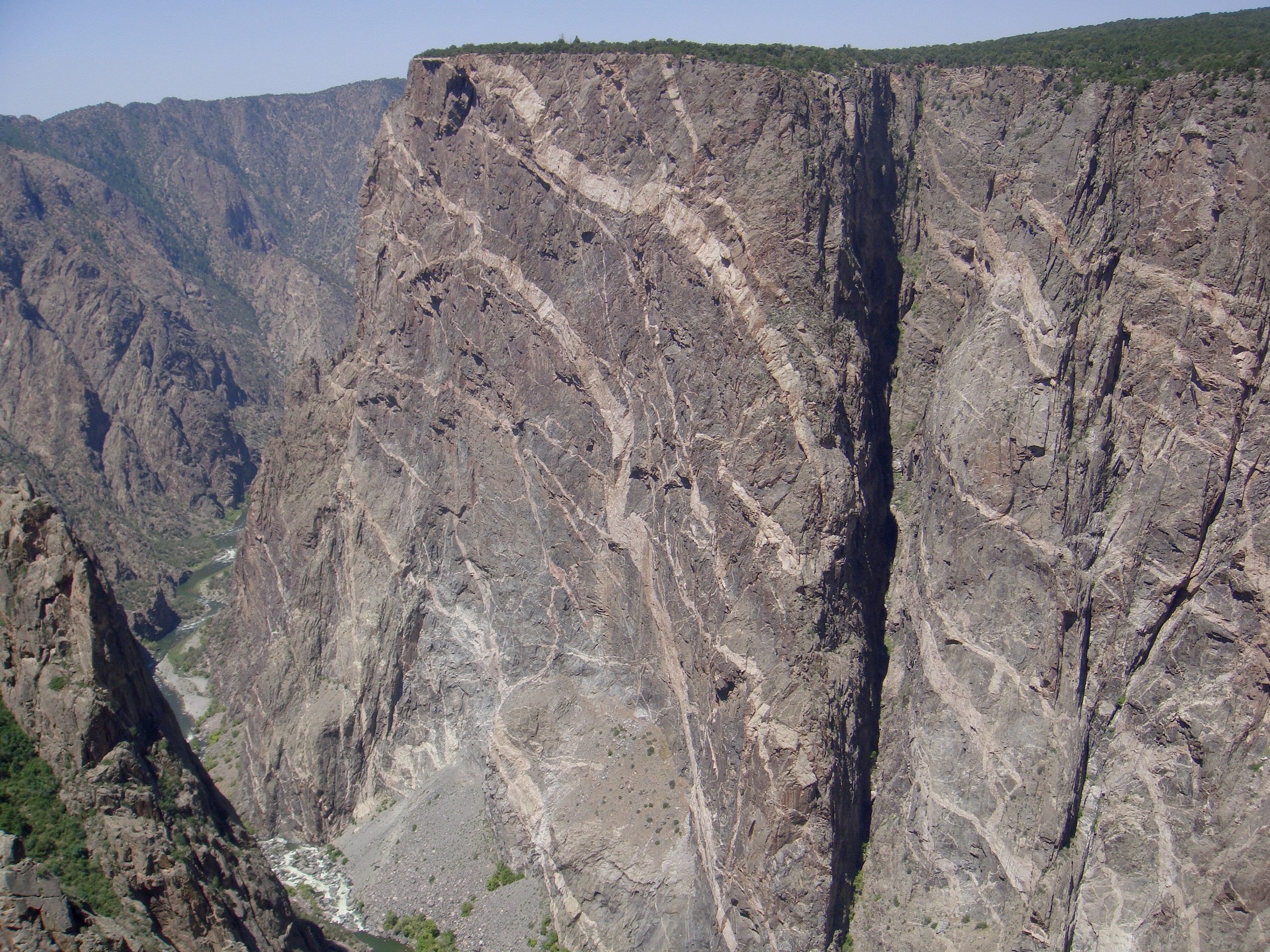
What is metamorphic (Gneiss & Schist)
500
Describe how isotopes of the same element differ
Isotopes have the same number of protons but different numbers of neutrons
500
Using periodic trends, predict whether potassium (K) tends to lose or gain electrons and state the likely charge on its ion.
Potassium tends to lose one electron to form a +1 ion (K+).
500
Provide three reliable tests (not including color alone) you would use to identify an unknown mineral and briefly state what each test reveals.
Hardness test (Mohs scale) — resistance to scratching; Streak test — true powdered color; Luster/appearance — metallic vs nonmetallic (or specific gravity/density test) — mass per unit volume to help identify composition
500
On a blank rock-cycle diagram, label where melting, compaction/cementation, and metamorphism occur and name one rock example for each process.
Melting → in mantle/near magma (produces magma → igneous rocks when cooled) — example: basalt or granite (formed from cooled magma); Compaction/cementation → at Earth's surface/in sedimentary basins forming sedimentary rocks — example: sandstone or shale; Metamorphism → deep in crust under heat and pressure forming metamorphic rocks — example: gneiss or marble.
500
What Category of rock is pictured? 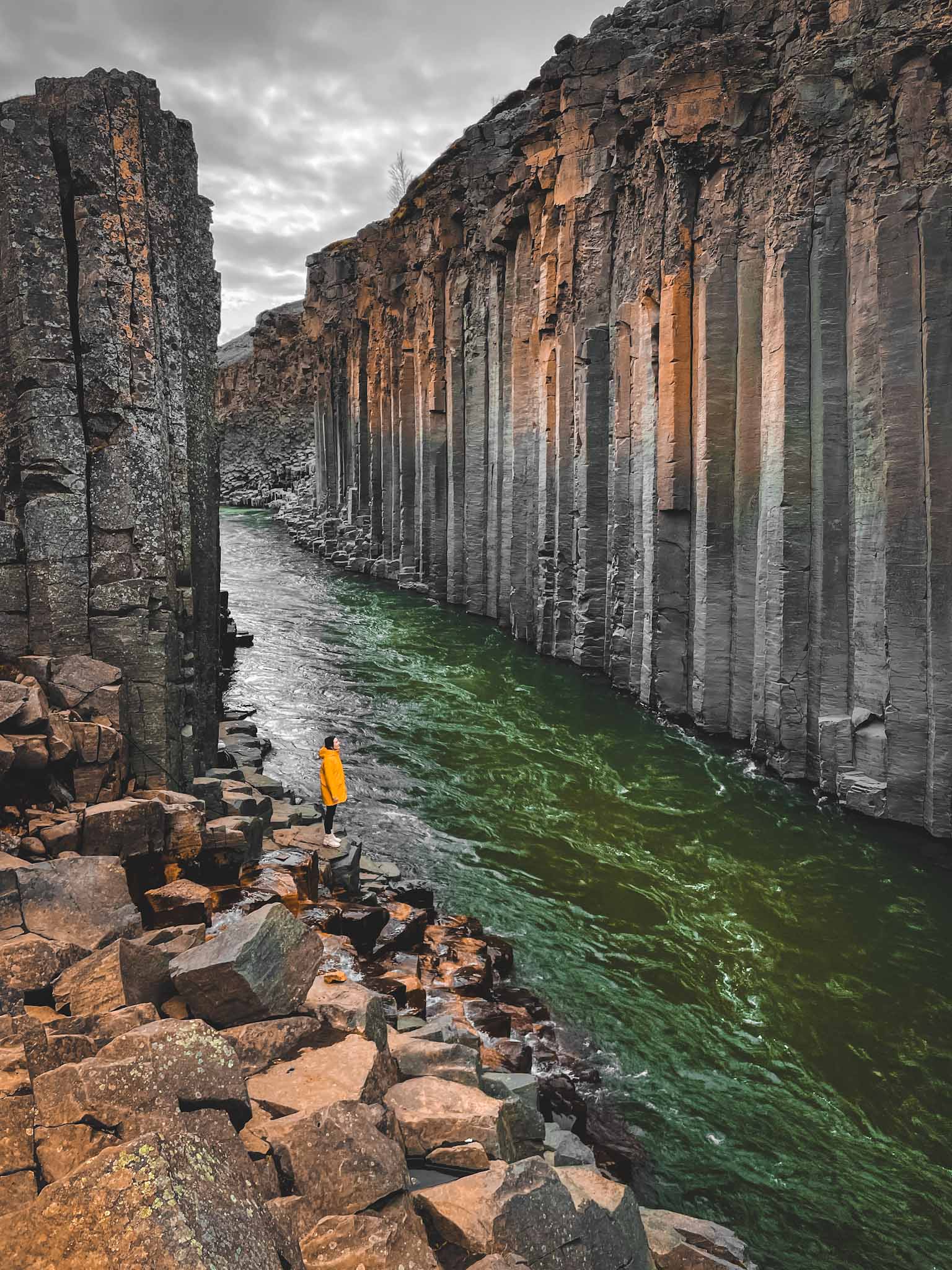
What is Igneous? (Basalt)