Years
Days
Earth's Tilt
Approaching Seasons
Direct/Indirect Rays
Seasonally Random
Solar System Rewind
100
How many days does it take for a full trip around the sun?
365 days
100
How many hours are there in an Earth day?
24 hours
100
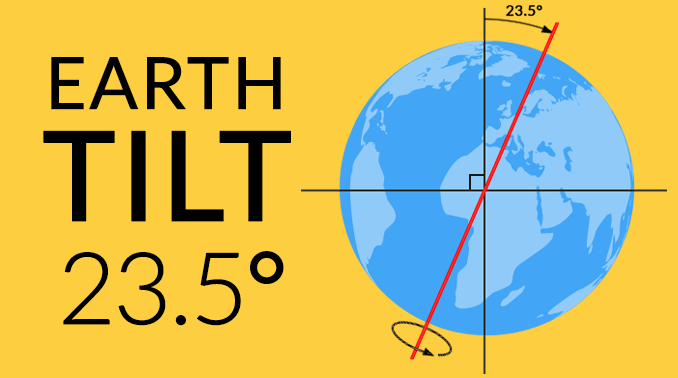
What is the number one reason why we have seasons?
23.50 Tilt
100
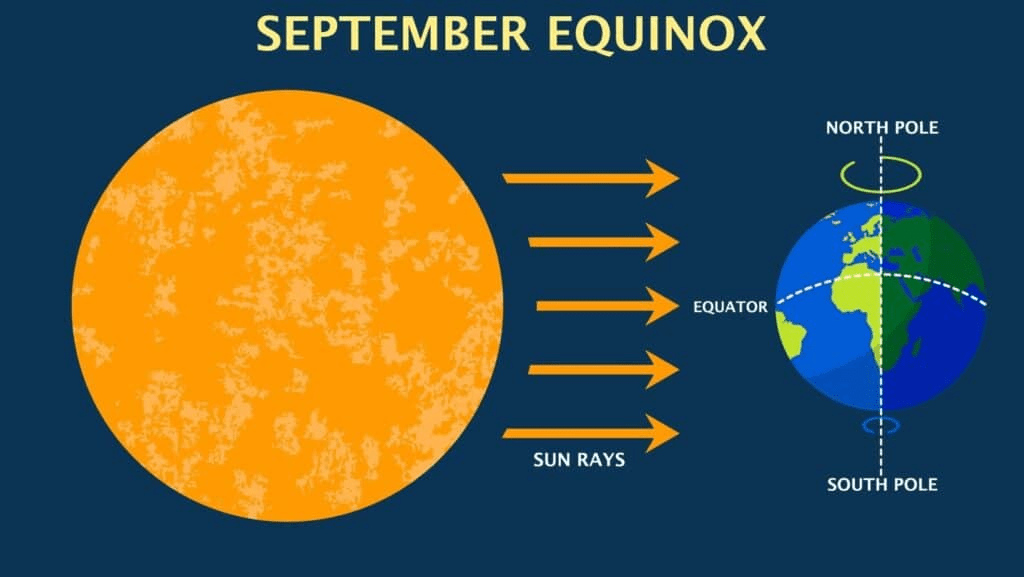
Name the season that follows the solstice, when the sunrise gets later and the sunset gets earlier.
Fall or Autumn
100
When does the equator receive direct sunlight?
Always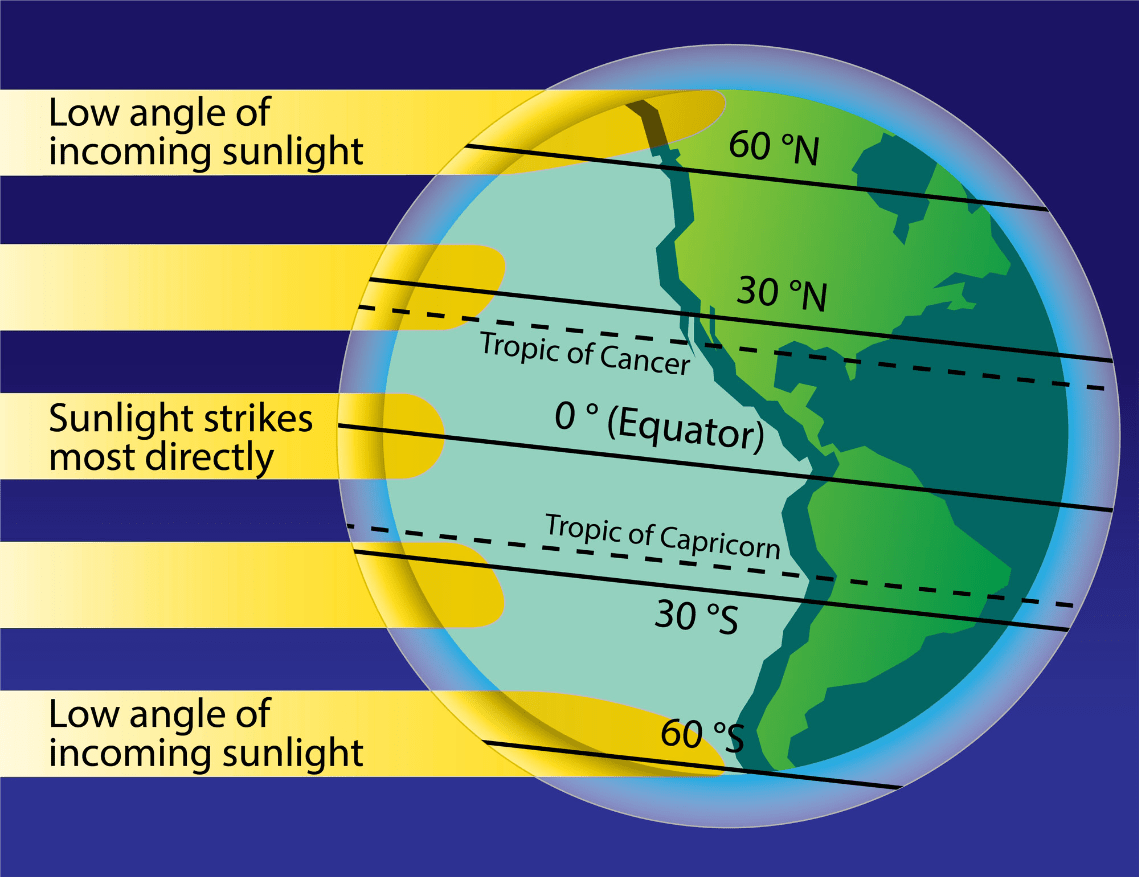
100
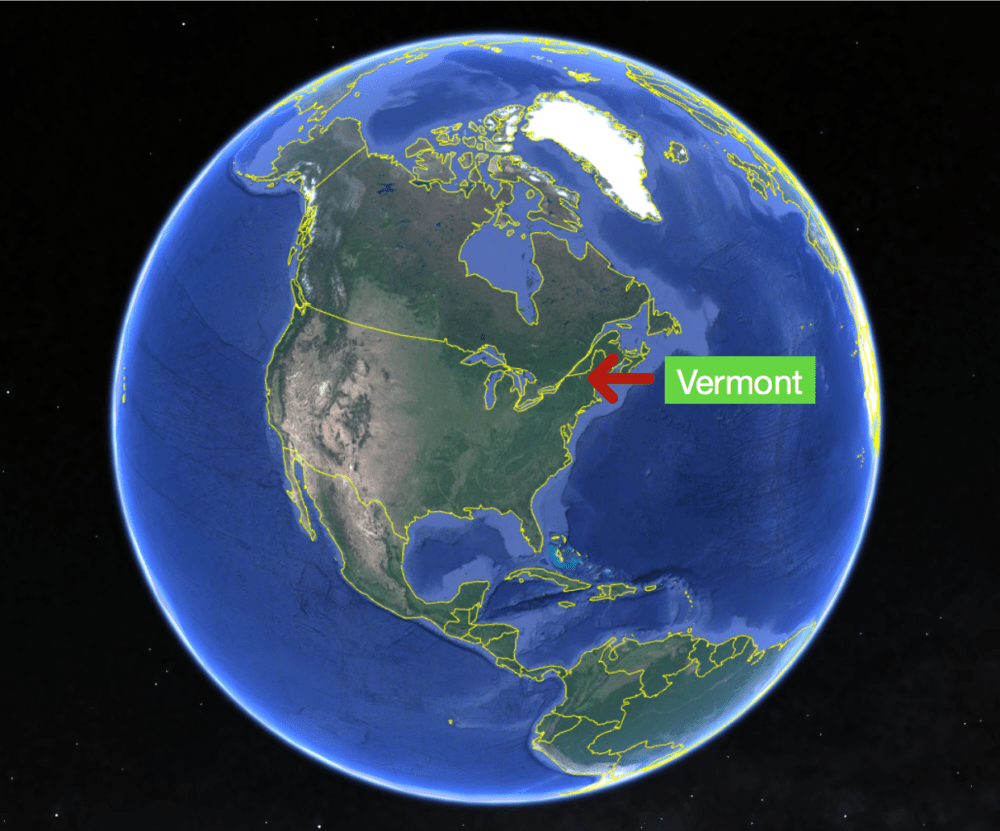
What hemisphere do we live in?
The Northern Hemisphere
100
What is the name of the star at the center of our solar system?
The Sun
200
What are the two words we use to describe Earth's movement around the Sun?
Orbit and Revolution
200
What word do we use to describe Earth's movement on its axis?
Rotation / Spin
200
Exactly how many degrees is Earth's axis tilted?
23.50
200
Name the season that follows the solstice, when the sunrise gets earlier and the sunset gets later.
Spring
200
Can a latitude above Vermont receive direct sunlight?
No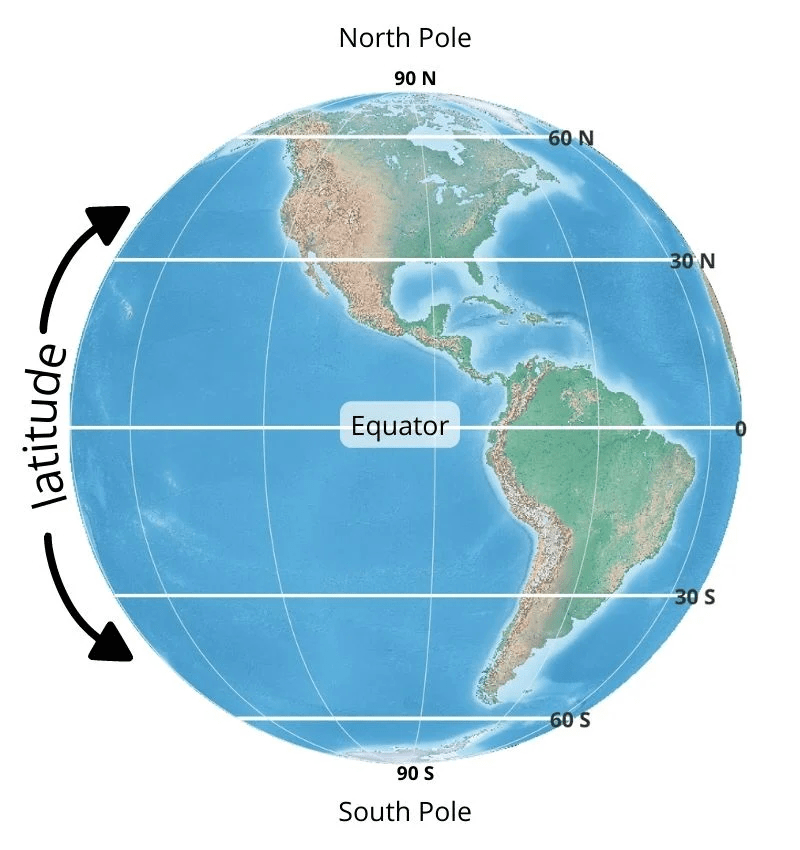
200
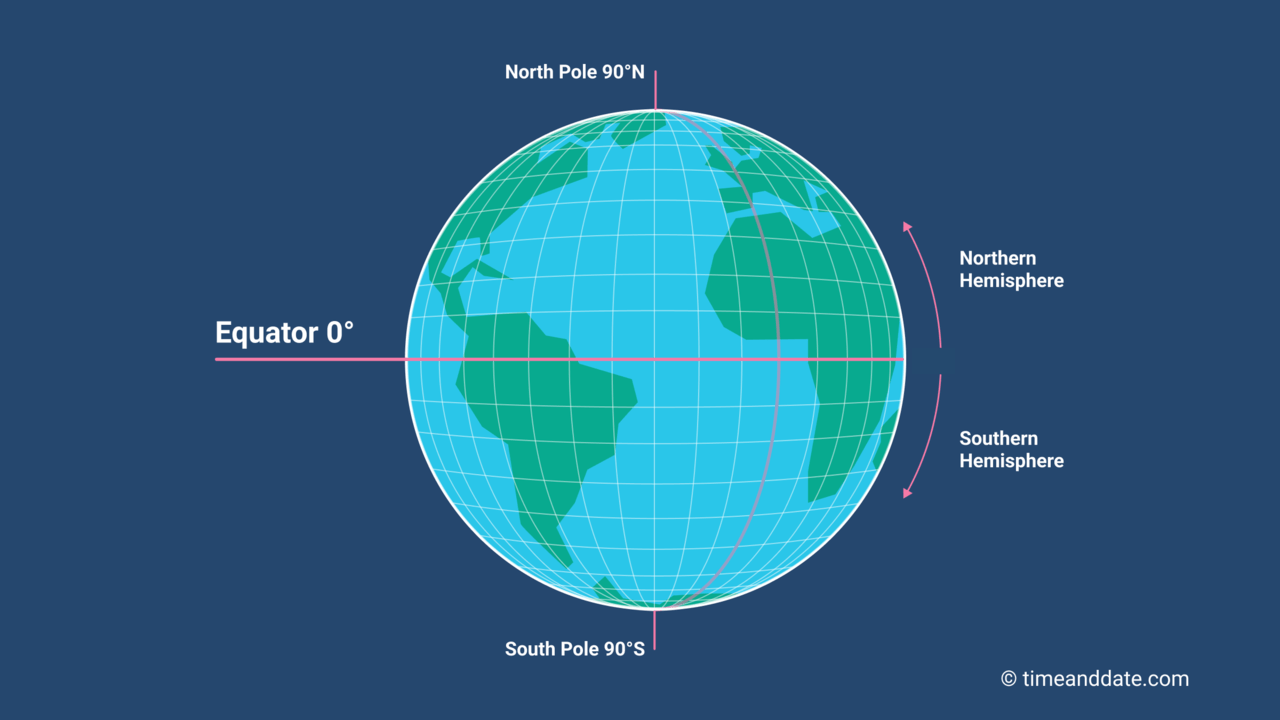
What separates the Northern Hemisphere from the Southern Hemisphere?
Equator
200
What is the name of the huge storm on Jupiter that has lasted for hundreds of years?
The Great Red Spot
300
What do we call the four equal periods of time that receive different amounts of sunlight?
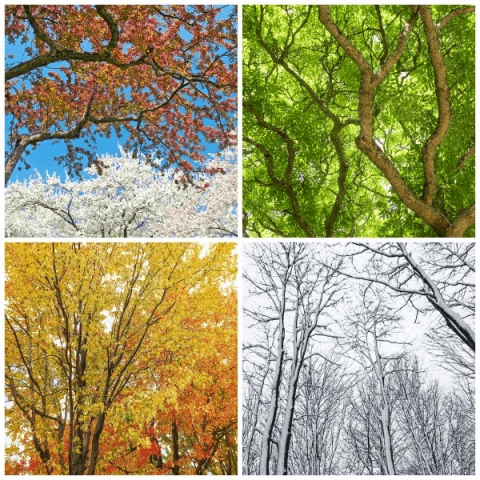 Seasons
300
What is the amount of time in the daytime on the spring or fall equinoxes?
12 hours
300
What do we call the invisible line on Earth that receives about the same amount of Sunlight all year because Earth's tilt doesn't affect it as much?
The Equator
300
Name the season that follows the equinox, when sunrise gets earlier and sunset gets later.
Summer
300
Explain what direct sunlight is?
Sun rays directly hit Earth's surface at a 90 degree angle.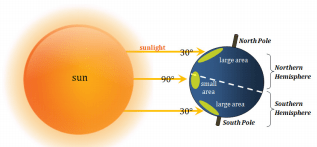
300
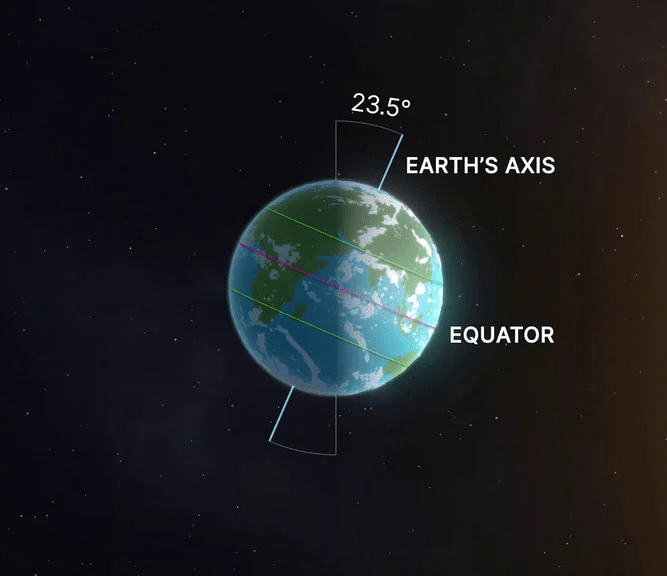
What do we call the tilted invisible line that goes through the north and south poles?
Axis
300
Which planet has a day longer than its year?
Venus
400
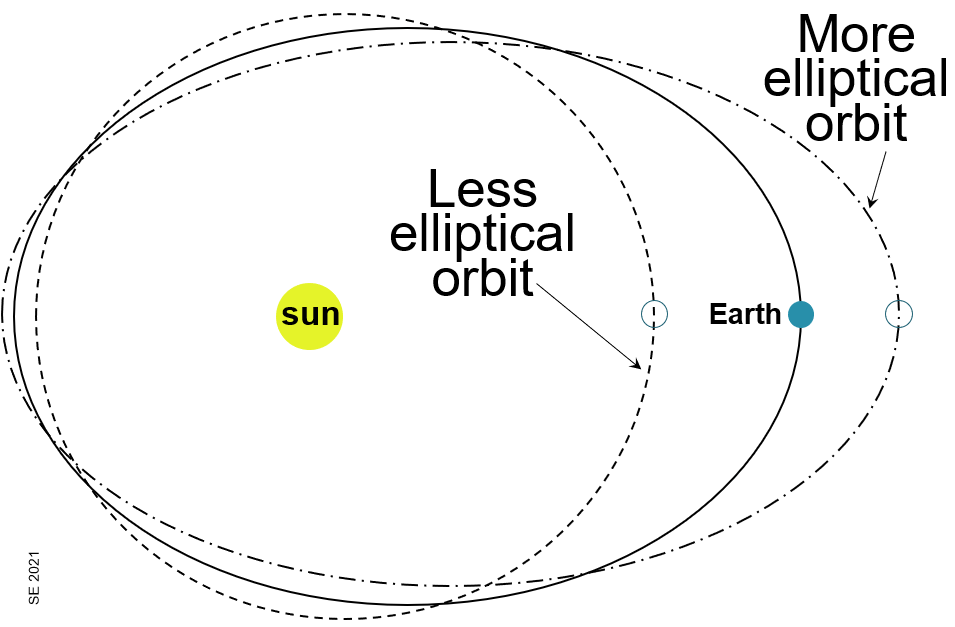
The Earth does not orbit the Sun in a perfect circle it has an ______ orbit.
Elliptical
400
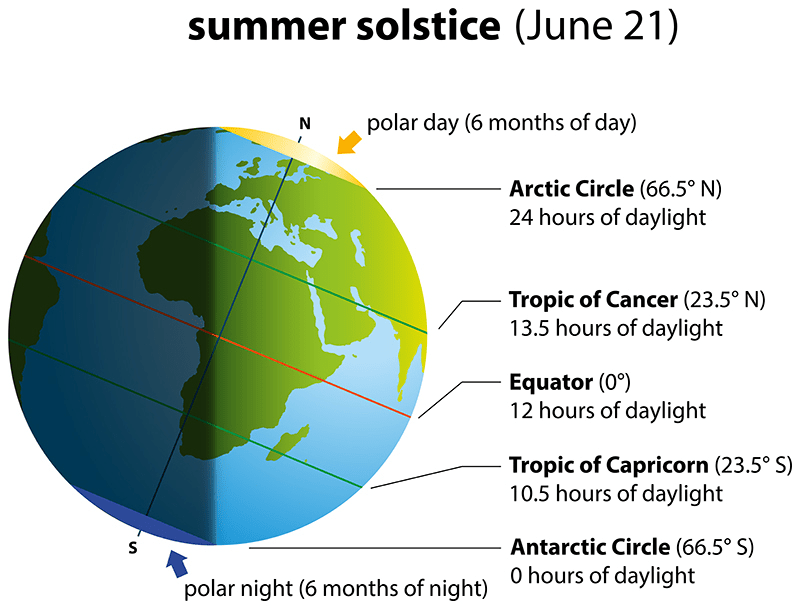
On what day does the Summer solstice occur?
June 21st
400
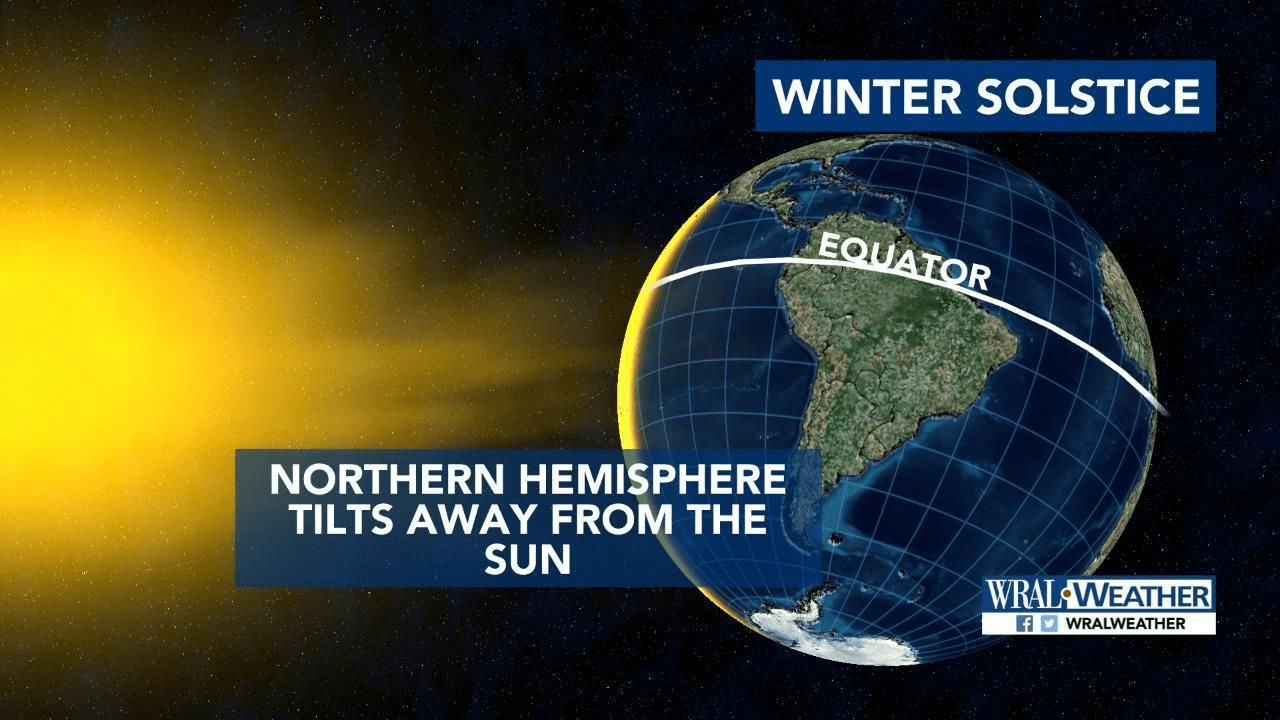
When a hemisphere is tilted away from the Sun, what season is it experiencing?
Winter
400
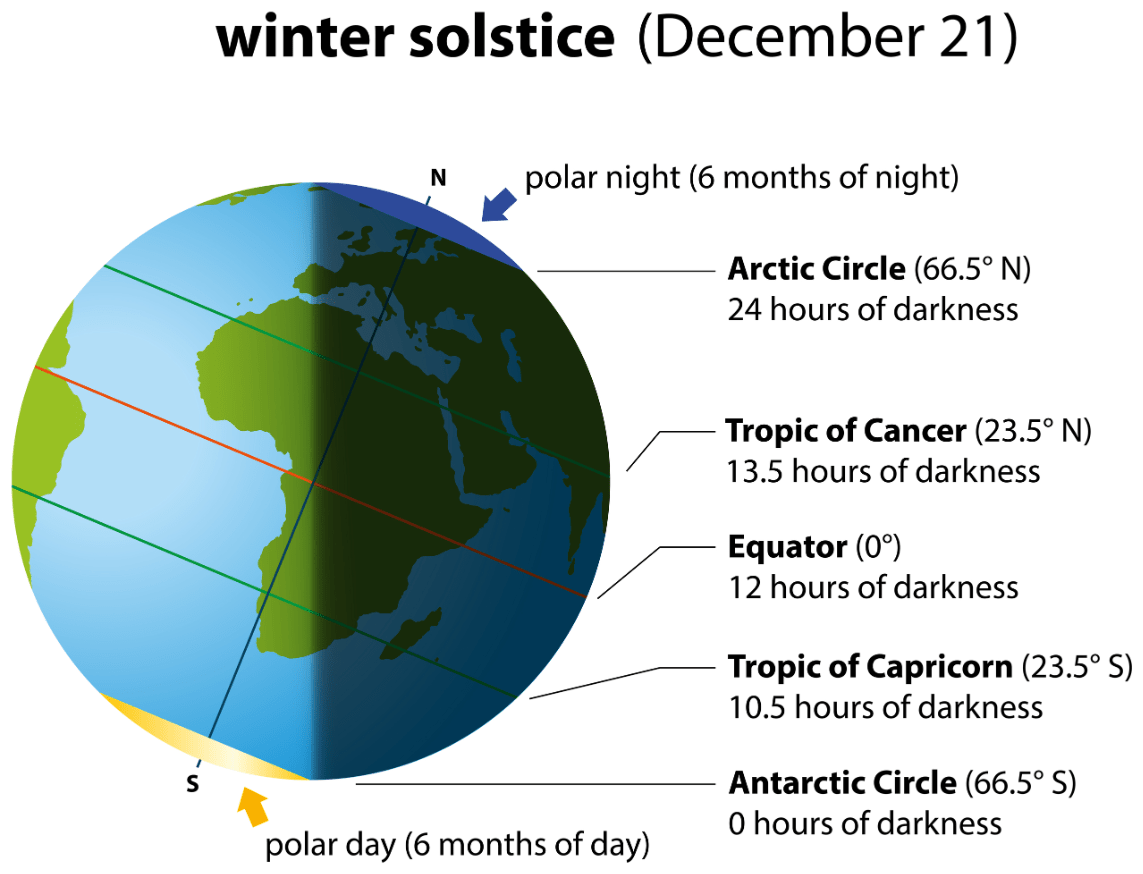
Name the season that follows the equinox, when the sunrise gets later and sunset gets earlier.
Winter
400
Why do the North and South poles always have layers of ice?
Sunlight hits the poles at an extreme angle, spreading the same amount of light over a larger area.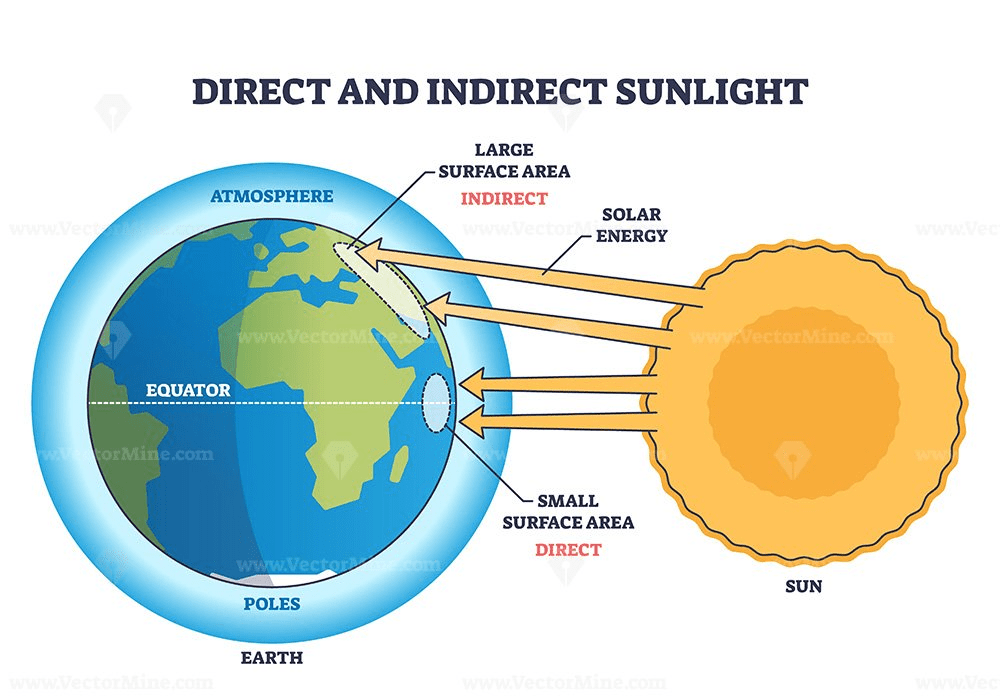
400
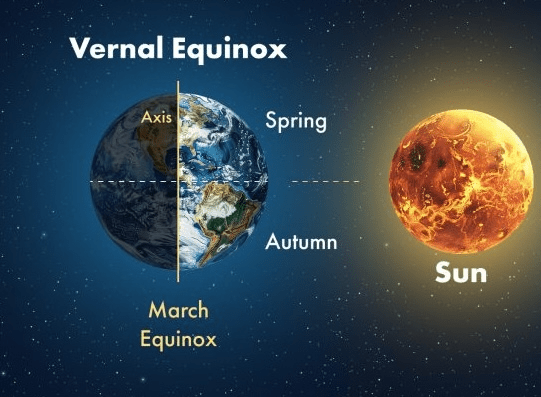
What season does A represent in the northern hemisphere?

Spring
400
What is the name of the region of rocky debris located between Mars and Jupiter?
The asteroid belt
500
How many hours are in one revolution?
365 days * 24 hours = 8760
500

What date is it at position D?
March 21st
500
When the south pole is tilted towards the Sun, what season is it in the northern hemisphere and the southern hemisphere?
Northern Hemisphere - Winter
Southern Hemisphere - Summer
500
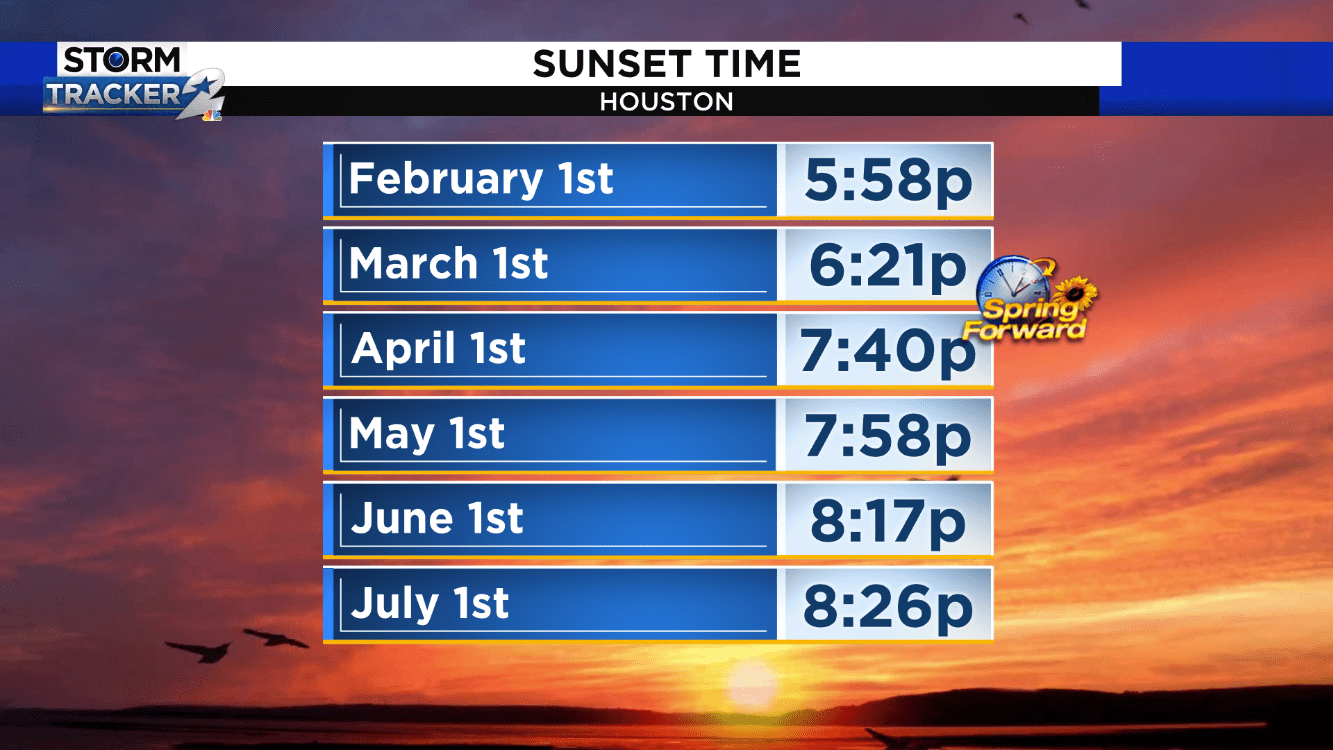
Sunrise in spring is about 6:00 am and the next day it is 5:58 am. Will sunset get earlier or later?
Later
500

What season is the Northern Hemisphere experiencing at point C?
Winter
500
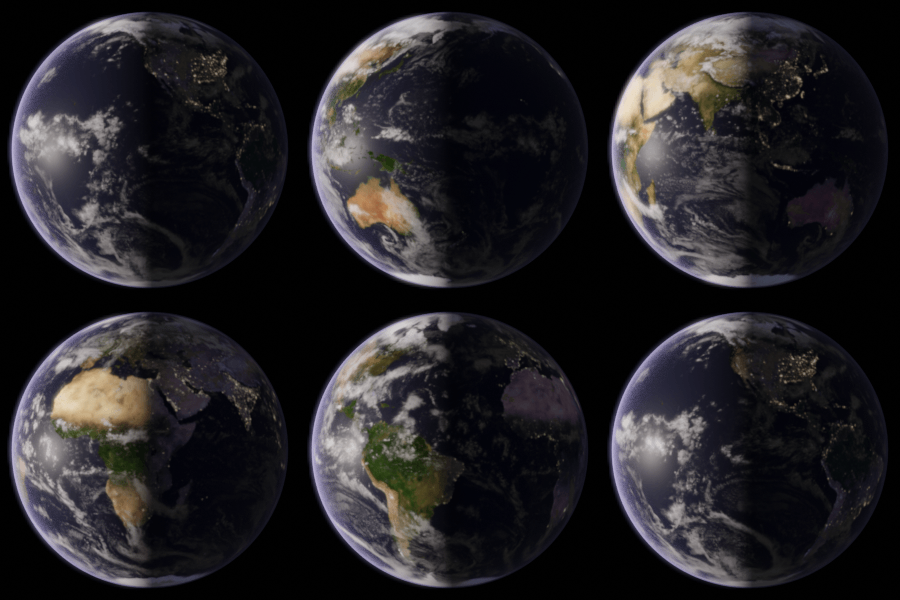
In which direction does the Earth rotate?
COUNTERclockwise
500
What layer of the Sun is visible from Earth during a total solar eclipse?
The corona
600
How many minutes are in a revolution?
365 * 24 * 60 = 525,600 minutes
600
What is another name for Fall equinox? Spring equinox?
Autumnal equinox and Vernal equinox
600
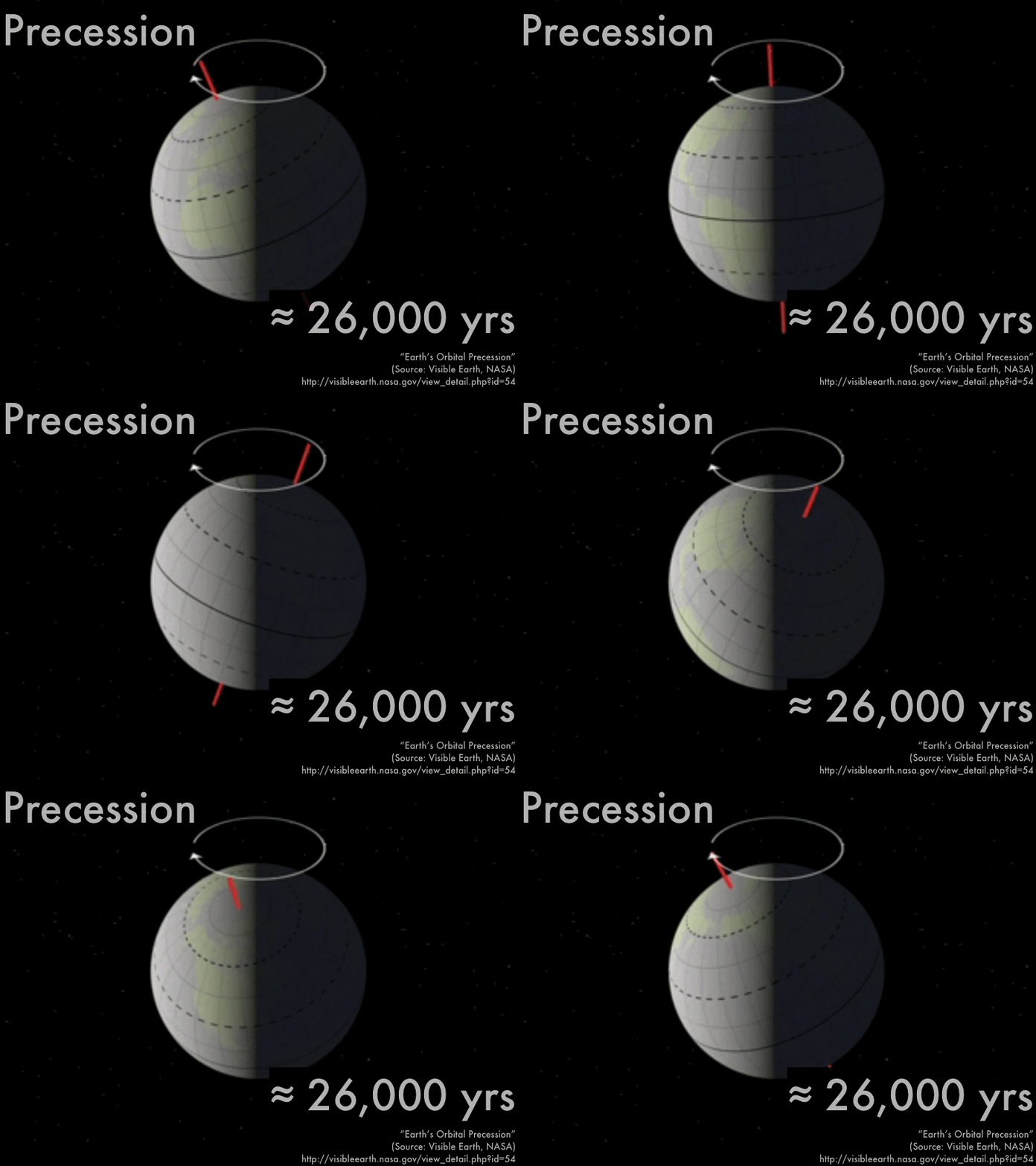
What word do we use to describe the wobble in Earth’s rotational axis?
precession
600
What is the importance of the summer and winter solstices?
summer solstice = longest day of the year
winter solstice = shortest day of the year
600
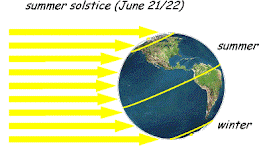
When Earth is experiencing summer, it receives more ___________ _____________.
Direct Sunlight
600
What would happen if the earth rotated more slowly?
The days would be longer.
600
Which planet rotates the fastest, completing one full spin in about 10 hours?
Jupiter
700
True or False - Earth is closest to the Sun in January and farthest from the Sun in July.
True
700
If Earth rotates from west to east, why does the Sun appear to rise in the east and set in the west?
Earth spins counterclockwise, so the Sun appears to move across the sky from east to west.
700
We have summer because the ________ ________ is pointing towards the ___ during this time of the year.
Northern Hemisphere
sun
700
True or False – Earth is closer to the sun in summer.
False
It’s the tilt, not distance, that causes seasons.
700
Why do direct rays from the Sun make an area warmer than indirect rays? Explain how the angle of sunlight affects temperature.
Direct rays hit Earth at a straight line, so the energy is concentrated in a smaller area and makes it warmer. Indirect rays hit at a slanted angle, so the energy spreads out over a larger area and provides less heat.
700
Earth’s distance from the sun is often called this, making it “just right” for life.
The Goldilocks Zone
700
Approximately how long does it take light from the Sun to reach Earth?
About 8 minutes and 20 seconds