Am I Alive?
Organizing Life
Life in the Biome
Energetic Ecosystems
Grab Bag
100
Used to determine if something is alive.
What are The Characteristics of Life
100
The levels in order from smallest to largest
What is organism, population, community, ecosystem, biome, biosphere?
100
A physiological response to a seasonal change
What is migration?
100
The arrow within a food web/chain indicates this
What is the flow of energy?
100
In feeding relationship models like food chains and food webs, the arrow points in the direction of
What is energy flow/flow of energy?
200
An example of an abiotic factor
What is water, air, soil, rock, or dirt?
200
True or False: A population of the forest includes all the deer, oak trees, and birds living together
What is false?
200
These are behavioral adaptations
What are instincts and social interactions?
200
The 10% rule states.
What is only 10% percent of available energy will travel to the next step while 90% is lost to heat and metabolic processes?
200
This is lost to the environment at each of the trophic levels of this ecosystem.
What is heat?
300
Populations changing over time
What is evolve?
300

Determine this biome based on the climatogram
What is a Rainforest due to high rainfall and high temperatures?
300
The adaptation that slows down metabolism during scarce food times.
What is hibernation?
300
A producer starts out with 10,000 J of energy however the secondary consumer will only have this much.
What is 100 J?
300
An adaptation that helps a cactus survive in the harsh, dry desert
What is hydrotropsim and a thick waxy outer layer to hold water?
400
Life must be able to react to signals from the external environment.
What is responnd to the environment?
400
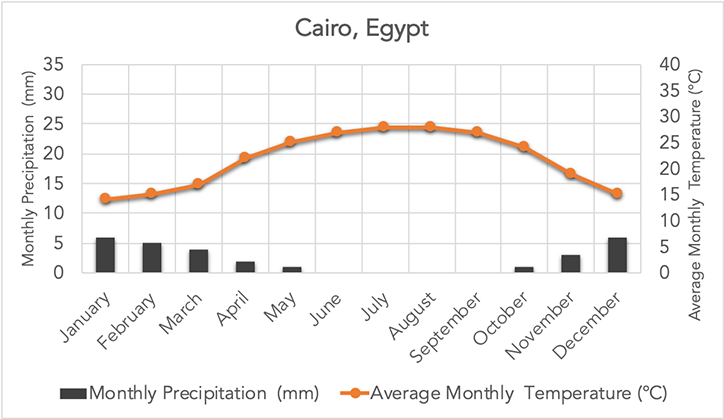
Determine this biome based on the climatogram
What is a desert, due to high temperature and low rainfall.
400
This biome has hot dry air, sparse trees and standing grass, with giaffe, lions, zebras, and rhinos
What is the savanna?
400
Secondary consumers on the trophic pyramid are often ____________ as they can get their food from both lower levels.
What are omnivores?
400
This biome is shown in the photo below
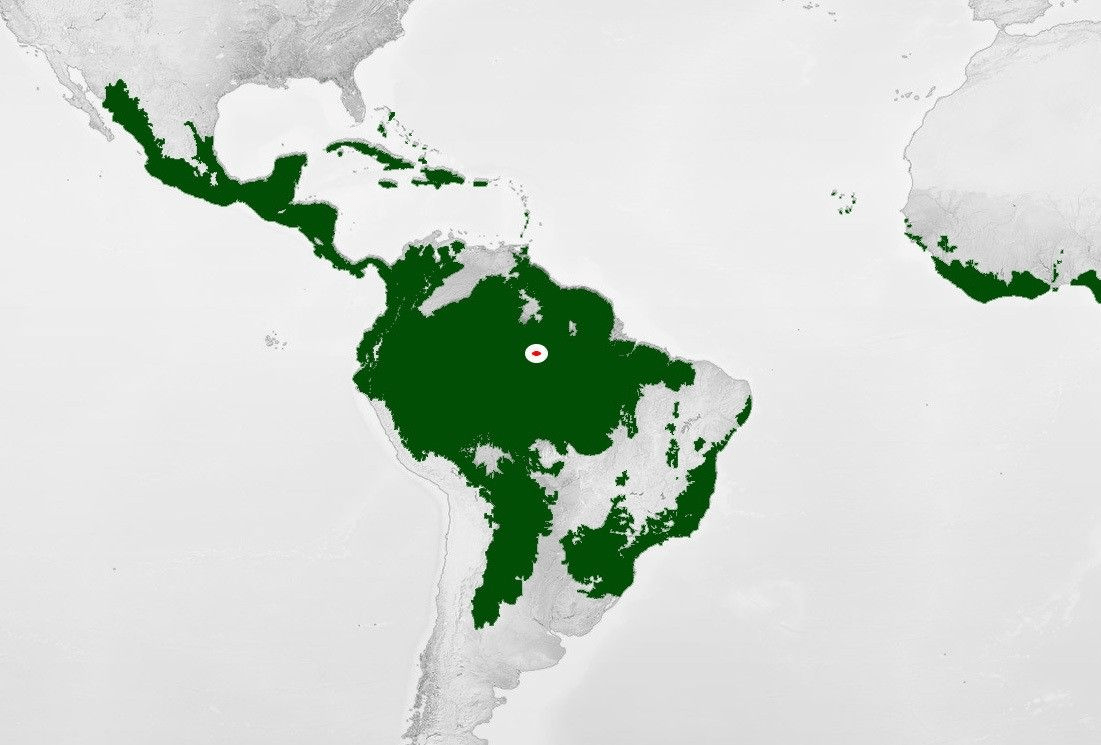
What is the rainforest?
500
Bacteria and Viruses differ in one huge way.
What is viruses reproduce using a host cell?
500
This biome has:
Average daily temperatures range between -30°C (-22°F) and 30°C (86°F) with a yearly average of 10°C (50°F). Distienct 4 seasons are common in this biome.
On average, this biome receives 750 to 1,500 millimeters (30 to 59 inches) of rain per year.
Possesses Broadleaf trees (oaks, maples, beeches), shrubs, perennial herbs, and mosses
What is a Temperate Deciduous Forest?
500
The biotic and abiotic factors to the Upper Tree Canopy biome
A.) direct sunlights, high winds, and low humidity
B.) murky water with low light levels
C.) water weeds, lilies, and flooded forest tree seeds
D.) toucans, three-toed sloths, spider monkey.
E.) river dolphins, river otters, anaconda, and piranhas
F.) orchids, fruit producing trees, and woody vines.
G.) toucans, three-toed sloths, spider monkey.
What is A,D, & G?
500
This trophic level possesses the least amount of organisms as the amount of available energy os the smallest
What is the tertiary/quaternary level?
500
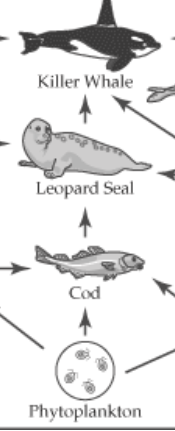 The Leopard seal represents this type of consumer
What is a secondary consumer?