Patterns of Natural Selection
Types of Structures
Cladograms and Being Related
100
What are the three different types of natural selection?
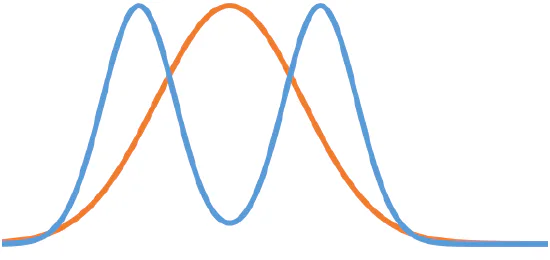
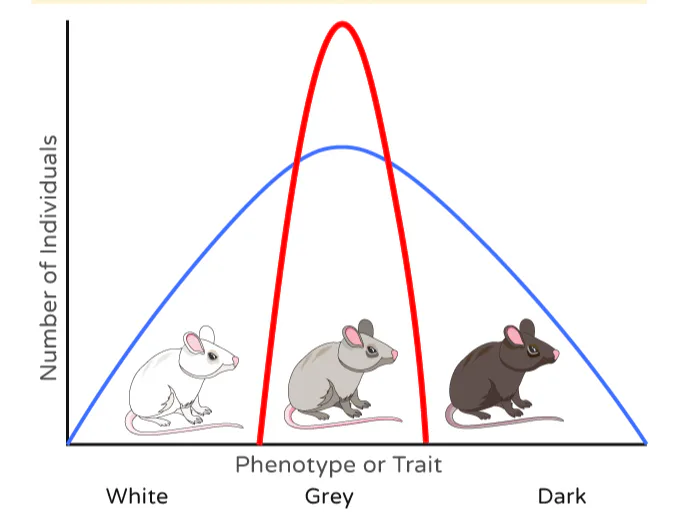
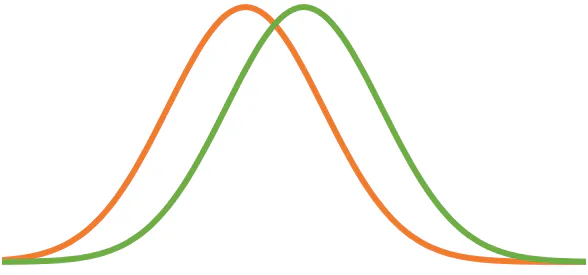
Disruptive, Stabilizing, and Directional selection
100
What are the three types of structures? (Hint: H, A, V)
Analogous, Homologous, and Vestigial
100
The closer organisms are on the cladogram, the closer related they are. True or False?

True
200
What type of selection is shown?
Disruptive selection
200
A structure that was used by ancestors but not by modern organisms
Vestigial structure
200
Who is closer related to the tortoise: the wolf or the domestic cat?
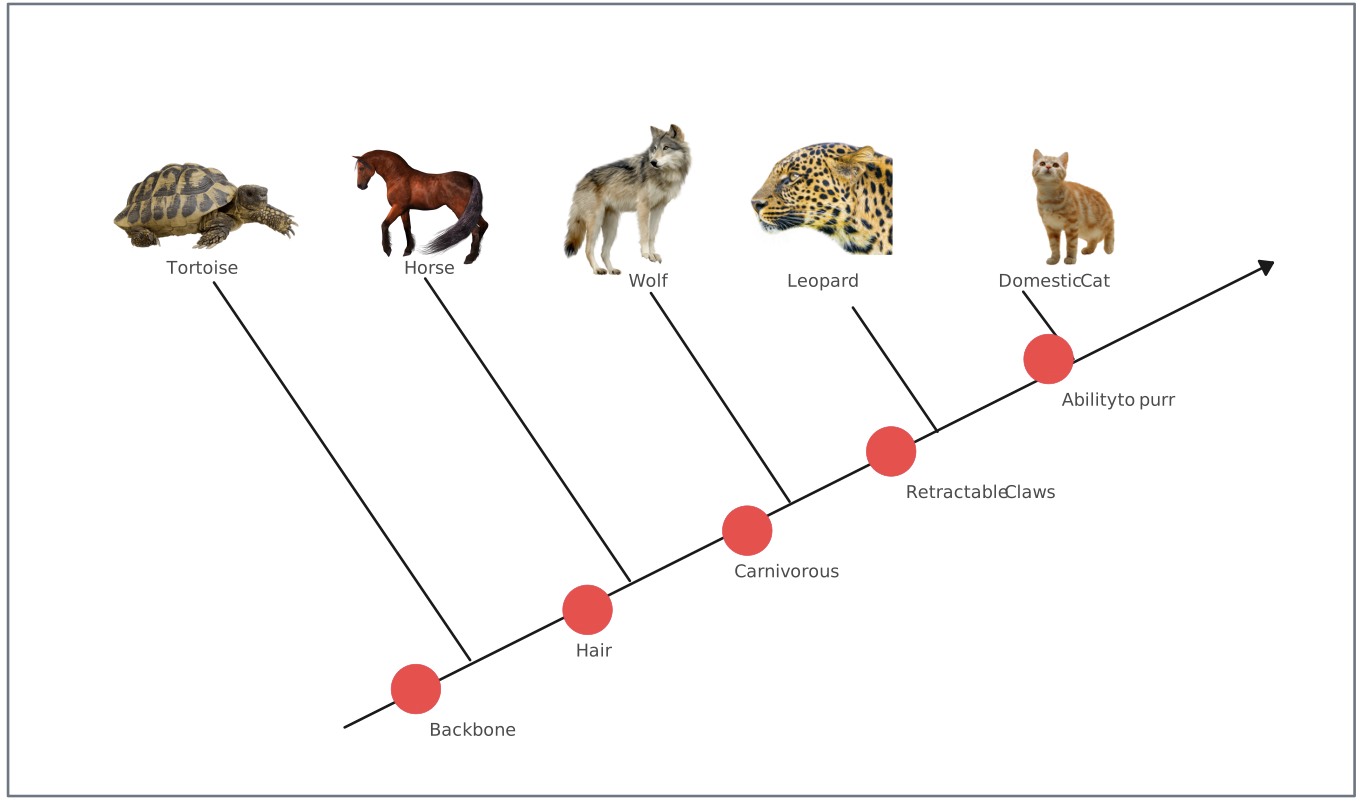
The wolf
300
A population of fish has three color types: light, medium, and dark. Predators can easily see and eat the medium-colored fish, but the light fish blend in with sandy areas and the dark fish blend in with rocky areas. Over time, the population shifts to mostly light and dark fish. What kind of selection is this?
Disruptive selevtion
300
A structure that is similar in related organisms because of a common ancestor but may not have the same function
homologous structures
300
A scientist is studying the DNA of three species. Species A and species B have DNA that is 85% similar. Species C and Species B have DNA that is 67% similar. Based on the evidence, what can the scientist conclude?
A. Species B is equally related to both species A and species C.
B. Species B has a closer evolutionary relationship with species C than it does with species A.
C. Species A has a closer evolutionary relationship with species B than B does with species C.
D. Species A has a closer evolutionary relationship with species C than A does with species B.
C. Species A has a closer evolutionary relationship with species B than B does with species C.
400
A population of mice lives in a desert. Their fur ranges from light tan to dark brown. Over time, the environment becomes darker due to volcanic ash covering the ground. After several generations, most mice have dark brown fur. What kind of selection is this?
Directional Selection
400
Structures that have evolved to do the same job but comes from unrelated organisms
Analogous structures
400
What derived characteristics are shared by the Ray-finned fish and amphibians?
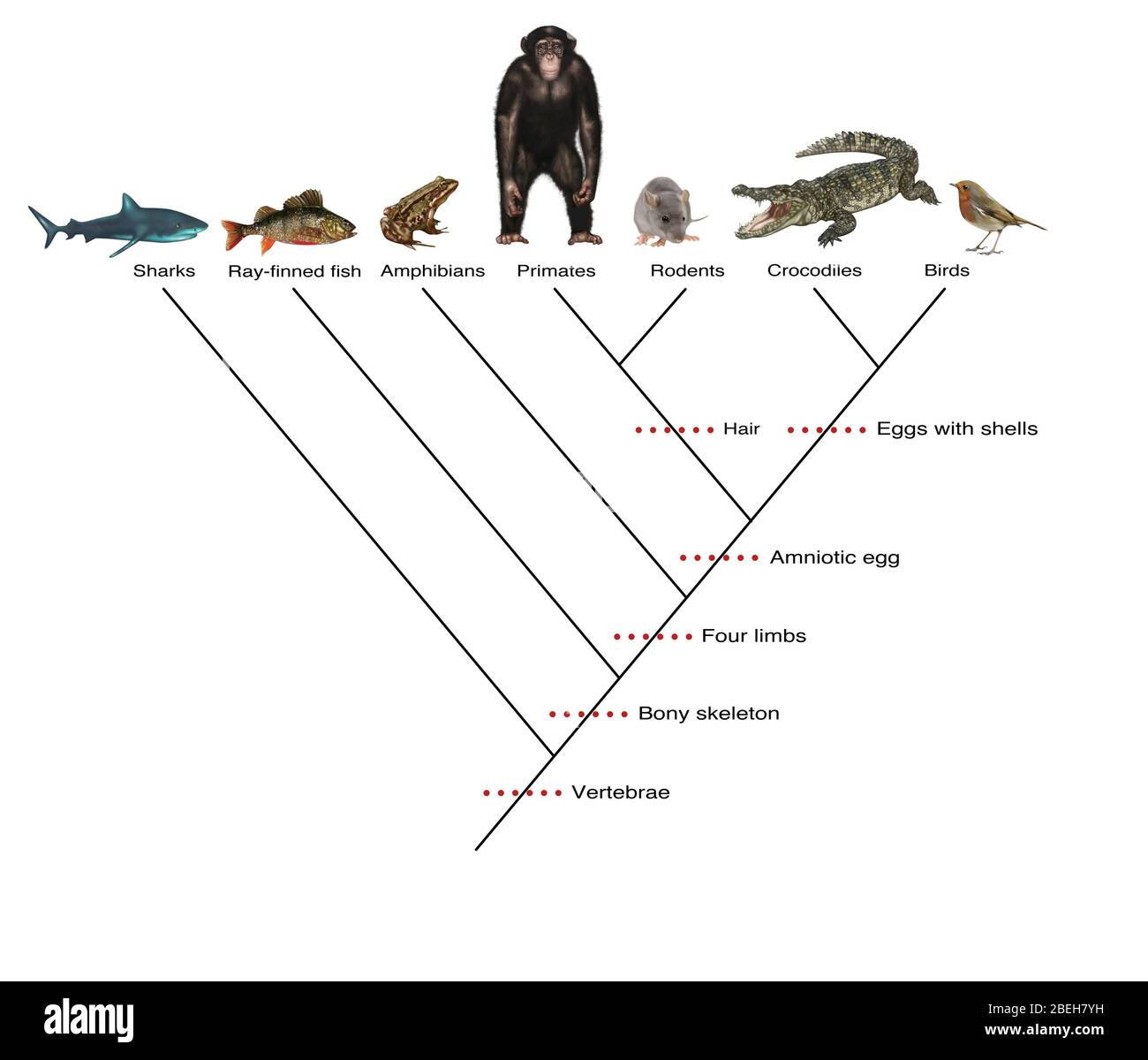
Vertebrae and Bony skeleton
500
In a population of birds, clutch size (number of eggs laid) varies from 1 to 10 eggs. Birds that lay 4–6 eggs tend to have the highest survival rate of offspring. Birds that lay fewer or more eggs have lower survival rates. What kind of selection is this?
Stabilizing Selection
500
What type of evolutionary structure is shown?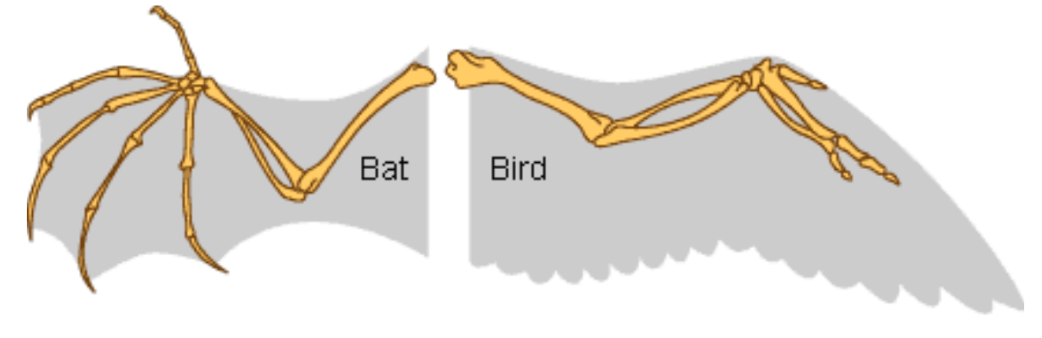
Analogous structure
500
According to the table, which beak size is best suited for the finch's environment?
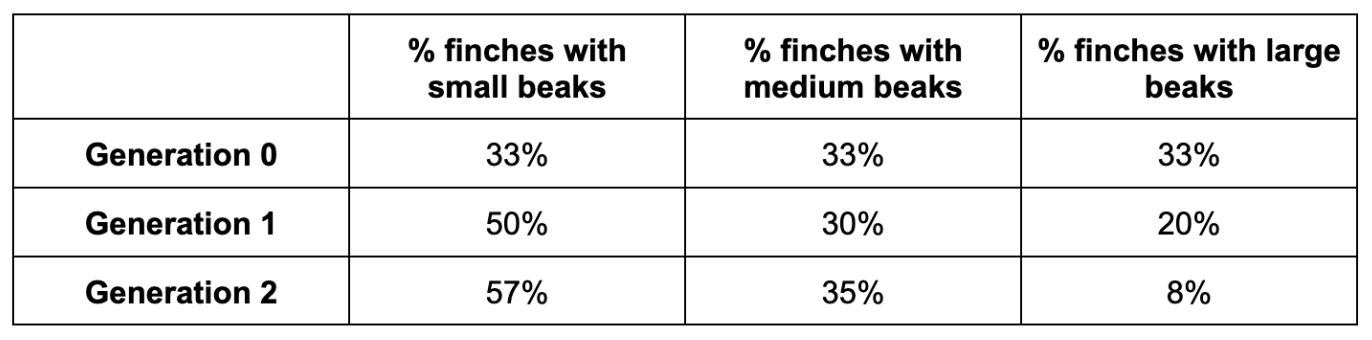
Finches with small beaks