Excavation Etiquette
Dating 101
Tools of the Trade
Artifact First Aid
100
According to Liz Kryder-Reid, what can you put in your hat to create natural air-conditioning?
Leaves
100
True or False:
Bone, parchment, and eggshells can all be radio carbon dated.
True, they are all organic material.
100
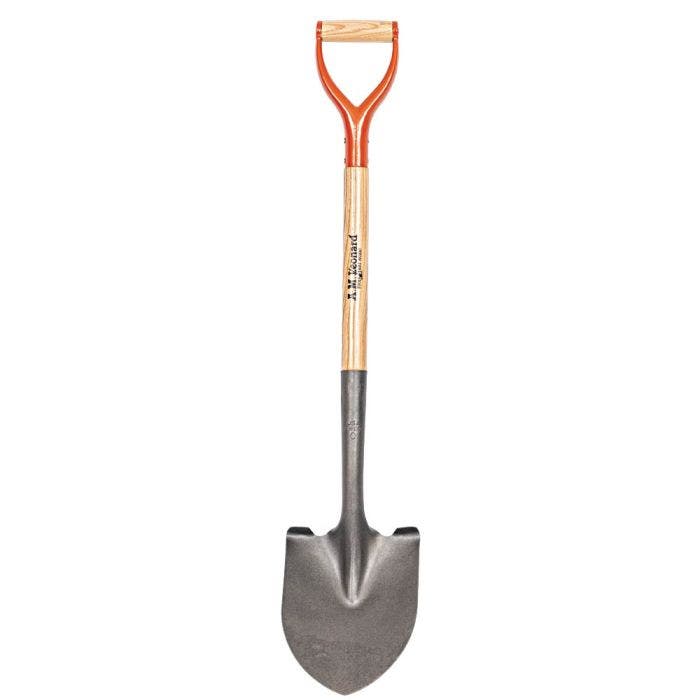
True or False:
This is a trowel.
False, this is a shovel.
100
Organic artifacts that are found in wet conditions should be stored in what kind of conditions?
Wet conditions.
200
What does it mean to "garf" someone?
To cut someone and draw blood.
200
How many milligrams of a sample do you need to obtain a successful AMS radiocarbon date?
Hint: It's a small number!
5-10 mg
200
What is a common but unexpected tool typically found at archaeological digs?
Dental picks.
200
True or False:
Dust is highly abrasive and can damage painted rock art panels.
True.
300
According to Chris Glidden, what is the most common complaint heard on an archaeological work site?
Extreme drinking every night.
300
What type of dating method is used to date sediments that have been buried and will give you a date for when the minerals in the sediment were last exposed to sunlight?
Thermoluminescence dating.
300
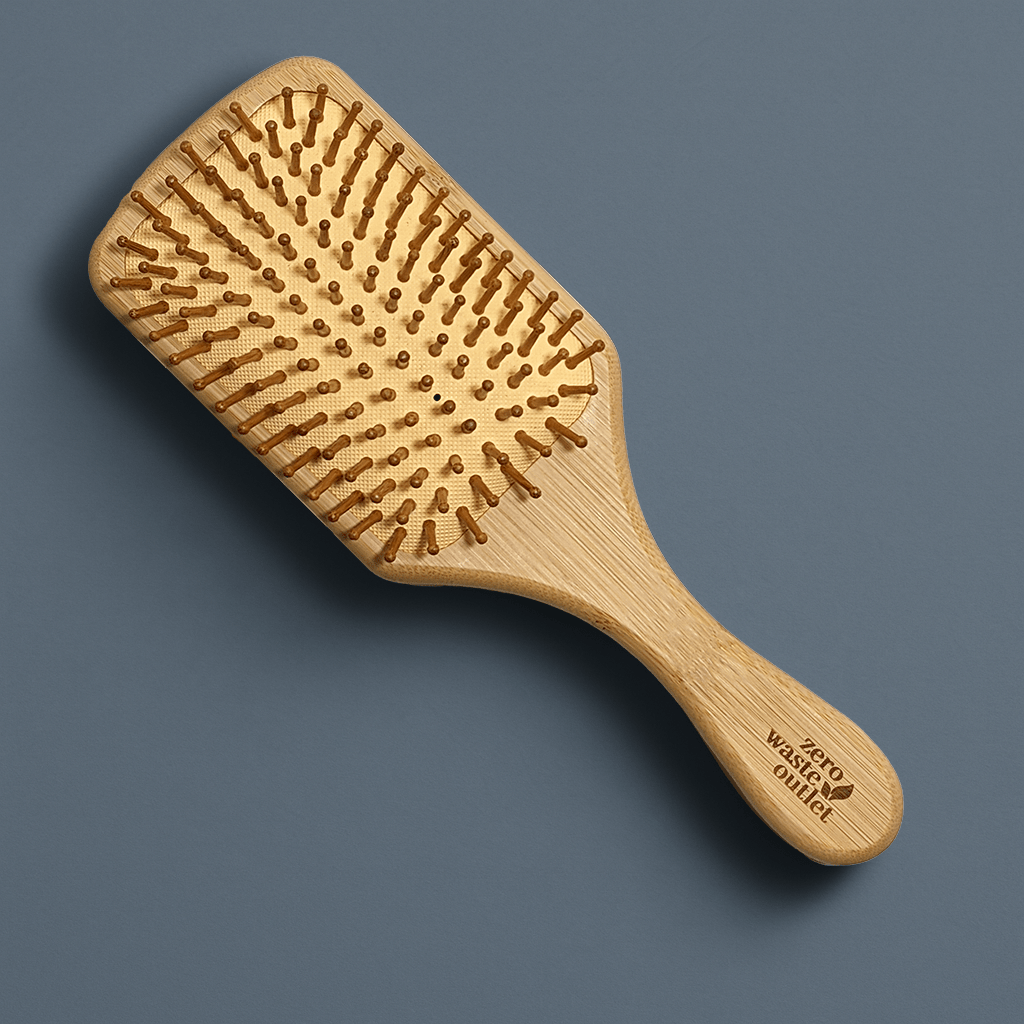
True or False:
This is a brush commonly used on archaeological digs to excavate artifacts.
False, that is a hairbrush.
300
Most metals are not stable and when exposed to air will _____ ?
Deteriorate.
400
What does it mean when a trench has been undercut?
When it slopes away from the excavator into the adjoining area.
400
What should you wrap artifacts that can be radiocarbon dated in to avoid contamination? (Name 1 option).
Aluminum foil, small glass vials, or polythene bags.
400
When should one remove a deposit in "chunks" rather than scraping it away?
When excavating large and fragile objects.
400
If you are reassembling an object, what are the two things you must make sure of?
The compound used to reassemble will not damage the artifact, and that the process is reversible.
500
If an object is uncovered, why should you leave it in situ (in it's place) until the entire area has been excavated?
So it can be removed in it's proper stratigraphic context.
500
True or False:
You should handle artifacts that are to be radiocarbon dated as much as possible, because there is no risk for contamination.
False, artifacts should be handled as little as possible to avoid contamination.
500
Artifacts are typically found not through direct digging, but through what process that occurs after?
Screening.
500
What should be used to clean ceramics, glass, and stone artifacts?
A soft toothbrush and water.