North America
South America
Asia
Africa
Europe & Oceania
100
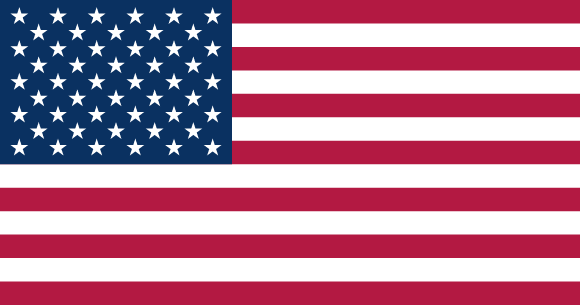 The thirteen stripes should symbolize the first colonies involved in these fights, originally together with thirteen stars arranged in the circle.
United States of America
100
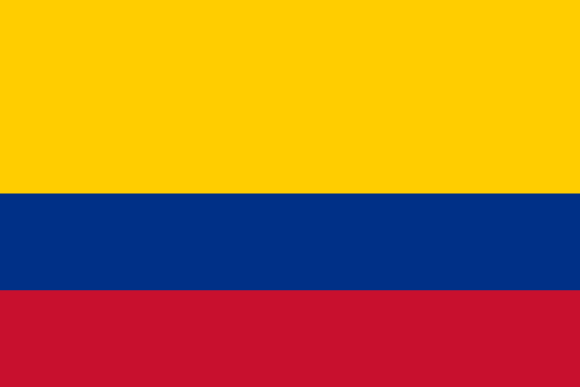
This flag consists of three horizontal stripes - yellow, red, and blue one, where the yellow one is wider compared to the other stripes.
Columbia
100
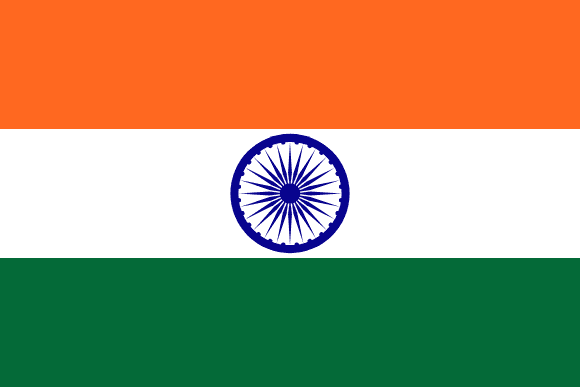
The symbolism of colors is as follows: orange represents Hinduism, courage and sacrifice, green faith and Islam, and white symbolizes commitment to peaceful coexistence of both religions.
India
100
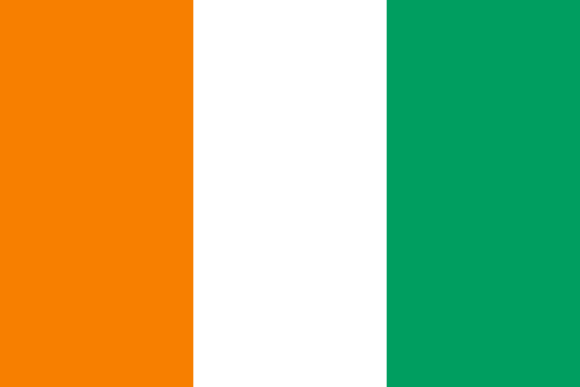
This flag was adopted in 1959 and it is composed of three vertical stripes - orange one, white one, and turquoise one. This country is a former French colony which achieved independence in 1960.
Cote d'Ivoire (also accept Ivory Coast)
100
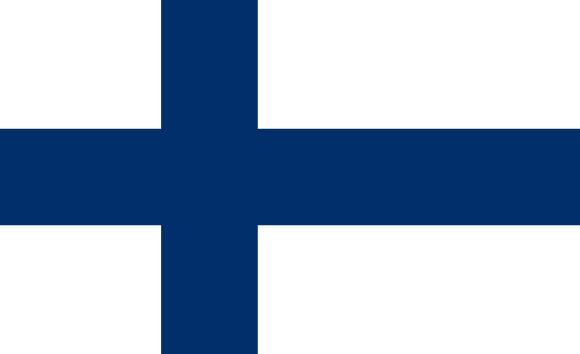
This flag is also known as Siniristilippu (blue cross). Blue Nordic cross reaches the edges of the flag and it is located on a white background.
Finland
200
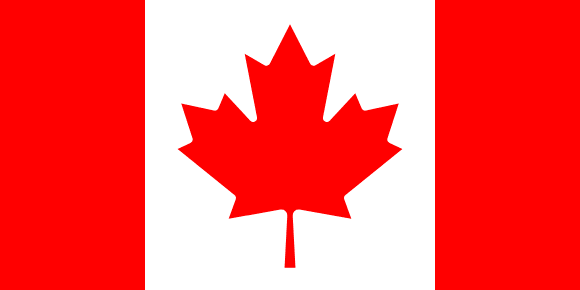
The central theme of this flag is a maple leaf, which refers to the indigenous population that has been using the maple sap for centuries, and which still is a traditional product of this country.
Canada
200
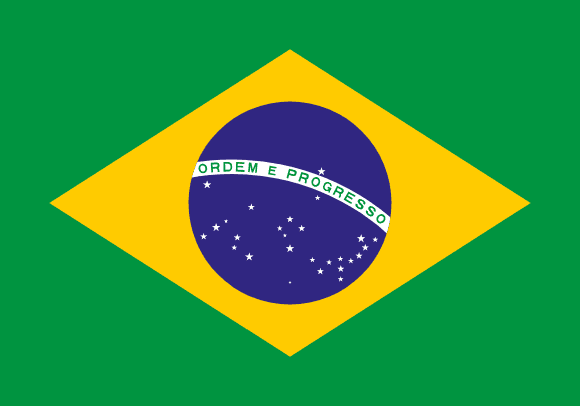
This flag has truly unique design - the globe in the center of the flag shows the night sky exactly as it could be observed on November 15, 1889 at 8:30 am from Rio de Janeiro (on this day the country's monarchy was brought down).
Brazil
200
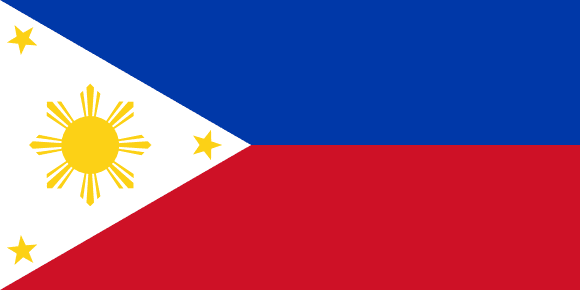
This flag was designed in the 19th century by the leader of the uprising against the Spanish domination Emilio Aguinaldo, who defeated the enemy on 28 May 1898 at the battle of Alapan. Tricolor of white, red and blue was chosen with reference to the United States used to rule the country.
Philippines
200
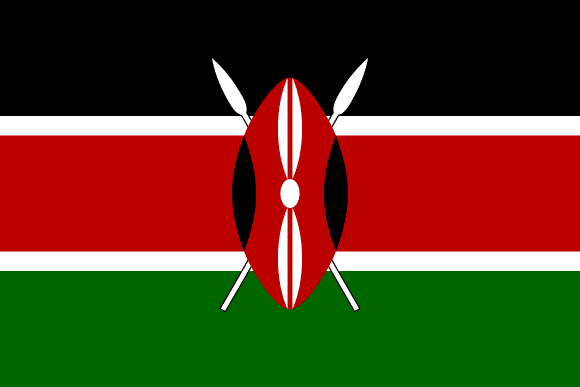
This flag consists of black, red and green stripes, which are divided by two white stripes. The center is decorated with a shield of Masai warriors.
Kenya
200
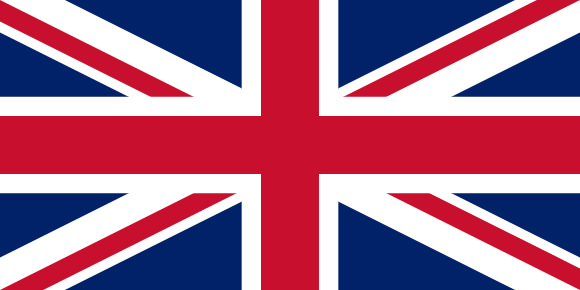
This flag is also known to the British as a Union Jack, has been used since 1603 when the Scottish King James VI became the king.
Great Britain
300
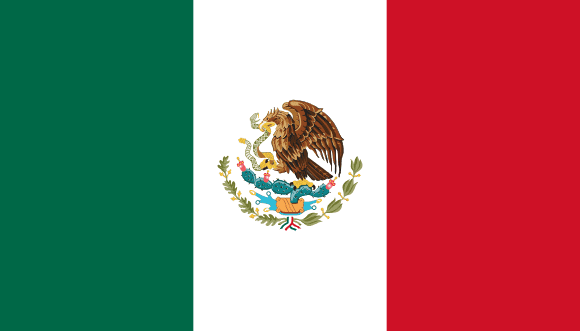
This flag consists of green, white and red vertical stripe.
Mexico
300
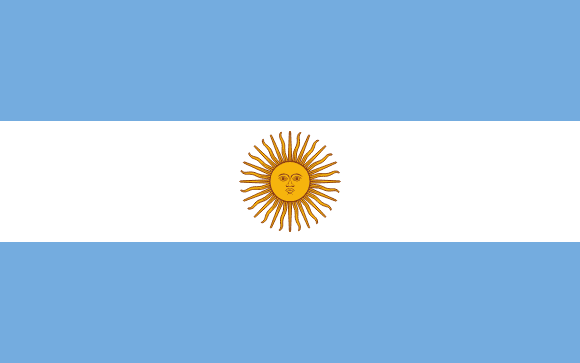
This flag is strikingly similar to the flag of Uruguay, especially by its blue-and-white design and yellow symbol of sun, which represents the Inca god of sun called Inti.
Argentina
300
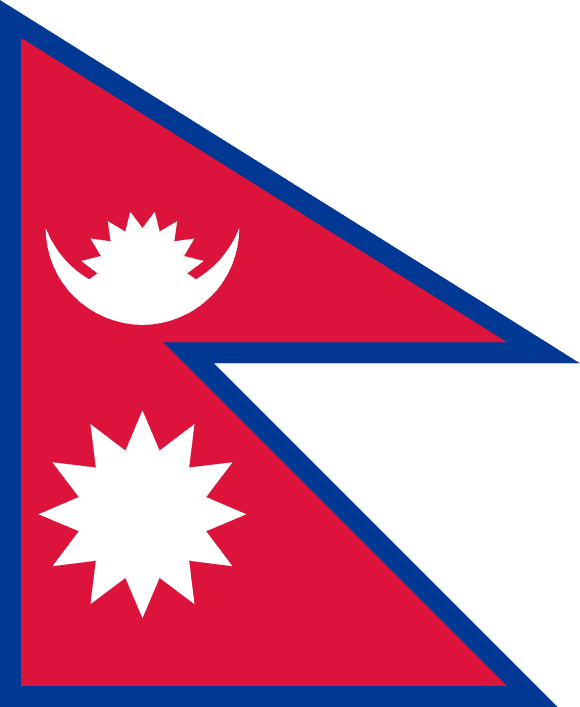
The unconventionally shaped flag of this country, which was adopted in 1962 together with its constitution, is made up of two orthogonal triangles where one is placed on the top of the other, both lined with a blue stripe.
Nepal
300
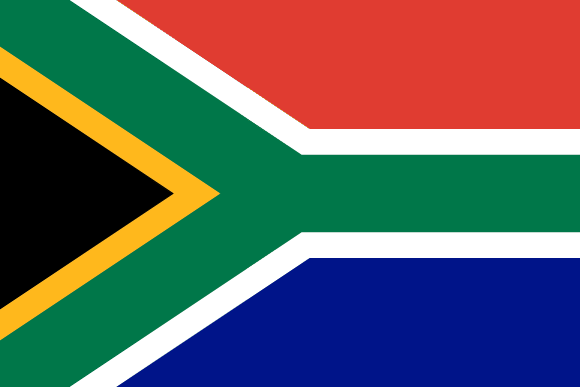
This flag was adopted after the first elections and the end of apartheid in 1994.
South Africa
300
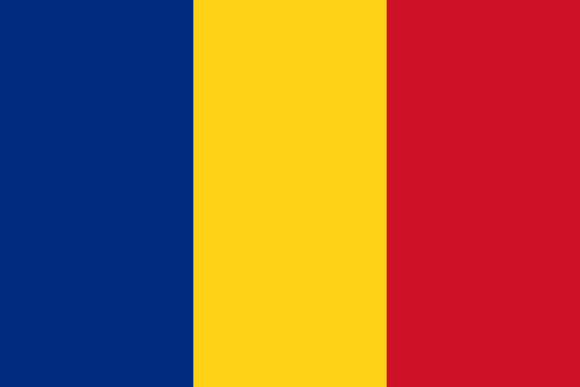
This flag consists of tricolor of vertical stripes - dark blue one, yellow one and red one.
Romania
400
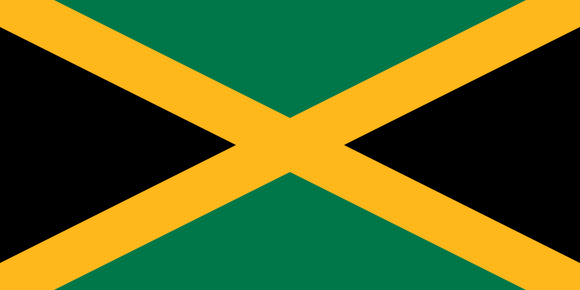
This flag was adopted in 1962, when the country gained independence.
Jamaica
400
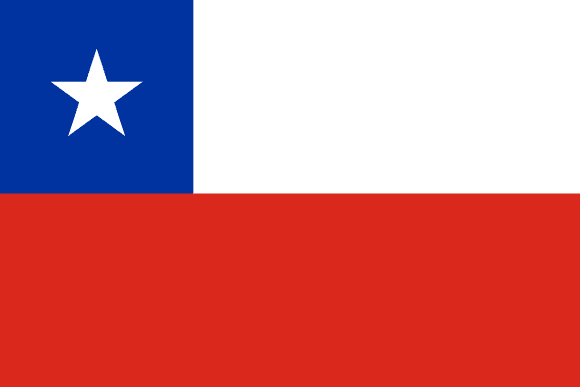
This flag is composed of red and white horizontal stripes, and a blue square with a white five-pointed star in the upper left part of the flag.
Chile
400
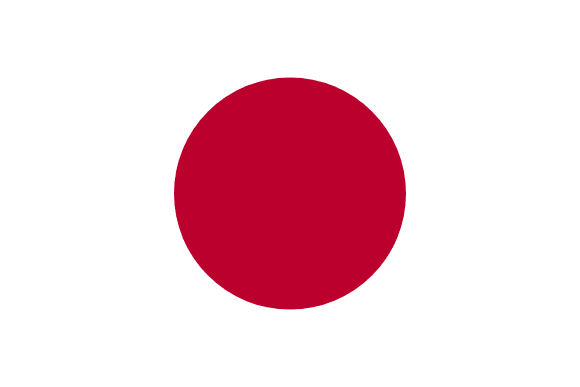
The "Land of the rising sun" can feel proud of its flag, whose symbolism could be tracked back by several millennia.
Japan
400
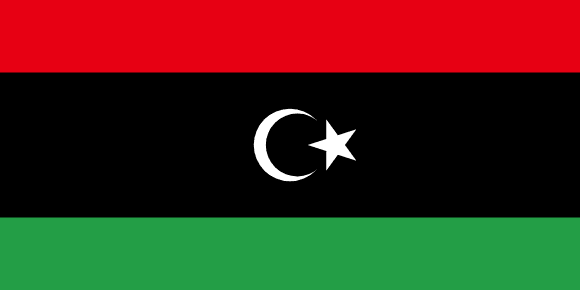
The current flag thus consists of three horizontal stripes, where the top one is red, the middle one is wider and black and the bottom one is green.
Libya
400
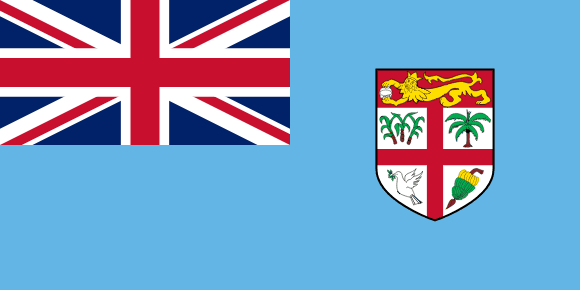
The flag was adopted after gaining independence from British rule in 1970 and it consists of a pale blue leaf and a miniature of Union Jack flag in the upper left field.
Fiji
500
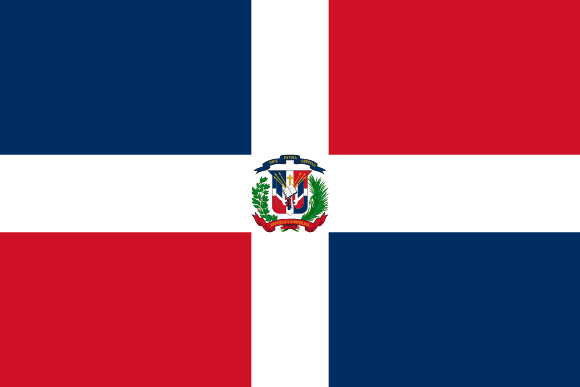
This country shares the island Hispaniola with the state of Haiti.
Dominican Republic
500
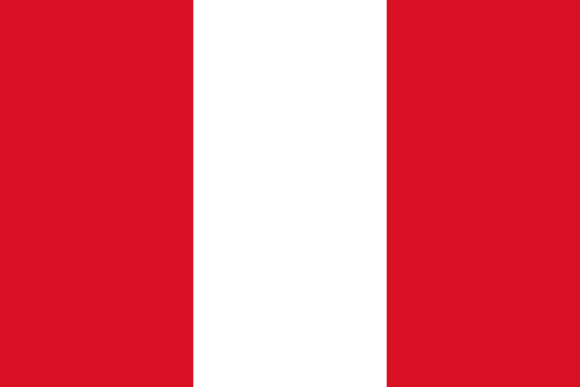
This flag consists of three horizontal stripes, where the side ones are red and the middle one is white.
Peru
500
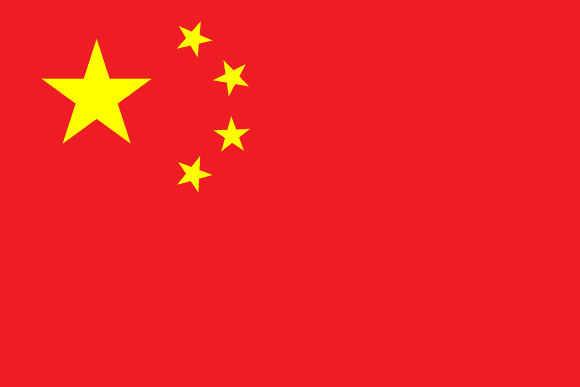
The dominant color of the flag is red, which is this country's traditional color and also is characteristic of communism and revolutionary moods.
China
500
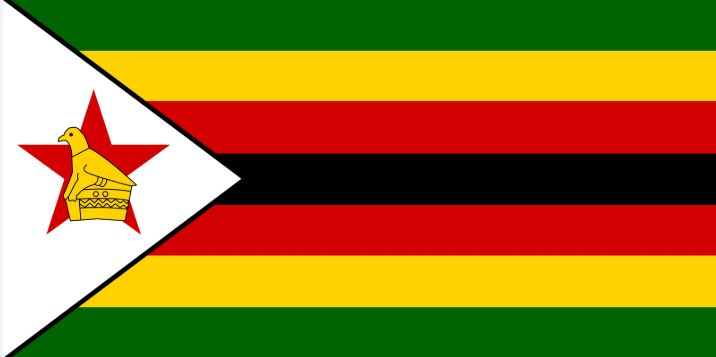
This flag was adopted in 1980 and it is composed of seven horizontal stripes. The color sequence is axially symmetrical about the middle black stripe.
Zimbabwe
500
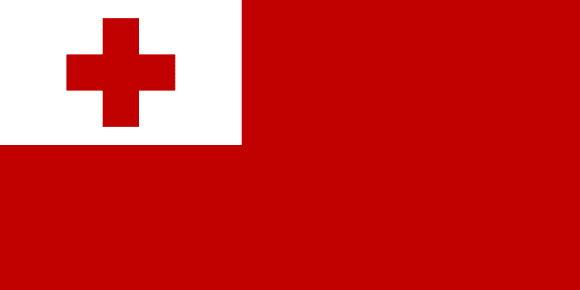
The current flag is composed of a red leaf and white rectangle in the upper left corner. In the white rectangle, a red isosceles rectangular cross is placed.
Tonga