Cat 1
Cat 2
Cat 3
Cat 4
Cat 5
100
Cell 1 is _____________, and Cell 2 is eukaryotic.
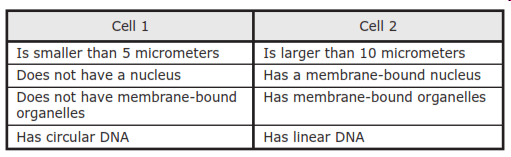
prokaryotic
100
The s___________ of nitrogenous bases in DNA varies widely. The sequence of the bases in DNA is most important for providing the instructions for the traits of an organism.
sequence
100
The observable structures of the different humerus bones best supports that the primates shared a common a__________.
ancestor
100
Which type of biomolecule is described by the information in this box?
A. A carbohydrate C. A nucleic acid
B. A protein D. A lipid
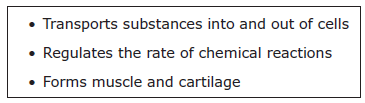
C. A protein
100
The microorganisms such as ___________, fungi, and protists help keep nutrients cycling through the ecosystem.
bacteria
200
Movement of particles from regions of HIGHER concentration to regions of LOWER concentration is called p__________ transport.
passive
200
The characteristic that is shared by all four different types of cells is that the genetic material composed of ______.
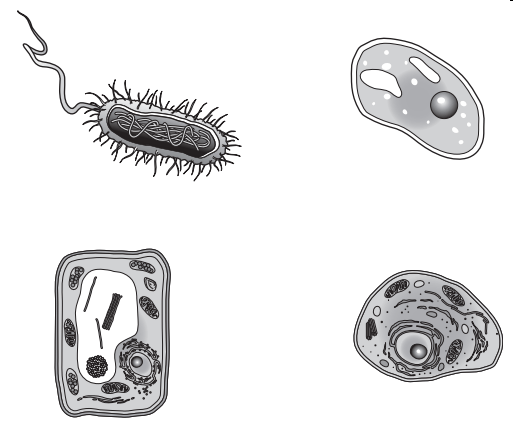
DNA
200
Fossil evidence of mass ex_________ followed by explosive speciation is most likely the result in rapid environmental change.
extinction
200
Diatoms are one of the most common types of phytoplankton in marine habitats. Like plants, diatoms contain chlorophyll and produce glucose from which of the following?
A. O2 and ATP C ATP and H2O
B. CO2 and O2 D. CO2 and H2O
D. CO2 and H2O
200
Mosses and lichens grow in soil developed during primary succession. During secondary succession, ____________ and shrubs from windblown seeds are organisms that most likely replace mosses and lichens.
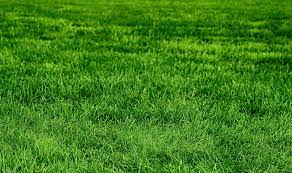
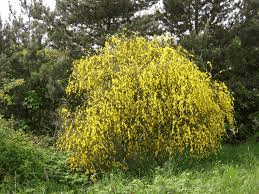
Grasses
300
The correct sequence of steps during a viral infection
1. attach (bind) to ho______ cell surface.
2. Inject (insert) nucleic acid.
3. Take over cell co________ center or nucleus.
4. make new viral parts.
host, control
300
What process is represented in this model? T___________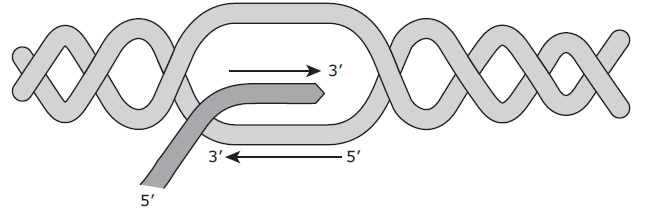
Transcription
300
The number of ________-colored beetles in the population will increase due to predation over time.
increase, decrease, stays the same
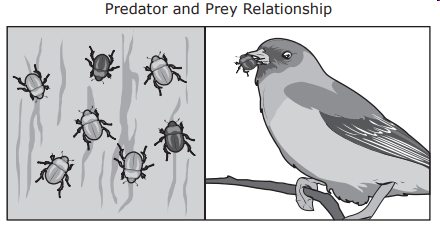
light
300
The shape of an enzyme determines the enzyme’s function (activity) because enzymes are specific to a s______________.
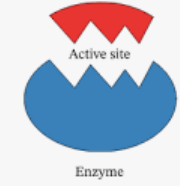
substrate
300
Pseudoscorpions are small arthropods that hide under the wings of beetles. The beetles protect the pseudoscorpions from predators. The pseudoscorpions do not harm or help the beetles. The relationship between the beetle and the pseudoscorpion is _____________________.
A. Commensalism B. Mutualism
B. Parasitism C. Predation
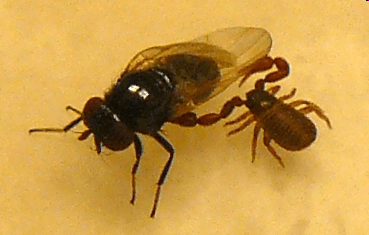
A. Commensalism
400
Spindle fibers are separating the chromosomes in a__________
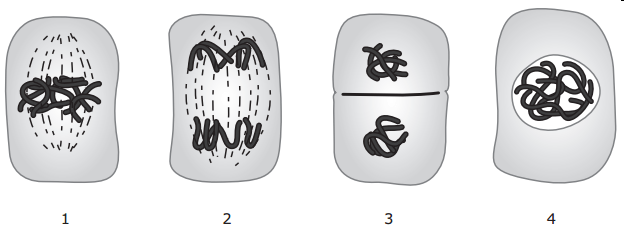
2 (anaphase)
400
The arctic fox inhabits northern areas of North America. The same arctic fox is shown in the drawing at different times of the year. Gene e____________ for fur color is regulated by temperature that causes fur color change.
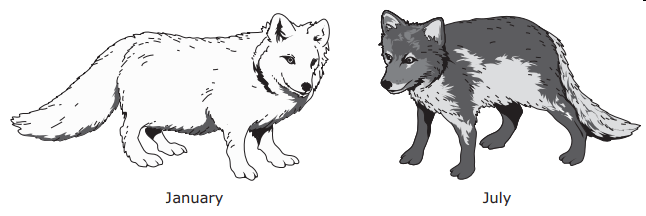
expression
400
Genetic variation can aid in the survival of species when the environment changes. An ant that is re___________ to pesticide is the best example of an organism with a genetic variation that could improve survival chances over time.
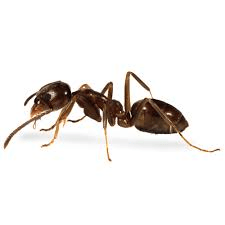

resistant
400
Health-care workers are exposed to many different types of pathogenic and nonpathogenic microorganisms. Two body systems circulatory and _____________ work together to protect the body from pathogens.
immune
400
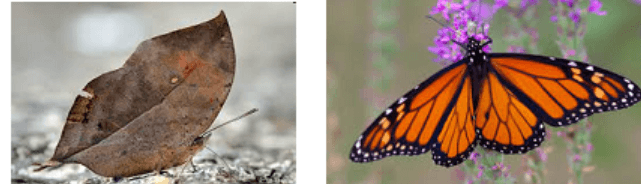
The Indian leaf butterfly has traits that allow it to resemble a leaf. The bright colors of the monarch butterfly indicate that the butterfly tastes bad and can be poisonous. The appearance of these butterflies help them to survive because the Indian leaf butterfly is able to avoid predators while the monarch butterfly w_______ predators away.
warns
500
The process of cell differentiation results in the production of many types of cells, including germ, somatic, and stem cells. Cell di______________ is most directly regulated by a genetic material called DNA.
differentiation
500
What type of mutation is depicted in this sequence?
A. Substitution B. Insertion
C. Deletion D. Frameshift
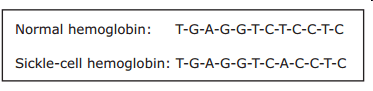
A. Substitution
500
The outcome of this adaptation in the scarlet king snake is to pr__________ the scarlet king snake from predators.
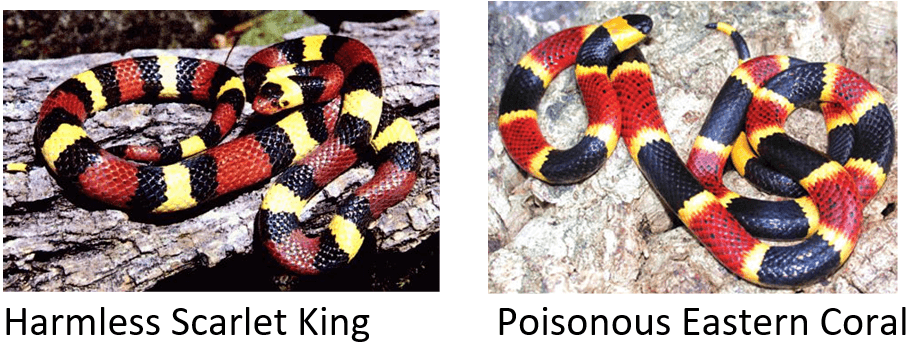
protect
500
Leaves are part of a plant’s shoot system. The xylem tissue in leaves transports the _______ and minerals that are absorbed by the roots.
water
500
Which organism represents the trophic level containing approximately 0.1% of the initial amount of solar energy acquired by the phytoplankton?
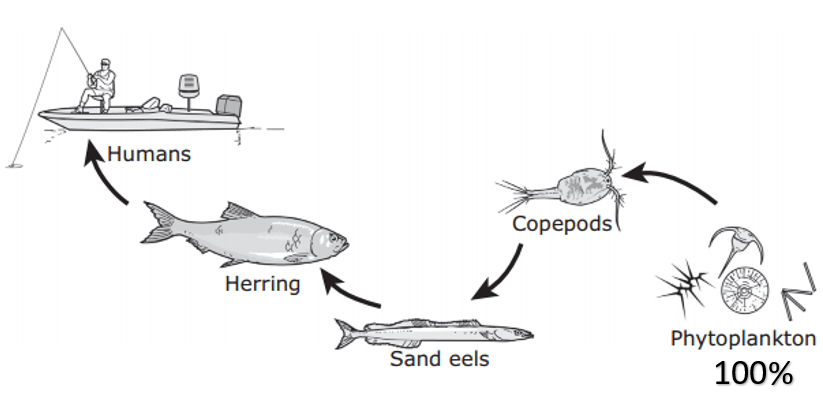
Herring
600
When cells lose their ability to regulate the cell cycle, they can divide at an accelerated rate and form a mass of cells. This mass of cells is referred to as t_______
tumors
600
The ability to roll the tongue is thought to be controlled by a dominant allele (R). What percent of offspring from two heterozygous (Rr) parents are most likely to have the tongue-rolling trait?
A. 25% B. 50% C. 75% D. 100%

C. 75%
600
The concept of gene f______ is demonstrated when a cow is driven off from its herd, joins another herd, and reproduces. When the cow contributes to the gene pool of the new herd, genetic variation most likely increases.
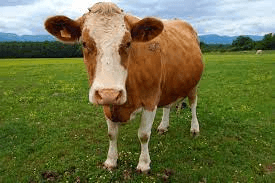
flow
600
The most likely effect of a wildfire that burned a large area of a forest is that less carbon _________ would be removed from the atmosphere in the area by plants.
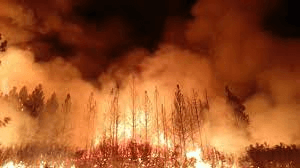
dioxide
700
Crossing-over between non-sister chromatids during meiosis is significant in heredity. This process most likely leads to an increase in genetic v___________.
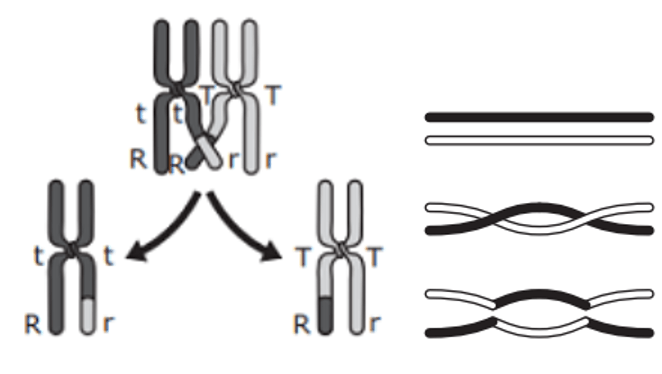
variation
700
Golden-cheeked warblers are endangered birds. These birds pull off tiny bits of bark from mature juniper trees to build nests. The warblers build their nests only in the mature oak and juniper forests of Central Texas. Humans can help these birds s______ in their ecosystem by allowing more oak and juniper trees to mature.
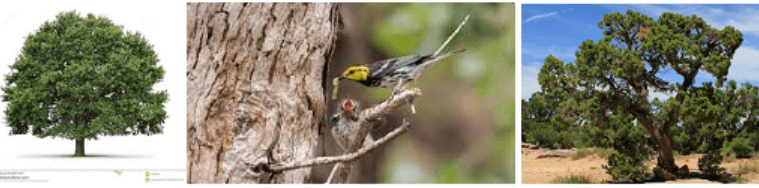
survive