Protein Synthesis
Trip to the Center of the Cell
D...NA!
Modern Genetics
Grabby Baggy
100
The first process during protein synthesis, where DNA is copied into mRNA
Transcription
100
This organelle is where DNA stays, always (in eukaryotic cells).
Nucleus
100
This is the complimentary strand of DNA to the segment:
CTAATGT
GATTACA
100
When only organisms with desired traits are allowed to reproduce (eg. dog breeds)
Selective breeding
100
In the 1950s, the Hershey-Chase experiment showed that this molecule stores genetic information.
DNA
200
Translation (assembling amino acids into proteins) occurs at this organelle.
Ribosomes
200
This is the number of chromosomes in a human gamete.
23
200
Different versions of a gene (you have two of each!)
Allele
200
During electrophoresis, pieces of DNA are separated based on:
Size
200
These two scientists are credited with discovering the chemical structure of DNA in 1953.
Watson & Crick
300
What amino acid sequence would this DNA translate to?
TAC - TTT - CCT
Met - Lys - Gly
300
 This is the main component of membranes in the cell.
Lipids
300
The building blocks of nucleic acids, including DNA and RNA.
Nucleotides
300
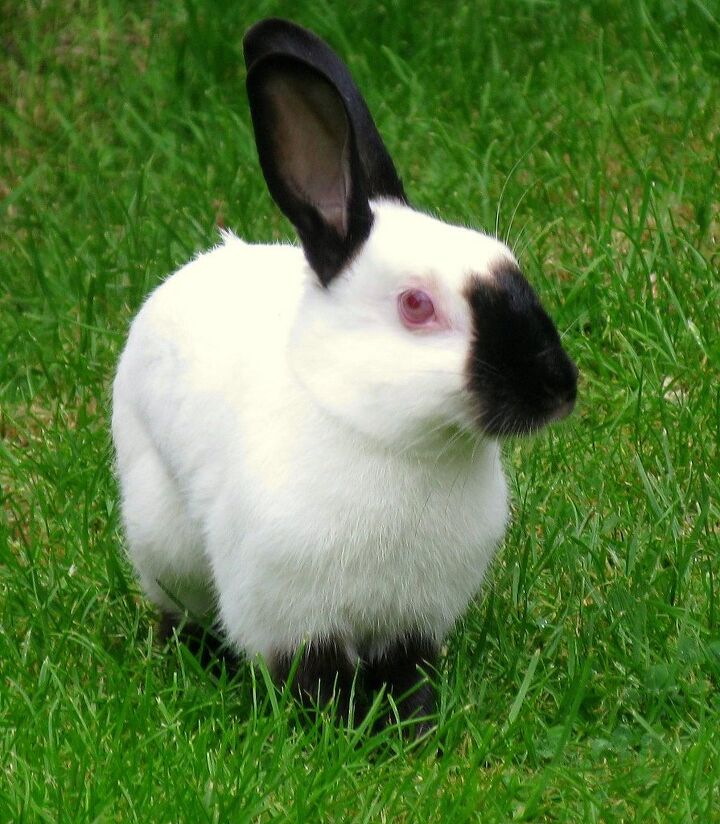 The study of how your environment can cause changes in how your DNA is expressed
Epigenetics
300
Make a Punnett square cross between two Heterozygotes (use the letter R).
What percentage of offspring will express the recessive trait?
25%
400
This type of nucleic acid has anticodons and recruits amino acids during protein synthesis
Transfer RNA (tRNA)
400
 These types of chromosomes correspond with the same genes, but different alleles (you get one from each parent!)
Homologous chromosomes
400
These are the three parts of a nucleotide.
- Phosphate
- Sugar (deoxyribose)
- Base
400
The first cloned sheep was named after this superstar.
Dolly Parton
400
These are three ways that RNA & DNA are different from each other.
What is:
- Number of strands
- Thymine / Uracil
- Shape
- Type
- Deoxyribose / Ribose
- Location
500
These types of genes regulate protein synthesis; mutations during development can result in an altered body plan (eg. legs growing out of the head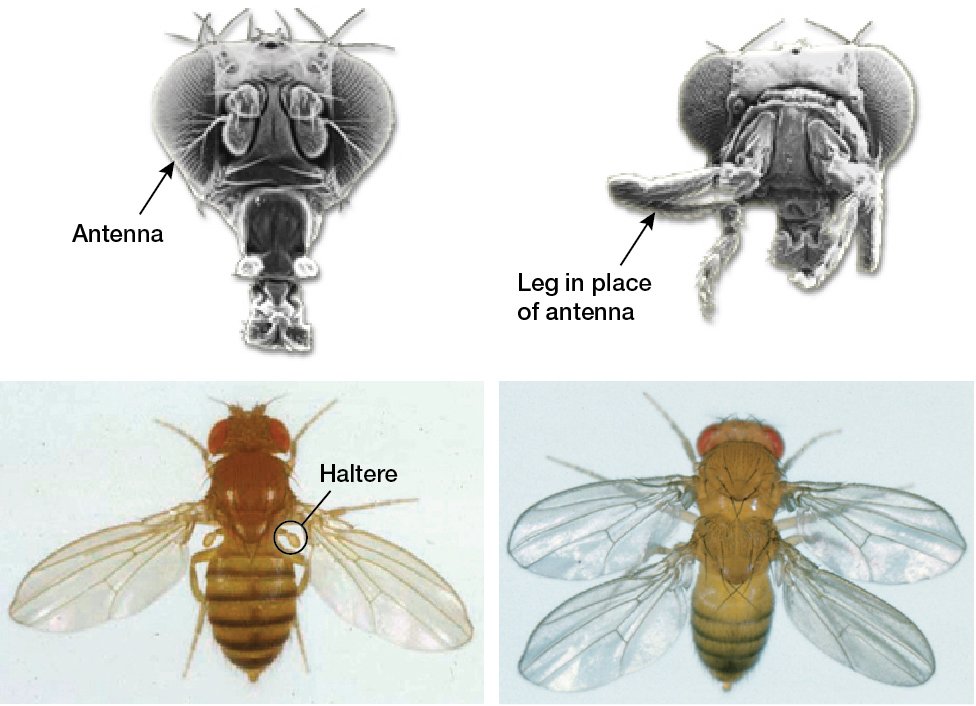
Hox genes
500
This is the organelle that makes.... ribosomes!
Nucleolus
500
This enzyme adds new nucleotides to the unzipped strand of DNA during DNA Replication.
DNA Polymerase
500
These groups can be added to DNA as a way to "turn off" certain genes & influence gene expression!
Methyl groups
500
This is the type of bond broken by helicase during DNA replication.
Hydrogen bonds