What's My Mobility?
What Am I Wearing?
I'm In The Chair, Now What?
Up, Down, Side to Side
100
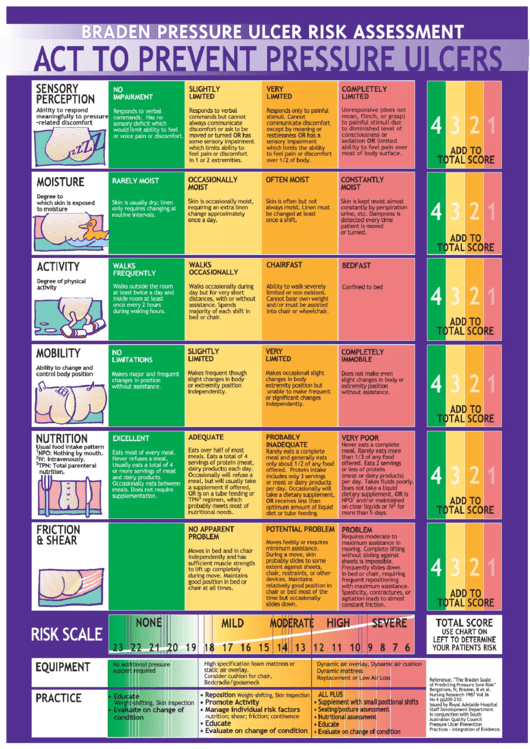
This pressure injury risk assessment scale measures physical and mental condition, nutrition, activity, mobility, and incontinence
The Braden scale
100
This device helps offload patients laterally while in bed
foam wedge

100
This is the maximum amount of time a patient should be in the chair without repositioning
One hour

100
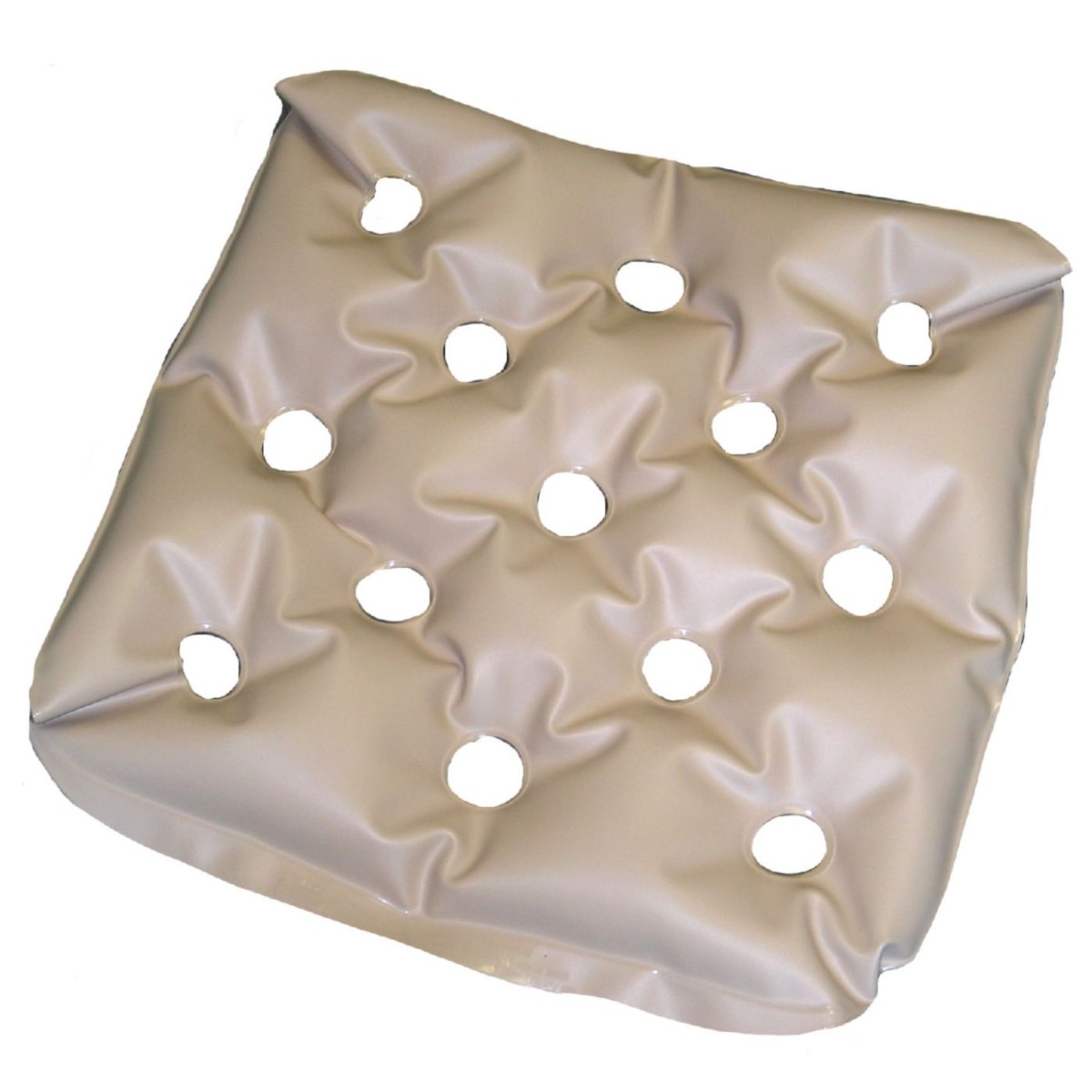
This item found in the supply room is a minimum requirement for every patient with a Braden Score <18 or for patients who can’t independently reposition in the chair
Standard air cushion
200
True /False: Patients who leave the floor for procedures are at higher risk for developing a pressure injury (OR procedures, IR procedures, cath lab, GI Procedures)
True

200
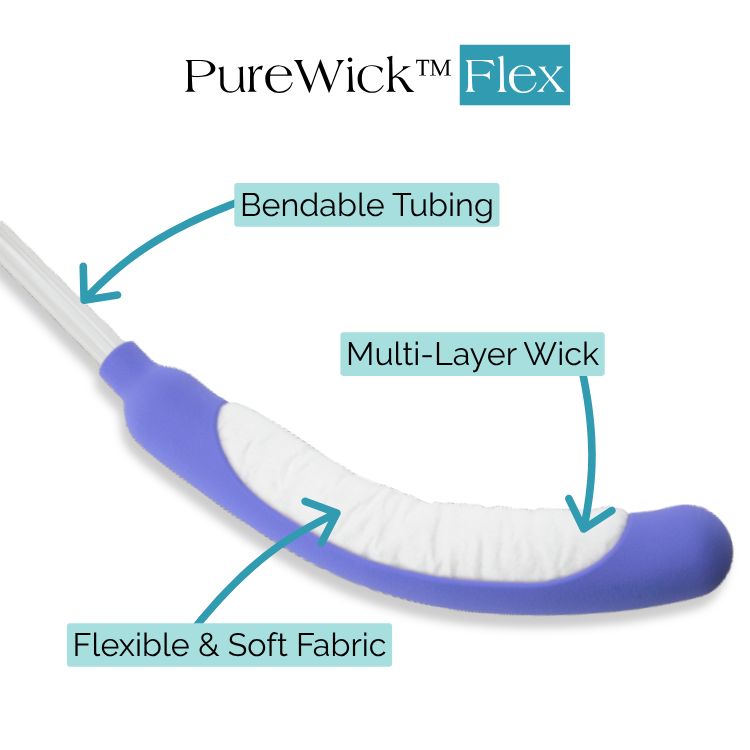
True/false: There is a risk of device-related pressure injuries with external male and female catheters
True
200
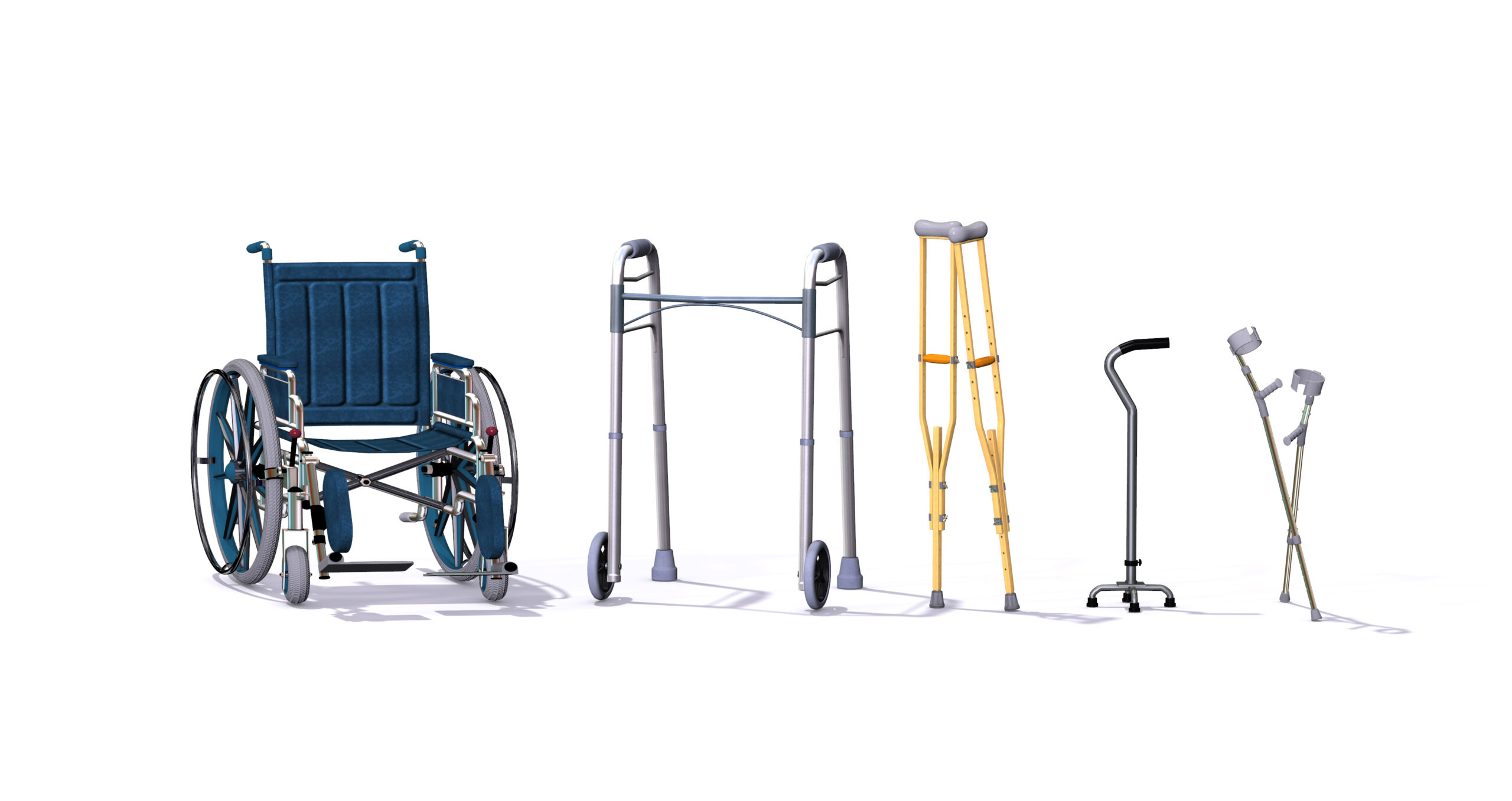
You want to take your patient on a walk, what is an important question you should ask first?
"Do you use a walker or cane?"
200
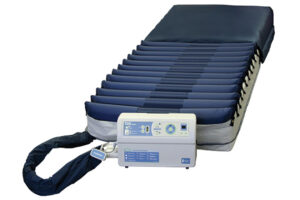
True/false: When a patient is on a specialty bed we do not have to turn them every 2 hours.
False
300
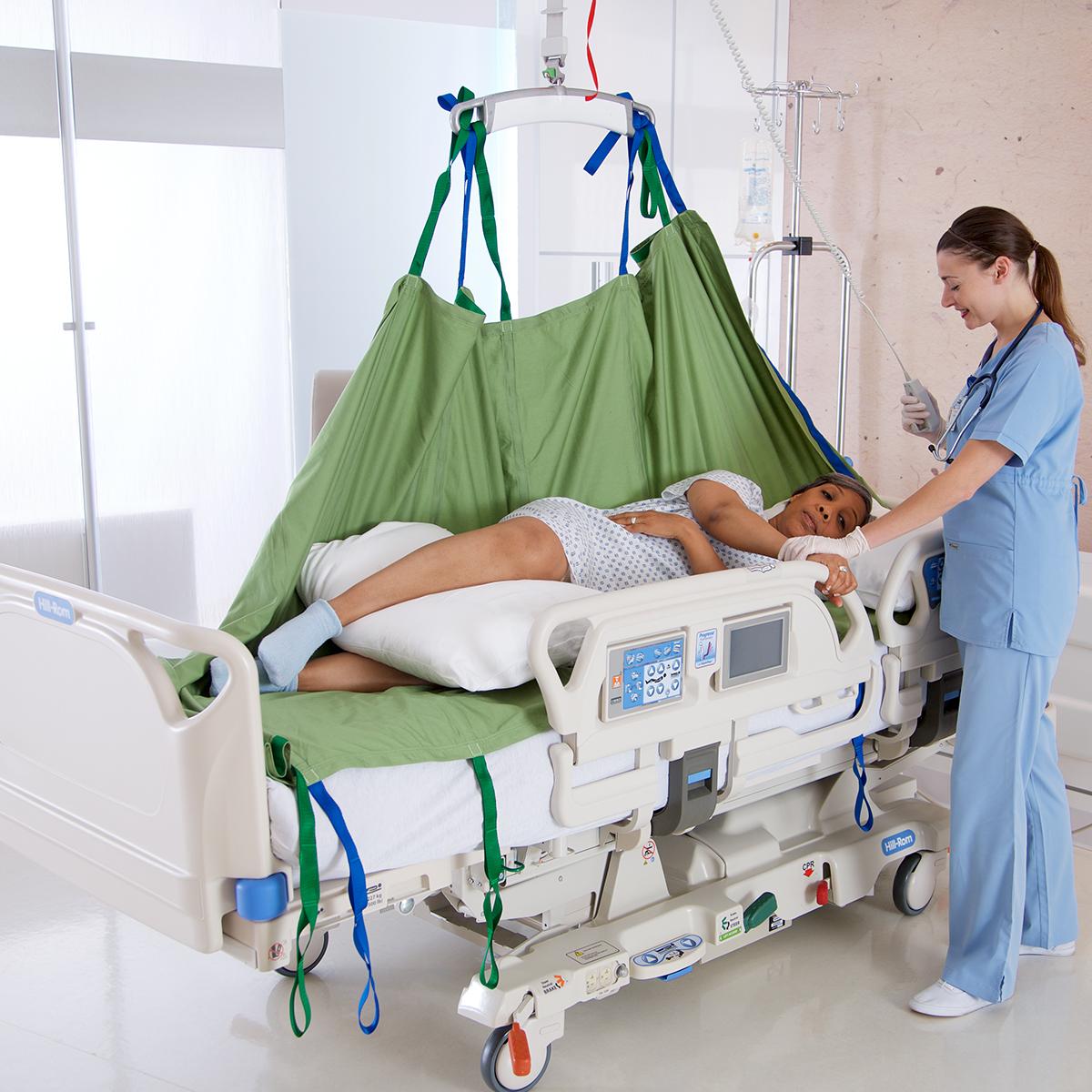
True/false: It is not necessary to reposition a patient with blanchable erythema
False
300
True/false: Nasal cannula tubing does not cause pressure injuries because it is soft
False

300
True /false: I don’t need to offload my patient’s heels in the chair
False

300
This chair cushion must be obtained from the rehab department
Roho

400
Name 3 risk factors for developing periop pressure injuries
- being anesthetized
- prolonged immobility
- being unable to verbalize pain/discomfort related to positioning
400
This device is not compatible with pneumoboots
Multipodus boot

400
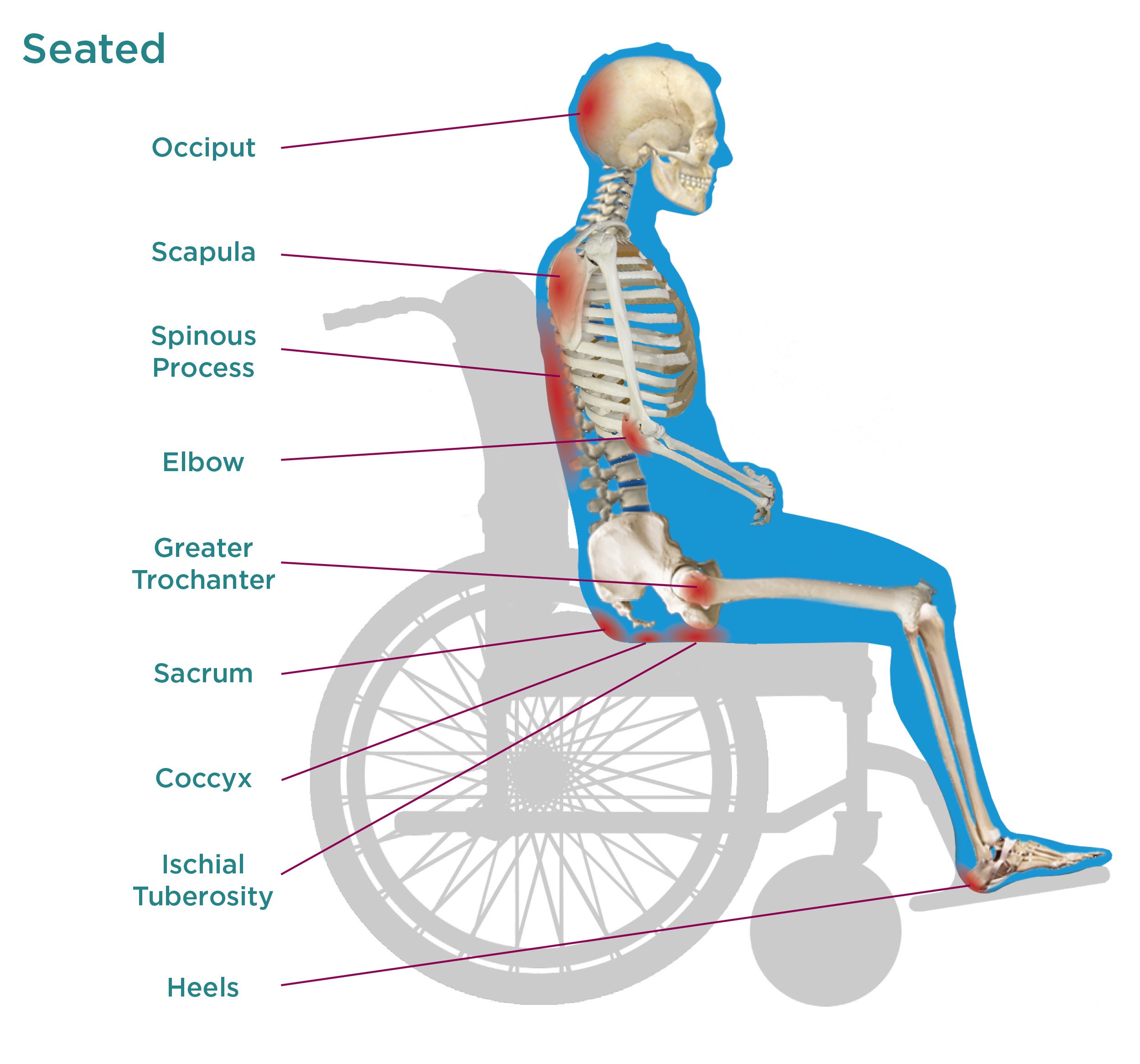
Name 3 places a pressure injury can develop in the chair
sacrum, ischial tuberosities, spinous processes, heels, elbows, lateral malleolus
400
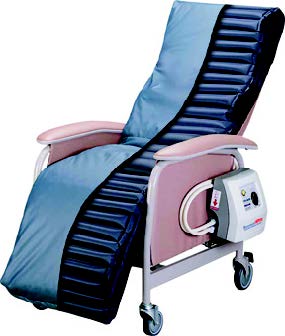
This specialty cushion is ordered by UCO from Agiliti for patients with >stage 2 wounds
low air loss overlay
500
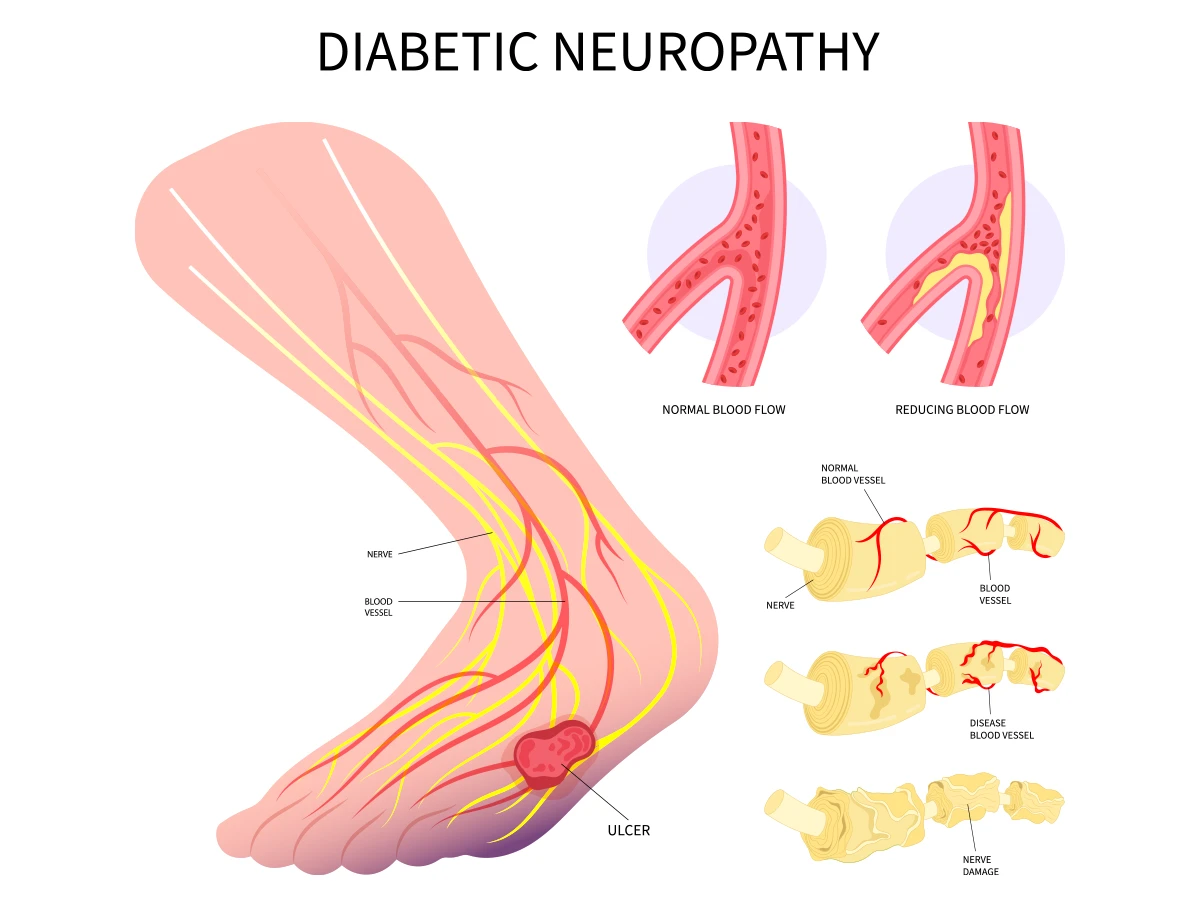
True/false: A patient with diabetic neuropathy affecting their feet has increased pain, therefore is less at risk for developing a pressure injury
False
500
True/false: My patient has an orthopedic brace (C-collar, knee immobilizer, wrist splint), I should not remove it for skin checks
False

500
Name 3 options for repositioning once in the chair
- putting leg rest down
- standing for 1 minute
- shifting laterally
- lifting patient in the highback sling for 1 minute
500
This item can be used to keep a patient’s leg positioned in neutral instead of rolling to the side
multipodus boot with "kickstand"
