Standard/Isolation Precautions
CLABSI
Hand Hygiene
CAUTI
Things I can't un-see
St. Mary's Nurse Reality Check
100
True of false: Another way to think about standard precautions is: "If it's wet, warm, and not yours, put a barrier (i.e. a mask, PPE) between you and it."
True
100
All patients with a central line should receive a CHG bath at this frequency.
What is daily?
100
The single most effective intervention to prevent healthcare-associated infections.
What is hand hygiene?
100
The most important daily question nurses should ask regarding an indwelling urinary catheter.
What is "Does this patient still need a catheter?"
100
This item has more germs than a toilet seat.
What is your cell phone

100
You enter a room and notice the drainage bag sitting on the floor. Your first action is this.
What is move the bag off the floor and secure it properly?
200
True or False: The first thing we should do before interacting with a patient is a risk assessment.
What is True
200
When Total Parenteral Nutrition (TPN) is infusing, this is how often the administration tubing and needleless connectors (claves) should be changed.
What is every 24 hours?
200
The minimum amount of time recommended for handwashing with soap and water.
What is at least 20 seconds?
200
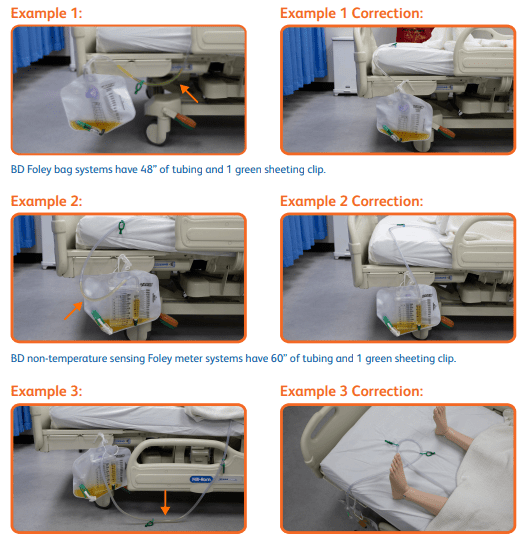
This should always be kept below the level of the bladder.
What is the urinary drainage bag?
200
A sneeze can travel this far.
What is 26 feet?
200
Before accessing an IV port, nurses should perform this step.
What is scrub the hub?
300
This isolation precaution requires a gown and gloves upon room entry and handwashing with soap and water when leaving the room.
What is Contact Plus?
300
The most important daily question to help prevent a CLABSI.
What is "Does this patient still need a central line?"
300
This action is required after exiting a patient's room who is on Contact Plus isolation precautions.
What is washing hands with soap and water?
300
A portion of urinary drainage tubing where urine collects because of improper positioning.
What is a dependent loop?
300
In addition to gown and gloves, the CDC recommends considering this PPE when cleaning large norovirus vomit or fecal contamination events.
What is a surgical mask?
300
A patient has a central line and urinary catheter. During bedside report you should discuss the continued need for these devices as part of this process.
What is daily device necessity review?
400
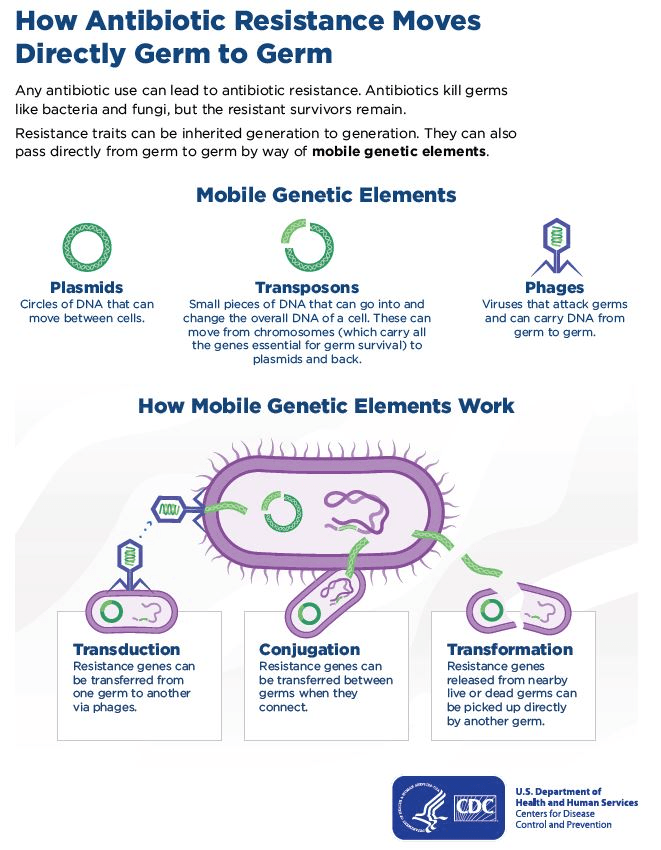
True or False: A patient who tests positive for a CRO (Carbapenem-Resistant Organism) is required to be on Contact Precautions for all current and future hospitalizations.
What is TRUE
400
True/False:
Patients on hospice/end of life care are appropriate to have blood cultures drawn.
What is FALSE
400
True or False: Wearing gloves eliminates the need for hand hygiene as part of Standard Precautions.
What is: FALSE
Hand hygiene should be performed:
- Before putting on gloves
- After removing gloves
Gloves are not a substitute for hand hygiene.
400
For a patient with a Foley catheter placed for urinary retention, nurses should begin asking about a voiding trial after this many days.
What is 3-5 days?
400
The average person misses this commonly forgotten area during hand hygiene.
What are fingertips and thumbs?
400
A patient develops a fever 48 hours after central line insertion. Infection prevention would want you to consider this possible HAI.
What is a CLABSI?
500
This should be removed first when doffing PPE after caring for a Contact Precautions patient.
What are gloves?
500
Name indications for placement of a central venous catheter (central line):
What are:
- Central venous pressure (CVP) monitoring in critical care
- Administration of vasopressors
- Administration of chemotherapy
- Invasive hemodynamic/cardiac monitoring
- Temporary transvenous pacemaker insertion
- Hemodialysis or other renal replacement therapy
- Poor peripheral venous access when reliable IV access is required (consider alternatives such as a midline when appropriate)
500
This action is required when your hands are visibly dirty, before eating, and after using the restroom.
What is washing your hands with soap and water. (NOT alcohol-based hand sanitizer)
500
Before collecting a urinalysis or urine culture, a patient should have these signs or symptoms of a possible urinary tract infection:
What are:
- Fever >38°C (100.4°F)
- Suprapubic pain/tenderness
- Costovertebral angle (CVA) pain/tenderness
- Dysuria
- Urgency
- Frequency
Bonus Answer: What should NOT trigger a UA or urine culture alone?
500
These are often found in employee bathrooms and should not be flushed down the toilets.
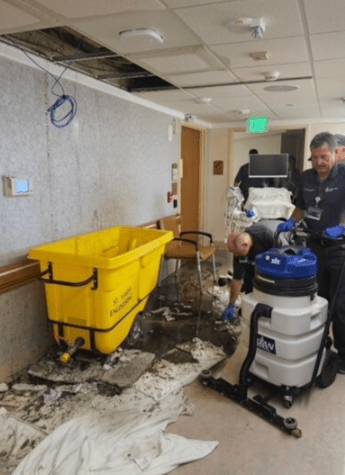
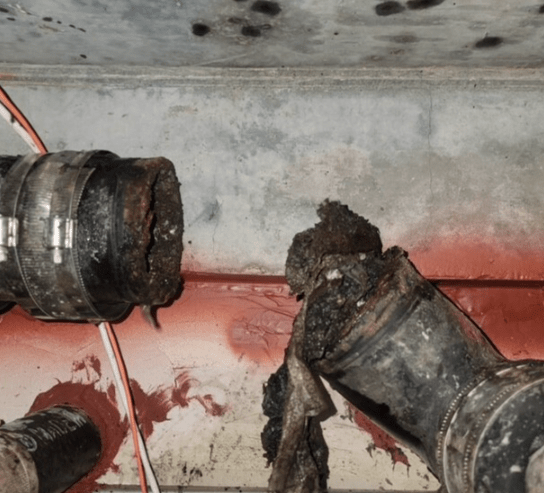
What is: Wipes
500
A nurse notices a break in sterile technique during a dressing change. The safest response is this.
What is stop and correct the breach before continuing?