Skin
Teeth
Sunscreen
Medication
Free for All
100
What does the fat in the layers of our skin do for us?
- helps insulate the body from heat and cold
- provides protective padding, and serves as an energy storage area
100
What do our teeth do for us?
- help us bite and chew
- gives our face shape and structure
- helps us display our emotions (smile)
- help us speak
100
With as much detail as you can give, why do we wear sunscreen?
- to protect our skin from the sun
- to protect us from UVA and UVB rays that cause sunburn and premature aging, damage, skin cancer
100
Why do people take medication?
- to get rid of pain
- to help regulate their body
- to treat illness
- to help them with symptoms that they don't like
100
Where is your skin the thickest and where is it thinnest?
Thickest - your heel
Thinnest - your eyelids
200
How do sweat glands help us, and where are they most numerous on your body?
- Its main function is to control body temperature. As the water in the sweat evaporates, the surface of the skin cools.
- Sweat glands are found all over the body, but are most numerous on the forehead, the armpits, the palms and the soles of the feet.
- Sweat is mainly water, but it also contains some salts.
200
What is the hardest substance found in the human body?
Enamel
200
What should we protect against UVB rays?
- shorter wave lengths affect top layers of skin
- Causes sunburn and shorter term damage
- Can't penetrate glass but can go through clouds
200
Where can you buy 'over-the-counter' medication?
- Pharmacies
- Grocery stores
- Convenience Stores
200
There are many ways to protect yourself from the sun. Name as many as you can think of.
Apply sunscreen about 15 minutes before sun exposure every day
Reapply sunscreen after swimming, or after exercise.
Stay in the shade whenever possible
Wear sun protective clothing to block the sun from reaching your skin
Limit sun exposure during the height of the day between 10 and 4.
300
What are the three layers of the skin?
Epidermis, Dermis, Hypodermis
300
What are the four types of human teeth?
- incisors - biting
- canines - tearing
- premolars (bicuspids) - grinding
- molars - grinding
300
Why should we protect ourselves from UVA rays?
- Longer wave lengths penetrate deeper into our skin
- Can cause pre-mature aging, skin cancer
- Can penetrate through glass and clouds
300
How do you get prescription medication?
- Make a doctor's appointment
- The doctor will assess your symptoms and decide if you need a controlled medication
- The doctor will give you a prescription (paper or call in to a pharmacy)
- When the prescription is ready, you can pick it up
300
What do the nerves in your skin do for you?
The sensory nerves in the epidermis sense and transmit heat, pain, and other noxious sensations. When these nerves are not functioning properly they can produce sensations such as numbness, pins-and-needles, pain, tingling, or burning.
400
How does our skin protect us?
It is shock absorbing which means it can absorb impact and pressure to protect your organs
It seals your inside body off from the world by acting as a barrier
Inside the epidermis, there are specialized cells that detect invaders and communicates their presence to the immune system
400
Name all of the things you can think of to do to help keep your teeth clean and healthy.
Don’t go to bed without brushing your teeth, Brush properly, Don’t neglect your tongue, Use a fluoride toothpaste, Treat flossing as important as brushing, Don’t let flossing difficulties stop you, Consider mouthwash, Drink more water, Eat crunchy fruits and vegetables, Limit sugary and acidic foods, See your dentist at least twice a year
400
How do chemical sunscreens work and what are their pros and cons?
- work like a sponge, absorbing the sun's rays.
- Pros - they blend in to the skin so you can’t see them and they are cheap.
- Cons - they are not active for about 15 minutes after applied and can be irritating to the skin
400
Why should you always read the label when taking over the counter and prescription medication?
- it tells you warnings to be aware of
- it gives you instructions on how to take the medication properly (how much, timing)
- it tells you what the medication does for you
400
How does your skin sense the world around you?
- merkel cells are receptors found in your skin that send messages to your brain
- Your skin senses hot, cold, pain, touch etc.
500
How does our skin regulate our bodies?
Nerves detect whether your body is too cold or too hot and communicate this to your brain
Your skin is instructed by the brain to expand if it’s too warm or constrict if it’s too cold
Your skin will sweat to cool the body
Your skin will create goosebumps if you are cold. It will stand your tiny hairs up on end to keep the heat in.
500
What are the parts of a tooth and describe them in your own words.

Crown - The crown is the functional part of the tooth that is visible above the gum. It is the surface that you use to eat and brush.
Root - supports and fastens the tooth in the jawbone.
Gum - soft skin which covers the bones of your mouth and teeth. This tissue forms a tight seal around the teeth to keep them in place and provide a barrier against bacteria.
Pulp - made up of living connective tissue and cells.
Bone - mandible holds the tooth in place securely.
Root Canal - naturally occurring space within the root of a tooth.
Root End Opening/Nerve - where the nerve enters the tooth to communicate hot, cold, or painful.
500
How do physical sunscreens work and what are their pros and cons?
- they work immediately and reflect the sun’s rays
- Pros - they work immediately and are less reactive and irritating than chemical sunscreens
- Cons - they are usually highly visible and they are usually expensive.
500
What is this medication used for?
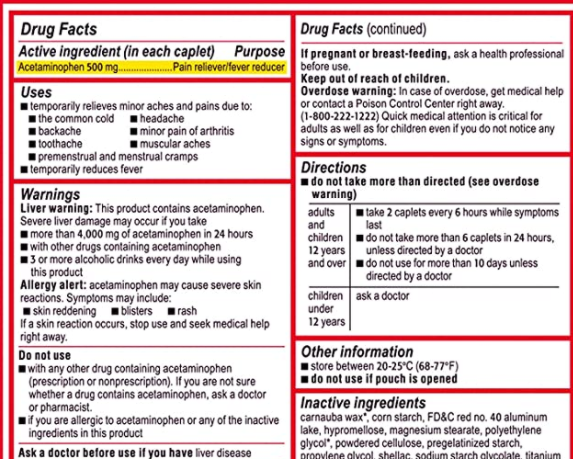
- to treat the common cold
- headache, backache, toothache
- minor pain of arthritis
- muscular aches
- reduces fever
500
What does this medication do and how do you take it?
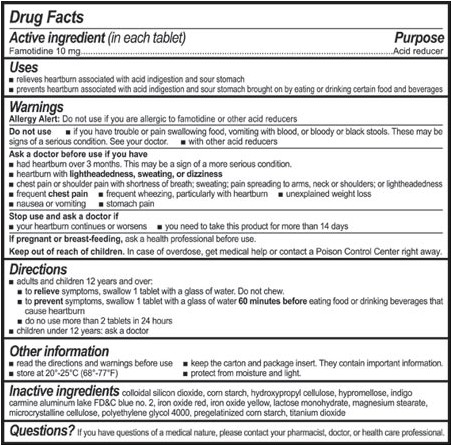
- acid reducer
- adults and children 12 and over can take 1 tablet with a glass of water 60 minutes before eating food. Do not chew.
- do not use more than 2 tablets in 24 hours.