Neurodiversity
Consequences
Behavior Guidance Philosophy
Meeting the Needs of Diverse Children
Conscious Discipline
100
A framework viewing conditions like autism, ADHD, and dyslexia as natural variations in human brain function rather than diseases or defects. It shifts the focus from curing or fixing a person to changing social and physical environments so diverse minds can thrive.
What is Neurodiversity?
What is the Neurodiversity Affirming Paradigm?
What is Neurodiversity-affirming Practice/Care?
100
This type of consequence occurs naturally without an adult imposing a consequence.
What is natural consequence?
100
This is at the heart of what we do at Ivybrook!
What are relationships and connections?
100
All humans are ___________ communicators. We may communicate vocally, through gestures, visuals, body language, etc.
What is multi-modal communicators?
100
When in the Survival State, what must you do to help self-regulate?
What is take deep breaths?
200
Name two ways the presentation recommends supporting neurodivergent individuals.
What are honoring sensory differences, co-regulating, validating experiences, using a strength-based approach, focusing on intrinsic motivation, or supporting self-advocacy?
200
A child continues to throws blocks, so the teacher temporarily puts the blocks away because blocks are for building. This is an example of what type of consequence?
What is a logical consequence?
200
"Ivybrook Academy is a child-centered facility which embraces the joys of childhood. We recognize that children often test limits as they explore their world. We strive to capitalize upon these opportunities to teach children problem-solving skills and guide them towards working with others." What philosophy does this describe?
What is Ivybrook's Behavior Guidance Philosophy?
200
An exchange of ideas
Expressing opinions
Human connection
What is Communication?
200
When in the Emotional State (swearing, othering, festering in unhelpful thoughts), what steps might you take to self-regulate?
What is take say, "I am safe, keep breathing, I can handle this" (and wish well).
Active calming + Deep breathing + Open your heart
300
Instead of asking, “How do I get this child to comply?” a neurodiversity-affirming approach asks us to consider this type of motivation: “Why should this be important to them?”
What is intrinsic motivation?
300
This form of discipline may cause children to fear making mistakes and may provide extrinsic motivation to please others and avoid physical/emotional pain.
What is punishment?
300
This discipline framework emphasizes the connection between the adult and child, then on coaching children on new skills, and following up with the appropriate consequences. It empowers the adult to be conscious of brain-body states in ourselves and children.
What is Conscious Discipline?
300
A child struggles to understand what will happen during a fire drill. Which visual support could explain what to expect ahead of time?
What is a social story?
What is a book that relates to the event?
What is a video model?
300
This approach helps adults become aware of their own brain-body states and provides skills to manage thoughts, feelings, and actions.
What is Conscious Discipline?
400
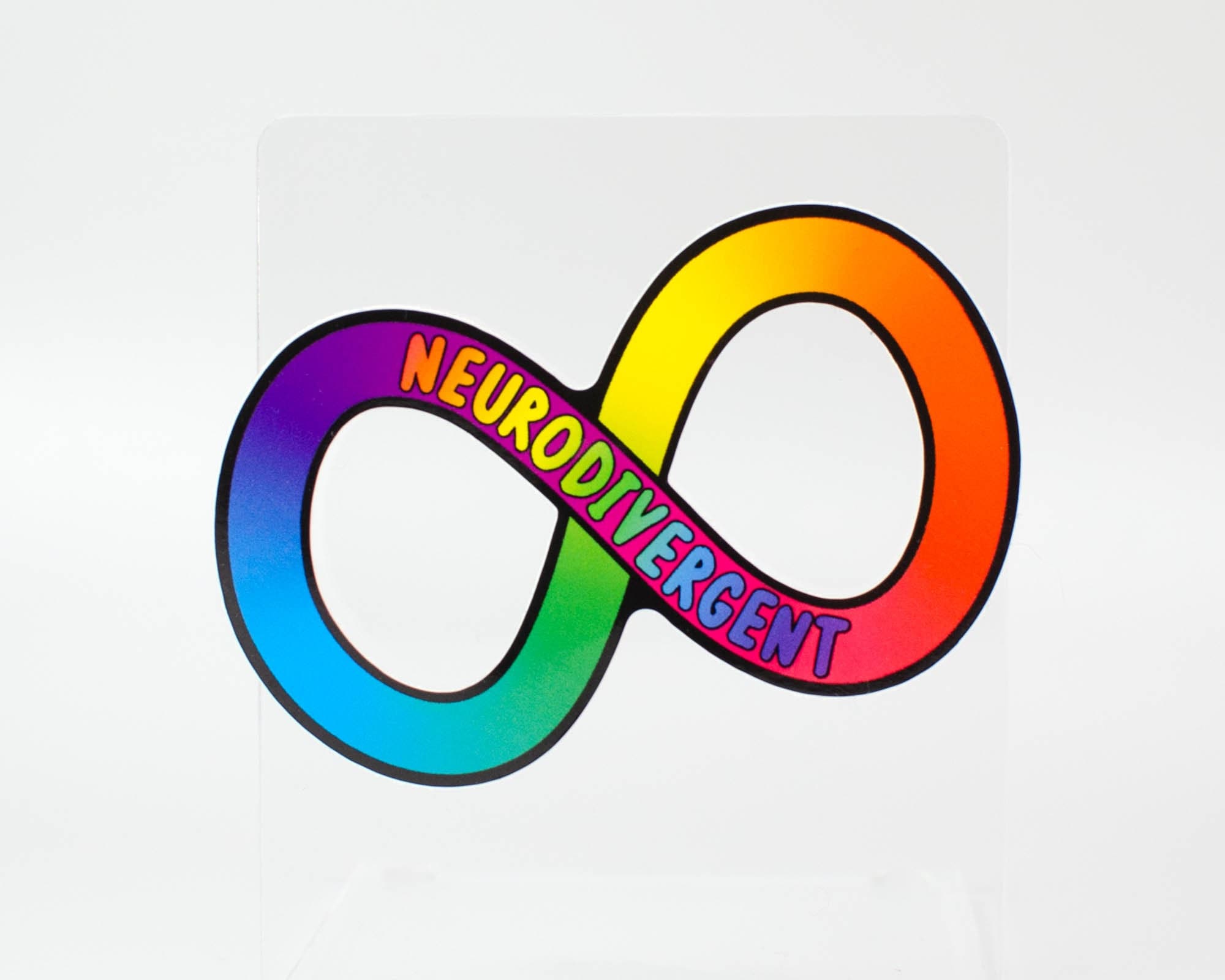
The neurodivergent community uses this symbol to represent the endless variety of human minds and nervous systems, signifying inclusion, limitless potential, and natural neurological variations.
What is the infinity symbol?
400
This form of discipline teaches children how to solve problems, relies on reflection, and personal responsibility. It shows children that mistakes are opportunities to learn.
What is consequence?
400
In this tier, students may demonstrate specific areas for support. Data is used understand what the behavior is communicating and to determine the best strategies to support targeted behaviors. Strategies are implemented and observed for effectiveness.
What is Targeted Skills? or Understanding + Modification? What is Tier 2?
400
A child struggles with transitions because they don't know what will happen next. The teacher provides a visual representation of the day's activities and uses it to prepare the child for transitions.
What is a visual schedule?
400
Thinking of the Brain State Model, put these in the correct order of what must be connected to move towards regulation: Problem-Solving Skills (Executive State), Safety (Survival State), Connection (Emotional State).
What is Safety (brain stem) → Connection (limbic system) → Problem-Solving Skills (prefrontal lobes)?
500
This approach focuses on what an individual can do and their abilities rather than primarily focusing on deficits.
What is a strength-based approach?
500
A child repeatedly hurts peers. The teacher helps the child check on the injured peer, get ice, practice gentle touch, and think about what they can do differently. What type of consequence is being used?
What is a problem-solving consequence?
500
In the Behavior Intervention Pyramid, this tier is considered the "wrap around" and represents the smallest population of students. Together the team will create a highly individualized __________________ to best support the student during the school day.
What is Personalized Education Plan?
500
A child has limited spoken language and needs a way to communicate wants, needs, choices, and ideas. Name two multi-modal communication supports that could provide access.
What are a core board, AAC/communication device, PECS, signs, gestures, visuals, or other communication systems?
500
A child is screaming, throwing materials, and refusing to participate. The teacher immediately begins explaining why the behavior is inappropriate and asks the child to tell them what they should have done. What is the teacher missing?
The child needs to be regulated before they can effectively problem-solve; the adult should regulate themselves first and prioritize safety and connection.
regulation → safety → connection → problem-solving.