General
1
2
3
4
100
"macro" means
big/large
100
elements in a carbohydrate
carbon, hydrogen, oxygen
100
elements in a lipid
carbon, hydrogen, oxygen
100
elements in a protein
carbon, hydrogen, oxygen, nitrogen, and sulfur
100
elements in a nucleic acid
carbon, hydrogen, oxygen, nitrogen, and phosphorus
200
single or "one" subunit of a macromolecule
monomer
200
single unit of a carbohydrate
monosaccharide
200
lipids monomers
fatty acids and glycerol
200
protein subunits
amino acids
200
nucleic acid subunits
nucleotides
300
multiple subunits of a macromolecule joined together
polymer
300
multiple units of carbohydrates
polysaccharide
300
functions of lipids (2)
long-term energy storage, insulation (and protection of organs)
300
string of protein subunits
polypeptide
300
function of nucleic acids
genetic blueprint (instructions for EVERYTHING else)
400
the sum of biochemical processes in an organism
metabolism
400
function of carbohydrates
quick, immediate energy
400
two common examples of lipids
fats and oils (also waxes and steroids)
400
most prominent example of proteins
enzymes
400
examples of nucleic acids (2)
DNA and RNA
500
the inner state of stability of a living organism
homeostasis
500
sugars commonly end in -
-ose
500
lipids are HYDROPHOBIC or HYDROPHILIC
hydrophobic (don't like water)
500
some proteins end in -
-ase
500
structure of nucleic acids
single or double helix
600
what macromolecule represented by this picture?(bonus if you can name it exactly!)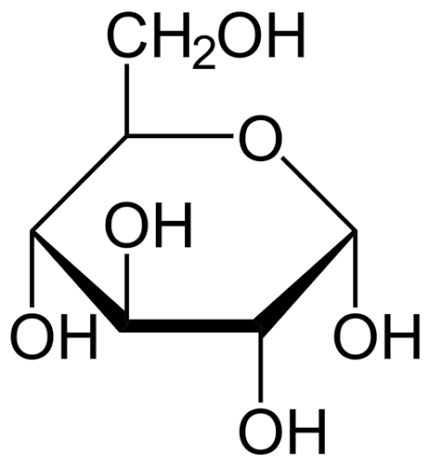
carbohydrates (glucose)
600
most common sugar molecule
glucose
600
label the parts of a triglyceride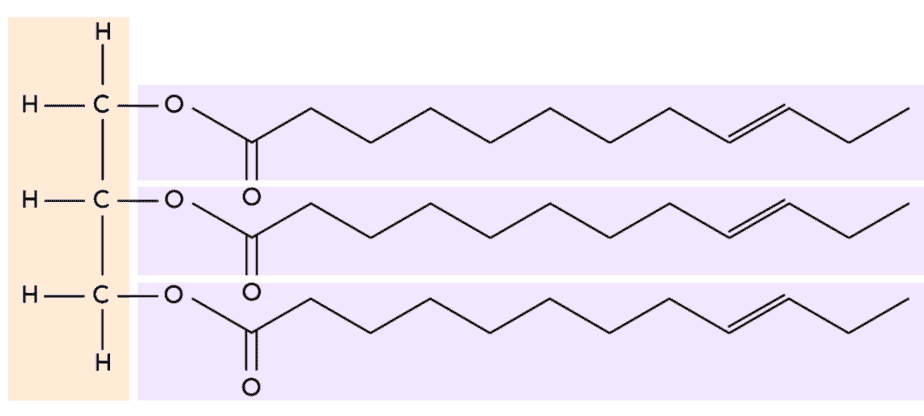
orange (left) = glycerol
purple (right) = fatty acids
600
functions of proteins
chemical reactions, maintaining structure, transport, support, movement
600
examples of nitrogenous bases (4)
A, T, G, C
700
what macromolecule is represented by this picture? (bonus if you can name it exactly!)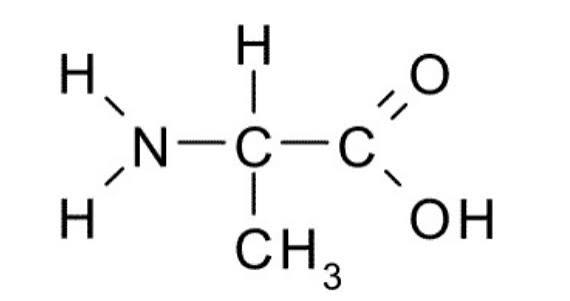
protein (amino acid)
700
common polymers of carbohydrates (3 possible)
starch, glycogen, cellulose
700
how many amino acids exist in living organisms?
20
700
label the parts of this monomer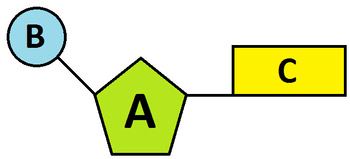
a = 5-carbon sugar
b = phosphate group
c = nitrogenous base