Classic Clinic (Bread & Butter FM)
Ghosts of Jeopardy Past (Prior Jeopardy Qs)
Friday Morning Lights (Didactics Review)
Beyond My Scope (The Scope Review)
AAFP April 2026
100
An African American patient presents to your office for follow up on hypertension. Patient's in-office has consistently been 140/90 over several visits despite lifestyle interventions. Which 1st line BP medication classes are likely to be most effective for BP control?
thiazides, CCBs > ACE-Is, ARBs
African Americans, on average, exhibit lower plasma renin activity (PRA); ACE-Is and ARBs still effective and still considered 1st line, but typically better BP response w/ thiazides and CCBs
topic: https://pmc.ncbi.nlm.nih.gov/articles/PMC4176798/
100
This is the highest allowable systolic BP in a patient in the permissive hypertension window after a stroke who did NOT receive TNK/tPa.
What is systolic BP <220?
topic: Jeopardy, Mar. 2024
100
Name one discussed cause of pancreatitis besides gallstone pancreatitis and alcoholic pancreatitis.
organophosphate poisoning, Legionnaire's disease
others: hypertriglyceridemia, post-ERCP, genetic risk, medications, infections (mumps, VZV, herpes, HIV, COVID19, mycoplasma, salmonella, toxoplasma, cryptosporidium), vascular disease
topic: Pancreatitis, Dr. Bahador, 3/20/26
100
What is the most common radiologic finding in early pulmonary sarcoidosis?
bilateral hilar lymphadenopathy
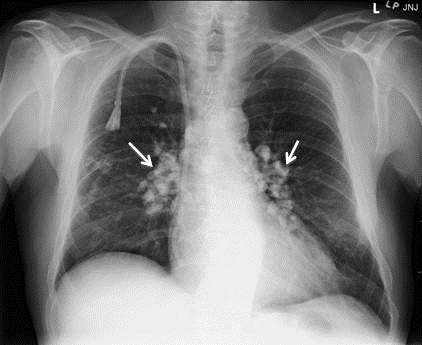
classic biopsy finding: non-caseating granulomas
topic: The Scope, March 15th, 2026
100
What med(s) are used for thromboprophylaxis in patients with essential thrombocythemia/thrombocytosis?
low dose daily aspirin for most patients; some patients w/ refractory symptoms may be considered for BID dosing
topic: https://www.aafp.org/pubs/afp/issues/2026/0400/thrombocytosis.html
200
You review your snoring patient's sleep study. What AHI threshold is diagnostic for sleep apnea?
AHI:
- Mild: 5 to 14.9 events per hour
- Moderate: 15 to 29.9 events per hour
- Severe: 30 or more events per hour
Apnea: ≥90% reduction in airflow from baseline lasting ≥10 seconds
Hypopnea: ≥30% reduction in airflow for ≥10 seconds, associated with ≥3% oxygen desaturation and/or an EEG arousal
AHI: average apnea and hypopnea events per hour
topic: https://www.aafp.org/pubs/afp/issues/2016/0901/p355.html
200
When should the Tdap vaccine be administered in the prenatal course? If the mother previously received it 2 years prior during another childbirth, will you re-administer it this pregnancy?
administer Tdap between 27-36 weeks during each pregnancy, REGARDLESS of previous vaccination
lecture: Dr. Odai, 12/12/25; Jeopardy Jan. 2026
200
What is the calculation for anticipated thyroid hormone replacement dosing in a healthy young adult with hypothyroidism?
1.6 mcg/kg body weight/day
topic: Thyroid Diseases, Dr. Do, 3/20/26
200
What are risk factors for bladder cancer in patients with hematuria?
risk factors: age >/= 60 years old, >30 pack-year smoking history, >25 RBCs/hpf on UA
topic: The Scope, April 26th, 2026
200
What is the most commonly ingested foreign body in pediatric populations?
coins; in the past 20 years, the rate of coin ingestion requiring emergency department evaluation has nearly doubled, with pennies and quarters being the most prevalent
coins have a spontaneous passage rate of up to 30%
unlikely to pass if: <6 years old, coin in proximal or mid-esophagus, coin spends >12 hrs in esophagus, coin is wider (quarter or bigger)
topic: https://www.aafp.org/pubs/afp/issues/2026/0400/foreign-body-ingestion-children.html
300
You see a 16 year old male patient for sore throat and diagnose him with strep throat. Which of these recommendations would you share with this patient (pick as many as appropriate).
a. Use aspirin as needed for pain associated with sore throat.
b. If you develop a lacy rash over your chest, you should return to clinic ASAP as a change in treatment may be needed.
c. You are no longer considered contagious after ~12 hours of antibiotics.
d. antibiotic therapy does not have a significant effect on the risk of PSGN
e. empiric antibiotics are recommended for a Centor score of 3 or higher
correct: c, d
incorrect: a, b, e
topic: https://www.aafp.org/pubs/afp/issues/2024/0400/streptococcal-pharyngitis.html
300
Which SSRIs are considered most weight-neutral (and may even be associated with some weight loss)?
sertraline, fluoxetine
weight loss w/ acute therapy (4-12 weeks) and weight neutral w/ maintenance therapy
paroxetine most consistently associated w/ weight gain
lecture: Dr. LJ, 12/19/25; Jeopardy Jan. 2026
300
You see a pediatric patient in clinic with this acute URI-like symptoms preceding the appearance of this rash. What counseling do you provide the patient's mother regarding school?
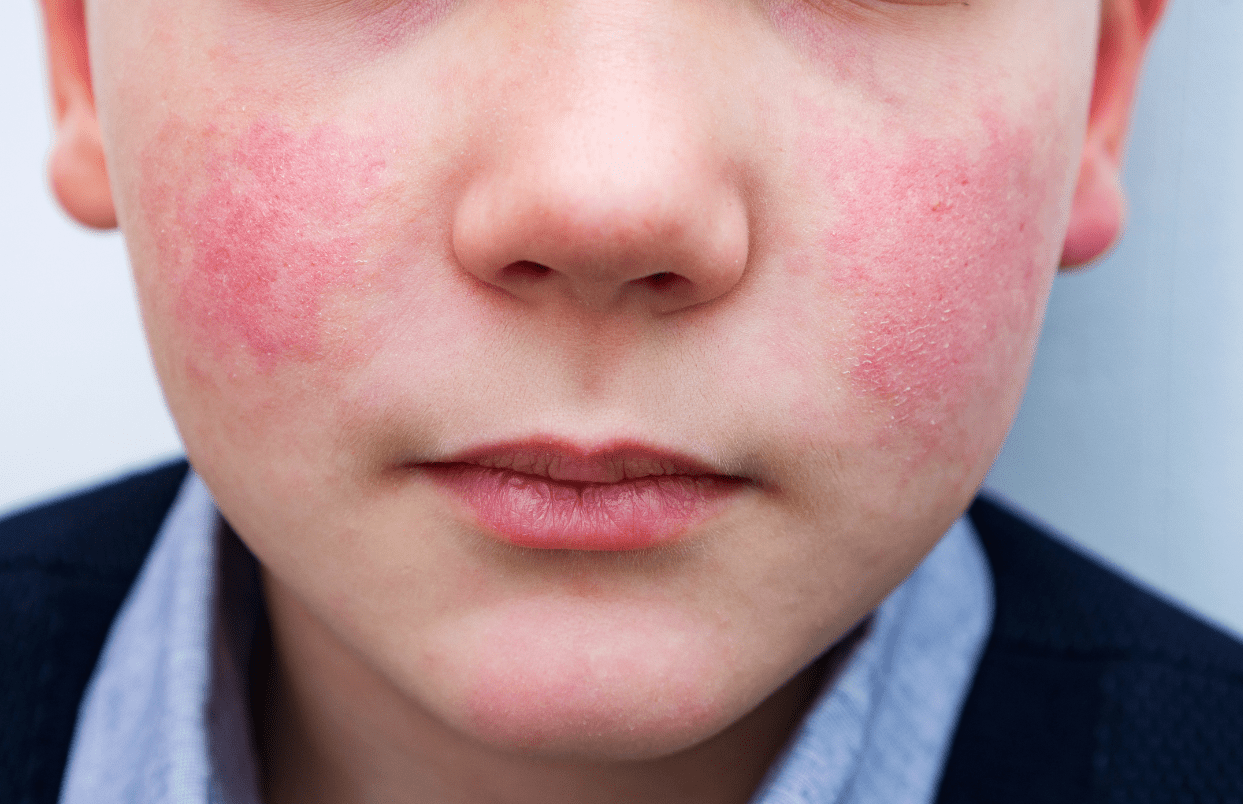
parvovirus B19, return to school now; infectious before rash onset, not infectious once rash appears
topic: Pediatric Cases, Dr. Feng, 5/1/26
300
Name at least 2 screening tools used to assess baseline cognitive function and detect changes suggestive of cognitive impairment and/or dementia?
SLUMS, MOCA, MMSE, min-cog
topic: The Scope, Feb. 1st, 2026
300
Identify this nail finding below:
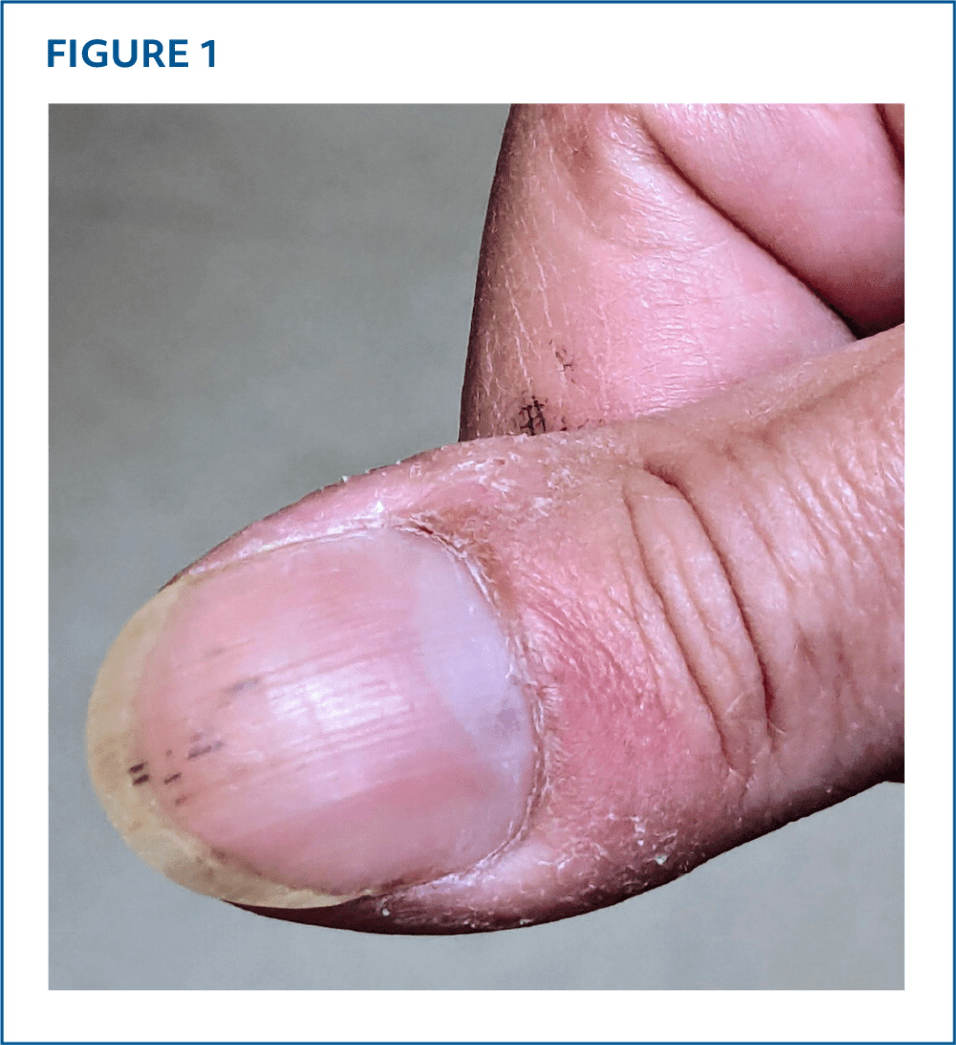
splinter hemorrhage; present as nonblanchable, thin, linear, reddish-brown to black longitudinal streaks within the nail bed; streaks typically do not span the entire nail bed.
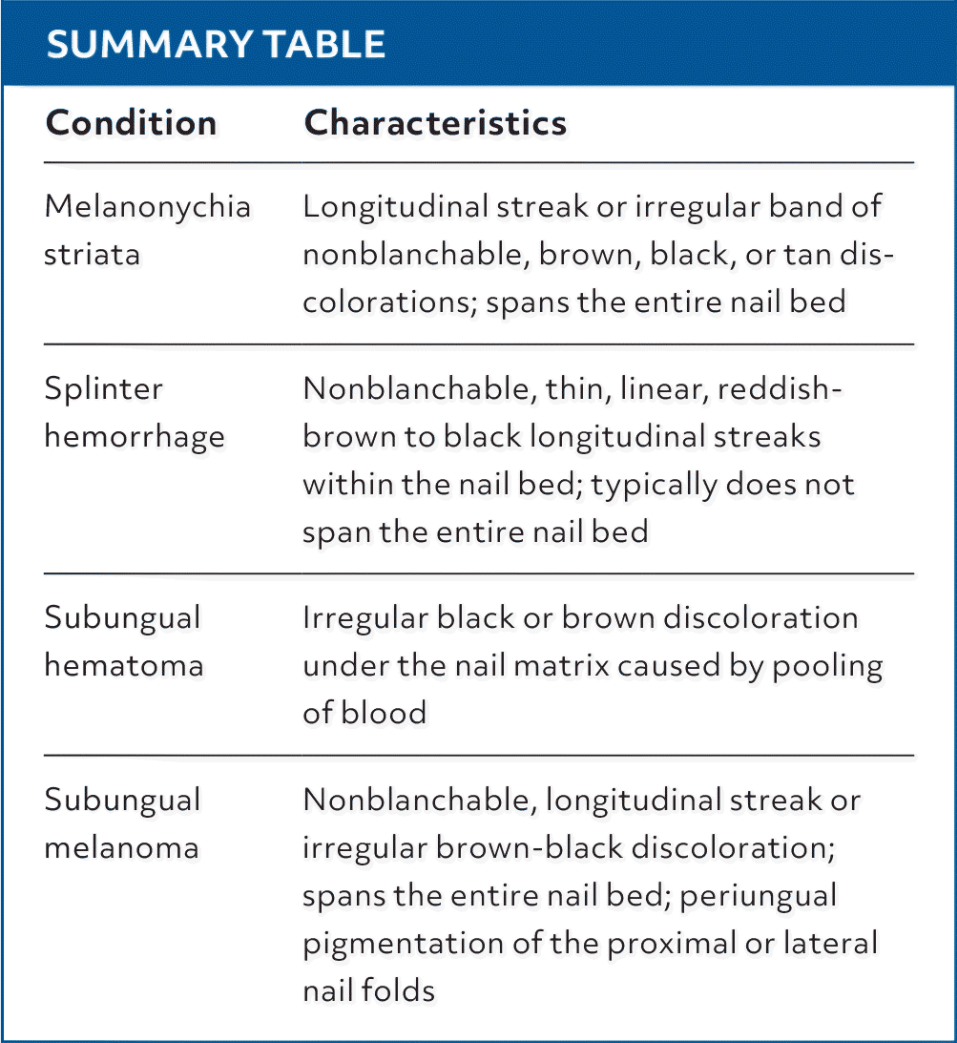
topic: https://www.aafp.org/pubs/afp/issues/2026/0400/photo-quiz-nail-abnormality.html
400
Your patient, who underwent PCI 3 months ago, returns to clinic for chronic disease management.
1.) What is your LDL goal if they have no other chronic conditions?
2.) What is your LDL goal if they have type II diabetes, CKD stage 3a, and are a current smoker?
1.) LDL <70
2.) LDL <55
topic: https://newsroom.heart.org/news/accaha-issue-updated-guideline-for-managing-lipids-cholesterol
400
What is the classic symptom triad of measles?
3 Cs: cough, coryza, conjunctivitis - these symptoms typically precede the Koplik spots and cephalocaudal-spreading rash
topic: Jeopardy, Nov. 2024
400
Expedited partner therapy (EPT) is acceptable for which STD(s)? In a non-pregnant partner without severe symptoms, what would you recommend as antibiotic therapy?
EPT currently applies for lab-confirmed gonorrhea and/or chlamydia; cefixime 800 mg PO x1 for gonorrhea coverage doxycycline 100 mg PO BID for 7 days for chlamydia coverage
topic: STIs + EPT, Dr. Wani, 4/17/26
400
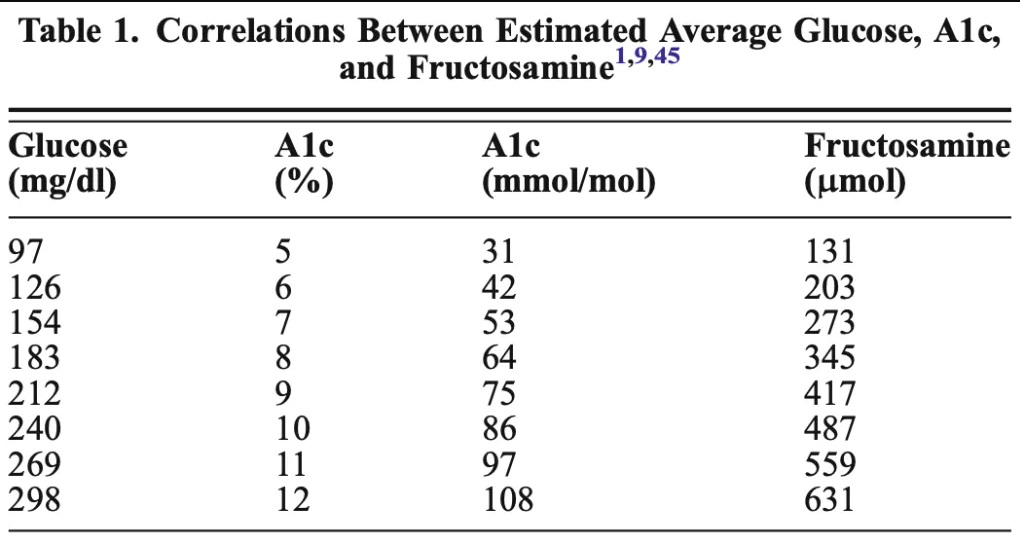
What lab can be used to assess blood sugar control in a diabetic patient with a hemoglobinopathy?
fructosamine; measures average blood glucose over the past 2–3 weeks by assessing glycated albumin
topic: The Scope, Jan. 18, 2026
400
What are at least 3 medications that can be utilized for symptom control in bladder pain syndrome (AKA interstitial cystitis)?
oral analgesics: NSAIDs, phenazopyridine (Azo), methenamine-sodium biphosphatephenyl salicylate-methylene blue-hyoscyamine
antihistamines: cimetidine, hydroxyzine
gabapentinoids
amitriptyline
pentosan polysulfate (Elmiron)
topic: https://www.aafp.org/pubs/afp/issues/2026/0400/bladder-pain-syndrome.html
500
A 55 year old female patient presents to your clinic for her annual physical. She has not seen a doctor in decades (since childhood) and would like to catch up on all her screening recommendations. She is a current smoker, 1 pack per day, and started when she was 15 years old. She is married to her husband, monogamous, and has no history of STDs and no signs/symptoms of STDs. What screening recs would you provide her today?
1.) pap smear + HPV cotesting for cervical cancer screening
2.) mammogram for breast cancer screening
3.) colonoscopy for colon cancer screening
4.) hepatitis C and HIV screening
5.) low dose CT for lung cancer screening
topic: USPS TF
500
List all of the criteria for reduced dose Eliquis and what diagnosis(es) it applies for.
1.) age >/= 80 years old
2.) weight </= 60 kg
3.) Cr >/= 1.5
need 2 of the 3 to qualify; ONLY applies to atrial fibrillation
lecture: Dr. Feng 8/8/25; Jeopardy Nov. 2025
500
Name all 5 of your future colleagues. Bonus points if you can give first and last name.
Dr. Courtney Pitman, DO
Dr. Farea Eqbal, MBBS
Dr. Maram Osman, MBBS
Dr. Ramis Hassan Khan, MBBS
Dr. Tiffany Vo, DO
topic: Class of 2029, Alicia + Dr. Mir, 3/20/26
500
Describe this finding on fundoscopic exam and the underlying pathology to cause these findings.
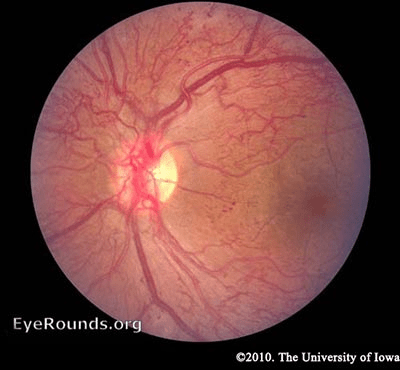
proliferative diabetic retinopathy; continued ischemia due to glycemic damage to retinal capillaries - neovascularization
topic: The Scope, Nov. 9th, 2025
500
Describe these features regarding heat stroke:
1.) core body temp?
2.) clinical features?
3.) first line treatment?
1.) temp >/= 104F
2.) fatigue, hot dry skin, resp distress, hypotension, tachycardia, AMS (CNS dysfunction must be present), weakness
3.) immersion in ice-cold water (35.6F-50F) until core body temp reaches 102.2F (best within 30 minutes of heat stroke recognition)
topic: https://www.aafp.org/pubs/afp/issues/2026/0400/heat-related-illness.html