Rock Layers
Forces That Fold
Heat and Rock Types
Fossil Detectives
100
This word means small bits and pieces of rock.
Sediment
100
Folded rocks have this shape instead of being flat.
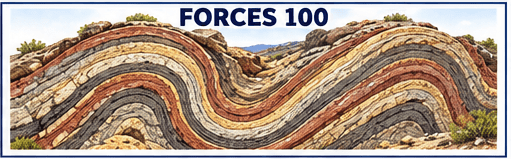
Bent or wavy
100
This type of rock forms when magma or lava cools and hardens.
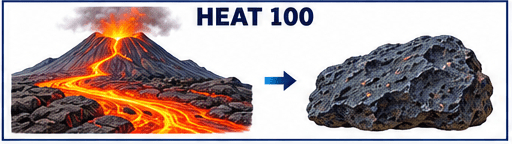
Igneous rock
100
These preserved remains or traces provide evidence of living things from long ago.
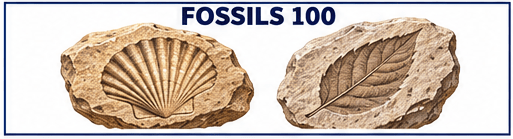
Fossils
200
This type of rock forms when sediment is compacted and cemented together.
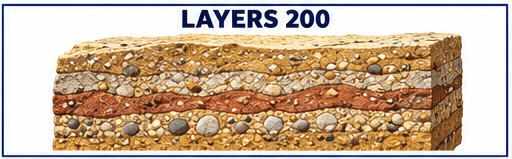
Sedimentary rock
200
Forces in Earth’s crust can cause once-flat rock layers to do this.
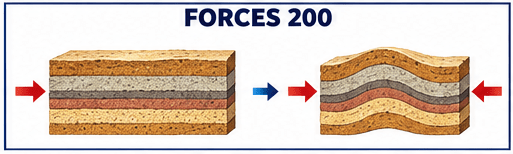
Fold or Bend
200
This type of rock forms when existing solid rock changes because of heat and pressure.
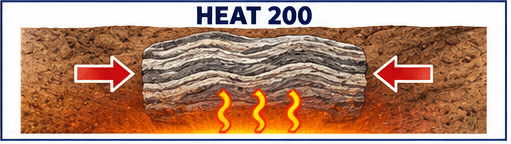
Metamorphic rock
200
According to the reading, fossils are often found in this rock type.
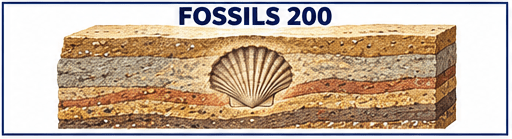
Sedimentary Rock
300
Different rock layers represent sediment deposited at different _____.
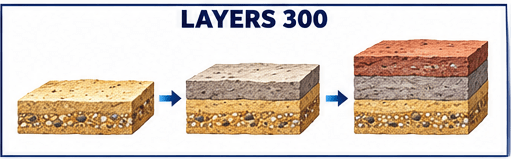
Times
300
When parts of Earth’s crust push against each other, they can help form these tall landforms.
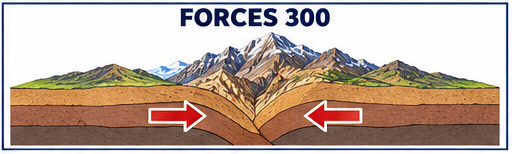
Mountain
300
To become igneous rock, melted rock must do these two things.
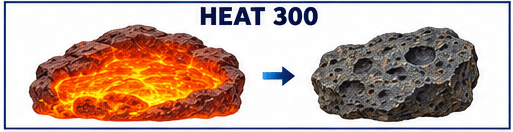
Cool and Harden
300
Fossils of sea creatures in a dry inland area suggest that the area was once covered by this.
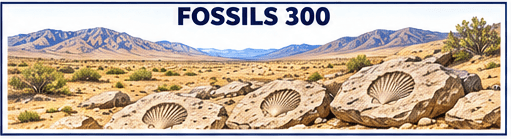
A Sea or Water
400
Matching layers in separate buttes suggest that the buttes were once part of this.
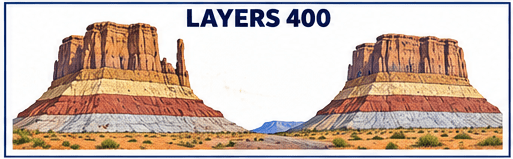
One connected area of rock
400
According to the reading, mountain building and rock folding can take thousands to millions of these.
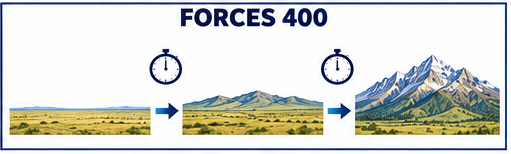
Years or Time
400
True or false: Rock must melt to become metamorphic rock.
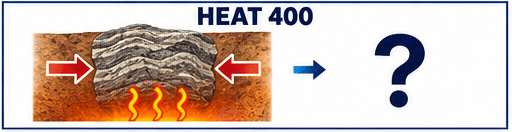
False. Metamorphic rock changes while remaining solid.
400
How can sediment help preserve evidence of an organism after it dies?
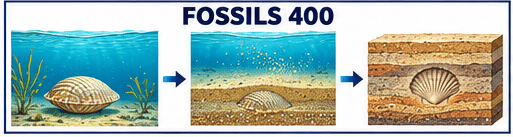
Sediment can cover its remains, which may become preserved as a fossil as the sediment becomes rock.
500
How can sediment become a stack of solid rock layers?
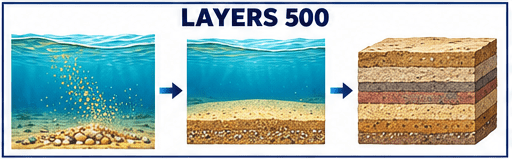
Sediment builds up in layers over time and becomes compacted and cemented into rock.
500
A geologist finds wavy rock layers. Explain what this shape tells the geologist about the past.
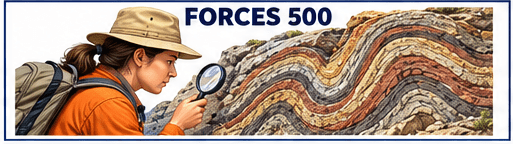
Forces acted on the rock and bent layers that were once flat.
500
Explain how the role of heat differs in forming igneous and metamorphic rocks.
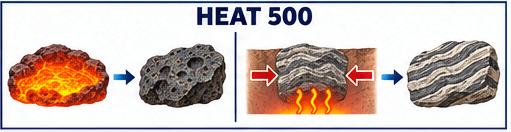
Igneous rock forms from melted material that cools. Metamorphic rock forms when heat and pressure change solid rock without melting it.
500
A scientist finds sea-creature fossils far from today’s ocean. Explain how this evidence shows that Earth’s surface has changed.
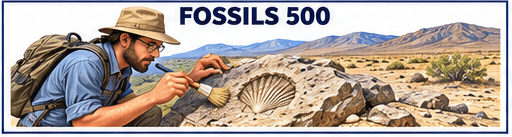
The fossils suggest that the area once had a marine environment, even though it is dry land today.