Step 1
Step 2
Step 3
Step 4
Step 5
100
The first step in the 5 step music reading proces
What is identifying if it's treble or bass clef?
100
The second step in the 5 step music reading process
What is identifying the time signature?
100
The third step in the 5 step music reading process
What is identifying the key signature?
100
The fourth step in the 5 step music reading process
What is decoding the rhythm?
100
The final step in the 5 step music reading process
What is naming the notes?
200

The symbol shown above
What is treble clef?
200
This is what the top number of a time signature tells you
What is the number of beats per measure?
200
This is the order of the flats
What is BEADGCF?
200
This type of note gets 1 beat
What is a quarter note?
200

The name of the note pictured above
What is A?
300

The symbol shown above
What is bass clef?
300
This is what the bottom number of the time signature tells you
What is the unit of the beat?
300
This is the order of the sharps
What is FCGDAEB
300

The number of beats assigned to the note shown above
What is three beats?
300

The name of the note pictured above
What is D
400
the clef that flutes most often read in
What is treble clef
400
4
4
this is the number of quarter notes in the above time signature
What is 4?
400
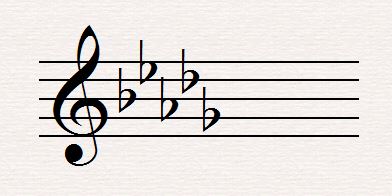
This is the name of the key signature shown above
What is Db Major?
400
the number of beats assigned to a dotted quarter note
What is one and a half beats?
400
the name of the note in the bottom space of the treble clef staff when there are three sharps in the key signature
What is F Sharp?
500
The clef that trombones most often read in
What is bass clef?
500
6
8
There are 6 of these per measure in the above time signature
What are eighth notes?
500
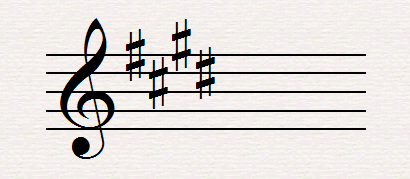
This is the name of the key signature shown above
What is E major?
500

The number of beats assigned to the note shown above
What is four beats?
500
The name of the note on the third line of the bass clef staff when there are four flats in the key signature
What is D Flat?