Identify the Muscle!
Actions of Hip & Thigh Muscles
Hip Muscles
Os & Is
Os & Is
Thigh Muscles
Os & Is
Os & Is
Potpourri
100
Name the muscle pictured
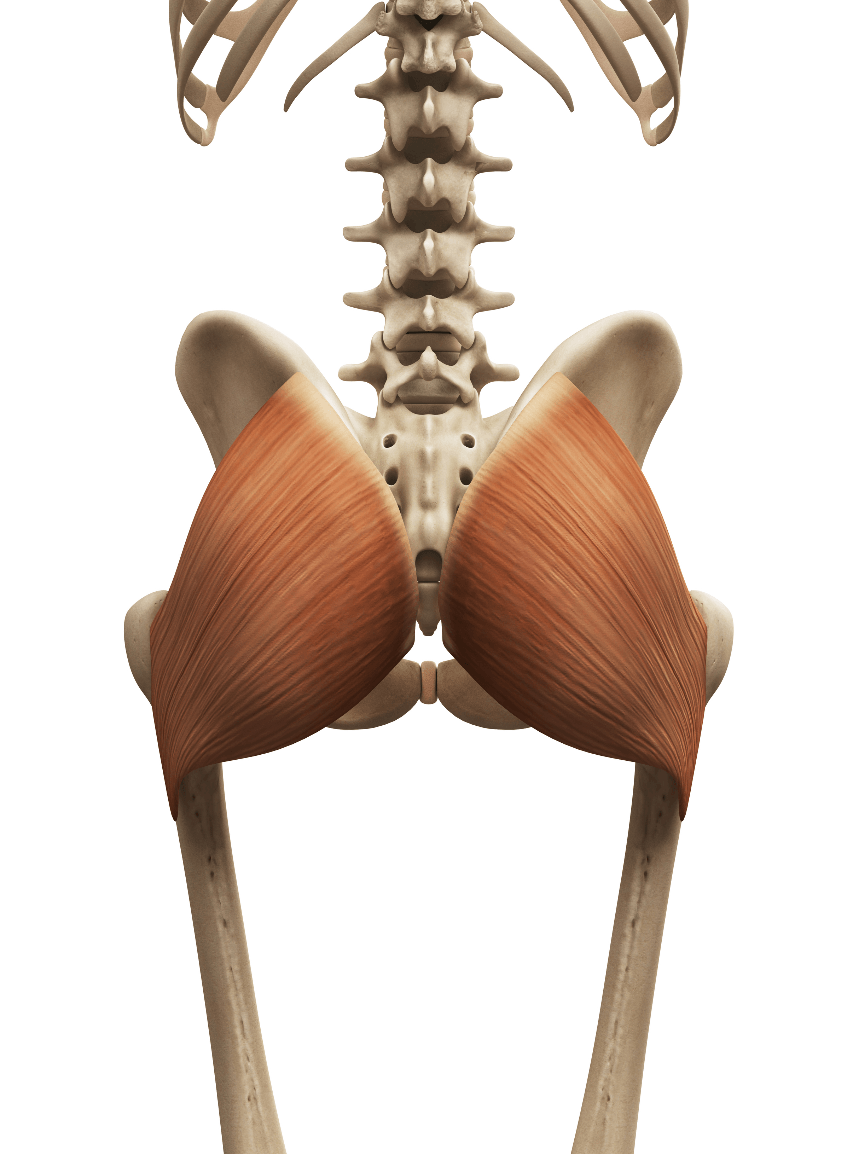
Gluteus maximus
100
These two muscles are responsible for abduction of the hip.
Gluteus medius and gluteus minimus
100
The origin of this muscle is the posterior sacrum and superior gluteal line.
Gluteus maximus
100
Name one muscle that has its origin on the anterior pubis.
Pectineus, adductor brevis, adductor longus
100
This is the longest muscle in the body.
Sartorius
200
Name the muscle pictured
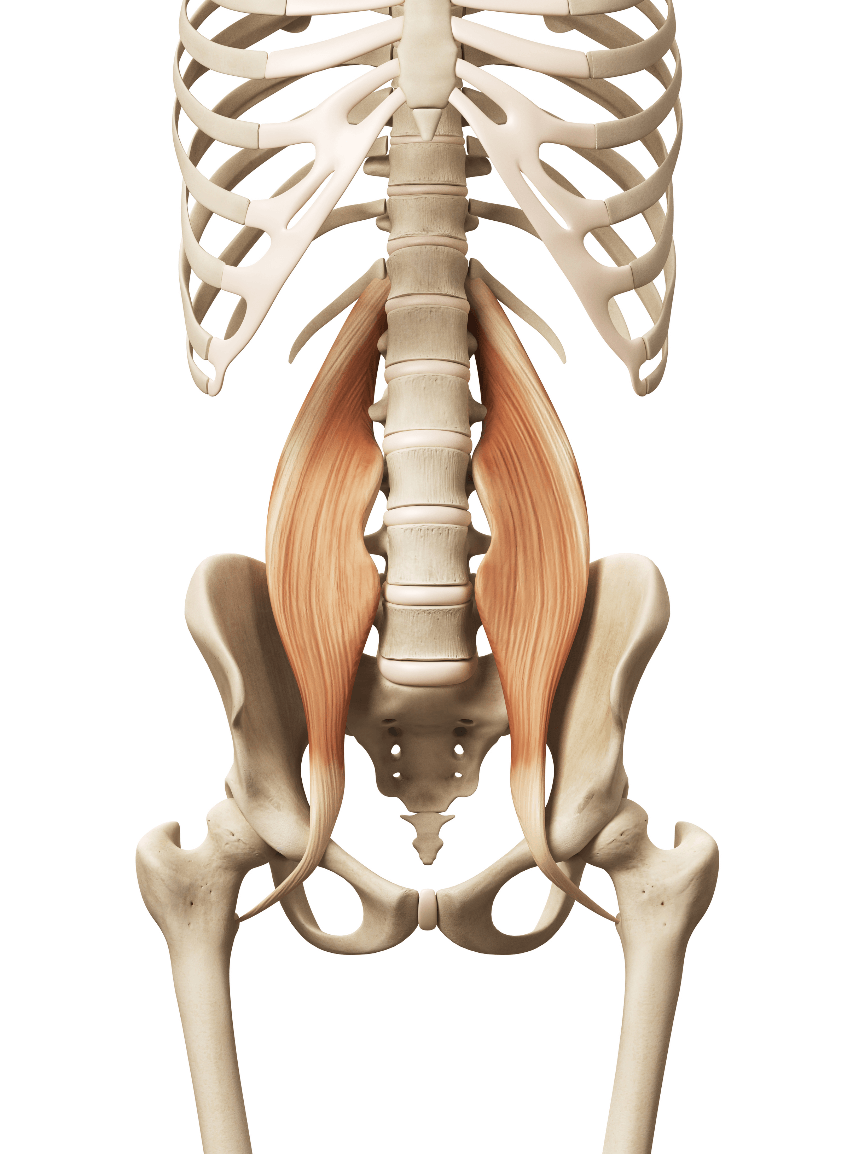
Psoas major
200
Name two muscles that are responsible for lateral/external rotation of the hip.
Piriformis, superior gemellus, obturator internus, inferior gemellus, quadratus femoris
200
This muscle inserts on the lesser trochanter of the femur.
Iliopsoas
200
The origin of this muscle is the anterior superior iliac spine.
Sartorius
200
This muscle can sometimes compress the sciatic nerve.
Piriformis
300
Name the muscle indicated in red
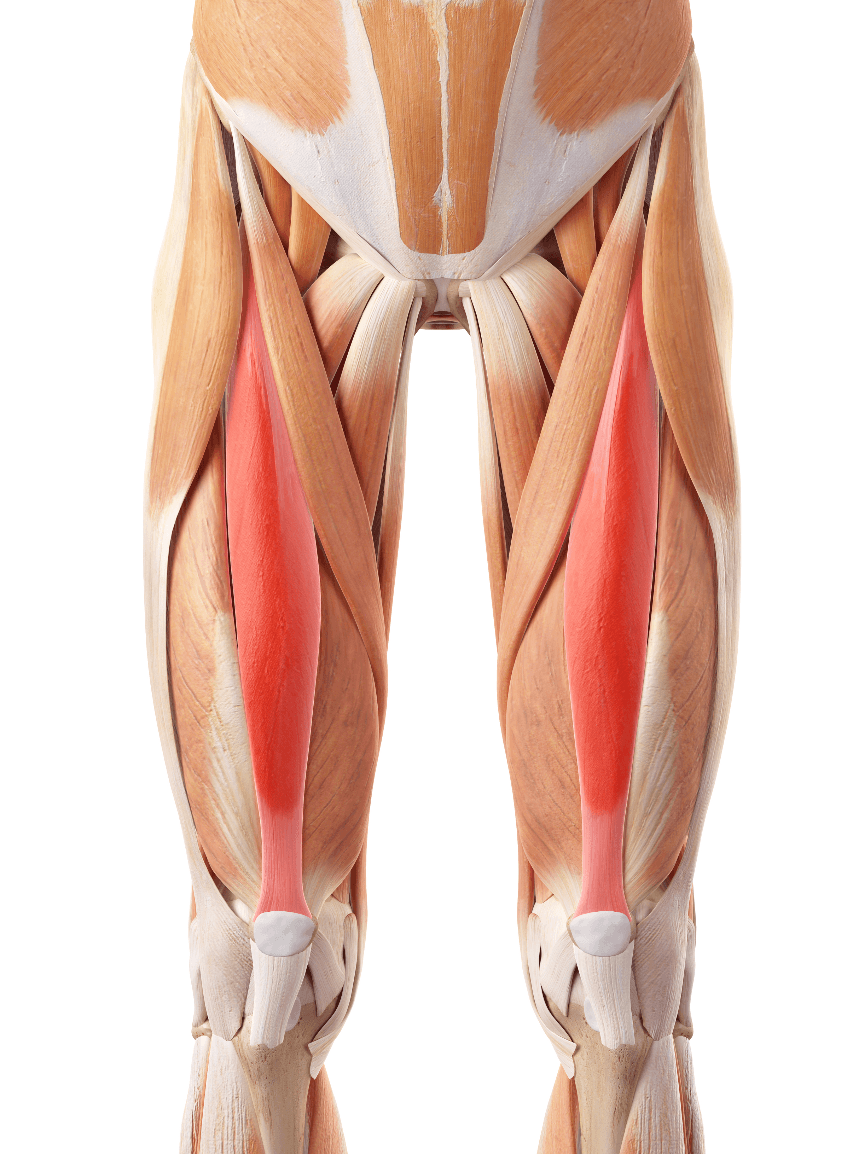
Rectus femoris
300
Name two muscles that are responsible for extension of the knee.
Rectus femoris, vastus lateralis, vastus medialis, vastus intermedius
300
These two muscles have their origins on the obturator membrane.
Obturator internus and externus
300
This group of muscles have their origin on the ischial tuberosity.
Hamstrings
300
The tendons of these three muscles form the pes anserinus.
Sartorius, gracilis, semitendinosus
400
Name the muscle pictured in red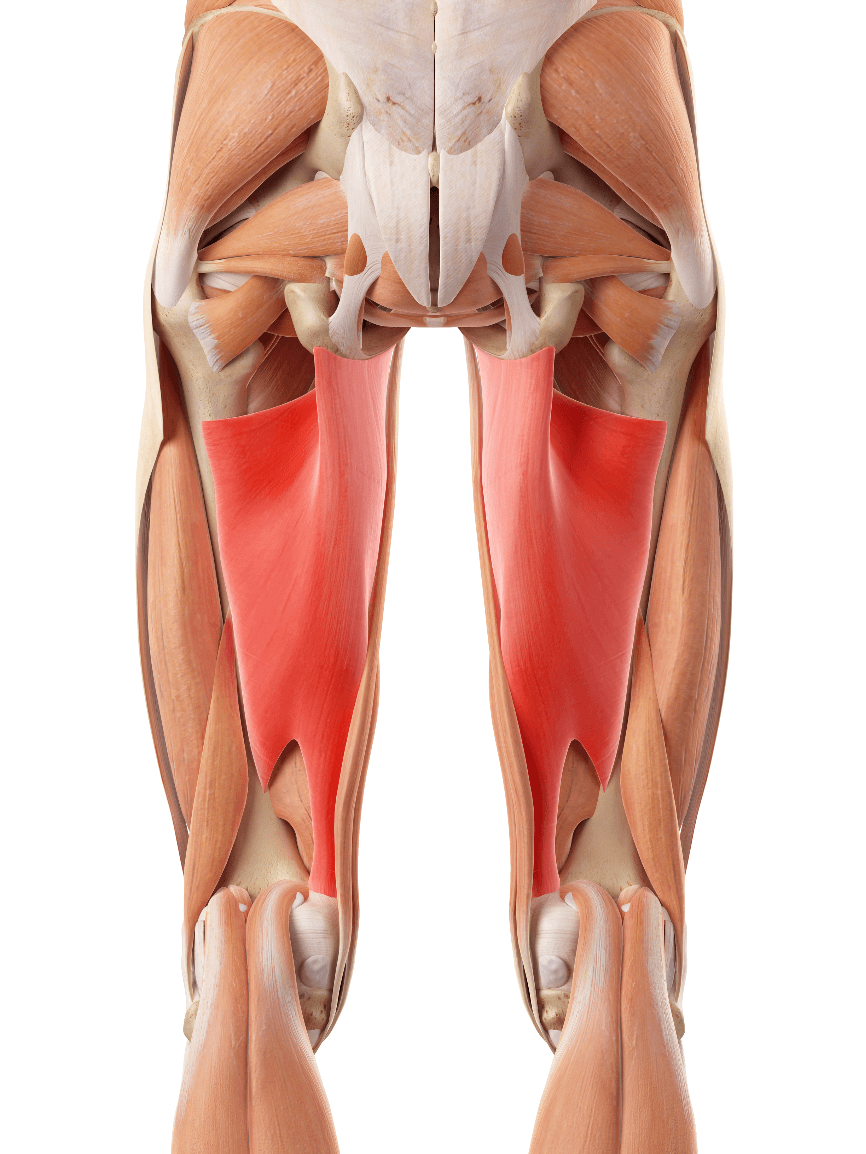
Adductor magnus
400
Name two muscles that are responsible for hip adduction.
Pectineus, adductor brevis, adductor longus, adductor magnus, gracilis
400
The origin of this muscle is iliac crest just posterior to the anterior superior iliac spine.
Tensor fascia latae
400
This muscle(s) insert on the head of the fibula.
Biceps femoris
400
This muscle has an adductor portion and a hamstring portion.
Adductor magnus
500
Name the muscle pictured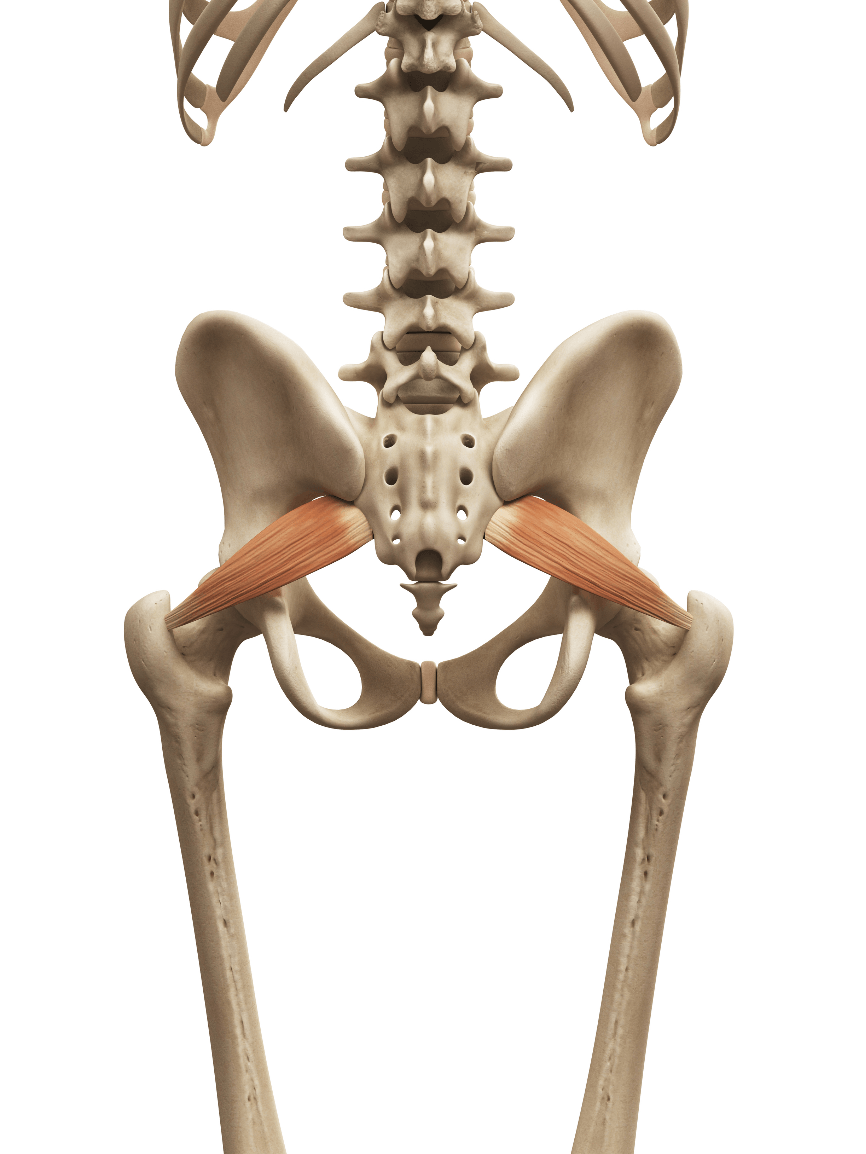
Piriformis
500
This muscle is responsible for external rotation of the thigh.
Obturator externus
500
The origin of this muscle is the ischial spine.
Superior gemellus
500
Name of the origins of rectus femoris.
AIIS and ilium above the acetabulum
500
This muscle is considered the main hip flexor.
Iliopsoas