Bones
Joints
Muscles
The Vertebrae
Miscellaneous
100
Grating or crackling sound or sensation; may occur with movement of ends of a broken bone or irregular joint surface
What is crepitus or crepitation?
100
Stiffness and fixation of a joint
What is ankylosis?
100
This is the medical term used for general muscle pain and tenderness?
What is myalgia?
100
This is an exaggerated curvature of the thoracic spine.
What is kyphosis?
100
This gait is described as staggering and uncoordinated often with sway.
What is an ataxic gait?
200
Terms used for the hand and finger deformites below. It is often seen with rheumatoid arthritis.
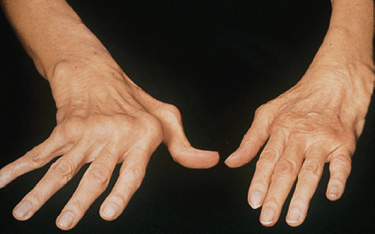
What is ulnar deviation and swan neck deformity.
200
Resistance of movement of muscle or joint due to fibrosis of supporting soft tissue.
What is a contracture?
200
This is dense fibrous connective tissue whose purpose is to connect muscles to bone.
What is a tendon?
200
This is an exaggerated curvature of the lumbar spine.
What is lordosis?
200
This is the medical term used for numbness and tingling, often described as "pins and needles."
What is paraesthesia?
300
These are ropelike bundles of collagen fibrils that bind the articulating bones together They provide stability while allowing controlled movement at joints.
What are ligaments?
300
What hip movements should be avoided after the patient has had a surgical replacement of the joint?
Adduction, internal or external rotation, flexion greater than 90 degrees.
300
One of three major muscle types. It is a form of striated muscle tissue, which is under the voluntary control of the somatic nervous system. It accounts for half of the human's body weight.
What is skeletal muscle?
300
This is a lateral S-shaped curvature of the thoracic and lumbar spine.
What is scoliosis?
300
The normal range of serum calcium.
What is 9.0 - 10.5 mg/dL?
400
These are the terms used for partial and complete separation of 2 bones from their normal position within a joint.
What are subluxatiion and dislocation?
400
Another name for the most common type in this category. The medical term is diarthrodial. Pictured below, it is the only one that is freely movable.
What is the synovial joint?
400
This is the term used for involuntary contractions of skeletal muscle that occur with hypocalcemia.
What is tetany?
400
These fibrocartilangenous joints occupy the spaces between the vertebrae, allowing movement of the column. Damage can be caused by herniation, degeneration, bulging or thinning.
What are intervertebral discs?
400
This laboratory is used to diagnose inflammatory diseases and infection. Is also present in large amounts in the serum after onset of tissue damage.
What is C-reactive protein (CRP)?
500
The process by which osteoclasts break down bone and release calcium into the blood.
What is resorption?
500
This movement of a synovial joint is described as bending of the joint from muscle contraction that causes a decrease in the angle of the two bones.
What is flexion?
500
This condition pictured here, on the right, which depicts an immovable plantar-flexed position of the joint. Causes of this condition include nerve compression and allowing the ankle to assume a prolonged unsupported position.
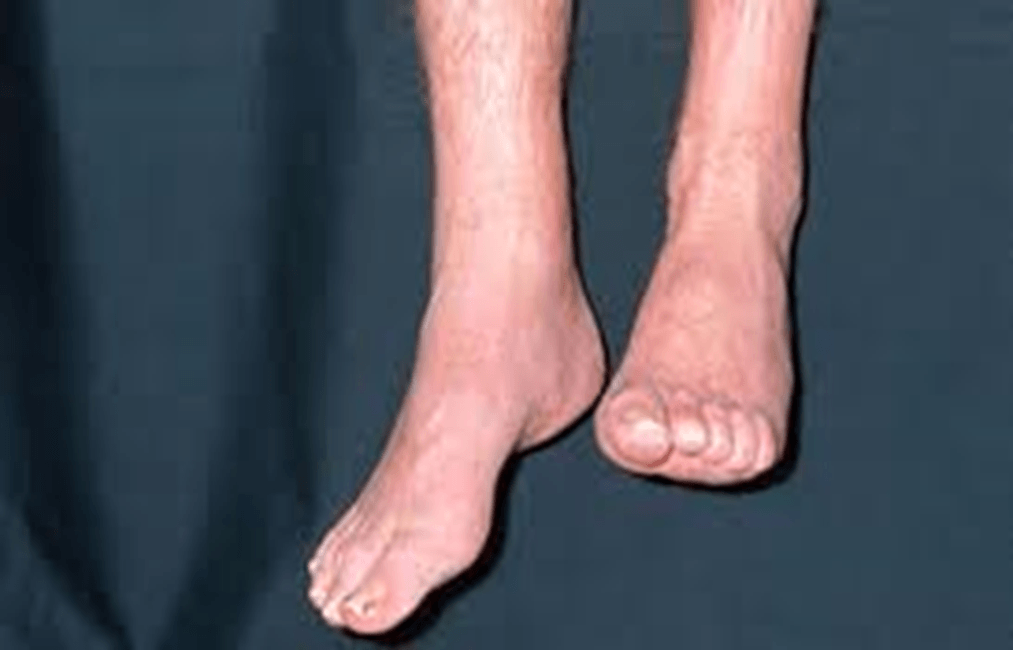
What is foot drop?
500
The name of this area of the vertebral column.
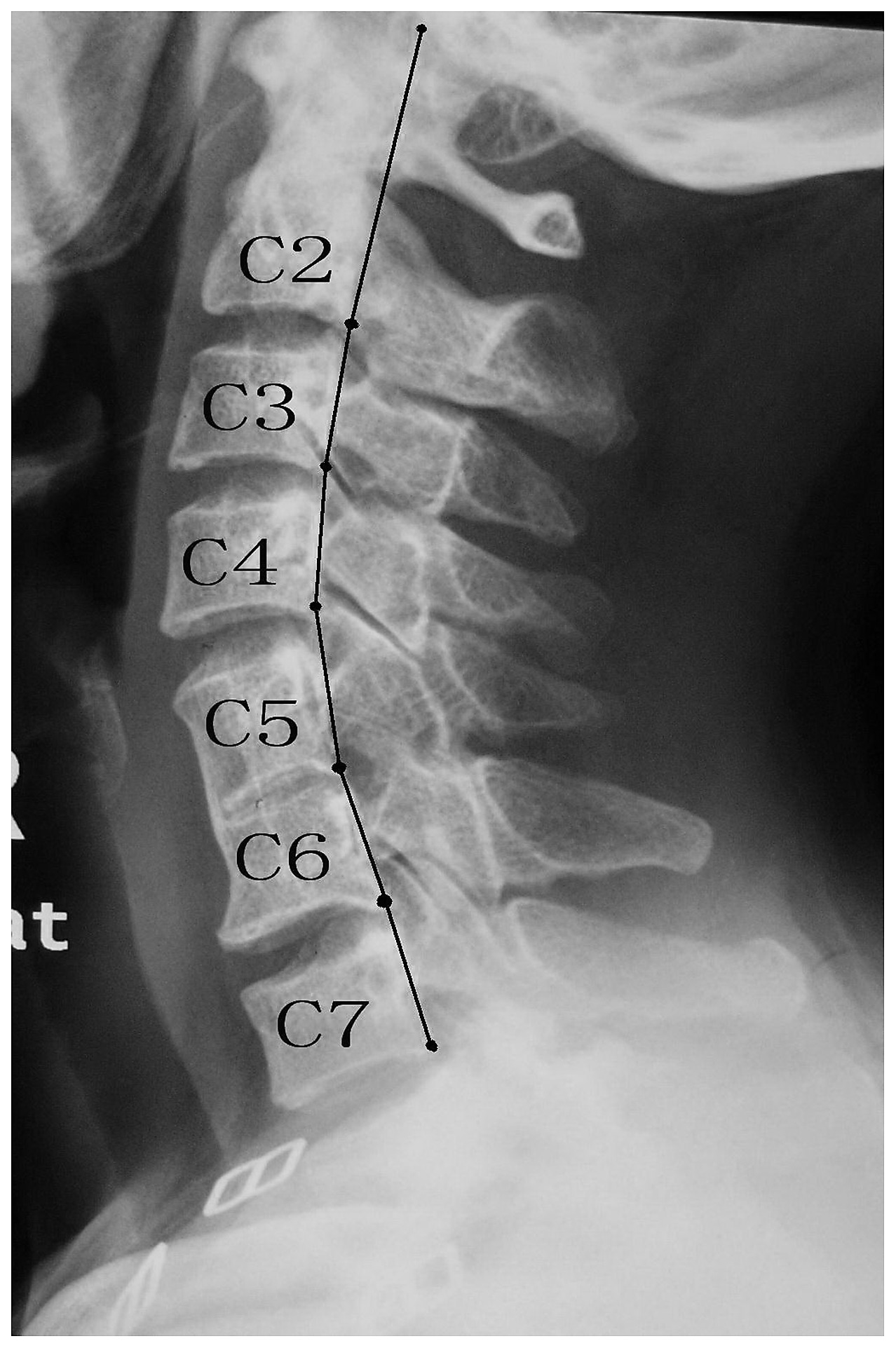
What is the cervical spine?
500
The name for this piece of cartilage that provides a cushion between the femur and the tibia. There are two in each knee joint. They can be damaged or torn during activities that put pressure on or rotate the knee joint. A tear in one of them is pictured here.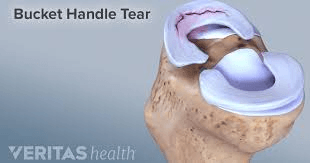
What is the meniscus?
600
Bone spurs that form around the outside of the joint, causing abnormal outgrowth of bone, pain and limited motion. Often seen in advanced osteoarthritis.
What are osteophytes?
600
These are small sacs of synovial fluid. They are found at bony prominences or joints to relieve pressure and decrease friction between moving parts.
What are bursae?
600
These two conditions are often the result of abnormal stretching or twisting forces on the musculature during vigorous activities. The first is an injury to the ligaments surrounding a joint. The second refers to excessive stretching of a muscle, often involving the tendon.
What are sprains and strains?
600
Which areas of the spine do these braces support?
Thoracic, Lumbar and Sacral.
600
This diagnostic study allows assessment of bone density with minimal radiation. Used to diagnose metabolic bone disease.
What is a DEXA (dual energy x-ray absorpitometry) scan?