I Spy
Hormones
Synaptic Spaghetti
Neurotransmitters and Cell Biology
Potpourri
100
The "almonds" of the brain (blue).
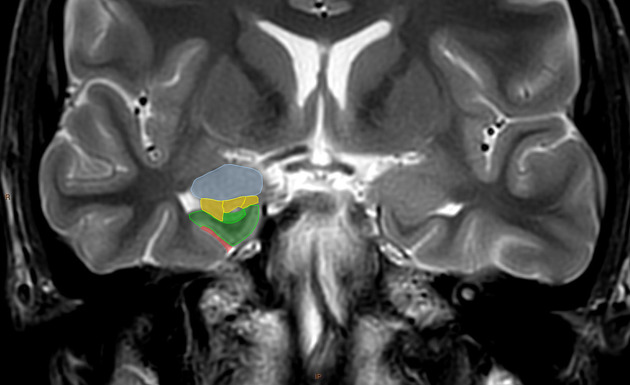
Amygdala
(Fear center, initiates fight-or-flight response.)
100
Name three somatic symptoms of anxiety
1. Tachycardia
2. Sweating
3. Restlessness
4. Shortness of breath
5. Light headedness
6. Muscle tension
100
This is considered the "waystation" the brain, involved in filtering, processing, and distributing all sensory information to the cortex
Thalamus
100
This receptor, when stimulated, often confers anxiolytic and sedating effects
GABA
100
This brain region is involved in "rational reappraisal." (Also, what is rational reappraisal?)
1. Prefrontal cortrex
2. Reappraising a difficult situation into more favorable terms
200
The "horse sea monster" of the brain.
Hippocampus
(Involved in encoding emotional memories. Small hippo? Higher risk of PTSD, perhaps.)
200
Persistently elevated levels of this hormone are observed in individuals who are "high responders" to repetitive, stressful situations (e.g., public speaking)
Cortisol
200
This specific brain region is commonly considered the "brakes" to amygdala activation
The medial prefrontal cortex (mPFC)
200
This area of the brain contains cell bodies that produce norepinephrine
Locus Coeruleus (Pons)
200
Symptoms of this anxiety disorder are common in individuals diagnosed with Tourette's syndrome and Parkinson's disease
OCD
300
This brain structure is involved in emotional processing (anterior) and interoception (posterior).

Insula
300
This hormone was observed as decreased initially when subjects were monitored during parachute jumping
Testosterone (also accept gonadotropins)
300
"Hedonic Hotspot" is the alliterative term for this region in the brain involved in reward, motivation, and pleasure
Nucleus Accumbens
300
This chemical can alter the structure and function of neural networks. It is implicated in fear memory formation and fear extinction.
Brain-derived neurotrophic factor (BDNF).
300
Kluver-Bucy syndrome, which can be caused by herpes encephalitis, leads to these three primary symptoms
1. Hyperorality
2. Hypersexuality
3. Passivity
(Will also accept visual agnosia)
400
Patients with treatment resistant OCD may consider surgical resection of this brain region.

Anterior cingulate gyrus.
400
Corticotropin releasing hormone (CRH) is released from this nucleus in the hypothalamus.
Paraventricular nucleus
400
Deep brain stimulation (DBS) attempts to disrupt this circuit, implicated in OCD
The cortico-striatal-thalamic-cortical circuit
400
Caffeine primarily antagonizes this receptor to enact its effects, which can include a feeling of anxiousness
Adenosine
400
TMS focuses on this area of the brain when treating OCD
Supplementary Motor Area