Nutrition
Dietary Food Guidelines
Foodborne Illnesses
Eating Factors
Random
100
Define the word "nutrients"
Substances in food that provide your body with nutrition and nourishment
100
What type of bread should you eat?
Whole grain
100
List one way to prevent a foodborne illness
Ex: Clean, separate, cook, or chill
100
Name two examples of when someone may eat in response to an emotional need
Ex: Stress, frustration, loneliness, sadness, etc.
100

According to this picture, what foods should you eat more of and what foods should you eat less of?
More: Protein, healthy fats, fruits, and vegetables, and dairy
Less: Grains
200
Name three out of the six types of nutrients
Ex: Carbohydrates, proteins, fats, vitamins, minerals, and water
200
What types of foods should you limit?
Foods that are high in fats, sugars, and sodium
200
Name an example of a foodborne illness
Ex: Campylobater, Samonella, E. coil
200
Why is it not good to use food to relieve boredom or as a reward?
It can lead to unhealthy weight gain
200
What is the average calorie intake?
2000 calories
300
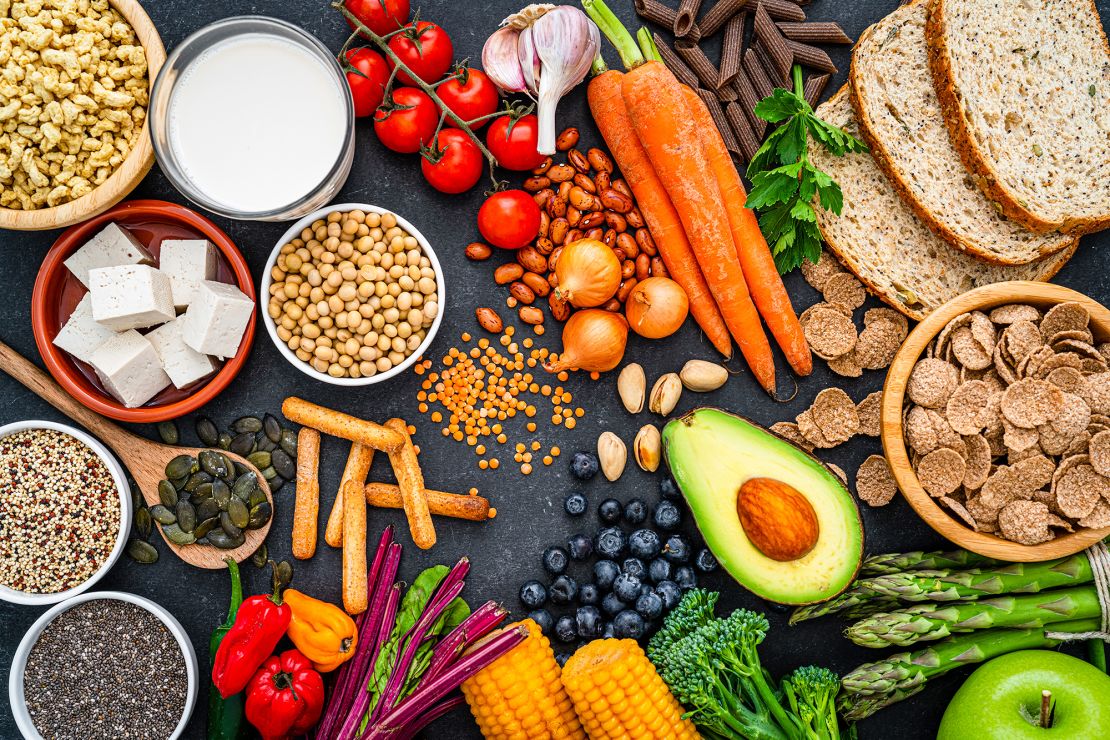 Based on this picture, name the nutrient that is missing.
Water
300
How many hours should you aim to be active daily?
60 minutes
300
Name two symptoms for foodborne illnesses
Ex: Cramps, diarrhea, nausea, vomiting, fever
300

What is this women doing?
Mindless eating
300
Explain the difference between hunger and appetite.
Hunger - The natural physical drive to eat, prompted by the body’s need for food
Appetite - The psychological desire for food
400
Name three ways your body uses nutrients
Ex: As an energy source to heal, to grow, to regulate body functions, and to transport oxygen to cells
400
What has Myplate been replaced by?
By an inverted "new food pyramid"
400
How many Americans are infected by a foodborne illness yearly?
76 million
400
How does time and money affect your eating habits?
People with busy schedules choose foods that are quick and easy to prepare, which are most often unhealthy (convenience foods and microwavable meals)
Cost may restrict you from eating the best quality food
400
What is organic food and what is it not?
Organic foods are produced without certain agricultural chemicals, such as synthetic fertilizers or pesticides
Organic foods are not necessarily safer or more nutritious than conventionally grown foods
500
Name all six of the nutrients.
Carbohydrates, proteins, fats, vitamins, minerals, and water
500
List a healthy food guideline not yet mentioned
Ex: Eating breakfast, finding a balance between food and activity, getting the most nutrition out of your calories (eating nutrient dense food), focusing on eating foods and veggies, etc.
500
List the four ways to prevent a foodborne illness
Clean, separate, cook, and chill
500
Name two factors not yet mentioned that affect your eating habits
Ex: Family, friends, culture, and advertisements
500
Name two things Mr. Tran is doing wrong.
Ex: He is using food to relieve his sadness which may lead to obesity, he is eating fast food which has lots of sodium and fats, there are no vegetables or fruits in his meal, etc.